







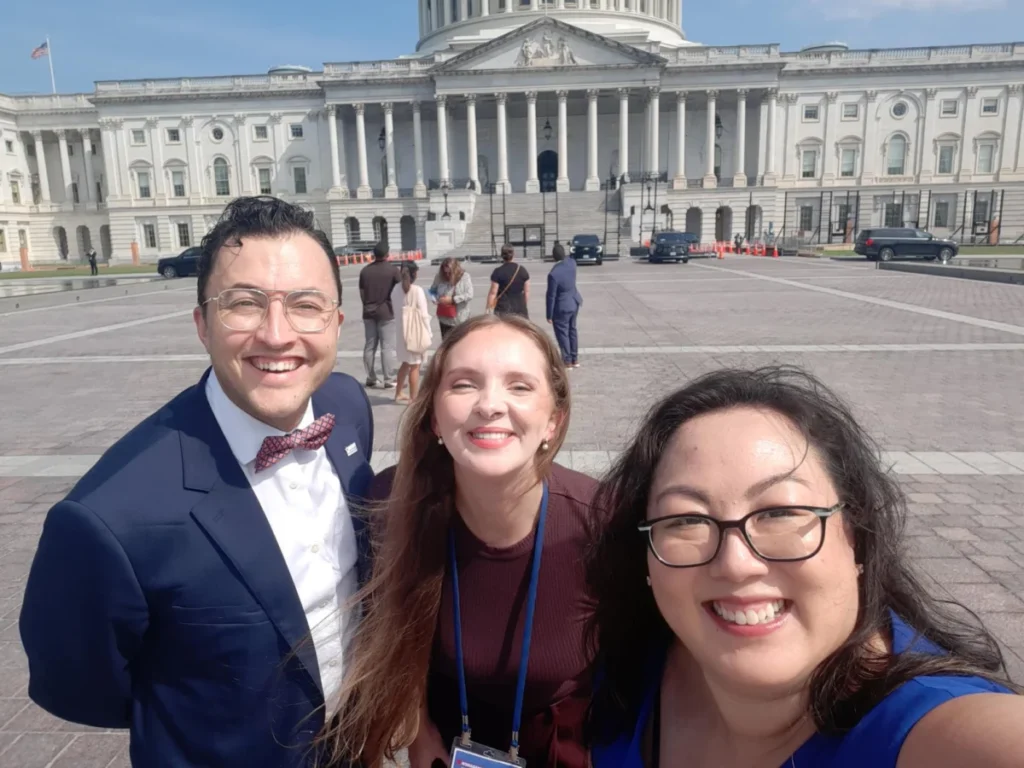
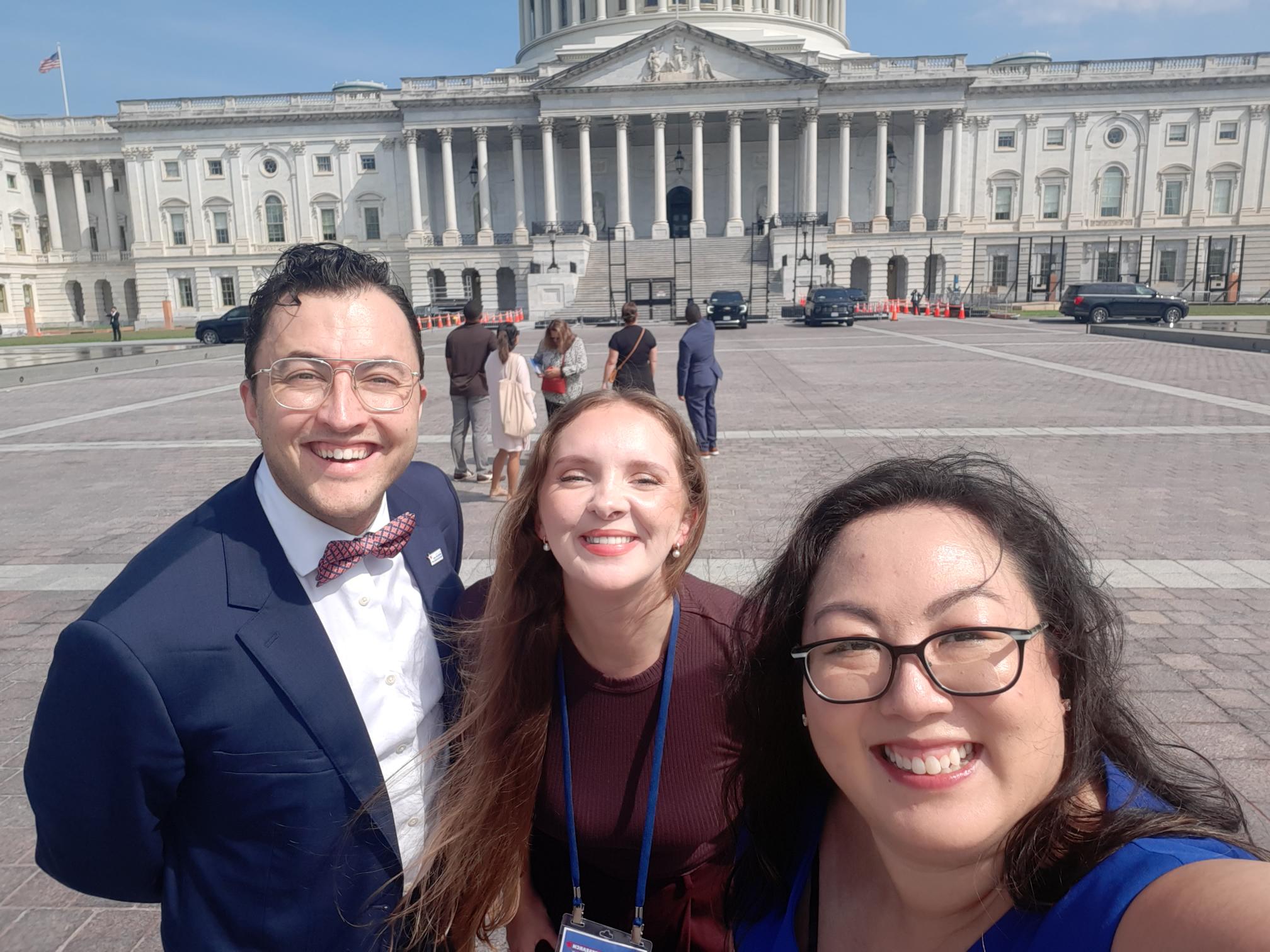
On September 17, members of the Endocrine Society joined a broad coalition of medical researchers, patient advocates, and scientific organizations in Washington, D.C., for the 13th annual Rally for Medical Research. This high-profile day of advocacy brought together hundreds of stakeholders from across the United States to engage directly with members of Congress and their staff. The primary objective of the mobilization was to secure robust, predictable, and sustained funding increases for the National Institutes of Health (NIH) and to voice strong opposition to administrative proposals that threaten the fundamental independence of the federal scientific grant-making process.
The Endocrine Society, a global organization representing thousands of physicians and scientists dedicated to hormone research and clinical care, played a pivotal role in the proceedings. By deploying a strategic contingent of members from key states and congressional districts, the Society sought to underscore the critical link between federal research investment and the development of life-saving treatments for conditions such as diabetes, obesity, thyroid cancer, and infertility. The event occurred at a precarious moment for the American scientific community, as the NIH faces both fiscal constraints and a proposed regulatory shift that could prioritize political considerations over scientific merit in the allocation of research grants.
The Strategic Importance of the Rally for Medical Research
The Rally for Medical Research was established as a non-partisan effort to ensure that biomedical research remains a national priority. Over the past decade, the event has grown into one of the most influential advocacy days on Capitol Hill. The 13th annual iteration saw participants attending hundreds of meetings with congressional offices, providing a human face to the data and statistics that drive health policy.

For the Endocrine Society, the rally represents an opportunity to highlight the unique challenges and opportunities within the field of endocrinology. Endocrine-related diseases affect nearly every American family, and the research funded by the NIH is essential for understanding the complex hormonal systems that regulate human health. During the meetings, Society members, including Lydia Agnew, a FLARE (Future Leaders Advancing Research in Endocrinology) fellow, and Sophia Kaska, PhD, the Society’s Manager of Science Policy and Research Affairs, provided first-hand accounts of how federal funding supports laboratory discovery and clinical breakthroughs.
The Fiscal Landscape: NIH Funding and Economic Impact
A central pillar of the advocacy efforts was the request for increased funding for the NIH in the upcoming fiscal year. While the NIH has historically enjoyed bipartisan support, the current economic environment—marked by inflationary pressures and debates over federal spending caps—has placed the agency’s budget under scrutiny.
To support their requests, advocates presented data illustrating the significant return on investment provided by the NIH. According to data from United for Medical Research, every dollar of NIH funding generates more than $2.00 in local economic activity. In 2023 alone, NIH funding supported over 410,000 jobs across the United States and contributed nearly $93 billion to the national GDP. Beyond the economic metrics, the NIH is the largest funder of biomedical research in the world, driving the foundational science that leads to the majority of new drugs and therapies approved by the Food and Drug Administration (FDA).
The Endocrine Society specifically pointed to the rising costs of endocrine-related chronic diseases as a justification for increased research investment. For example, the total estimated cost of diagnosed diabetes in the U.S. in 2022 was $412 billion, including $306 billion in direct medical costs and $106 billion in indirect costs such as lost productivity. Advocates argued that even modest increases in NIH funding for diabetes research could yield substantial long-term savings by improving disease management and preventing complications.
Challenges to Scientific Integrity: The OMB Proposed Rule
A significant portion of the September 17 meetings was dedicated to a more recent and alarming development: a proposed rule issued by the Office of Management and Budget (OMB). This proposal has sent shockwaves through the scientific community due to its potential to fundamentally alter the way federal grants are selected and administered.
Under the current system, the NIH utilizes a rigorous peer-review process where panels of independent experts evaluate grant applications based on scientific merit, innovation, and the likelihood of success. The proposed OMB rule, however, would introduce "political considerations" into the selection process, potentially allowing administrative priorities to override scientific assessments. Furthermore, the rule contains provisions that could impose new barriers on the dissemination of scientific information. This includes potential restrictions on researchers’ ability to publish their findings in peer-reviewed journals or present their data at international scientific conferences.
The Endocrine Society and its partners argued that such a shift would undermine the transparency and stability of the federal grant system. They emphasized that scientific progress relies on the free exchange of ideas and that politicizing the funding process could lead to the suppression of research that is deemed "controversial" but is otherwise scientifically sound.
Chronology of Advocacy and Policy Developments
The events of September 17 were part of a larger timeline of advocacy and administrative action. The chronology of these developments highlights the urgency of the current situation:
- Early September: The Endocrine Society and other members of the Rally for Medical Research coalition began intensive training for advocates, preparing them to discuss complex policy issues like the OMB rule with congressional staffers.
- September 17: The 13th annual Rally for Medical Research took place on Capitol Hill. Hundreds of advocates met with representatives from both the House and Senate to push for NIH funding and the protection of the peer-review system.
- Late September (Post-Rally): Following the rally, a high-level meeting occurred at the White House to discuss the implementation of the proposed OMB rule. Reports surfaced that the administration was considering the issuance of an Executive Order to fast-track the policy changes.
- October: Several members of Congress, alerted by the advocacy efforts of groups like the Endocrine Society, intervened by sending inquiries to the White House and the OMB expressing concern over the proposed rule’s impact on scientific integrity.
- Current Status: The administration’s final decision on the OMB rule remains pending. The Endocrine Society continues to monitor the situation and is urging its members to maintain contact with their congressional representatives to ensure the rule is withdrawn.
Broader Implications for Global Health and Innovation
The outcome of this policy struggle has implications that extend far beyond the halls of Congress. If the NIH’s funding is stagnated or if its grant-making process becomes politicized, the global leadership of the United States in biomedical innovation could be at risk.
The "merit-based" system has long been considered the gold standard for scientific funding worldwide. By ensuring that the best ideas—rather than the most politically popular ones—receive funding, the U.S. has been able to attract the world’s top scientific talent. A shift toward political review could trigger a "brain drain," as researchers seek environments where their work is judged solely on its scientific value.
Furthermore, the restrictions on the dissemination of information proposed in the OMB rule could slow the pace of discovery. In the field of endocrinology, where new understandings of hormone signaling can lead to breakthroughs in treating rare diseases, any delay in sharing data can have life-or-death consequences for patients. The Society emphasized that the rapid development of the COVID-19 vaccines was only possible because of decades of NIH-funded basic research and the open sharing of scientific data—a model that the proposed rule could jeopardize.
Official Responses and the Path Forward
While the White House has not yet made a final determination on the Executive Order, the response from Capitol Hill has been a mix of concern and cautious support for the advocates’ position. Bipartisan groups of lawmakers have historically protected the NIH from the most severe budget cuts, recognizing the agency’s role in public health and economic growth. However, the introduction of the OMB rule has created a new ideological fault line.
In a statement following the rally, the Endocrine Society reinforced the need for persistent constituent engagement. "It is more important than ever that all congressional offices hear from their constituents about the need to urge the administration to withdraw the proposed rule," the Society noted. The organization is calling for policies that prioritize "scientific merit, transparency, and stability."
The Society’s manager of Science Policy and Research Affairs, Sophia Kaska, PhD, highlighted that the advocacy does not end when the rally participants leave Washington. The Society is providing resources for its members to continue the dialogue through virtual town halls, letter-writing campaigns, and social media outreach. The goal is to create a sustained drumbeat of support for the NIH that can withstand shifting political winds.
Conclusion: The Stakes for the Future of Medicine
The 13th annual Rally for Medical Research served as a critical platform for the Endocrine Society to defend the foundations of biomedical science. As the medical community looks toward the future, the dual challenges of securing adequate funding and protecting the integrity of the peer-review process remain paramount.
The success of endocrine research—and medical research at large—depends on a federal grant system that is insulated from political interference and empowered with the resources necessary to tackle the world’s most pressing health challenges. For the millions of patients living with endocrine disorders, the advocacy efforts of the Endocrine Society and its partners represent a vital safeguard for the next generation of medical breakthroughs. The coming months will be decisive in determining whether the United States maintains its commitment to a science-first approach or moves toward a model where political considerations hold sway over scientific discovery.