








Creatine monohydrate stands as one of the most rigorously scrutinized and validated ergogenic aids in the history of sports nutrition. Despite decades of anecdotal misconceptions labeling it as a "synthetic steroid" or a "dangerous performance enhancer," the scientific community has reached a consensus regarding its safety and efficacy. For athletes, bodybuilders, and increasingly, those concerned with cognitive longevity, creatine represents a fundamental tool for optimizing cellular energy. This report examines the biochemical mechanisms, historical evolution, and clinical protocols associated with creatine supplementation, providing a comprehensive overview of its role in modern health and human performance.
The Biochemical Framework of Creatine
At its core, creatine is a nitrogenous organic acid produced endogenously from the amino acids glycine, arginine, and methionine. While the human body synthesizes approximately one gram per day primarily in the liver and kidneys, and another gram is typically ingested through a diet rich in red meat and seafood, these levels are often insufficient to reach full muscle saturation. Approximately 95% of the body’s creatine is stored in skeletal muscle in the form of phosphocreatine.
The primary physiological role of creatine is the rapid regeneration of adenosine triphosphate (ATP). ATP is the universal energy currency of the cell, utilized during high-intensity, short-duration activities such as sprinting or heavy resistance training. When a muscle contracts, ATP loses a phosphate group to become adenosine diphosphate (ADP). Phosphocreatine acts as a reservoir, "donating" its phosphate group to ADP to reconstitute ATP almost instantaneously. By increasing the available pool of phosphocreatine through supplementation, athletes can extend the duration of peak power output and reduce the time required for recovery between high-intensity bouts.

A Chronology of Discovery and Adoption
The journey of creatine from a laboratory curiosity to a global market leader spans nearly two centuries. The timeline below illustrates the key milestones in its development:
- 1832: French chemist Michel Eugène Chevreul first identifies creatine as a constituent of skeletal muscle.
- 1912: Researchers at Harvard University, Otto Folin and Willey Denis, find evidence that ingesting creatine can significantly increase the creatine content within the muscle.
- 1920s: Scientists determine that creatine plays a pivotal role in the metabolism of skeletal muscle.
- 1992: The Barcelona Summer Olympics serve as a catalyst for public awareness. Reports emerge that gold medalists, including sprinters Linford Christie and Sally Gunnell, utilized creatine to enhance their training.
- 1993: The first commercially available creatine supplement, "Phosphagen," is released to the public, sparking a revolution in the supplement industry.
- 2007: The International Society of Sports Nutrition (ISSN) publishes its first official position stand, declaring creatine monohydrate the most effective nutritional supplement currently available to athletes in terms of increasing high-intensity exercise capacity and lean body mass.
- 2020s: Research shifts toward the "brain-body connection," investigating creatine’s role in treating depression, traumatic brain injury (TBI), and age-related sarcopenia.
Supporting Data: Efficacy in Hypertrophy and Strength
The data supporting creatine’s impact on muscle growth is extensive. Meta-analyses of over 500 studies indicate that approximately 70% of these investigations reported statistically significant improvements in exercise capacity. In short-term trials, creatine supplementation has been shown to increase maximum power and strength by 5% to 15%.
Beyond ATP regeneration, creatine promotes muscle hypertrophy through several secondary pathways. One primary mechanism is osmotic: creatine draws water into the muscle cells, a process known as cellular swelling. This not only results in an immediate increase in muscle volume but also acts as a biological signal that triggers protein synthesis and inhibits protein breakdown. Furthermore, long-term studies suggest that creatine may lead to the downregulation of myostatin—a protein that inhibits muscle growth—thereby allowing for greater genetic potential in muscle accumulation.
Cognitive and Neuroprotective Implications
While historically categorized as a "bodybuilding" supplement, recent clinical evidence has highlighted creatine’s significant neuroprotective properties. The brain is one of the most metabolically active organs in the human body, consuming roughly 20% of the body’s total energy. Like muscle tissue, the brain utilizes the phosphocreatine system for rapid ATP resynthesis.

Research published in the Journal of Neuroscience and Nature has suggested that creatine supplementation can improve short-term memory and reasoning in healthy individuals, particularly those under stress or sleep deprivation. Furthermore, the neuroprotective benefits extend to clinical populations. Studies are currently exploring creatine’s potential to slow the progression of neurodegenerative diseases such as Parkinson’s and Huntington’s by maintaining mitochondrial function and reducing oxidative stress. For vegetarian and vegan populations, who often have lower baseline creatine levels due to dietary restrictions, supplementation has shown even more pronounced cognitive improvements.
Optimal Protocols: Loading, Maintenance, and Timing
To achieve the benefits of creatine, the muscle must reach a state of saturation. There are two primary evidence-based strategies for achieving this:
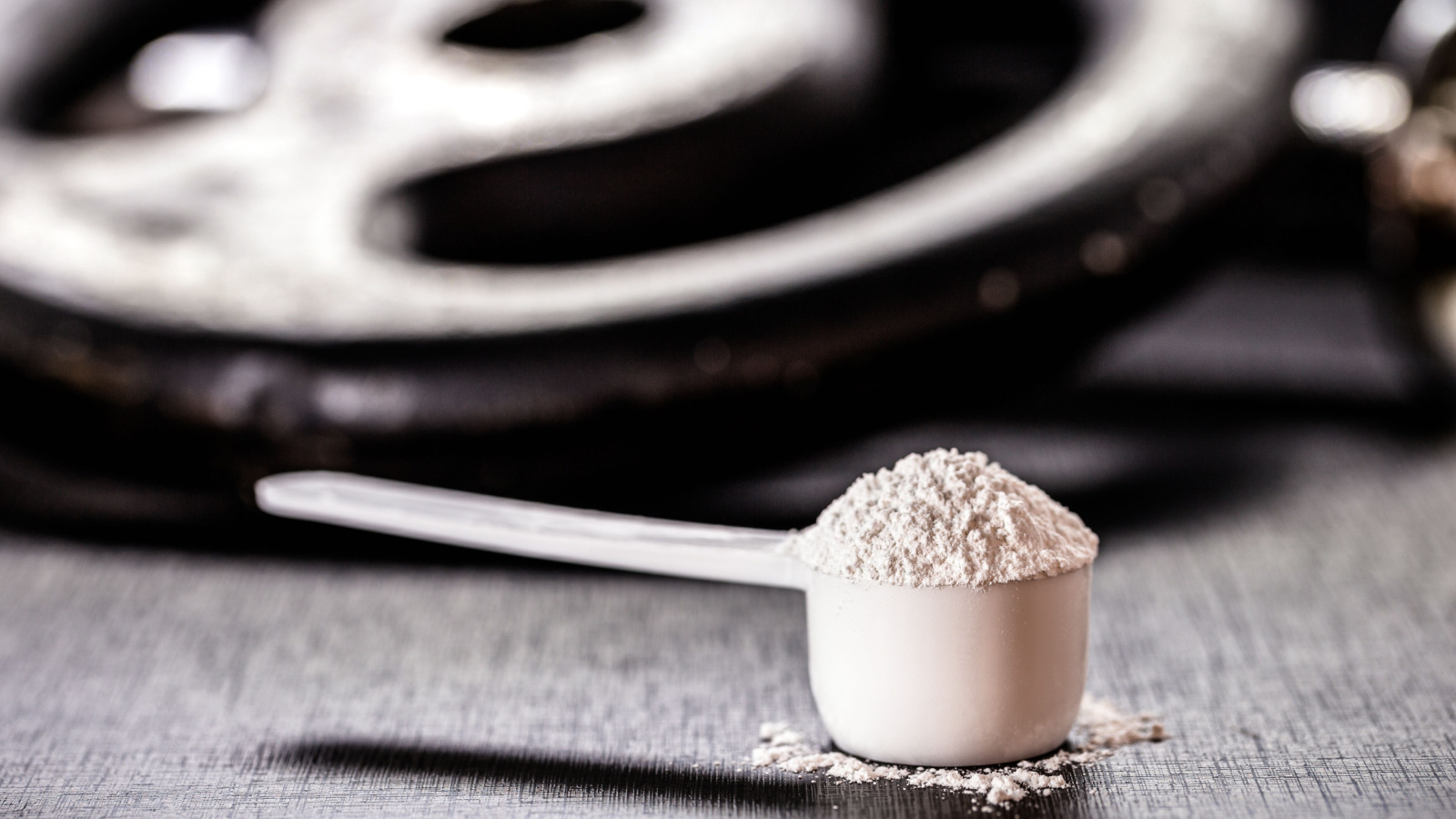
- The Loading Phase: This involves the ingestion of 20 grams of creatine per day, split into four 5-gram doses, for five to seven days. This protocol is designed to saturate the muscles as quickly as possible. Data shows that muscle creatine stores can increase by 10% to 40% using this method.
- The Gradual Approach: For those concerned with potential gastrointestinal discomfort, a dose of 3 to 5 grams per day will achieve full saturation within approximately 28 days.
Once saturation is reached, a daily maintenance dose of 3 to 5 grams is sufficient to replace the creatine degraded into creatinine and excreted through urine. Regarding timing, while creatine can be effective at any time of day, some research suggests a slight advantage to post-workout consumption. This is attributed to increased muscular blood flow and insulin sensitivity following exercise, which may enhance the uptake of creatine into the muscle cells.
Addressing Safety Concerns and Common Myths
The safety profile of creatine is robust, yet several persistent myths continue to circulate. The most common concerns involve renal (kidney) health and hair loss.

Renal Health: Critics often point to elevated levels of creatinine—a byproduct of creatine metabolism—in blood tests as evidence of kidney damage. However, medical professionals clarify that while creatinine is a marker used to assess kidney function, elevated levels caused by supplementation do not indicate a decline in glomerular filtration rate (GFR). Numerous long-term studies (up to five years) have shown no adverse effects on kidney or liver function in healthy individuals.
Hair Loss: The "creatine-hair loss" link stems from a single 2009 study on rugby players, which showed an increase in dihydrotestosterone (DHT) levels. DHT is a hormone linked to male pattern baldness in those genetically predisposed. However, this study has never been replicated, and no study has ever directly linked creatine to the actual loss of hair.
Gastrointestinal Issues: While rare, some users report bloating or cramping. These side effects are typically associated with the loading phase or insufficient water intake. Utilizing "micronized" creatine monohydrate—where the powder is ground into smaller particles—significantly improves solubility and digestion.
Official Responses and Institutional Stances
Major health and athletic organizations have largely moved to support or permit creatine use. The International Olympic Committee (IOC) and the World Anti-Doping Agency (WADA) do not list creatine as a banned substance, recognizing it as a legitimate nutritional tool.

The American College of Sports Medicine (ACSM) notes that creatine can be a safe and effective supplement when used within recommended guidelines. Similarly, the International Society of Sports Nutrition (ISSN) maintains that creatine monohydrate is the "gold standard" of supplements, advising that it may even play a role in preventing injury by reducing the frequency of muscle cramps and strains during intense training cycles.
Broader Impact and Market Trends
The global creatine market is experiencing a significant surge, projected to reach a valuation of over $600 million by 2030. This growth is driven not only by the traditional athletic demographic but by a growing "aging well" movement. As sarcopenia (age-related muscle loss) becomes a primary concern for public health, creatine is being viewed as a vital intervention to maintain physical independence and metabolic health in the elderly.
Furthermore, the shift toward plant-based diets has created a new consumer base. Because creatine is found naturally only in animal products, vegetarians and vegans are increasingly turning to synthetic creatine monohydrate to bridge the nutritional gap, resulting in reported improvements in both physical strength and mental clarity.
Conclusion
Creatine monohydrate remains a peerless supplement in terms of its evidence-based benefits for both the body and the mind. By facilitating the rapid regeneration of cellular energy, it allows for greater intensity in physical endeavors and provides a metabolic buffer for cognitive functions. While the marketplace is filled with alternative forms of the compound—such as creatine HCL or ethyl ester—the original monohydrate remains the most cost-effective and scientifically supported version. For the modern individual seeking a data-driven approach to performance and longevity, creatine represents a safe, effective, and essential component of a nutritional regimen.