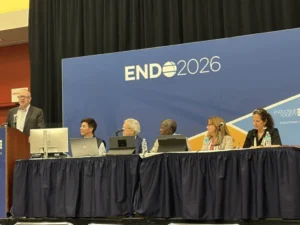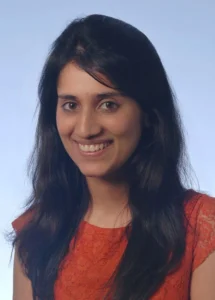








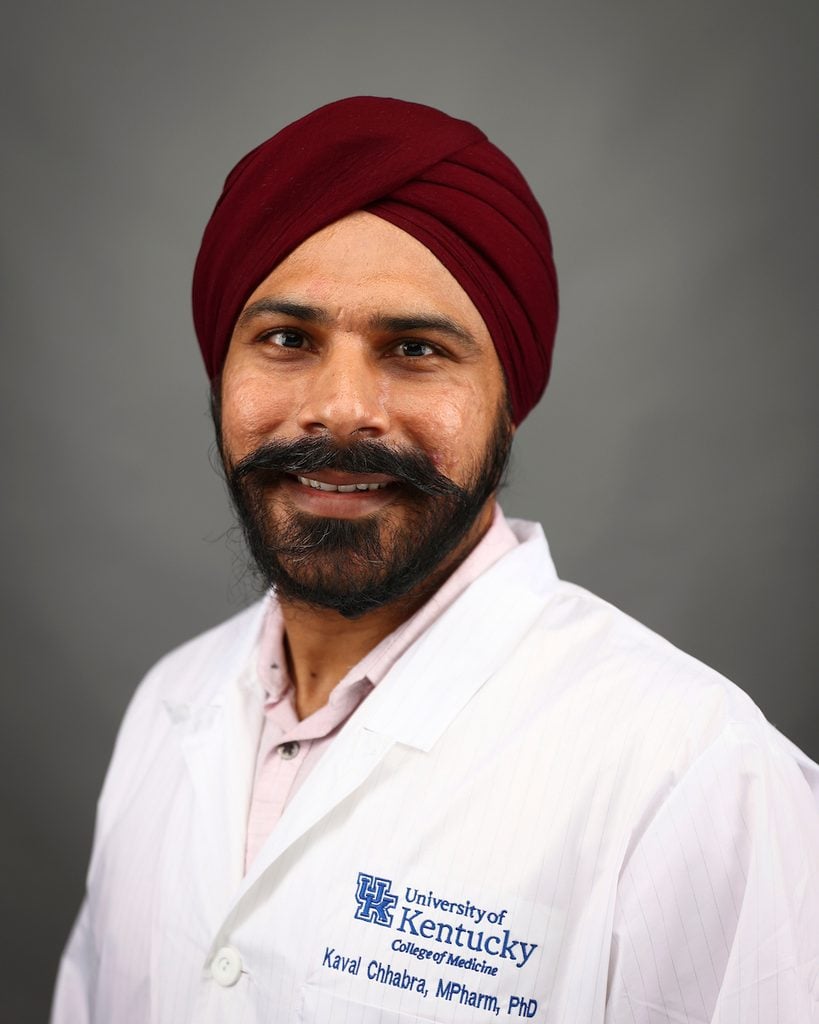
The landscape of modern endocrinology research is often characterized by high-stakes breakthroughs and the relentless pursuit of clinical solutions, yet at the heart of the laboratory experience lies an inescapable reality: the inevitability of failure. During the ENDO 2026 conference held in Chicago, Illinois, this often-taboo subject took center stage within the Professional Development tract. A featured session titled “Reframing Failure” drew significant attention from the international scientific community, offering a transparent look at the psychological and professional hurdles inherent in high-level research. Among the prominent voices was Kavaljit Chhabra, MPharm, PhD, an associate professor at the University of Kentucky, whose insights into regaining “lab mojo” and navigating the transition from bench scientist to laboratory leader provided a roadmap for resilience in the face of professional setbacks.
The ENDO 2026 Context: A Pivot Toward Professional Wellness
The Endocrine Society’s annual meeting has long been a bastion for sharing cutting-edge data on hormone health, but the 2026 iteration marked a notable shift toward addressing the "human element" of the laboratory. The “Reframing Failure” panel was designed to explore the mechanics of regaining momentum after significant professional challenges. In an era where grant funding is increasingly competitive and the pressure to publish in high-impact journals remains constant, the mental health and leadership efficacy of Principal Investigators (PIs) have become critical metrics for institutional success.
The session underscored a growing consensus in the academic community: scientific progress is non-linear. The panel of leaders shared high-level strategies for navigating the aftermath of setbacks, rebuilding confidence, and reclaiming successful career trajectories. For Chhabra, the discussion was an extension of his work with the Society’s Trainee and Career Development Core Committee (TCDCC), a group dedicated to supporting the next generation of endocrinologists as they navigate the "valley of death" between postdoctoral training and tenured faculty positions.


A Chronology of Academic Evolution: From Gujarat to Kentucky
Dr. Kavaljit Chhabra’s career trajectory serves as a case study in scientific adaptability. His journey began in India, where he received his BPharm and MPharm degrees from Gujarat University. This foundational training in pharmacy provided the pharmacological lens through which he would later view complex biological systems. Upon moving to the United States, Chhabra pursued a PhD at the LSU Health Sciences Center in New Orleans under the mentorship of Eric Lazartigues, focusing on the physiological mechanisms of hypertension and metabolic regulation.
His postdoctoral training at the University of Michigan with Malcolm Low marked a significant thematic shift into neuroscience, specifically exploring the brain’s control of glucose homeostasis. This "winding path," as Chhabra describes it, was essential for the interdisciplinary nature of his current research. In 2018, he established his independent laboratory at the University of Rochester before transitioning to the University of Kentucky in 2024. Today, as a member of the Barnstable Brown Diabetes Research Center, Chhabra’s lab investigates the coordination between the brain and kidneys in maintaining blood glucose stability—a field that moves beyond traditional glucose metabolism into the realm of glucose signaling.
Defining Failure: The Distinction Between Data and Judgment
Central to Chhabra’s philosophy is a rigorous redefinition of what constitutes "failure" in a laboratory setting. He posits that a hypothesis proven wrong is not a failure but rather the scientific method functioning correctly. "If an experiment tells me something I didn’t know, I don’t call it a failure at all," Chhabra noted during the ENDO 2026 discussions. Instead, he defines failure as a "preventable loss of time, resources, or trust."
This distinction is vital for early-career researchers who often conflate a negative result with personal inadequacy. By categorizing setbacks into "scientific lessons" and "judgment failures," Chhabra encourages a more analytical approach to laboratory management. A missed control or an underpowered study is a lesson with a specific cost—perhaps a week or a month of work. In contrast, failures in leadership and interpersonal dynamics often carry a much higher price tag, potentially impacting the trajectory of an entire research program.
The Six Pillars of Leadership Setbacks
Reflecting on his first years as a PI, Chhabra identified six specific areas where he encountered significant challenges. These setbacks were rarely scientific in nature; rather, they were rooted in the transition from being a technician to being a manager of people.
- The Inability to Say No: Chhabra observed that his desire to be supportive often led him to approve flawed experimental designs brought forward by trainees. By failing to provide immediate, critical feedback, he allowed trainees to spend months on projects destined for inconclusive results, ultimately causing more frustration than an initial "no" would have.
- The Accumulation of "Yes": Like many rising stars in academia, Chhabra initially accepted nearly every request for collaborations, committee assignments, and peer reviews. This led to a "calendar reflects other people’s priorities" scenario, diluting the focus required for his primary research mission.
- Trust Without Verification: Assuming that capable researchers would automatically align with his communication style and milestones led to project drift. Chhabra learned that structure and routine check-ins are not signs of mistrust but are essential tools for ensuring alignment.
- Conflict Avoidance: Seeking to maintain a harmonious lab environment, Chhabra occasionally allowed small tensions to fester. This avoidance often transformed minor miscommunications into damaged professional relationships that were far more difficult to repair.
- Inflated Evaluations: In an effort to build trainee confidence, Chhabra initially provided uniformly high performance ratings. This removed his ability to advocate for necessary improvements later, as trainees could point to their previous "excellent" reviews as a defense against constructive criticism.
- The Isolation of the PI: Chhabra initially believed that a successful PI should handle all internal group difficulties independently. He discovered that raising concerns with institutional support systems—such as Department Chairs or HR—is a standard part of leadership, not a sign of failure.
Breakthrough Research: The Discovery of ADGRL1
Despite the internal challenges of lab management, Chhabra’s research has yielded significant insights into metabolic disease. His lab’s identification of ADGRL1 as a glucose-binding receptor represents a potential paradigm shift in the treatment of Type 2 diabetes and obesity. While much of the field has focused on insulin-centric pathways, Chhabra’s focus on glucose signaling opens a new class of drug targets.
The discovery of ADGRL1 underscores the importance of the "high-risk, high-reward" portfolio management he advocates. By balancing incremental studies with more ambitious, exploratory projects, Chhabra ensures that the lab remains productive even when its most daring hypotheses face the "speed bumps" of the scientific process.
Institutional Support and the "Upward" Challenge
One of the most poignant moments of the ENDO 2026 session involved the discussion of "upward" difficult behavior—challenges directed from trainees toward supervisors. Chhabra noted that while statistics often focus on the power dynamics flowing downward, early-career supervisors frequently encounter difficult interpersonal dynamics that they feel unequipped or "too embarrassed" to report.
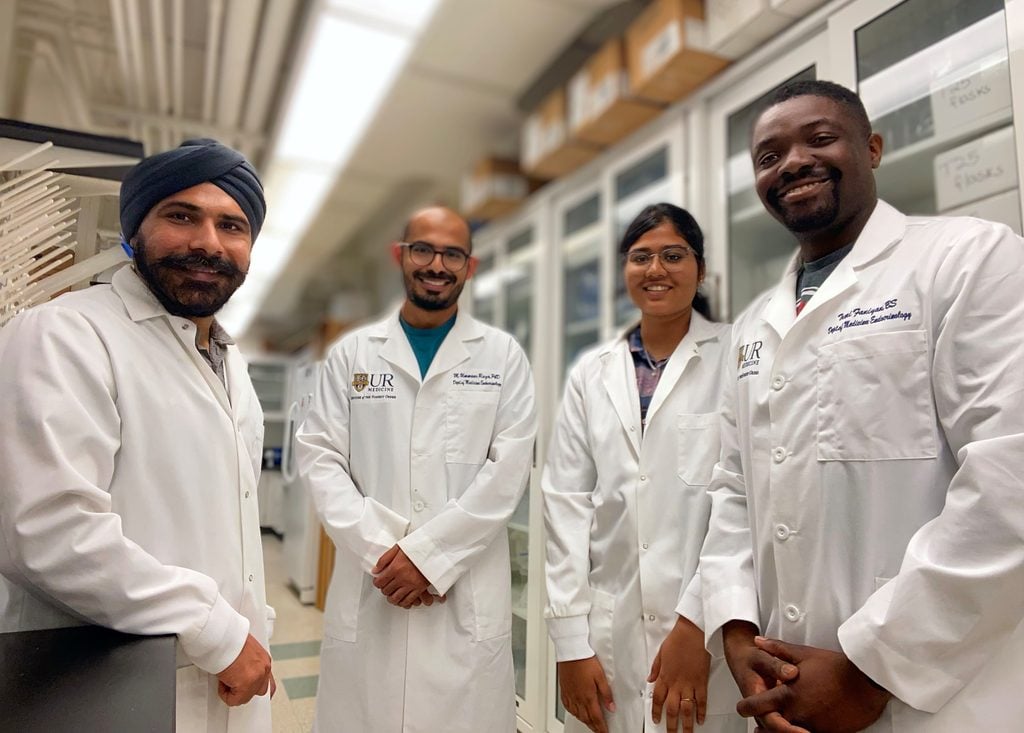
"We assume a real PI handles it internally," Chhabra explained. This assumption can cost researchers years of productivity. The session highlighted the importance of utilizing institutional resources, such as the University Ombuds office, which provides confidential and informal environments for faculty to discuss management challenges. Building a relationship with department leadership before a crisis occurs is now a key recommendation for new faculty members.
Broader Implications for the Future of Research
The insights shared by Dr. Chhabra and the ENDO 2026 panel suggest a necessary evolution in how scientific institutions train their workforce. Historically, PhD programs have focused almost exclusively on technical proficiency and data analysis. However, the high rate of burnout and the "leaky pipeline" in academia suggest that leadership training is just as vital as laboratory training.
By reframing failure as a data point in a larger leadership experiment, Chhabra argues that researchers can iterate on their management styles with the same objectivity they apply to their experiments. The takeaway for the next generation of researchers is clear: clarity and accountability are the truest forms of kindness in a professional setting. As the Endocrine Society continues to foster these conversations, the goal is to move toward a culture where "lab mojo" is maintained not by the absence of failure, but by the efficiency with which researchers learn from it.
The broader impact of this shift could lead to more sustainable research environments, higher retention of early-career faculty, and ultimately, a more robust pace of scientific discovery. As Chhabra concluded, the most important experiment in a scientist’s career may not be found in a lab notebook, but in the way they lead their team through the inevitable challenges of the unknown.