










The Biological Mechanism: Why Protein and Low Carbohydrates Prevail
The efficacy of a high-protein, low-carbohydrate approach is rooted in two primary physiological phenomena: the Thermic Effect of Food (TEF) and the satiety index. Research indicates that protein possesses a significantly higher TEF compared to fats and carbohydrates. While the body utilizes approximately 5% to 10% of the energy from carbohydrates and 0% to 3% from fats for digestion, it requires between 20% and 30% of the energy consumed from protein to process the nutrient. This metabolic "tax" means that a higher percentage of protein calories are burned during thermogenesis rather than stored as adipose tissue.
Furthermore, protein’s impact on satiety is well-documented in clinical literature. High-protein intake modulates the secretion of hunger hormones, specifically suppressing ghrelin while stimulating the production of peptide YY (PYY) and glucagon-like peptide-1 (GLP-1). This hormonal shift results in a prolonged feeling of fullness, reducing the likelihood of caloric surplus through incidental snacking. When combined with a low-carbohydrate intake, which stabilizes insulin levels and encourages the body to utilize stored fat for fuel, this dietary profile becomes a potent tool for body recomposition.
A Chronology of Dietary Standards
The evolution of protein recommendations reflects a shift from preventing deficiency to optimizing performance. The Recommended Dietary Allowance (RDA) has long stood at 0.8 grams of protein per kilogram of body weight. However, modern sports science and geriatric nutrition suggest this baseline is insufficient for active individuals or those seeking to preserve lean mass during aging. Current evidence-based guidelines for athletes and those on weight-loss regimens typically range from 1.76 to 2.75 grams per kilogram (approximately 0.8 to 1.25 grams per pound) of body weight.

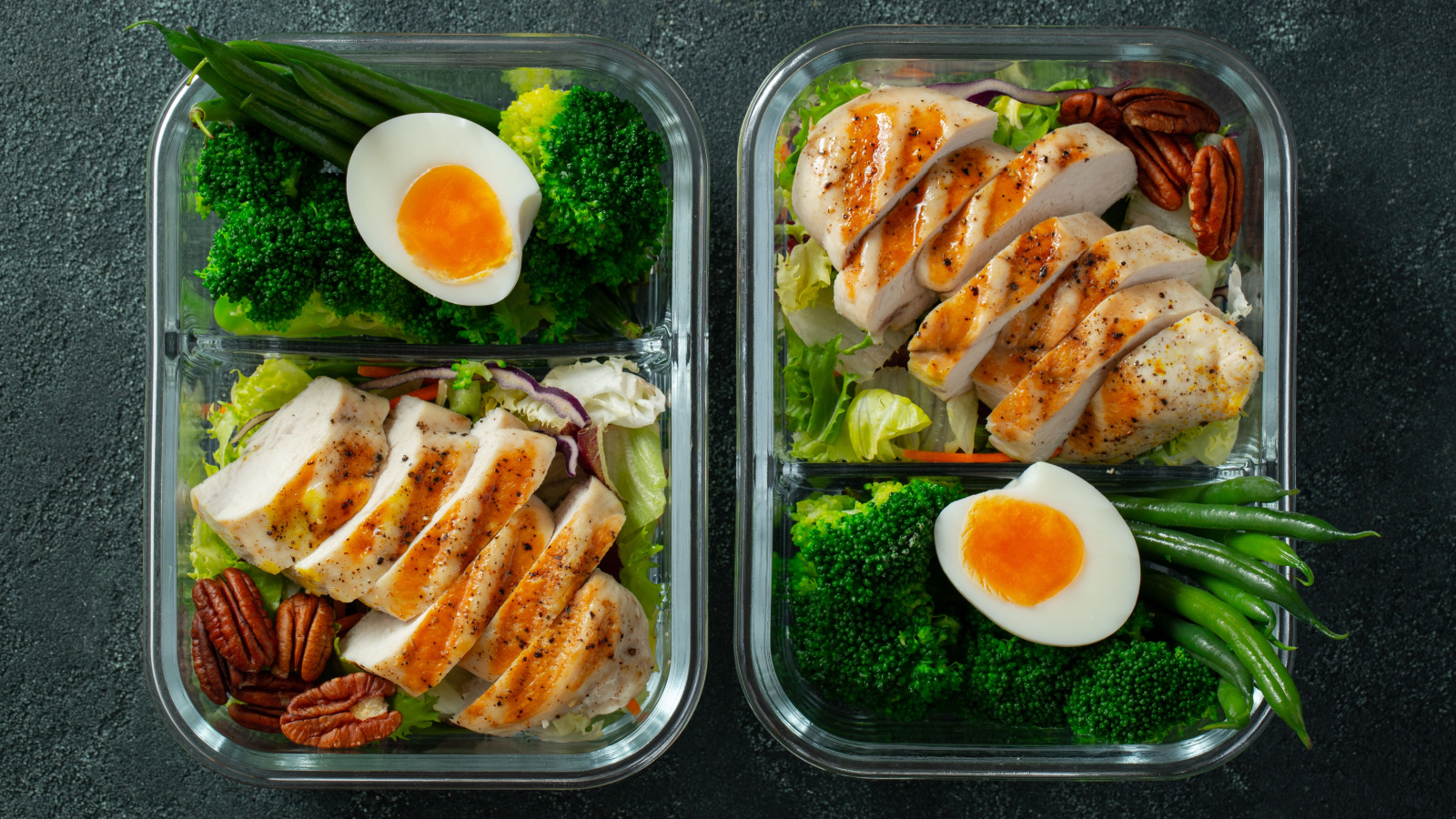
As the understanding of "protein quality"—measured by the presence of essential amino acids and bioavailability—has improved, nutritionists have moved away from monolithic "chicken and broccoli" diets. The focus has shifted toward a diversified "protein portfolio" that accounts for micronutrient density and lipid profiles.
The Definitive List: 20 High-Protein, Low-Carb Essentials
To achieve a sustainable and effective diet, practitioners recommend rotating through various protein sources. The following selections are categorized by their nutritional profile and culinary utility.

Avian and Whole Egg Sources
- Whole Eggs: Often cited as the "gold standard" for protein quality, whole eggs provide a complete amino acid profile alongside healthy fats and choline. Their versatility in omelets and frittatas makes them a foundational breakfast staple.
- Egg Whites: For those requiring a higher protein-to-calorie ratio, liquid egg whites offer a pure protein source without the lipid content of the yolk. They are frequently used to add volume to oats or smoothies without significantly altering flavor.
- Chicken Breast: A quintessential lean protein, the chicken breast is prized for its low fat content and high bioavailability. It serves as a neutral canvas for various global cuisines.
- Chicken Thighs: Offering a more robust flavor profile and a moderate fat content, thighs provide essential minerals like iron and zinc that are less prevalent in white meat.
Marine Proteins and Essential Fatty Acids
- Salmon: Beyond its protein content, salmon is a critical source of Omega-3 fatty acids (EPA and DHA), which are associated with reduced systemic inflammation and improved cardiovascular health.
- Sardines: These small, nutrient-dense fish are a powerhouse of calcium and Vitamin D. Their long shelf-life in canned form makes them a convenient option for maintaining high-protein intake during travel.
- Tuna: Whether fresh or canned in water, tuna is one of the leanest fish options available, providing a high concentration of protein with negligible carbohydrate or fat content.
- Shrimp: Shrimp is an ideal choice for weight management due to its low caloric density. It allows for high-volume consumption, which can satisfy psychological hunger during restrictive phases.
Bovine and Porcine Selections
- Sirloin Steak: A leaner cut of red meat, sirloin provides high levels of Vitamin B12 and creatine, which are essential for energy metabolism and muscular power.
- Strip Steak: Similar to sirloin, strip steak offers a balance of tenderness and lean protein, suitable for grilling or pan-searing.
- Ribeye Steak: While higher in fat and calories due to intramuscular marbling, ribeye is an excellent source of fat-soluble vitamins and is often utilized in ketogenic or high-fat/low-carb protocols.
- Lean Ground Beef (95% Lean): This versatile ingredient allows for the creation of hamburgers, meatballs, and sauces while keeping saturated fat intake within recommended limits.
- Beef Liver: Historically a staple of bodybuilding diets, liver is one of the most nutrient-dense foods on the planet, containing high concentrations of Vitamin A, riboflavin, and copper.
- Pork Chops: When trimmed of fat, pork chops are comparable to chicken breast in leanness but offer a different micronutrient profile, including thiamine.
- Pork Shoulder: Ideal for slow-cooking, this cut provides a moderate fat content and is a primary source of protein in many traditional barbecue cultures.
- Ham: Cured ham offers a lean, convenient protein source, though consumers are advised to monitor sodium levels often associated with preservation processes.
Dairy and Supplementation
- Cottage Cheese: Comprising slow-digesting casein protein, cottage cheese is an excellent pre-sleep snack to facilitate overnight muscle protein synthesis.
- Greek Yogurt: Through the straining process, Greek yogurt removes excess whey and lactose, resulting in a product that is higher in protein and lower in sugar than standard yogurt.
- Whey Protein Powder: As a fast-digesting supplement, whey is optimal for post-workout recovery when the body requires a rapid influx of amino acids to initiate repair.
- Casein Protein Powder: Often referred to as a "time-release" protein, casein forms a gel in the stomach, providing a steady stream of amino acids over several hours.
Expert Perspectives on Bioavailability and Timing
Registered dietitians often highlight the "Leucine Threshold" when discussing protein intake. Leucine, a branched-chain amino acid found in high concentrations in dairy and meat, is the primary trigger for Muscle Protein Synthesis (MPS). To maximize the benefit of the foods listed above, experts suggest distributing protein intake evenly throughout the day—roughly 30 to 50 grams per meal—rather than consuming the majority in a single sitting.
Official responses from nutritional organizations, such as the Academy of Nutrition and Dietetics, emphasize that while high-protein diets are effective, they should be accompanied by adequate hydration. The kidneys process the nitrogenous waste products of protein metabolism, making water intake a critical component of a high-protein lifestyle.
Practical Application: A 24-Hour Nutritional Blueprint
To illustrate the integration of these foods, consider a 200-pound athlete requiring approximately 3,500 calories with a focus on high protein (250g) and moderate-to-low fats.

- Breakfast: A combination of whole eggs and egg whites scrambled with vegetables, paired with a high-carb source like oats to fuel morning activity. (50g protein)
- Mid-Morning Snack: Greek yogurt topped with a small portion of nuts or seeds. (45g protein)
- Lunch: Lean ground beef or sirloin prepared with rice and fibrous greens. (65g protein)
- Afternoon Snack: A whey protein shake, perhaps blended with a small amount of fruit. (34g protein)
- Dinner: Grilled salmon or chicken breast with a substantial serving of complex carbohydrates and vegetables. (67g protein)
This distribution ensures that the body remains in an anabolic state (building/repairing) rather than a catabolic state (breaking down) throughout the day.
Broader Impact and Implications for Public Health
The shift toward high-protein, low-carb dietary patterns has implications beyond the athletic community. As the global population ages, the prevention of sarcopenia—the age-related loss of muscle mass—has become a public health priority. Diets rich in high-quality proteins are the primary nutritional intervention to maintain functional independence in the elderly.
Furthermore, the rise of metabolic syndrome and Type 2 diabetes has led many clinicians to prescribe low-carbohydrate, high-protein diets to improve glycemic control. By reducing the reliance on insulin-stimulating carbohydrates and increasing the intake of satiating proteins, patients often see a marked improvement in blood glucose markers and weight reduction.
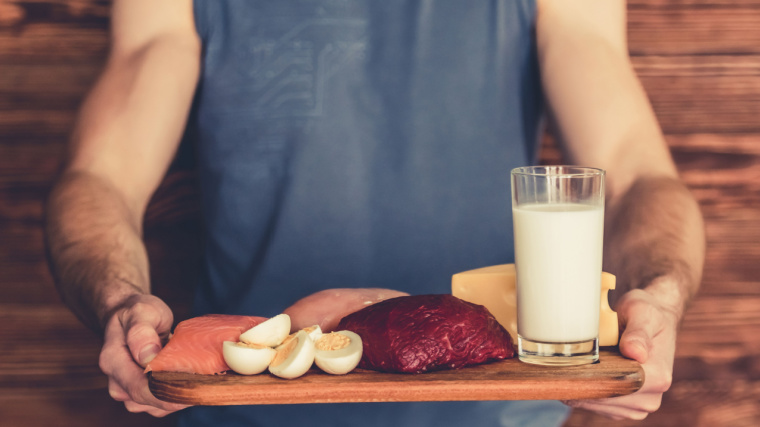
In conclusion, the transition to a high-protein, low-carbohydrate diet does not necessitate a monotonous or restrictive lifestyle. By leveraging the nutritional diversity of the 20 foods identified, individuals can construct a diet that is metabolically advantageous, scientifically sound, and culinarily satisfying. Success in any nutritional endeavor is found at the intersection of biological efficacy and daily enjoyability.