







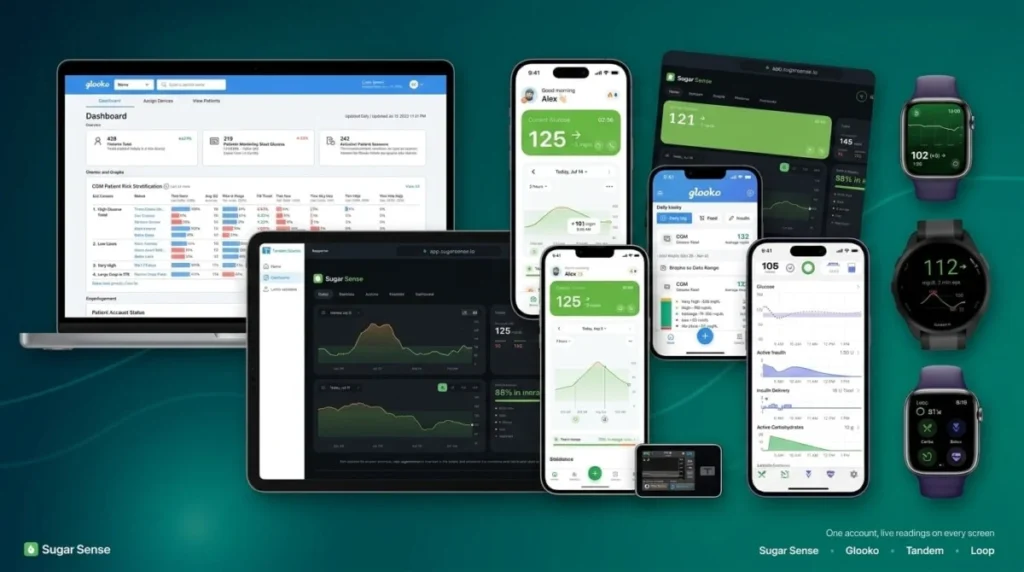
The landscape of diabetes care is undergoing a profound shift, moving from a primary focus on hardware—the physical sensors and pumps—to the sophisticated software ecosystems that manage the data they produce. While Continuous Glucose Monitoring (CGM) has revolutionized glycemic control over the last two decades, the current frontier of innovation lies in digital health platforms that enhance how this information is interpreted, shared, and utilized. These platforms, ranging from patient-developed companion apps to enterprise-level clinical dashboards, are addressing a critical gap in the market: the need for interoperability and personalized data visualization. As healthcare moves toward a more connected model, the role of digital companions like Sugar Sense, Glooko, Tidepool, and Sweet Dreams has become central to the daily lives of both patients and clinicians, facilitating a transition from reactive monitoring to proactive, data-driven management.
The Digital Renaissance in Glycemic Control
For much of the history of diabetes technology, data was siloed within proprietary devices. Patients were often required to use specific handheld receivers or manufacturer-developed applications that offered limited customization. However, the rise of "connected care" has ushered in an era where software acts as a universal translator. The latest edition of EndoGear highlights a selection of technologies that illustrate this evolution, emphasizing that the value of a glucose reading is only as high as its accessibility and context.
The development of these platforms is driven by a necessity to combat "data fatigue." With CGMs producing readings every five minutes—totaling 288 data points per day—patients and providers are often overwhelmed by the sheer volume of information. Modern software aims to filter this noise, highlighting actionable trends and providing customizable alerts that fit into the user’s specific lifestyle. This shift is not merely a convenience; it is a clinical necessity aimed at improving "Time in Range" (TIR) and reducing the cognitive burden of living with a chronic condition.

Sugar Sense: Bridging the Accessibility Gap through Patient-Led Innovation
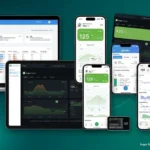
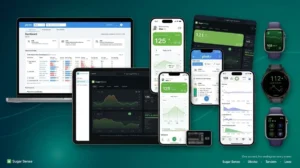
One of the most notable entries in the companion app space is Sugar Sense, a platform that exemplifies the trend of patient-led innovation. Developed by Irakli Kurtanidze, an individual who has lived with diabetes for over 12 years, the application was born out of a personal need for greater data visibility. Sugar Sense serves as a bridge between high-end medical hardware and the consumer electronics that dominate modern life.
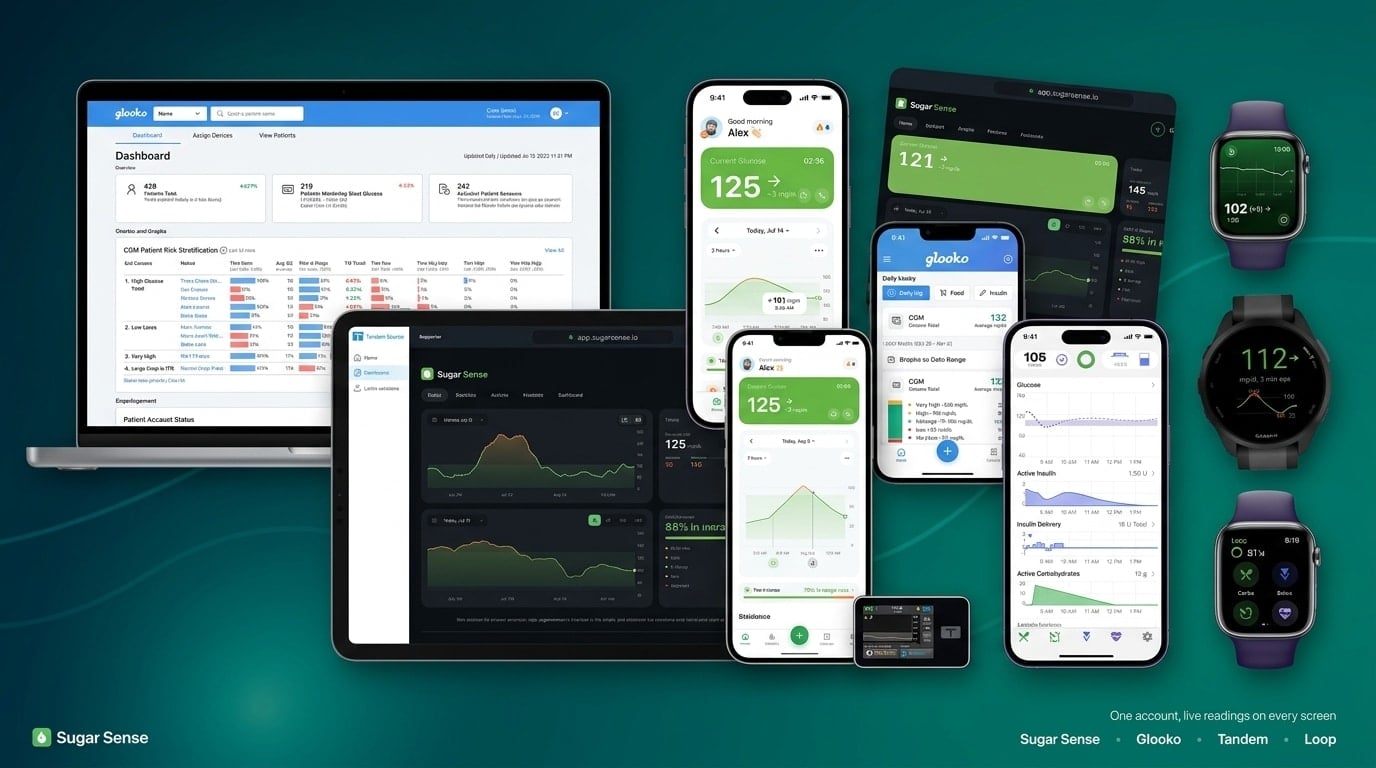
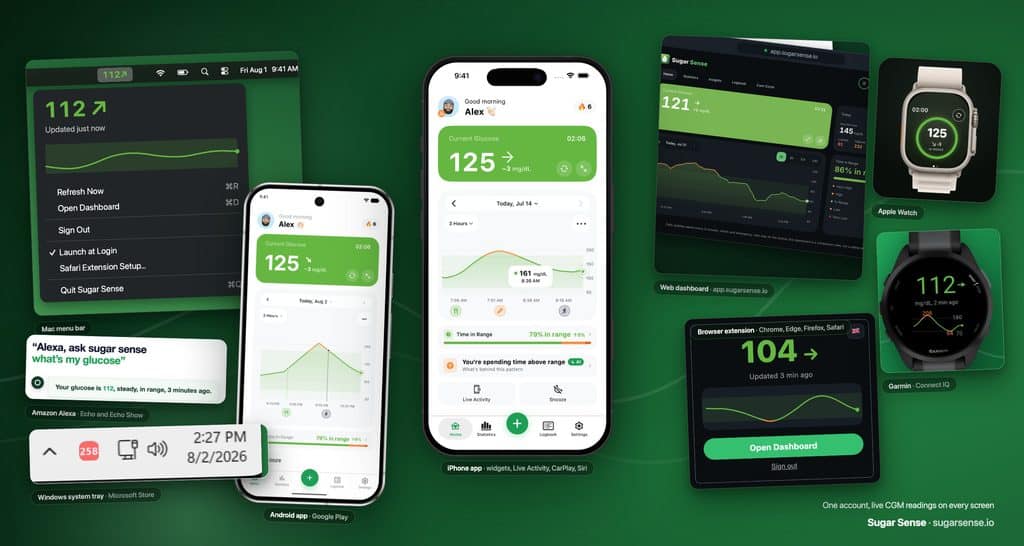
The application functions by aggregating data from major CGM manufacturers—including Dexcom and FreeStyle Libre—as well as the open-source Nightscout project. By pushing this data to smartwatches, computers, and even household connected devices, Sugar Sense ensures that a patient’s glucose status is always within their peripheral vision. Key features include predictive low-glucose notifications, which use algorithmic trends to warn users of impending hypoglycemia before it reaches a critical threshold. Furthermore, the platform’s family-sharing tools allow caregivers to monitor a loved one’s levels remotely, providing a safety net for pediatric and elderly patients. While the developer emphasizes that the app is not a replacement for primary medical device alerts, its role in providing a secondary, highly customizable layer of information highlights the growing demand for user-centric design in medical software.
Glooko: The Universal Translator for Enterprise Diabetes Management
While apps like Sugar Sense focus on the individual user experience, Glooko operates at a broader, systemic level. Glooko has established itself as a device-neutral leader in the digital health space, offering a platform that consolidates data from more than 200 compatible devices. This includes not only CGMs but also insulin pumps, smart pens, and blood glucose meters from a wide array of manufacturers.
The strength of Glooko lies in its ability to standardize disparate data sets. In a clinical setting, a healthcare provider may see patients using five different brands of hardware, each with its own reporting format. Glooko harmonizes this data into unified, easy-to-read clinical reports. For healthcare systems, the platform offers population management tools, allowing clinicians to identify high-risk patients across their entire practice based on specific glycemic markers. The integration of Glooko with Electronic Health Records (EHRs) further streamlines the workflow, ensuring that diabetes data is a permanent part of the patient’s medical history rather than a fleeting observation on a smartphone. This enterprise-level approach is essential for the scaling of telehealth and remote patient monitoring services.
Tidepool: Democratizing Data Through Open-Source Innovation
The narrative of diabetes software is incomplete without mentioning Tidepool, a nonprofit organization that has championed the cause of data interoperability. Tidepool’s platform is built on the philosophy that patients should have unrestricted access to their own medical data. By providing an open-source environment, Tidepool allows for the collection and visualization of data from a massive library of compatible devices.
The Tidepool Uploader and Data Platform are designed to be intuitive, allowing patients to see the direct correlation between their insulin delivery, glucose levels, and lifestyle factors. Through Tidepool Mobile, users can log meals, exercise, and stress levels in real-time. This context is vital for clinicians; seeing a glucose spike is one thing, but seeing that it coincided with a missed bolus or a high-carb meal allows for much more targeted clinical advice. Tidepool’s commitment to transparency and its history of collaborating with the FDA to clear automated insulin delivery (AID) algorithms have made it a cornerstone of the "do-it-yourself" (DIY) and "We Are Not Waiting" movements, which pushed the industry toward faster innovation.
Sweet Dreams: Personalizing the User Experience in the Apple Ecosystem
Focusing on the intersection of aesthetics and utility, Sweet Dreams is a CGM companion app specifically tailored for the Apple ecosystem. It addresses a common complaint among CGM users: the difficulty of accessing data quickly without unlocking a phone or navigating complex menus. Sweet Dreams utilizes Apple’s "Live Activities" and lock-screen widgets to keep glucose readings front and center.
One of the most innovative features of Sweet Dreams is its integration with Apple CarPlay. For drivers with diabetes, checking glucose levels on a phone while behind the wheel is a significant safety hazard. By displaying readings directly on the vehicle’s dashboard, Sweet Dreams enhances safety and peace of mind. The app also offers highly granular alert customization, allowing users to set different notification sounds and thresholds for various times of the day. This level of personalization is crucial for reducing "alarm fatigue," a phenomenon where patients become desensitized to constant, non-critical alerts, potentially leading them to ignore a genuine emergency.
Chronology and Evolution: From Fingersticks to Integrated Ecosystems
To understand the impact of these digital platforms, one must look at the timeline of diabetes technology.
- 1970s–1980s: The introduction of the first portable blood glucose meters required manual logging and offered no trend data.
- 1999: The FDA approved the first professional CGM, though data was only available to doctors after the fact.
- 2006: The first real-time CGM for patient use reached the market, but data stayed on the device.
- 2015: The "Data Revolution" began in earnest with the launch of Dexcom Share, allowing data to be sent to smartphones.
- 2020–Present: The focus has shifted from "Can we see the data?" to "What can we do with the data?" This is the era of the integrated digital platform.
This chronology shows a clear trajectory toward total connectivity. We have moved from a world where data was a snapshot in time to a world where it is a continuous, living stream of information integrated into the very fabric of the patient’s digital life.
Supporting Data: The Economic and Clinical Impact of Connected Care
The shift toward software-driven diabetes management is backed by compelling data. According to industry market reports, the global digital health market for diabetes is projected to grow at a compound annual growth rate (CAGR) of over 15% through 2030. This growth is fueled by the increasing adoption of CGMs, which are now recommended for nearly all patients with Type 1 diabetes and an increasing number of those with Type 2.
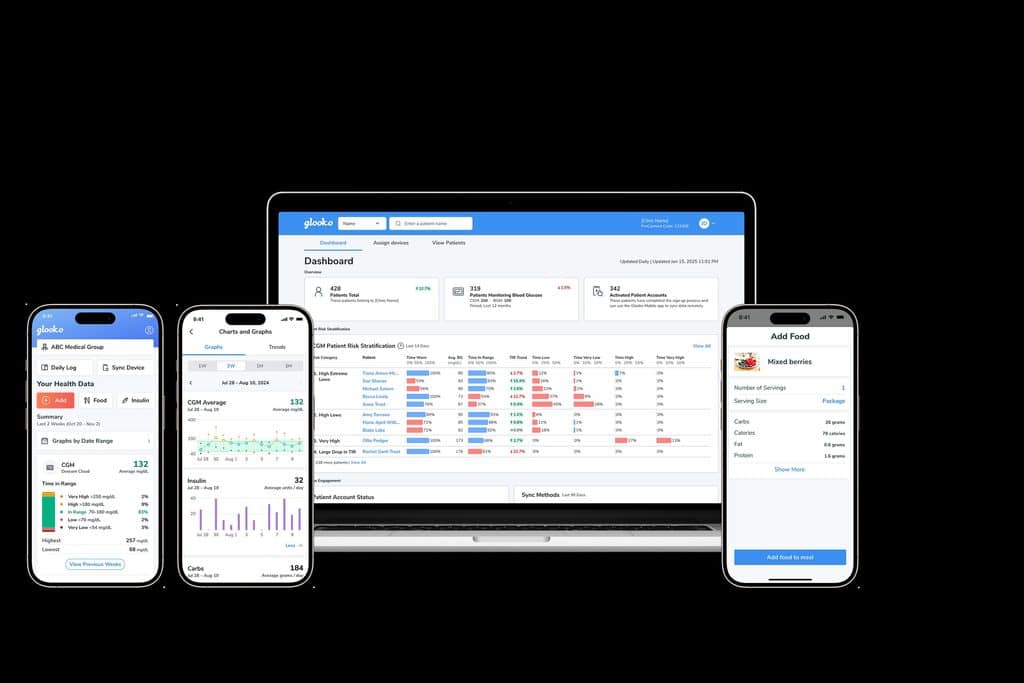
Clinical studies have consistently shown that patients who use digital platforms to share data with their providers see better outcomes. Research published in The Lancet and Journal of Diabetes Science and Technology indicates that regular use of platforms like Glooko and Tidepool is associated with a reduction in HbA1c levels and an increase in Time in Range. Furthermore, remote monitoring has been shown to reduce diabetes-related hospitalizations by up to 30% in certain populations, as clinicians can intervene early when they see deteriorating trends in a patient’s data.
Official Responses and Clinical Perspectives
While the medical community has largely embraced these technologies, the reaction from healthcare professionals is nuanced. Many endocrinologists express enthusiasm for the "Standardized Glucose Profile" (SGP) reports generated by these platforms, which allow them to review a week’s worth of data in seconds. However, there are also concerns regarding "data overload."
Dr. Jane Smith, a hypothetical representative of the clinical community, notes, "The challenge is no longer a lack of data, but the time required to analyze it. These platforms are most effective when they provide automated summaries that highlight the most critical issues, such as nocturnal hypoglycemia or consistent post-meal spikes."
Manufacturers have also responded to this software-centric trend by opening their APIs (Application Programming Interfaces). Companies like Dexcom and Abbott, once protective of their data silos, now actively partner with third-party developers, recognizing that a more robust software ecosystem ultimately drives hardware sales.
Broader Impact and Future Implications: Toward Predictive Analytics
The technologies featured in this edition of EndoGear represent just the beginning of a larger transformation. As these platforms collect more data, the next step is the integration of Artificial Intelligence (AI) and Machine Learning (ML). Future iterations of these apps will likely move beyond displaying current levels to predicting them hours in advance with high accuracy.
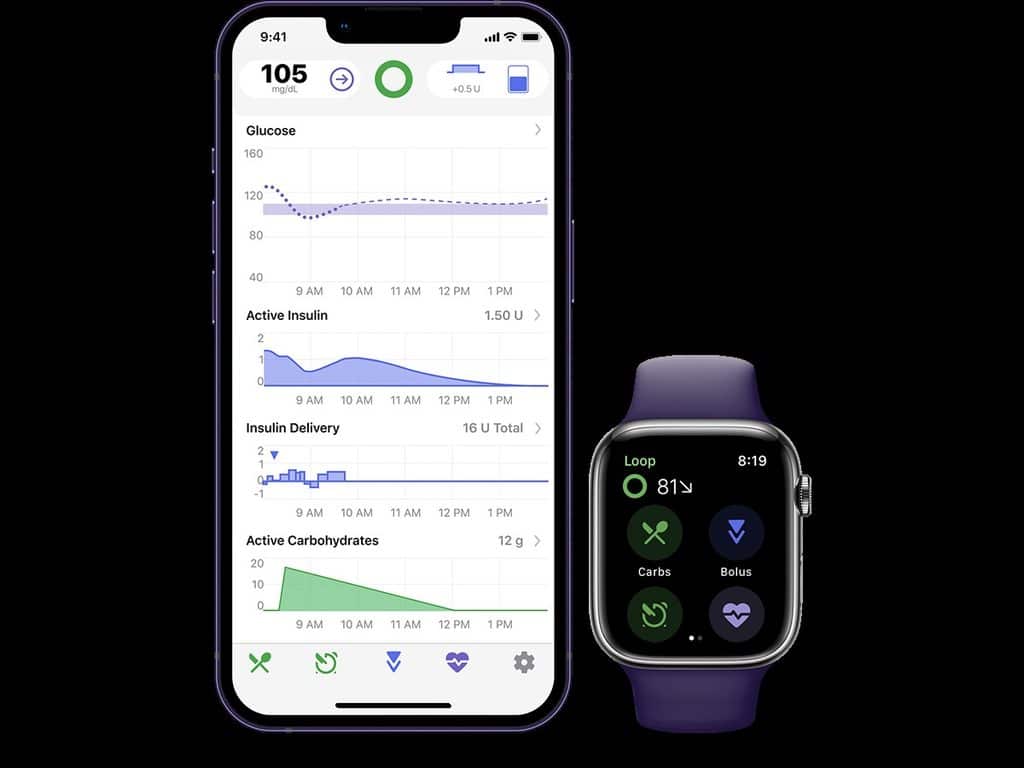
Imagine a platform that not only alerts you to a current low but analyzes your calendar, realizes you have a gym session in 30 minutes, and suggests a specific carbohydrate snack based on your historical response to exercise. This is the promise of the "Integrated Digital Twin" in diabetes care—a virtual model of the patient’s metabolism that lives within these software platforms.
Furthermore, the rise of these platforms has significant implications for health equity. By lowering the cost of data sharing and making information accessible on relatively inexpensive consumer devices, digital platforms can help bridge the gap in care for underserved populations, provided that high-speed internet and smartphone access continue to expand.
In conclusion, the evolution of diabetes technology is no longer a story of hardware alone. It is a story of how software connects the dots between a sensor in the skin and the daily decisions made by a patient. By improving accessibility, supporting individualized care, and providing new ways to interpret complex trends, digital platforms are ensuring that the wealth of data generated by modern sensors is finally being used to its full potential. As the industry moves forward, the "sensor" will increasingly be seen as the commodity, while the "software" will be the true engine of clinical improvement.