








The global dietary supplement industry has witnessed a meteoric rise over the last decade, with the pre-workout segment emerging as one of its most lucrative and culturally significant pillars. Valued at approximately $15.59 billion in 2022 and projected to grow at a compound annual growth rate (CAGR) of 8.6% through 2030, these products have transitioned from niche bodybuilding staples to mainstream consumer goods. Pre-workout supplements are multi-ingredient dietary formulas designed to increase energy, improve focus, and enhance physical performance during exercise. While their popularity is undeniable, the complexity of their chemical compositions and the lack of stringent regulatory oversight have prompted a growing need for clinical scrutiny and consumer education.
The Historical Evolution of Performance Supplementation
The chronology of pre-workout aids begins long before the advent of modern neon-colored powders. In the early 20th century, athletes relied primarily on simple stimulants like coffee or rudimentary concoctions of sugar and caffeine. The 1980s marked a turning point with the introduction of "Ultimate Orange," developed by Dan Duchaine, which is often cited as the first true pre-workout powder. This era was characterized by the use of potent stimulants, including ephedrine, which provided significant energy boosts but carried substantial cardiovascular risks.

The regulatory landscape shifted dramatically in 2004 when the U.S. Food and Drug Administration (FDA) banned the sale of dietary supplements containing ephedrine alkaloids due to safety concerns. This forced manufacturers to innovate, leading to the "Jack3d era" of the late 2000s, which utilized 1,3-dimethylamylamine (DMAA). However, by 2012, the FDA began issuing warning letters to companies using DMAA, citing its potential to raise blood pressure and cause cardiovascular events. Today, the industry has pivoted toward more scientifically backed, though still highly potent, ingredients such as nitric oxide boosters, amino acids, and high-dose caffeine anhydrous, often marketed with a focus on "transparency" and "clean" labels.

Physiological Mechanisms and Performance Benefits
Modern pre-workout formulas function through three primary physiological pathways: central nervous system (CNS) stimulation, peripheral vasodilation, and intracellular buffering. The efficacy of these products is largely dependent on the synergy of their active compounds.
Cognitive Enhancement and Focus
The primary driver of the "pre-workout effect" is the stimulation of the CNS. Caffeine, the most common ingredient, acts as an adenosine receptor antagonist. By blocking adenosine—a neurotransmitter that signals fatigue—caffeine increases the firing of neurons and the release of dopamine and norepinephrine. Research published in the Journal of the International Society of Sports Nutrition indicates that caffeine can improve focus, alertness, and mood, which translates to higher training intensity and better adherence to complex technical movements.

Furthermore, the inclusion of nootropics like L-Tyrosine and L-Theanine has become a standard practice. L-Tyrosine serves as a precursor to dopamine, particularly under stressful conditions such as high-intensity interval training (HIIT). L-Theanine, an amino acid found in green tea, is often paired with caffeine to "smooth out" the stimulant’s jittery side effects, promoting a state of "calm focus" that allows athletes to maintain a mind-muscle connection without the anxiety associated with high-stimulant intake.
Ergonogenic Strength and Power
Beyond mental acuity, pre-workouts aim to alter the physical capacity of muscle tissue. Creatine monohydrate, perhaps the most researched supplement in history, is frequently included to bolster phosphocreatine stores, which are essential for ATP (adenosine triphosphate) production during short bursts of high-intensity activity.
Beta-alanine, another staple, serves as a precursor to carnosine, a dipeptide that buffers hydrogen ions in muscle cells. During intense exercise, the accumulation of these ions leads to a drop in pH, causing the "burn" that eventually results in muscular failure. By increasing carnosine levels, beta-alanine allows athletes to perform more repetitions before reaching exhaustion, a benefit particularly noted in activities lasting between 60 and 240 seconds.

The "Pump" and Vasodilation
The "pump"—a colloquial term for exercise-induced hyperaemia—is facilitated by ingredients like L-Citrulline. Unlike L-Arginine, which has poor oral bioavailability, L-Citrulline is efficiently converted by the kidneys into arginine, which then stimulates nitric oxide (NO) production. Increased NO levels relax the inner muscles of the blood vessels, causing them to widen. This vasodilation enhances blood flow, delivering oxygen and nutrients to working muscles more efficiently while aiding in the removal of metabolic waste products like ammonia.
Analyzing the Risks: Proprietary Blends and Stimulant Overload
Despite the documented benefits, the pre-workout industry faces significant criticism regarding labeling transparency and safety. A primary concern is the use of "proprietary blends." This labeling practice allows manufacturers to list a collection of ingredients under a single dosage weight without disclosing the specific amount of each component.
Medical professionals and sports nutritionists have expressed concern that proprietary blends can be used to "label dress"—including a high-profile ingredient in a negligible, non-effective dose while filling the remainder of the blend with cheap stimulants or fillers. This lack of transparency makes it difficult for consumers to assess whether they are consuming a safe or effective amount of any given substance.

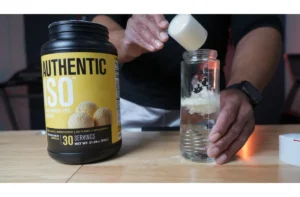
Furthermore, the trend toward "high-stim" products has pushed caffeine dosages to extreme levels. While a standard cup of coffee contains roughly 95mg of caffeine, some pre-workout servings contain upwards of 400mg—the maximum daily intake recommended by the FDA for healthy adults. When combined with other stimulants like Synephrine (bitter orange extract) or Yohimbine, the risk of tachycardia, hypertension, and sleep disturbances increases significantly. The "dry scooping" trend—consuming the powder without water—has further exacerbated these risks, leading to reported cases of inhalation pneumonia and cardiac distress among younger users.
Industry Data and Consumer Demographics
Market analysis reveals that the consumer base for pre-workout supplements has diversified. Once the exclusive domain of competitive bodybuilders, these products are now consumed by endurance runners, CrossFit practitioners, and "weekend warriors."
- Market Share: North America currently holds the largest market share (over 35%), driven by a robust fitness culture and a high concentration of supplement manufacturers.
- Formulation Trends: There is a growing shift toward "Stim-Free" (stimulant-free) pre-workouts. These formulas focus exclusively on blood flow and muscular endurance, catering to late-night trainers and those sensitive to caffeine.
- Regulatory Responses: In response to safety concerns, third-party testing organizations such as NSF International and Informed Choice have seen a surge in demand. These organizations verify that products contain what is listed on the label and are free from substances banned by the World Anti-Doping Agency (WADA).
Official Guidance and Professional Recommendations
Health authorities and clinical experts suggest a pragmatic approach to pre-workout supplementation. Dr. Eric Helms, a noted researcher in sports nutrition, emphasizes that supplements should be the "tip of the pyramid," with the foundation being built on proper sleep, hydration, and a balanced diet.

The official stance of the Academy of Nutrition and Dietetics suggests that while certain ingredients like caffeine and creatine have proven ergogenic effects, they are not a substitute for a well-timed pre-exercise meal. For those choosing to use these products, experts recommend the following:
- Tolerance Assessment: Always start with a half-serving to gauge the body’s reaction to stimulants.
- Timing: Consume the supplement 30 to 60 minutes before training to allow for peak plasma concentration of active ingredients.
- Cycling: Periodically cease use for 2–4 weeks to prevent the buildup of a caffeine tolerance, which can lead to adrenal fatigue and diminished returns.
Future Implications and Broader Impact
As the fitness industry moves toward "Biohacking" and personalized nutrition, the future of pre-workout supplements likely lies in customization. We are seeing the emergence of DNA-based supplementation, where formulas are tailored to an individual’s caffeine metabolism and genetic predisposition for muscle recovery.
However, the broader impact of pre-workout culture on public health remains a topic of debate. While these supplements can provide the necessary impetus for a sedentary individual to begin an exercise regimen, the psychological reliance on a "scoop" to perform can be counterproductive. The normalization of high-dosage stimulant use among teenagers is a particularly pressing concern for public health officials, who call for stricter age-gating and clearer warning labels.

In conclusion, pre-workout supplements represent a sophisticated intersection of sports science and consumer marketing. When utilized correctly and sourced from transparent, third-party-verified brands, they offer a tangible edge in athletic performance. Yet, the responsibility remains with the consumer to navigate a market where the line between "performance-enhancing" and "health-compromising" can often be blurred by aggressive marketing and vague labeling. The ongoing evolution of this industry will undoubtedly require a balance of innovation and increased regulatory oversight to ensure that the pursuit of fitness does not come at the cost of long-term health.