








A comprehensive investigation into the safety of the American food supply has revealed that nearly 40% of nonorganic fruits and vegetables grown in California contain detectable residues of pesticides categorized as perfluoroalkyl and polyfluoroalkyl substances, commonly known as PFAS or "forever chemicals." The report, published Wednesday by the Environmental Working Group (EWG), a non-profit health advocacy organization, highlights a significant and largely unregulated pathway for human exposure to toxic chemicals through the consumption of conventional produce.
California is the primary agricultural hub of the United States, producing nearly half of the country’s vegetables and more than three-quarters of its fruits and nuts. Because of the state’s dominant role in the domestic food supply, the presence of fluorinated pesticides in California-grown crops has profound implications for public health across the entire nation. The EWG study analyzed data from the U.S. Department of Agriculture (USDA) and found that these chemicals, designed for their extreme stability and toxicity to pests, are increasingly finding their way into the human diet.
Understanding the "Forever Chemical" Connection
PFAS are a class of nearly 15,000 synthetic chemicals characterized by the strongest bond in organic chemistry: the carbon-fluorine bond. This molecular structure ensures that the chemicals do not break down easily in the environment or the human body. Instead, they persist for years, decades, or even centuries, leading to the "forever chemical" moniker.

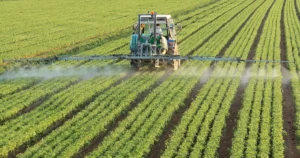
In the context of agriculture, PFAS are often used as the "active ingredient" in pesticides. Manufacturers incorporate fluorine into the chemical structure of pesticides to increase their stability, enhance their ability to penetrate plant tissues, and ensure they remain effective for longer periods under varying environmental conditions. However, the same properties that make these chemicals effective at killing insects, fungi, and weeds also make them a significant risk to human health and the ecosystem.
Bernadette Del Chiaro, senior vice president for California operations at the EWG, emphasized the gravity of the findings. "The PFAS pesticide is the active ingredient in these products because it’s effective at killing things—which is the very reason why it’s so concerning to public health and the environment at large," Del Chiaro stated. She noted that while the primary focus of PFAS regulation has historically been on drinking water and industrial runoff, the direct application of these chemicals to food crops represents a critical oversight in current regulatory frameworks.
Data Breakdown: The Scope of Contamination
The EWG investigation utilized testing data from the USDA’s Pesticide Data Program, focusing on produce grown in California between 2016 and 2021. The researchers identified several dozen pesticides that meet the definition of PFAS due to their fluorinated structures.
The findings indicate a stark contrast between organic and nonorganic farming practices. While nearly 40% of nonorganic produce samples tested positive for PFAS-linked pesticides, organic samples showed virtually zero contamination from these specific substances. This is largely because USDA organic standards prohibit the use of most synthetic pesticides, including those containing fluorinated compounds.
Among the most frequently contaminated crops were peaches, plums, and citrus fruits. In some instances, a single piece of fruit contained residues of multiple different PFAS pesticides. The study also highlighted that because these chemicals are often "systemic"—meaning they are absorbed by the plant and distributed throughout its tissues—they cannot simply be washed off by consumers before eating.
The Evolution of PFAS Awareness: A Chronology
The discovery of PFAS in the food supply is the latest chapter in a decades-long history of scientific discovery and regulatory struggle regarding these chemicals.
- 1940s-1950s: PFAS were first developed by major chemical corporations for use in non-stick cookware, waterproof fabrics, and firefighting foams.
- 1970s-1990s: Internal industry studies began to show that PFAS were toxic and bioaccumulative, though this information was not initially made public.
- Early 2000s: Public awareness grew following high-profile lawsuits regarding water contamination in West Virginia and Ohio. The EPA began phasing out two of the most notorious PFAS: PFOA and PFOS.
- 2010s: Scientific research expanded, linking PFAS exposure to a wide range of health issues, including cancer, thyroid disease, and immune system suppression.
- 2020-2023: Several states, including Maine and Minnesota, began passing legislation to ban PFAS in consumer products and certain agricultural applications. The EPA introduced the first-ever national drinking water standards for six types of PFAS.
- 2024: The EWG report on California produce brings the focus to the agricultural sector, suggesting that food may be a major, yet under-regulated, source of exposure.
Regulatory Gaps and Industry Responses
The regulation of pesticides in the United States is primarily handled by the Environmental Protection Agency (EPA) under the Federal Insecticide, Fungicide, and Rodenticide Act (FIFRA). However, critics argue that the EPA’s current assessment models do not adequately account for the "forever" nature of fluorinated pesticides or their potential to accumulate in human tissues over time.
While the EPA has moved aggressively to regulate PFAS in drinking water, it has been slower to address the use of PFAS as active ingredients in pesticides. Furthermore, there is growing concern regarding "inert" ingredients in pesticide formulations, which are not required to be listed on labels but may also contain PFAS compounds used as surfactants or stabilizers.
Agricultural industry groups and pesticide manufacturers have historically defended the use of fluorinated chemicals, arguing that they are essential for protecting crop yields and ensuring food security. Representatives from the pesticide industry often point out that these chemicals undergo rigorous testing before being approved for market use. However, health advocates counter that the testing protocols are outdated and fail to consider the cumulative "cocktail effect" of being exposed to multiple PFAS through water, air, and various food sources simultaneously.
Broader Implications for Public Health
The health implications of chronic, low-level exposure to PFAS through the diet are a subject of intense scientific scrutiny. Unlike many other toxins that the body can metabolize and excrete, PFAS tend to bind to proteins in the blood and can remain in the body for years.
Peer-reviewed studies have linked PFAS exposure to several serious health conditions:
- Cancer: Increased risks of kidney and testicular cancer.
- Endocrine Disruption: Interference with natural hormones, leading to thyroid disease and metabolic issues.
- Developmental Issues: Low birth weight, accelerated puberty, and behavioral changes in children.
- Immune System Suppression: Reduced vaccine effectiveness and increased susceptibility to infections.
- Liver Damage: Elevated liver enzymes and increased risk of non-alcoholic fatty liver disease.
The EWG report suggests that for millions of Americans, the daily consumption of California-grown produce is contributing to a steady "body burden" of these chemicals. Because California exports its produce globally, the findings also raise concerns for international food safety and trade.
Environmental and Economic Consequences
Beyond human health, the use of PFAS in agriculture has significant environmental repercussions. When these pesticides are sprayed onto fields, they do not stay localized. Rain and irrigation carry the chemicals into the soil and eventually into groundwater aquifers. From there, they can enter the broader food chain, affecting wildlife and contaminating water sources miles away from the original farm.
The economic impact of a potential shift away from PFAS pesticides could be substantial. California’s agricultural sector is a $50 billion-a-year industry. Transitioning to alternative pest management strategies would require significant investment in research and development. However, some economists argue that the long-term costs of PFAS contamination—including healthcare expenses and the astronomical cost of environmental remediation—far outweigh the short-term benefits of using these chemicals.
Future Outlook and Recommendations
The EWG report concludes with a call for urgent legislative and regulatory action. Recommendations include a total ban on the use of PFAS in pesticide formulations, increased transparency regarding "inert" ingredients, and more frequent testing of the food supply for a broader range of fluorinated compounds.
In California, state legislators have already begun considering bills that would phase out PFAS in various sectors. The state’s "Green Chemistry" initiative and the Department of Pesticide Regulation (DPR) are under increasing pressure to align agricultural practices with the state’s broader environmental goals.
For consumers, the report reinforces the benefits of choosing organic produce when possible, as it remains the most effective way to avoid PFAS-linked pesticide residues. However, advocates emphasize that the burden of safety should not rest solely on the consumer.
"We need a food system that doesn’t require consumers to be toxicologists just to buy groceries," Del Chiaro said. "The presence of forever chemicals in nearly half of the nonorganic produce from the nation’s biggest agricultural state is a wake-up call that our current pesticide regulations are failing to protect the public."
As the scientific community continues to unravel the complexities of PFAS toxicity, the debate over their role in modern agriculture is expected to intensify, pitting public health advocacy against traditional industrial farming practices in a bid to secure a safer food future.