









The prioritization of dietary protein has transitioned from a niche concern of competitive athletes to a central pillar of mainstream metabolic health and weight management. Nutrition science increasingly identifies protein as the most critical macronutrient for body composition, largely due to its role in muscle protein synthesis, metabolic regulation, and appetite suppression. For individuals navigating the complexities of high-protein, low-carbohydrate (HPLC) diets, the challenge often lies not in the commitment to the regimen, but in the maintenance of dietary variety and micronutrient density. Registered dietitians emphasize that a successful HPLC strategy must move beyond the monotonous consumption of grilled chicken and broccoli, incorporating a diverse array of animal and plant-derived sources to ensure long-term adherence and physiological health.
The Evolution of High-Protein Nutritional Science
The modern emphasis on high-protein, low-carb intake is rooted in decades of shifting nutritional paradigms. In the late 20th century, public health guidelines predominantly focused on fat reduction, often leading to a compensatory increase in refined carbohydrate consumption. However, longitudinal data and clinical trials eventually highlighted the "protein leverage hypothesis," which suggests that human appetite is driven by a biological need to reach a specific protein threshold. Until that threshold is met, the body continues to signal hunger, often leading to the overconsumption of fats and carbohydrates.
Research published in the American Journal of Clinical Nutrition has consistently demonstrated that protein possesses a higher thermic effect of food (TEF) than other macronutrients. While carbohydrates and fats require relatively little energy to process, approximately 20% to 30% of the calories consumed from protein are burned during the digestion and absorption process. Furthermore, the satiety signaling triggered by protein—mediated through hormones such as cholecystokinin (CCK) and peptide YY (PYY)—makes it a superior tool for caloric control in weight-loss environments.

The Essential HPLC Food Inventory: A Comprehensive Breakdown
To optimize a high-protein, low-carb lifestyle, dietitians recommend a rotation of the following twenty foods, selected for their amino acid profiles, bioavailability, and minimal impact on blood glucose levels.
Avian and Poultry Sources
1. Chicken Breast
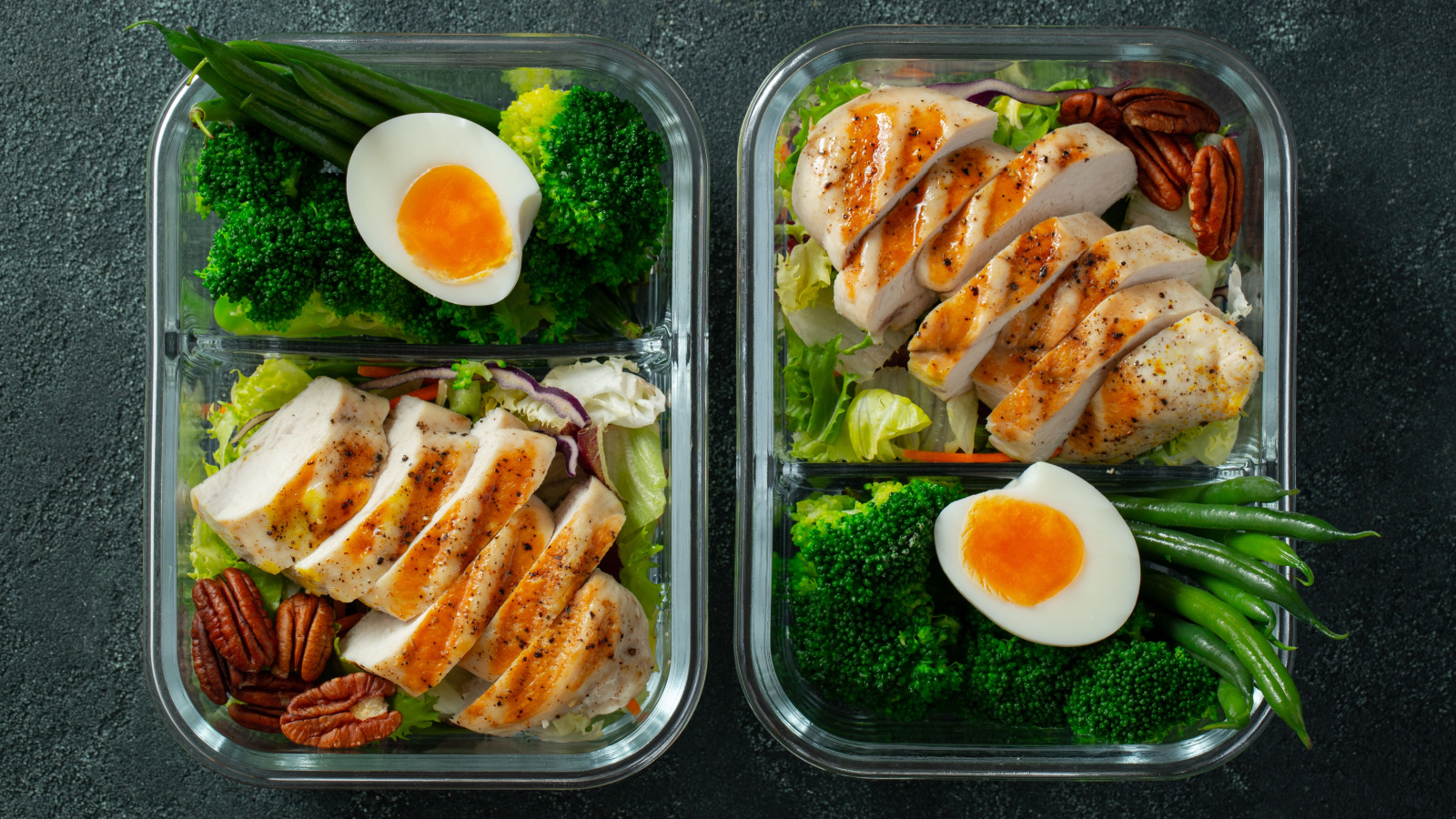
The quintessential lean protein, a 6-ounce serving of chicken breast provides approximately 52 grams of protein with negligible fat and zero carbohydrates. Its neutral flavor profile allows for extensive culinary applications, preventing "diet fatigue."
2. Chicken Thighs
While slightly higher in fat than the breast, chicken thighs offer a more robust micronutrient profile, including higher levels of iron and zinc. The increased fat content also provides a more succulent texture, which can improve meal satisfaction and adherence.
3. Egg Whites
As a pure protein source, egg whites are often used by athletes to increase volume and protein intake without adding fat. They are highly bioavailable, meaning the body can efficiently utilize the amino acids for tissue repair.
4. Whole Eggs
Often referred to as the "gold standard" for protein quality, whole eggs contain all nine essential amino acids. The yolk provides fat-soluble vitamins (A, D, E, K) and choline, which is vital for brain health and lipid metabolism.
Red Meats and Organ Meats
5. Sirloin Steak
Sirloin is a primary choice for those seeking the benefits of red meat—such as heme iron and B-vitamins—without the high caloric load of fattier cuts. It remains a staple for increasing strength and athletic performance.
6. Strip Steak
Similar to sirloin, the strip steak provides a balance of tenderness and lean protein. It is an excellent source of creatine, a compound that supports cellular energy production during high-intensity exercise.
7. Ribeye Steak
While higher in saturated fat, the ribeye is favored for its flavor and satiety. Dietitians suggest incorporating ribeye occasionally, particularly for those on ketogenic or higher-fat versions of low-carb diets, to ensure adequate caloric intake during heavy training cycles.
8. Lean Ground Beef (95/5)
Ground beef offers versatility for meal prepping. Choosing a 95% lean variety ensures that the protein-to-fat ratio remains favorable for weight management while providing essential minerals like selenium.
9. Beef Liver
Historically a staple of the "Golden Era" of bodybuilding, liver is one of the most nutrient-dense foods on the planet. It is exceptionally high in Vitamin A, B12, and copper. Though its flavor is polarizing, its inclusion even once a week can prevent common nutritional deficiencies found in restrictive diets.

Porcine Sources
10. Pork Chops
Often called "the other white meat," lean pork chops are comparable to chicken breast in protein density. They are particularly high in thiamine (Vitamin B1), which plays a crucial role in energy metabolism.
11. Pork Shoulder
Commonly used for slow-cooking and pulled pork, the shoulder is a moderate-fat option. When prepared without sugary barbecue sauces, it serves as an excellent low-carb base for salads and bowls.
12. Ham
Cured ham provides a convenient, ready-to-eat protein source. However, dietitians advise monitoring sodium levels and looking for varieties without added honey or maple glazes to maintain a low-carb profile.
Seafood and Shellfish
13. Salmon
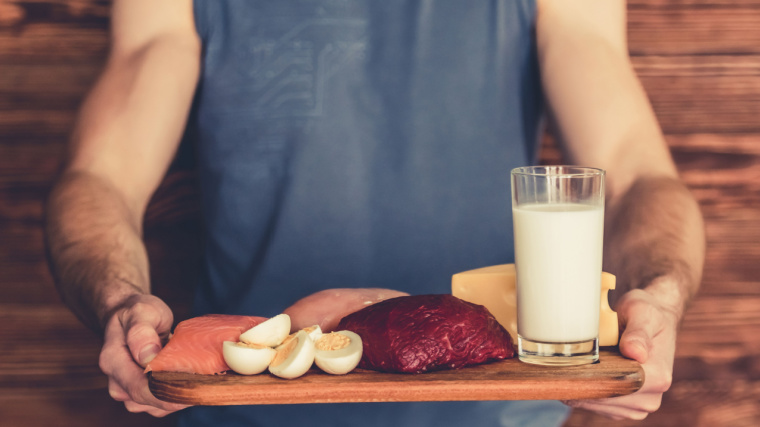
Salmon is prized for its high concentration of Omega-3 fatty acids (EPA and DHA). These essential fats are known to reduce systemic inflammation, support cardiovascular health, and improve cognitive function.
14. Sardines
Small but nutritionally potent, sardines are a sustainable source of protein, calcium (when eaten with bones), and Vitamin D. Their low position on the food chain also means they accumulate fewer heavy metals like mercury compared to larger fish.
15. Tuna
Whether fresh or canned in water, tuna is almost entirely protein. It is a convenient option for on-the-go nutrition, though consumption should be moderated to manage mercury exposure.
16. Shrimp
Shrimp is remarkably low in calories while being high in protein. It contains astaxanthin, an antioxidant that has been linked to skin health and protection against oxidative stress.

Dairy and Cultured Products
17. Cottage Cheese
Cottage cheese is unique due to its high casein content. Casein is a slow-digesting protein that provides a sustained release of amino acids, making it an ideal pre-sleep snack to prevent muscle breakdown overnight.
18. Greek Yogurt
By straining out the liquid whey, Greek yogurt achieves a much higher protein concentration than standard yogurt. It also provides probiotics, which are essential for maintaining a healthy gut microbiome—a factor often overlooked in high-protein diets.
Supplemental Proteins
19. Whey Protein Powder
Whey is a fast-acting protein derived from milk. It is particularly effective post-workout when the body requires rapid amino acid delivery to initiate the recovery process.
20. Casein Protein Powder
As the supplemental counterpart to whey, casein powder is often used to create "protein puddings" or shakes that provide long-lasting fullness, helping to curb late-night cravings.
Chronology of Dietary Implementation
The transition to a high-protein, low-carb lifestyle typically follows a specific physiological timeline. In the initial Phase 1 (Days 1-7), the body undergoes a shift in fuel preference, often resulting in a temporary loss of water weight as glycogen stores are depleted. During this time, high-sodium protein sources like ham or sardines can actually be beneficial to balance electrolytes.
In Phase 2 (Weeks 2-4), metabolic adaptation occurs. The body becomes more efficient at utilizing fats and ketones for fuel. This is the period where dietary variety becomes crucial to prevent micronutrient deficiencies. Incorporating organ meats like beef liver and diverse seafood like salmon ensures that the nervous system and hormonal pathways are supported.
By Phase 3 (Month 2 and beyond), the focus shifts to sustainability. This involves rotating protein sources to maintain interest and adjusting fat intake (e.g., swapping chicken breast for ribeye) based on energy requirements and body composition goals.
Clinical Analysis: The Role of Protein in Longevity
Beyond the aesthetic goals of muscle building and fat loss, HPLC diets are increasingly being studied for their impact on healthy aging. Sarcopenia, the age-related loss of muscle mass, is a primary driver of frailty and metabolic decline in the elderly. Clinical data suggests that the current Recommended Dietary Allowance (RDA) of 0.8g of protein per kilogram of body weight may be insufficient for maintaining muscle mass in older populations.
Registered dietitians and geriatricians are now advocating for higher protein intakes (1.2g to 1.5g/kg) to stimulate muscle protein synthesis in the face of "anabolic resistance." By utilizing the 20 foods listed above, aging individuals can maintain the structural integrity of their musculoskeletal system while avoiding the glycemic instability associated with high-carbohydrate diets.
Broader Economic and Social Implications
The rising demand for high-protein foods has significant implications for the global food economy. As consumers move away from processed carbohydrates toward whole-animal proteins and high-quality dairy, supply chains are under pressure to provide sustainable and ethically sourced options. This has led to the growth of the grass-fed beef industry and the expansion of sustainable aquaculture for fish like salmon and sardines.
Furthermore, the "social compliance" aspect of dieting is evolving. Historically, restrictive diets made social dining difficult. However, the versatility of HPLC foods—ranging from a steak at a restaurant to shrimp skewers at a barbecue—allows for greater social integration. This shift is critical for the long-term success of any nutritional intervention, as isolation is a leading cause of dietary abandonment.
Conclusion
The integration of these 20 high-protein, low-carb foods provides a robust framework for achieving diverse health objectives, from athletic performance to metabolic recovery. By understanding the underlying science of satiety, the thermic effect of food, and the importance of micronutrient density, individuals can move beyond the limitations of "fad dieting" into a sustainable, evidence-based lifestyle. As the landscape of nutritional science continues to evolve, the emphasis remains clear: protein is not merely a macronutrient for the "gym rat," but a fundamental requirement for human vitality and longevity.