







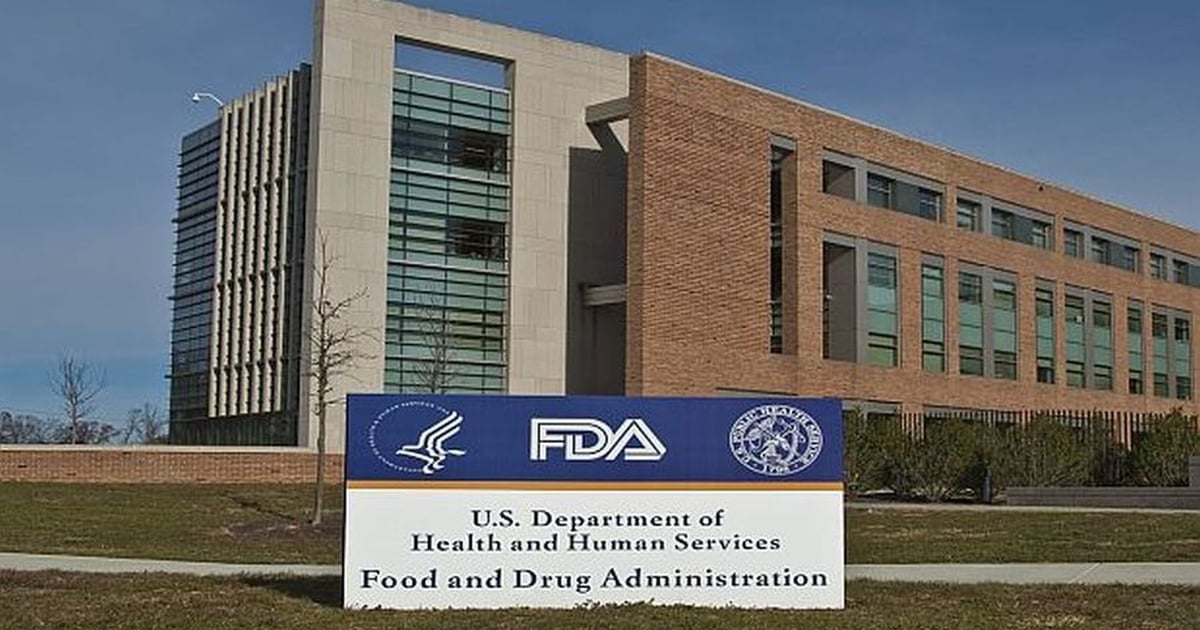
The Food and Drug Administration (FDA) has announced a pivotal public meeting scheduled for March 27, 2026, aimed at dissecting and clarifying the foundational definition of a "dietary substance for use by man to supplement the diet by increasing the total dietary intake." This crucial definition, a cornerstone of the Dietary Supplement Health and Education Act of 1994 (DSHEA), is central to the process of filing New Dietary Ingredient Notifications (NDINs), a mandatory step for introducing new ingredients into the U.S. dietary supplement market. The meeting signifies a proactive effort by the regulatory body to address long-standing ambiguities that have impacted ingredient manufacturers, formulators, and the broader supplement industry.
The ambiguity surrounding this particular definition, which represents the fifth category of dietary ingredients alongside vitamins, minerals, herbs or other botanicals, and amino acids, has historically presented significant challenges. DSHEA broadly outlines these core categories, further specifying that a dietary ingredient can also encompass a concentrate, metabolite, constituent, extract, or combination of these foundational elements. However, the "catch-all" nature of the fifth definition has frequently led to confusion regarding which novel substances qualify as legitimate dietary ingredients, resulting in the rejection of numerous NDIN submissions by the FDA. The agency’s current practice involves outright rejection of applications for ingredients it deems do not meet the criteria for a dietary ingredient, creating a regulatory hurdle for innovation.
Background and Chronology of NDIN Clarification Efforts
The need for clarity on NDINs has been a recurring theme in the dietary supplement industry for years. The current regulatory framework, established by DSHEA, mandates that any dietary ingredient not marketed in the United States before October 15, 1994, must undergo an NDIN process. This involves submitting a notification to the FDA at least 90 days before marketing the ingredient, demonstrating that the ingredient is reasonably expected to be safe under the conditions of use recommended in the notification.

The FDA first issued draft guidance on NDINs in 2010, sparking a lengthy dialogue with industry stakeholders. This initial guidance, while attempting to provide direction, also raised new questions, particularly concerning the impact of evolving production techniques. The question of how significantly a change in manufacturing processes and the resulting alteration in an ingredient’s chemical composition necessitates a new NDIN, accompanied by updated safety data, has remained a point of contention. This is particularly relevant as the industry increasingly explores novel manufacturing methods to produce existing or similar compounds.
Furthermore, the emergence of bioidentical ingredients produced through advanced methods like precision fermentation has added another layer of complexity. Historically, the FDA has considered whether such ingredients, even if chemically identical to naturally occurring substances, could qualify as dietary ingredients if their origin could not be traced back to a plant source. While this specific stance has not been consistently enforced, it underscores the intricate definitional challenges the agency aims to address.
Key Areas of Focus for the March 27th Meeting
The forthcoming FDA public meeting is designed to tackle several critical areas, with a primary focus on refining the interpretation of "dietary substance." The agency intends to explore the precise scope of ingredients that fall under this broad classification, aiming to provide more concrete guidelines for industry compliance. This includes a detailed examination of specific ingredient types such as proteins, enzymes, and microbials, which often present unique challenges in categorization and safety assessment.
Beyond the core definition, the meeting will also address the impact of new production techniques. This aspect of the discussion is crucial for understanding how innovations in manufacturing, such as synthetic biology or advanced extraction methods, might alter the regulatory pathway for ingredients. The FDA’s objective is to establish a framework that can accommodate technological advancements while ensuring consumer safety.
Another significant area of inquiry will be the question of bioidentical ingredients. The meeting is expected to provide a platform for discussing how the FDA views ingredients that are chemically identical to those found in nature but are produced through alternative, often synthetic, means. This is a particularly sensitive topic given the potential for such ingredients to blur the lines between dietary supplements and other regulated product categories.
Industry Reactions and Expectations
The announcement of the FDA’s public meeting has been met with a mix of anticipation and hope from industry associations. In early January 2026, the Natural Products Association (NPA) had formally requested such a meeting, with President and CEO Daniel Fabricant, Ph.D., outlining a comprehensive agenda that included the scope of dietary ingredients, as well as critical issues surrounding the drug preclusion clause of DSHEA and the burgeoning market of unregistered peptide ingredients.
While the FDA’s announced agenda appears to be more narrowly focused on definitional aspects at this initial stage, the very convening of the meeting is seen as a positive step. Ivan Wasserman, managing partner at Amin Wasserman Gurnani and legal counsel for the International Probiotics Association (IPA), expressed optimism. "I’m thrilled that the FDA has called this important meeting to continue the dialog that was started at a public meeting held several years ago," Wasserman stated. "I hope and believe that FDA will be an active listener and will work cooperatively with the industry to bring greater clarity to these questions that have lingered for so long."
The broader implications of this meeting extend to the entire supply chain. For ingredient suppliers, a clearer definition will reduce the risk of costly rejections and the need for extensive, potentially duplicative, safety testing. For finished product manufacturers, it means greater certainty in sourcing ingredients and developing new products. This regulatory clarity is essential for fostering continued investment and innovation within the U.S. dietary supplement market.
Broader Implications for the U.S. Dietary Supplement Market
The U.S. dietary supplement market is a substantial and dynamic sector of the economy, with annual sales consistently reaching tens of billions of dollars. According to recent market analyses, the U.S. market alone is projected to continue its growth trajectory, driven by increasing consumer interest in health and wellness. However, this growth is intrinsically linked to a stable and predictable regulatory environment.
The ambiguities surrounding NDINs have, in the past, created a chilling effect on innovation. Companies have sometimes hesitated to invest in the development of novel ingredients due to the uncertainty of the regulatory approval process. A clearer, more transparent framework for defining dietary ingredients and assessing new production methods could unlock significant potential for the development of a new generation of scientifically validated dietary supplements.
Furthermore, the meeting’s focus on specific ingredient types like proteins, enzymes, and microbials reflects the evolving landscape of dietary supplement ingredients. These categories are increasingly becoming areas of scientific research and commercial development, offering potential benefits for various health aspects. Establishing clear regulatory pathways for these ingredients is vital for ensuring their safe and effective introduction to the market.
The FDA’s decision to hold this public meeting underscores a commitment to engagement with industry stakeholders. By fostering an open dialogue, the agency aims to build consensus and develop regulatory approaches that are both protective of public health and conducive to industry growth. The outcomes of this meeting are expected to have a lasting impact on the U.S. dietary supplement market, potentially paving the way for greater regulatory certainty, increased innovation, and enhanced consumer confidence in the products they choose to support their health and well-being. The clarity sought from this discussion is not merely a procedural matter; it is a fundamental step towards ensuring the continued vitality and integrity of the modern dietary supplement industry.