








The Natural Products Expo West 2026, held at the bustling Anaheim Convention Center, once again served as a pivotal barometer for the future of the natural products industry, with a particular spotlight on the dynamic and rapidly evolving dietary supplement sector. While food and beverage innovations often capture the broader public’s attention, this year’s expo revealed a significant surge in nutraceutical advancements, offering a compelling glimpse into emerging consumer needs and scientific breakthroughs. With decades of experience navigating the functional food and supplement landscape, this report distills the most impactful trends and ingredients that generated considerable buzz on the show floor, signaling key directions for future innovation.
This year’s Natural Products Expo West, a cornerstone event for the natural and organic products industry, took place from March 10-14, 2026, drawing an estimated 65,000 attendees and over 3,000 exhibiting companies. The expo, organized by Informa Markets, has grown exponentially since its inception, reflecting the increasing consumer demand for products aligned with health, wellness, and sustainability. The 2026 edition underscored a maturing market where science-backed ingredients and targeted health solutions are gaining prominence.
Women’s Health Takes Center Stage: Hormonal Balance and Cognitive Function Lead the Charge

A dominant theme resonating throughout the expo was the amplified focus on women’s health. This area, long acknowledged as being underrepresented in clinical research, is finally witnessing a surge in dedicated innovation. The industry is responding to a growing demand for products that address the diverse health needs and life stages of women, from reproductive health to menopause and beyond.

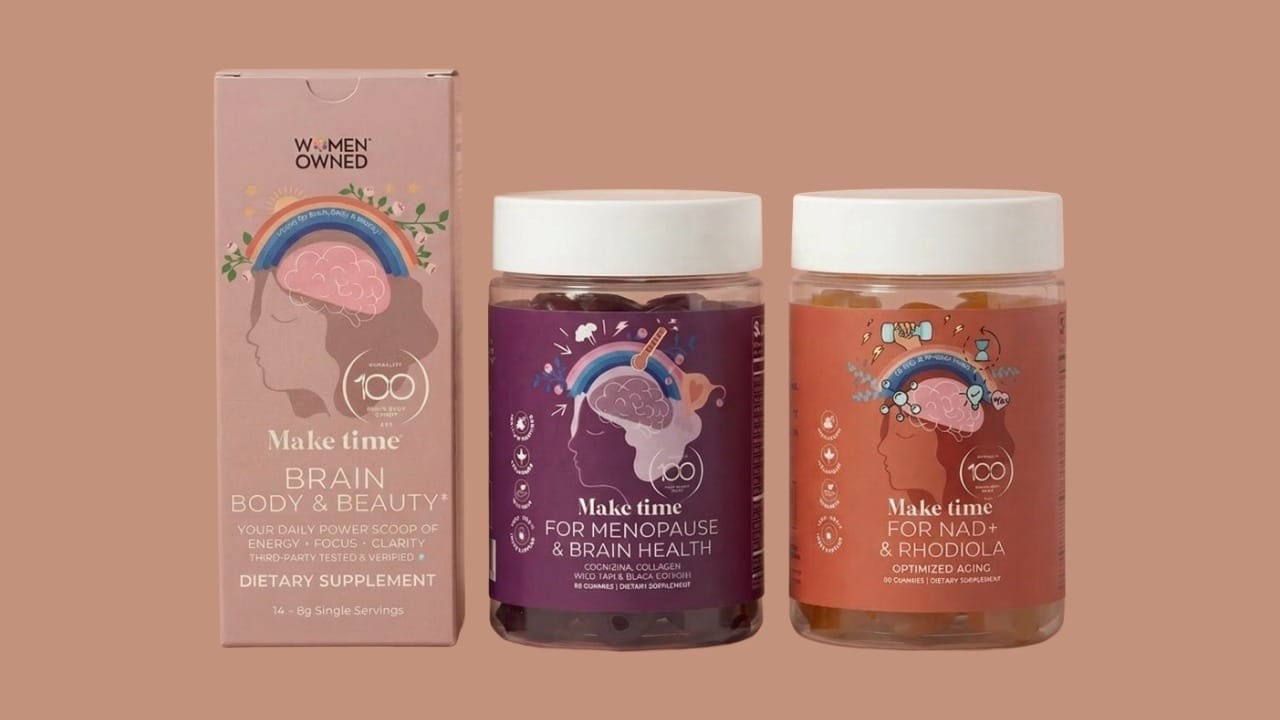
Make Time Wellness, co-founded by Emma Heming Willis and Helen Christoni, made a significant debut with three new product launches specifically targeting brain health and menopause. Willis’s personal experience with brain fog and a family history of dementia served as the impetus for the brand’s mission: to empower women to prioritize self-care. The brand’s new offerings, including Brain, Body & Beauty stick packs and Menopause & Brain Health gummies, prominently feature Cognizin® citicoline. Extensive clinical research supports citicoline’s multifaceted role in enhancing cognitive functions such as attention, memory, and executive function. The menopause-focused gummy also incorporates black cohosh extract, an ingredient recognized for its efficacy in alleviating common menopausal symptoms like hot flashes and mood disturbances, as supported by various studies.
Further underscoring the commitment to hormonal balance, O Positive presented its Women’s Endocrine Superfood Powder. This comprehensive multivitamin blend incorporates myo-inositol, artichoke and kelp leaf extracts, and diindolylmethane, collectively marketed as their Hormone Positiv Blend. This formulation aims to support endocrine system function through a synergistic combination of plant-based compounds and essential nutrients.
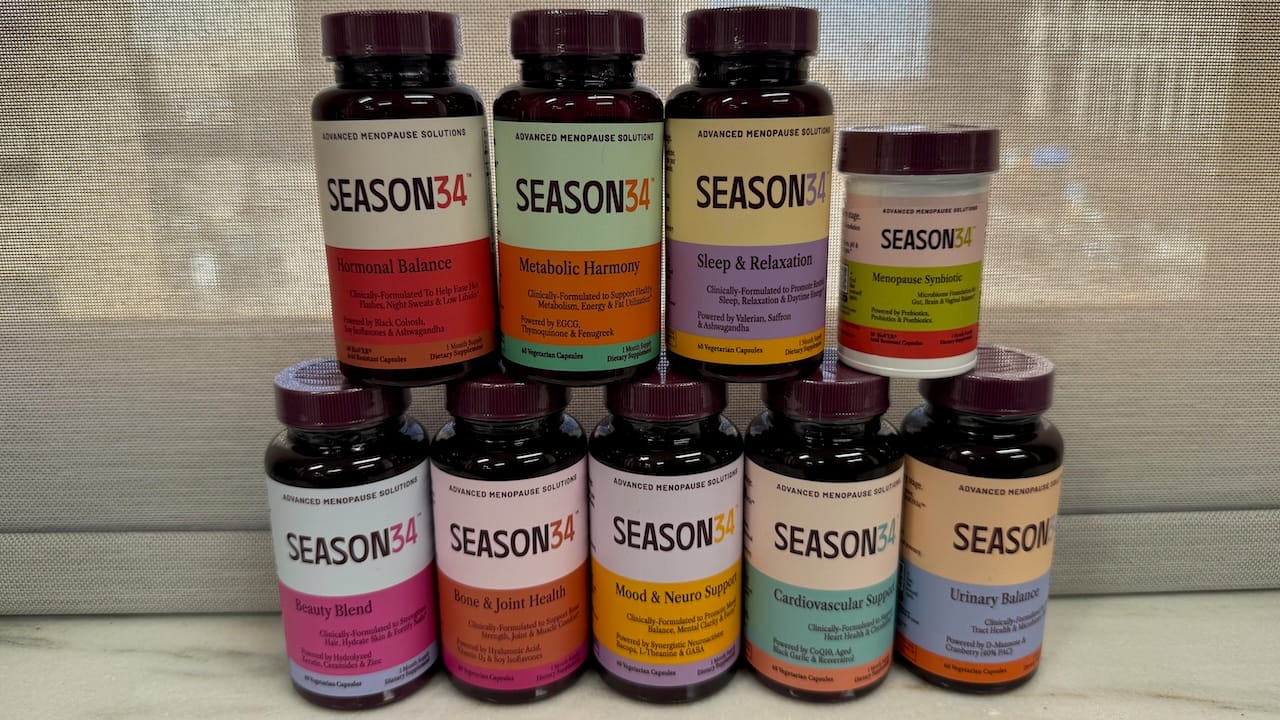
Season34, a brand that launched its dedicated line for menopausal women earlier in the year, showcased its hormonal balance supplement. This product features a carefully selected blend of black cohosh, ashwagandha extract (marketed as KSM-66® by Ixoreal Biomed), soy isoflavones (marketed as OptiFlavone® by Bio-gen Extracts), and Rhapontic rhubarb extract. Soy isoflavones, structurally similar to estrogen, have a long history of research demonstrating their potential to mitigate various menopausal symptoms. The inclusion of ashwagandha, an adaptogen, further aims to support stress management and overall well-being during this transitional phase.
The growing emphasis on women’s health at Natural Products Expo West reflects a broader industry trend towards personalized nutrition and a deeper understanding of gender-specific health requirements. The increased investment in research and product development in this category is a positive development, promising more effective and targeted solutions for women.
Longevity and Cellular Health: The Quest for Extended Vitality
Perhaps even more striking than the focus on women’s health was the pervasive theme of longevity. An array of products across the show floor highlighted ingredients aimed at promoting a longer, healthier lifespan. This surge in interest reflects a cultural shift, moving beyond merely extending years to enhancing the quality of those years through cellular vitality.
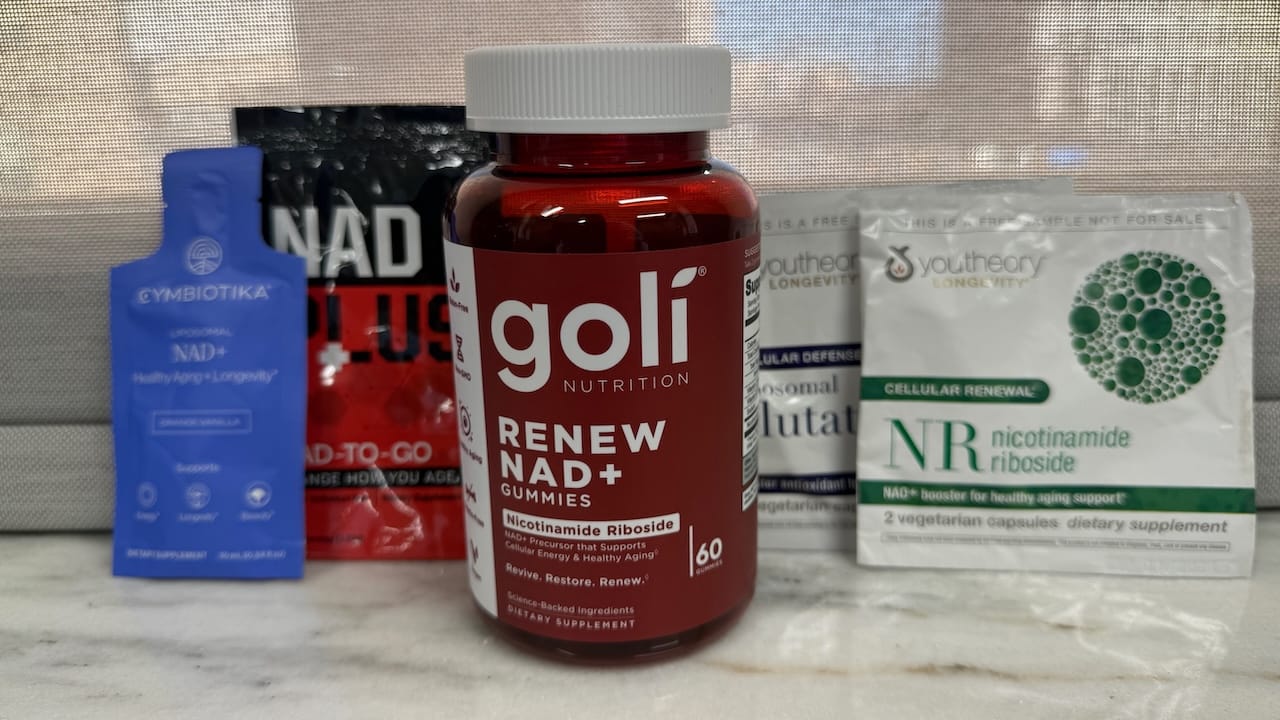
Nicotinamide-based ingredients emerged as significant players in this space. Nicotinamide adenine dinucleotide (NAD+) is a critical coenzyme involved in numerous cellular processes, including energy metabolism and DNA repair. As NAD+ levels naturally decline with age, supplements that aim to replenish these levels are gaining traction for their potential to support healthy aging. Nicotinamide riboside (NR), a precursor to NAD+, also featured prominently. Research suggests that NR supplementation may help increase NAD+ levels and potentially offer benefits related to inflammation and cellular resilience.
Brands like Goli, Youtheory, and Cymbiotika were observed marketing their products under the umbrella of "healthy aging" and "longevity." The subtle distinctions in terminology suggest an ongoing evolution in how the industry defines and communicates the benefits of these anti-aging strategies. A deeper exploration into the nuances between "longevity" and "healthy aging" is warranted, and industry insiders at the expo offered varied perspectives, emphasizing the importance of holistic well-being alongside lifespan extension.
The increasing visibility of NAD+ and nicotinamide riboside ingredients signifies a maturing market that is embracing more sophisticated scientific concepts in its pursuit of well-being. As research continues to elucidate the complex mechanisms of aging, these ingredients are poised to play an even more significant role in the future of the supplement industry.
Cognitive Enhancement and Stress Management: Mushrooms and Magnesium Take the Forefront
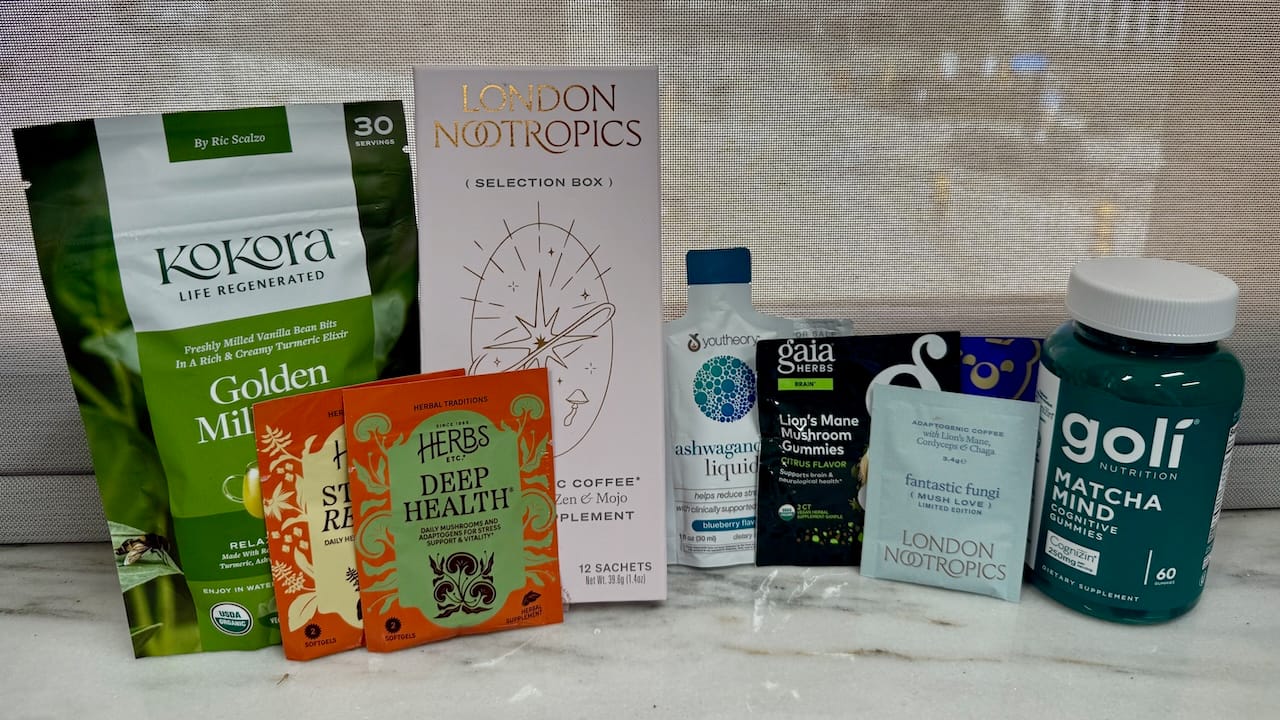
The demand for ingredients that support mental well-being, cognitive function, and stress resilience continued its upward trajectory, with mushrooms and magnesium standing out as key players. Adaptogenic and nootropic ingredients were abundant, reflecting a growing consumer awareness of their potential benefits.
London Nootropics showcased its innovative adaptogenic coffee, integrating mushroom extracts from Hifas da Terra with well-known cognitive enhancers such as rhodiola, ashwagandha, and L-theanine. This approach leverages the synergistic properties of these natural compounds to support energy, focus, and stress adaptation.
Magnesium, a mineral essential for over 300 enzymatic reactions in the body, was frequently paired with the hydration trend. Numerous drink mixes featured magnesium, highlighting its role in electrolyte balance and overall physiological function. While many brands offered magnesium, a notable observation was the infrequent specification of the particular form of magnesium used (e.g., citrate, bisglycinate). Different magnesium forms possess varying bioavailability and are better suited for specific physiological needs, suggesting an opportunity for greater product transparency and consumer education in this area.
The integration of mushrooms and magnesium into functional beverages and supplements underscores a consumer desire for holistic solutions that address both physical and mental well-being. As the understanding of the gut-brain axis and the impact of micronutrients on cognitive function deepens, these ingredients are expected to remain at the forefront of innovation.
Fluid Delivery Systems Gain Traction for Vitamins and Minerals
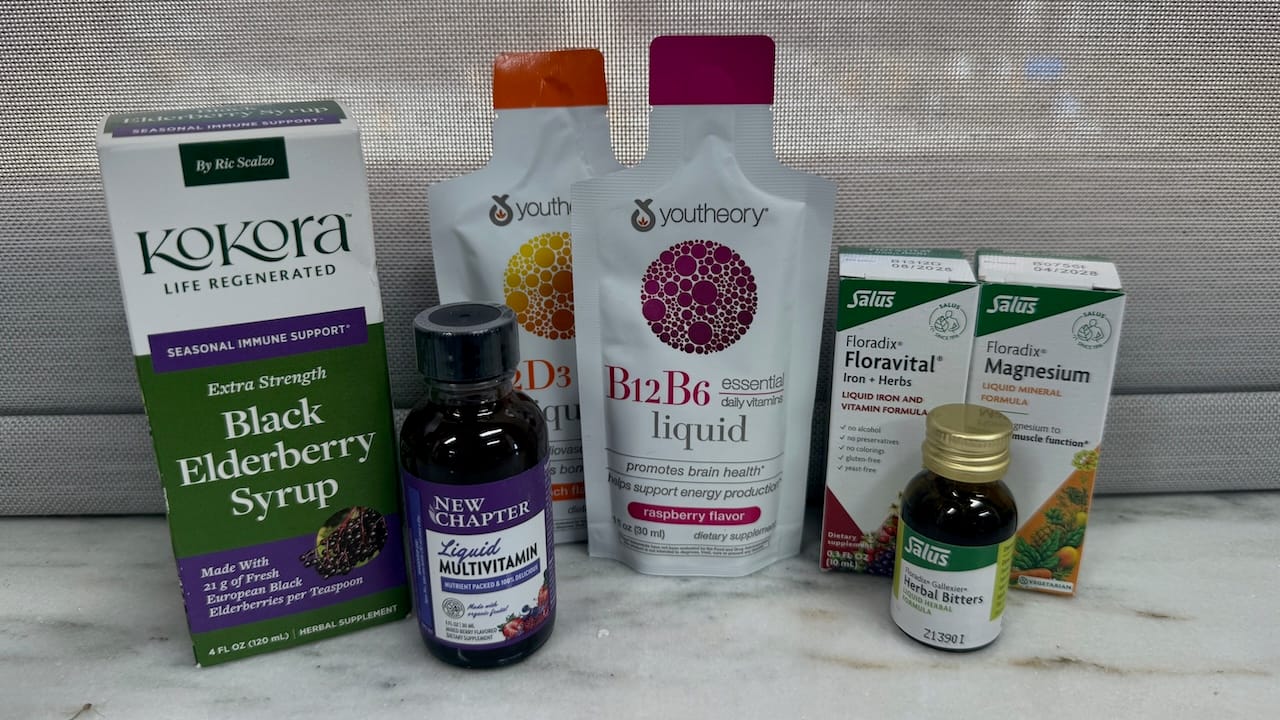
The exhibition halls also highlighted a significant trend towards fluid delivery systems for vitamins and minerals. Liquid supplement formats were prominently displayed, indicating a consumer preference for convenient and easily absorbable options. While some liquid multivitamins were present, the majority of these formulations focused on one or two key ingredients, particularly letter vitamins and essential minerals.
Liquid iron supplementation for children emerged as a notable sub-trend within this category. Brands like Salus and Kidstar Nutrients showcased liquid iron formulations, addressing the critical importance of iron for early childhood brain development. Given that approximately one in five children may experience iron deficiency before preschool age, accessible and effective iron delivery systems are crucial for supporting healthy growth and cognitive function in young populations.
The focus on fluid delivery systems suggests an industry response to consumer demand for user-friendly and potentially faster-acting supplement options. This format offers advantages in terms of palatability and absorption, particularly for individuals who have difficulty swallowing pills or prefer alternative modes of intake.
Emerging Stars: Sea Moss and Shilajit Capture Attention
A constellation of "S" ingredients continued to make waves, with sea moss and shilajit emerging as particularly noteworthy. Shatavari, a well-established herb in Ayurvedic medicine, has seen a resurgence in popularity, particularly for its applications in women’s health.
Shilajit, a complex resinous substance found in mountain ranges, garnered significant interest. Its precise origin remains a subject of ongoing scientific inquiry, with theories suggesting formation from decomposed plant matter or mineral secretions. While preliminary clinical trials have explored shilajit’s potential benefits, further rigorous research is needed to standardize its chemical composition and fully elucidate its efficacy and safety profile.
Irish sea moss (Chondrus crispus), a type of red algae, was also featured in numerous formulations. It is commonly associated with immune support and benefits for hair, skin, and nails. Despite its growing presence in the market, robust clinical evidence specifically detailing the benefits of sea moss in dietary supplements is still developing.
The inclusion of shilajit and sea moss in a variety of products signals a consumer appetite for novel, naturally derived ingredients with purported wellness benefits. As scientific scrutiny intensifies, the market will likely see a greater emphasis on ingredient standardization and evidence-based claims for these emerging superfruits.
The "Beauty-from-Within" Renaissance: Nutricosmetics Reimagined
The "beauty-from-within" trend, which focuses on enhancing appearance through internal nutrition, demonstrated a strong comeback at Expo West. This segment, often referred to as nutricosmetics, is experiencing a renaissance, driven by the proliferation of natural ingredients that are finding their way into both dietary supplements and personal care products.
Specnova introduced RiboBeauty, a novel ingredient composed of red and blackcurrant extracts, biotin, and strawberry and elderberry powders. Preliminary clinical data, currently under peer review, indicates significant improvements in wrinkles, skin texture, and a reduction in hair shedding among participants who consumed 500 mg daily for 12 weeks.
Kaneka Probiotics presented its Latilactobacillus sakei ProBio 65 postbiotic, specifically targeting skin health. Derived from fermented vegetables in Asia, this heat-treated postbiotic demonstrated positive outcomes in a recent clinical trial. Women who consumed 10 billion heat-treated cells daily for eight weeks experienced enhanced skin hydration and improved elasticity.
The resurgence of the beauty-from-within category, coupled with advancements in ingredient science, suggests a growing integration of beauty and wellness. Consumers are increasingly seeking comprehensive solutions that address both internal health and external appearance, driving innovation in this interconnected space.
Implications for the Future of Supplements
The trends observed at Natural Products Expo West 2026 paint a clear picture of a mature yet dynamic dietary supplement industry. The move towards science-backed ingredients, targeted health solutions, and personalized nutrition is accelerating. The heightened focus on women’s health and longevity indicates a response to evolving consumer demographics and a deeper understanding of age-related and gender-specific health needs. Furthermore, the emphasis on ingredient transparency, bioavailability, and rigorous clinical validation suggests a market that is increasingly demanding evidence and efficacy. As consumers become more informed, the onus is on manufacturers to provide products that are not only appealing but also grounded in scientific integrity. The ongoing exploration of novel ingredients like shilajit and sea moss, alongside established compounds like citicoline and ashwagandha, points towards a future where innovation is driven by both tradition and cutting-edge scientific discovery. The continued integration of supplements into holistic wellness strategies, encompassing physical, mental, and even aesthetic well-being, will undoubtedly shape the product development landscape for years to come.