








Creatine monohydrate has transitioned from a misunderstood "locker-room secret" to the most rigorously studied ergogenic aid in the history of sports nutrition. Despite decades of persistent myths labeling it as a pseudo-steroid or a kidney-taxing chemical, a vast body of peer-reviewed literature now confirms its safety and efficacy. For athletes, bodybuilders, and increasingly, the aging general population, creatine represents a fundamental tool for enhancing physical performance and cognitive health. As the fitness industry continues to shift toward evidence-based practices, understanding the physiological mechanisms, optimal dosing protocols, and long-term implications of creatine use is essential for maximizing its biological potential.
The Historical Evolution of Creatine Research
The narrative of creatine began in 1832 when French philosopher and scientist Michel Eugène Chevreul identified the compound as a constituent of skeletal muscle. However, it was not until the early 20th century that researchers began to understand its role in energy metabolism. By the 1920s, scientists had discovered that oral creatine supplementation could increase the total creatine content in muscles.
The "tipping point" for creatine’s public visibility occurred during the 1992 Barcelona Summer Olympics. Reports emerged that high-profile gold medalists, including sprinters Linford Christie and Sally Gunnell, utilized creatine to enhance their training. This sparked a commercial boom in the 1990s, leading to the mass production of creatine monohydrate. Since then, the International Society of Sports Nutrition (ISSN) and the American College of Sports Medicine (ACSM) have released various position stands, consistently affirming that creatine is one of the few supplements on the market with a "high level of evidence" for both safety and performance enhancement.

The Biological Mechanism: Fueling the ATP-PCr System
To appreciate why creatine is effective, one must understand the cellular "currency" of energy: Adenosine Triphosphate (ATP). During explosive, high-intensity activities—such as a 100-meter sprint or a heavy set of squats—the body relies on the ATP-phosphocreatine (PCr) system for immediate energy.
ATP provides energy by releasing a phosphate group, which subsequently turns the molecule into Adenosine Diphosphate (ADP). The body’s stores of ATP are extremely limited, typically lasting only two to three seconds during maximal effort. This is where supplemental creatine serves a vital role. By increasing the intramuscular pool of phosphocreatine, the body can more rapidly "donate" a phosphate group to ADP, recycling it back into ATP. This biochemical recycling allows an athlete to sustain peak power output for several seconds longer, often translating to an extra two or three repetitions in a lifting set or a faster finish in a short sprint.
Supporting Data: Hypertrophy and Strength Gains
The data supporting creatine’s impact on muscle growth and strength is extensive. A meta-analysis published in the Journal of Strength and Conditioning Research reviewed 22 studies and found that athletes who took creatine showed an 8% greater increase in muscle strength and a 14% greater increase in weightlifting performance compared to those taking a placebo.
The mechanisms for these gains are twofold. First, creatine is an "osmotic" compound, meaning it draws water into the muscle cells. This process, known as cellular swelling, not only contributes to an immediate increase in muscle volume but also acts as a biological signal for protein synthesis. Second, by allowing for higher training volumes (more sets and reps), creatine facilitates greater mechanical tension and metabolic stress—the two primary drivers of muscle hypertrophy. Furthermore, recent research suggests that creatine may lower levels of myostatin, a protein that inhibits muscle growth, thereby further priming the body for anabolic adaptations.
Protocol and Administration: Loading vs. Maintenance
The scientific consensus on "how" to take creatine has evolved to offer two primary strategies: the loading phase and the maintenance-only approach.
The Loading Phase
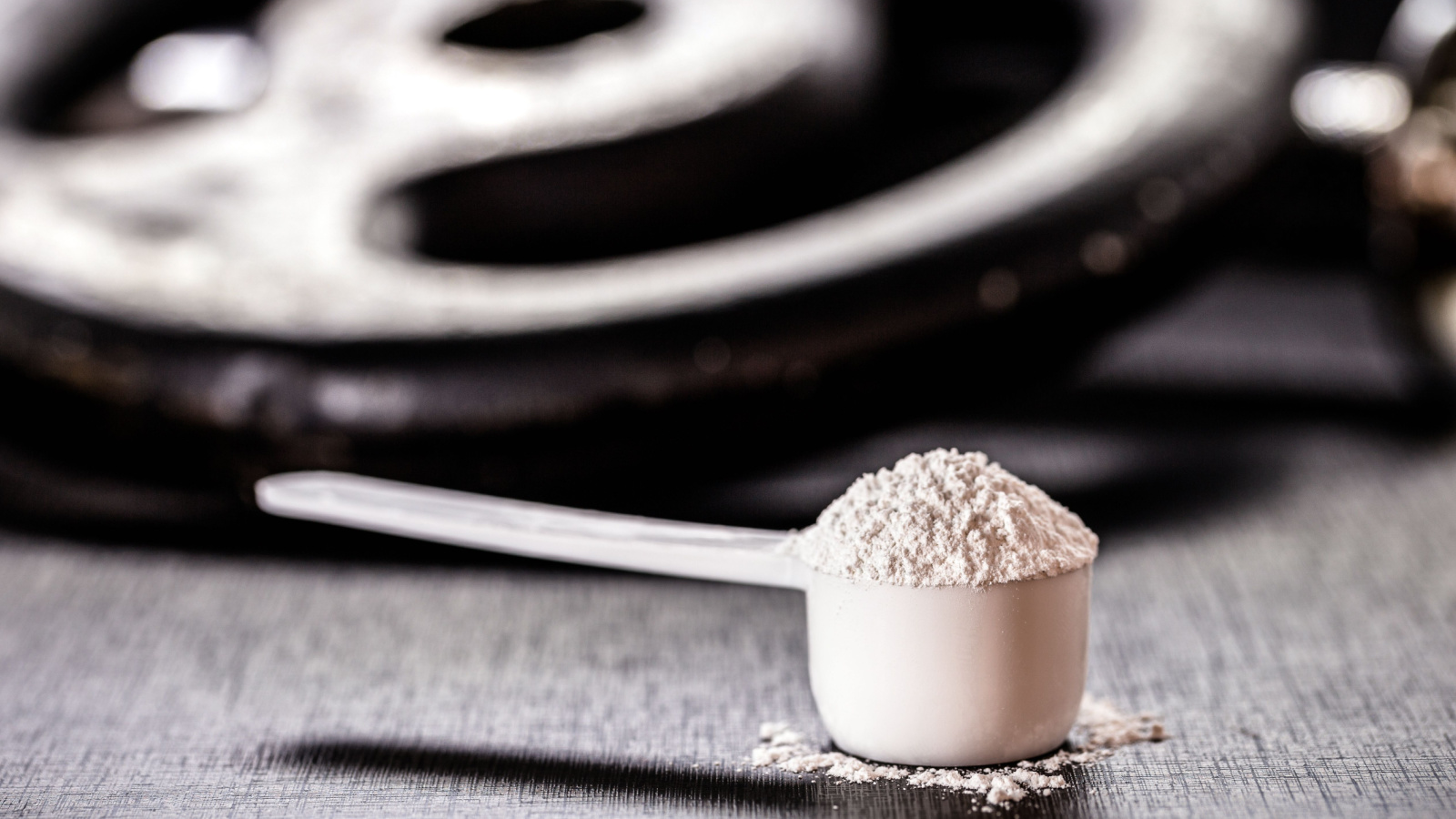
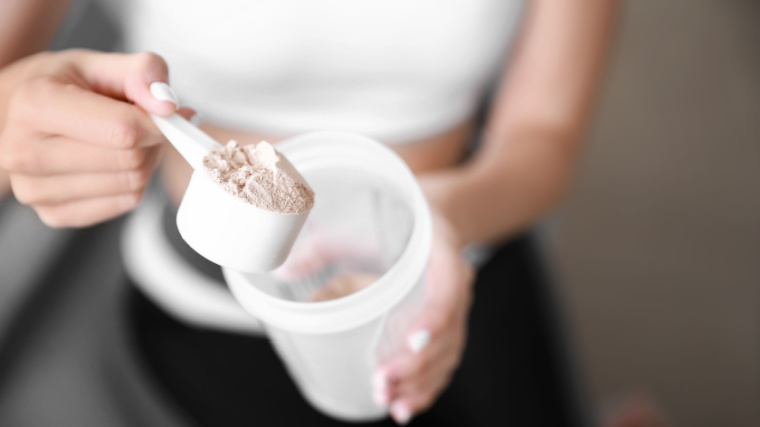
The traditional protocol involves a "loading phase" designed to saturate the muscle cells as quickly as possible. This typically involves consuming 20 grams of creatine per day, divided into four 5-gram doses, for five to seven days. Following this period, a maintenance dose of 3 to 5 grams per day is used to keep the muscles saturated. Research indicates that this method can increase muscle creatine stores by 20% to 40% within a single week.
The Maintenance-Only Approach
For those who wish to avoid the potential gastrointestinal discomfort sometimes associated with high-dose loading, a maintenance-only approach is equally effective over the long term. Consuming 3 to 5 grams daily will result in full muscle saturation within approximately 28 days. While the performance benefits take longer to manifest with this method, the end result—total saturation—is identical to the loading protocol.
Timing and Co-ingestion
While creatine can be effective at any time of day, some evidence suggests that post-workout ingestion may be slightly superior. A study published in the Journal of the International Society of Sports Nutrition found that participants who took creatine immediately following their resistance training saw greater improvements in lean mass and strength than those who took it pre-workout. This is likely due to the increased blood flow and insulin sensitivity of muscles following exercise. Furthermore, consuming creatine with carbohydrates or a protein-carbohydrate meal can enhance uptake due to the insulin-mediated transport of creatine into the muscle cells.
Beyond the Gym: Cognitive and Clinical Implications
In recent years, the scientific community has expanded its focus from the neck down to the neck up. The brain is one of the most metabolically active organs in the body, accounting for approximately 20% of total energy expenditure. Like muscle tissue, the brain utilizes the ATP-PCr system for rapid energy.
Clinical trials have demonstrated that creatine supplementation can improve short-term memory and reasoning, particularly in individuals under stress or experiencing sleep deprivation. Furthermore, there is emerging evidence of its neuroprotective properties. Studies are currently investigating creatine’s role in mitigating the symptoms of neurodegenerative diseases such as Parkinson’s and Huntington’s.
Specific demographics, such as vegetarians and vegans, often show more pronounced cognitive benefits from supplementation. Since creatine is primarily found in red meat and fish, those on plant-based diets typically have lower baseline levels. For these individuals, supplementation can bridge a significant nutritional gap, affecting both physical performance and mental clarity.

Safety Profile and Official Regulatory Responses
The safety of creatine is often questioned by the public but rarely by the scientific community. The most common concern involves kidney health, stemming from the fact that creatine is broken down into creatinine, a waste product that kidneys filter. While blood tests may show elevated creatinine levels in athletes taking creatine, this is a result of the supplement’s metabolism, not an indicator of kidney damage. Numerous long-term studies, some lasting up to five years, have shown no adverse effects on renal function in healthy individuals.
Regarding the widely circulated claim that creatine causes hair loss, the evidence is remarkably thin. This myth originated from a single 2009 study on rugby players which showed an increase in Dihydrotestosterone (DHT), a hormone linked to hair loss. However, the study did not actually measure hair loss, and the results have never been replicated in the dozens of creatine studies conducted since.
Major athletic organizations, including the International Olympic Committee (IOC) and the World Anti-Doping Agency (WADA), do not ban creatine. Their stance is based on the fact that creatine is a food-derived compound that does not fundamentally alter human physiology in the way that anabolic steroids do; rather, it allows the body to function at its peak natural capacity.
Market Trends and Broader Implications
The global creatine market is currently experiencing a surge in demand, with projections estimating it will reach a valuation of over $500 million by the end of the decade. This growth is driven not just by athletes, but by an aging population interested in "sarcopenia" prevention—the natural loss of muscle mass with age. Clinical data suggests that when combined with resistance training, creatine helps seniors maintain bone mineral density and muscle tissue, significantly reducing the risk of falls and fractures.
As the supplement industry faces increased scrutiny regarding purity, there is a growing trend toward "micronized" creatine monohydrate. This process reduces the particle size of the powder, improving solubility and reducing the likelihood of gastrointestinal distress. Journalists and health experts recommend that consumers look for products with third-party certifications, such as "NSF Certified for Sport" or "Informed-Choice," to ensure the product is free from contaminants and accurately labeled.

Conclusion: A Fundamental Tool for Human Optimization
Creatine monohydrate remains the gold standard of sports supplementation. Its ability to facilitate ATP resynthesis, drive muscle hypertrophy, and potentially support cognitive function makes it a versatile tool in the modern health arsenal. While no supplement can replace the foundational pillars of hard training and proper nutrition, creatine provides a scientifically validated "edge" that is both safe and cost-effective. As research continues to uncover its benefits for brain health and aging, creatine is likely to transcend its reputation as a bodybuilding supplement to become a staple in general wellness and longevity protocols. For the vast majority of the population, the evidence is clear: creatine is not just for the elite athlete, but for anyone seeking to optimize their physical and mental performance.