





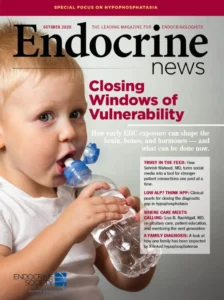




The average human existence in the 21st century is defined by an inescapable intimacy with synthetic polymers. From the moment an individual wakes after a restless night, the cycle of plastic interaction begins: a morning shower involves products containing micro-beads and liquid polymers, housed in high-density polyethylene containers; grooming routines utilize sprays smoothed by plasticizers; and the very garments donned—woven from polyester, nylon, or acrylic—shed thousands of synthetic fibers with every movement. Throughout the day, the contact continues through the handling of smartphones, the consumption of water from polyethylene terephthalate (PET) bottles, and the chewing of gum formulated with plastic bases. Even the simple act of purchasing a snack involves thermal paper receipts coated in plastic resins, while evening rituals conclude with the use of plastic-infused toothpaste and nylon-bristled brushes. This pervasive reliance on petrochemical-derived materials has prompted a growing movement of scientific inquiry and public concern, most recently highlighted in the documentary The Plastic Detox, which examines the profound biological toll of a world saturated in synthetic waste.
The Science of Endocrine Disruption and Human Fertility
At the center of this emerging health discourse is the phenomenon of endocrine disruption, a process by which exogenous chemicals interfere with the body’s hormonal signaling systems. The Plastic Detox focuses on the work of Dr. Shanna Swan, a leading environmental and reproductive epidemiologist and a professor at the Icahn School of Medicine at Mount Sinai. In her seminal 2021 book, Count Down, Swan presented a sobering analysis of how chemicals found in everyday plastics are contributing to a precipitous decline in human fertility.
The primary culprits are endocrine-disrupting chemicals (EDCs), such as phthalates and bisphenols (BPA). These substances do not merely exist alongside human biology; they invade it. Microplastics—defined as plastic particles smaller than five millimeters—act as delivery vehicles for these toxins. Once they enter the body through ingestion or inhalation, they can mimic, block, or interfere with the natural hormones that regulate development, metabolism, and reproduction. Dr. Swan’s research suggests that these chemicals are a significant factor in the falling sperm counts observed globally, particularly in industrialized nations where plastic consumption is highest. Her data indicates that sperm counts have dropped by more than 50% over the last four decades, a trend that, if left unchecked, poses an existential threat to the long-term viability of the human species.

A Chronology of the Plastic Age and Rising Health Concerns
The trajectory of human exposure to plastics has been steep and largely unregulated. To understand the current crisis, it is necessary to examine the timeline of plastic’s integration into the global economy:
- 1907–1950: The invention of Bakelite marks the birth of the synthetic age. Following World War II, plastic production accelerates as manufacturers seek civilian applications for wartime innovations.
- 1960s–1970s: Plastic becomes the dominant material for packaging and consumer goods. In 1972, the first scientific reports of plastic pellets in the Sargasso Sea emerge, marking the beginning of environmental awareness regarding plastic pollution.
- 1991: The Wingspread Conference in Wisconsin brings together scientists who officially coin the term "endocrine disruptor," identifying a class of chemicals that threaten the health of both wildlife and humans.
- 1997: The discovery of the Great Pacific Garbage Patch by Charles Moore brings global media attention to the scale of macro-plastic pollution.
- 2004: Professor Richard Thompson of the University of Plymouth coins the term "microplastics" to describe the microscopic fragments accumulating in the oceans.
- 2018–2021: Microplastics are detected in human blood, lungs, and the placenta for the first time. Dr. Shanna Swan publishes her findings on the correlation between phthalate exposure and reproductive abnormalities, bringing the "fertility crisis" into the mainstream.
- 2024: The documentary The Plastic Detox premieres, synthesizing decades of research to advocate for immediate lifestyle and systemic changes to mitigate plastic exposure.
Supporting Data: The Scale of Exposure
The sheer volume of plastic in the environment correlates directly with the rising levels of human exposure. According to data from the United Nations Environment Programme (UNEP), global plastic production has risen from 2 million tonnes in 1950 to over 400 million tonnes annually today. Of this, a staggering 36% is used for single-use packaging, much of which ends up in landfills or the natural environment.
Recent studies have quantified the physical presence of microplastics in the human body. Research published in the journal Environmental Science & Technology estimates that the average person consumes between 39,000 and 52,000 microplastic particles per year through food and water alone. When inhalation is factored in, this number rises to over 74,000 particles. Furthermore, the World Health Organization (WHO) has noted that while the acute toxicity of microplastics is still being debated, the chronic accumulation of the chemical additives they carry—such as flame retardants, stabilizers, and pigments—presents a documented risk to human endocrine systems.
The reproductive data is equally stark. Meta-analyses of sperm count studies conducted between 1973 and 2018 show a 1.1% annual decline in mean sperm concentration among men in North America, Europe, and Australia. Dr. Swan’s research further links this to "phthalate syndrome," a set of reproductive developmental changes that occur when fetuses are exposed to high levels of endocrine disruptors during the "masculinization programming window" in the first trimester of pregnancy.
Official Responses and the Scientific Debate
The findings presented in The Plastic Detox and Dr. Swan’s research have met with a mixture of alarm, caution, and pushback from various sectors.
Regulatory Bodies: The European Chemicals Agency (ECHA) has been proactive, implementing restrictions on several types of phthalates and proposing a wide-reaching ban on microplastics in products like cosmetics and detergents. In contrast, the United States Environmental Protection Agency (EPA) has faced criticism for a slower regulatory pace, though it has recently begun more rigorous assessments of PFAS (per- and polyfluoroalkyl substances), often referred to as "forever chemicals," which share many characteristics with plastic-derived EDCs.
Industry Reactions: Organizations such as the American Chemistry Council (ACC) have historically defended the safety of plastic products. Industry spokespeople often emphasize that many studies on microplastics use concentrations far higher than those found in the environment and argue that the link between plastic exposure and human health issues is correlational rather than definitively causal. They advocate for improved waste management and recycling technology rather than the total elimination of specific plastic types.
Scientific Community: While there is a consensus that microplastics are ubiquitous, some researchers urge caution regarding the "apocalyptic" tone of some fertility projections. Critics of Dr. Swan’s work point to the difficulties in standardizing sperm count measurements across different decades and geographies, suggesting that lifestyle factors—such as obesity, sedentary behavior, and smoking—may play a larger role than chemical exposure alone. However, even the skeptics generally agree that the presence of plastic particles in the human bloodstream is a phenomenon that requires urgent and extensive investigation.
Broader Impact and Policy Implications
The implications of widespread plastic exposure extend beyond individual health to encompass socio-economic and demographic stability. A decline in fertility rates contributes to aging populations and shrinking workforces, placing immense pressure on national healthcare systems and pension schemes. Furthermore, the healthcare costs associated with endocrine-disrupting chemicals are significant. A study published in The Lancet Diabetes & Endocrinology estimated that in the United States alone, exposure to EDCs results in over $340 billion in annual healthcare costs and lost productivity due to conditions such as neurobehavioral disorders, obesity, and male reproductive problems.
The cultural shift advocated by The Plastic Detox suggests that individual "detoxing"—such as switching to glass containers, avoiding synthetic clothing, and filtering water—is only a partial solution. The documentary argues for a systemic overhaul of the "plastic economy." This includes the implementation of a Global Plastics Treaty, currently under negotiation by UN member states, which aims to create a legally binding instrument to end plastic pollution.
Analysis of the Path Forward
The challenge of microplastics is unique because of their persistence. Unlike organic pollutants that eventually break down, plastics fragment into smaller and smaller pieces but remain chemically stable for centuries. This means that even if all plastic production were to cease tomorrow, the legacy of existing plastic would continue to shed microparticles into the biosphere for generations.
The current scientific trajectory suggests that the next decade will be critical. If the "1% per year" decline in sperm counts continues as Dr. Swan predicts, the global community may face a "fertility cliff" by the mid-21st century. Consequently, the focus of public health policy is shifting toward the precautionary principle: the idea that in the absence of absolute scientific certainty, the potential for catastrophic harm justifies proactive regulation.
The Plastic Detox serves as a sentinel for this shift. It moves the conversation from environmental aesthetics—the sight of plastic on beaches—to biological integrity. As researchers refine their ability to measure the impact of these "minuscule invaders," the pressure on governments to decouple human health from petrochemical dependence is likely to become a central pillar of international policy. The transition away from a plastic-centric existence is no longer merely an environmental preference; it is increasingly framed as a prerequisite for the biological future of humanity.