

In an era where consumers are increasingly seeking value without compromising health, the bulk-buying giant Costco has emerged as an unexpected ally for those pursuing weight loss and improved nutrition. While renowned for its supersized portions of both healthy and indulgent items, a discerning eye, guided by expert advice, can transform a Costco shopping trip into a strategic move for dietary success. Tara Collingwood, MS, RDN, CSSD, LD/N, ACSM-CPT, a Board Certified Sports Dietitian and co-author of the Flat Belly Cookbook for Dummies, has shared her curated list of high-protein, high-fiber bulk foods available at Costco, emphasizing their role in promoting satiety, blood sugar control, and overall diet quality, all crucial components for effective weight management.
Collingwood’s approach underscores a fundamental principle in nutrition: no single food is a magic bullet for weight loss. Instead, sustainable results are achieved through a holistic strategy focusing on nutrient-dense, minimally processed foods that support the body’s natural regulatory mechanisms. "I like this list overall because it focuses on nutrient-dense, minimally processed foods, which are exactly what we look for when supporting weight loss," Collingwood stated. "But it’s important to remember: no single food causes weight loss. These foods work because they help with satiety, blood sugar control, and overall diet quality. Even healthy foods like nuts, almond flour, and seeds are calorie-dense, so portion size still matters. Weight loss ultimately comes down to overall calorie balance, not just choosing ‘healthy’ foods." She further elaborated on her selection criteria: "For weight loss, I focus on foods that are high in protein, fiber, and healthy fats because they help keep you full longer and reduce overeating. Buying these in bulk can also make it easier to stick with healthy habits." This perspective highlights the dual benefits of Costco’s offerings: nutritional quality and the economic advantage of bulk purchasing, which can facilitate consistent healthy eating.

The landscape of dietary advice has evolved significantly over the past decades. Early weight loss paradigms often focused on strict calorie restriction or fat avoidance. However, contemporary nutritional science, informed by extensive research and epidemiological studies, now places a greater emphasis on food quality, macronutrient balance, and the role of satiety in preventing overeating. The importance of protein for muscle preservation during weight loss and its thermogenic effect, coupled with fiber’s role in digestive health, blood sugar regulation, and prolonged fullness, are now widely accepted cornerstones of effective weight management strategies. Healthy fats, once demonized, are now recognized for their essential role in hormone production, nutrient absorption, and contributing to satiety. Costco, with its vast inventory, has inadvertently become a hub for these key dietary components, offering them at competitive prices due to its bulk sales model. This makes it an attractive destination for the estimated 70% of American adults who are overweight or obese, and the countless others striving for better health.
Strategic Bulk Buys: A Detailed Nutritional Analysis
Here are the nine Costco bulk foods Tara Collingwood recommends for weight loss, along with expanded nutritional insights and practical applications:
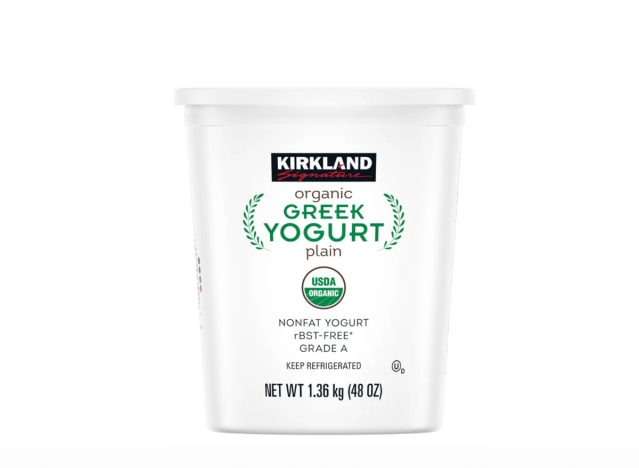
1. Kirkland Organic Greek Yogurt
Greek yogurt stands out as a nutritional powerhouse, frequently lauded by health and fitness professionals. Collingwood emphasizes its high protein content, which is crucial for satiety and the preservation of lean muscle mass during periods of caloric deficit. A standard serving (e.g., 6 ounces) of plain, non-fat Greek yogurt can provide upwards of 15-20 grams of protein, significantly more than traditional yogurt. This high protein profile helps to slow digestion, keeping individuals feeling fuller for longer and reducing the likelihood of snacking between meals. Furthermore, Kirkland Organic Greek Yogurt contains no added sugar, relying on natural lactose for its inherent sweetness. It is also rich in probiotics, beneficial bacteria that support gut health, which is increasingly recognized as playing a role in weight management and overall well-being. The organic certification provides an additional layer of appeal for consumers concerned about pesticide residues and animal welfare. Its creamy texture makes it a versatile ingredient, perfect for breakfast bowls with berries, a base for savory dips, or as a protein boost in smoothies.
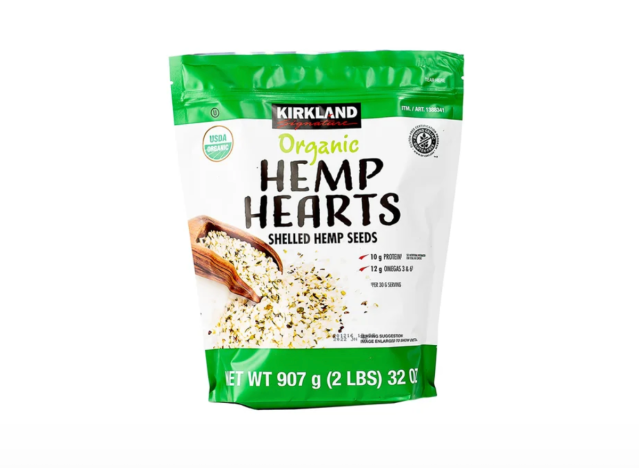
2. Kirkland Shelled Hemp Hearts
Hemp hearts, the soft inner part of hemp seeds, are a concentrated source of healthy fats, protein, and an array of essential minerals. Collingwood highlights their contribution of healthy fats, which are vital for satiety, but also cautions about their caloric density, underscoring the importance of portion control. A typical 3-tablespoon serving of hemp hearts provides approximately 10 grams of protein, 15 grams of healthy fats (including omega-3 and omega-6 fatty acids in an optimal ratio), and 3 grams of fiber. They are also rich in magnesium, iron, and zinc. The omega-3 fatty acids, particularly alpha-linolenic acid (ALA), are known for their anti-inflammatory properties and support of cardiovascular health. Incorporating hemp hearts into meals can significantly boost the nutritional value without altering flavor profiles drastically. They can be sprinkled over salads, yogurt, oatmeal, or blended into smoothies, offering a subtle nutty flavor and a satisfying texture.
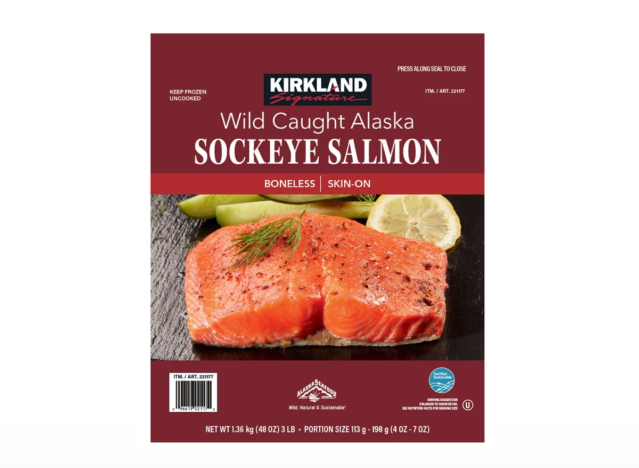
3. Wild Caught Sockeye Salmon
Salmon, particularly wild-caught sockeye, is a cornerstone of many healthy diets due to its exceptional nutritional profile. Collingwood praises its richness in protein and omega-3 fatty acids, specifically EPA and DHA, which are crucial for heart health and satiety. A 3.5-ounce serving of sockeye salmon delivers around 20-25 grams of high-quality protein and a substantial dose of omega-3s, which have been linked to reduced inflammation, improved brain function, and potential benefits in weight regulation by influencing fat metabolism. Unlike many other protein sources, salmon provides a complete amino acid profile, essential for muscle repair and growth. Buying wild-caught salmon in bulk from Costco offers significant cost savings compared to smaller retail packages, making this premium protein more accessible for regular consumption. Its versatility allows for various cooking methods—baking, grilling, pan-searing—and it pairs well with a multitude of vegetables and grains.
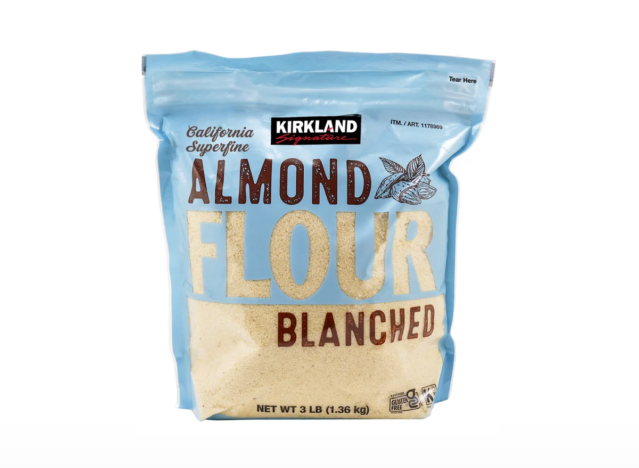
4. Kirkland Almond Flour
For those who enjoy baking or seek gluten-free alternatives, Kirkland Almond Flour is a valuable pantry staple. Collingwood notes its lower carbohydrate content compared to traditional wheat flour and its provision of healthy fats and some fiber. However, she wisely points out that its calorie density necessitates careful portion control. Almond flour is made from blanched, ground almonds, offering a distinct nutritional advantage: approximately 6 grams of protein, 3 grams of fiber, and 14 grams of healthy fats per quarter-cup serving, alongside vitamin E and magnesium. Its low glycemic index makes it suitable for individuals managing blood sugar levels. While it is a healthier alternative for baking, substituting it directly for wheat flour in recipes may require adjustments due to differences in texture and binding properties. It’s excellent for keto-friendly recipes, crusts, or as a breading for proteins.
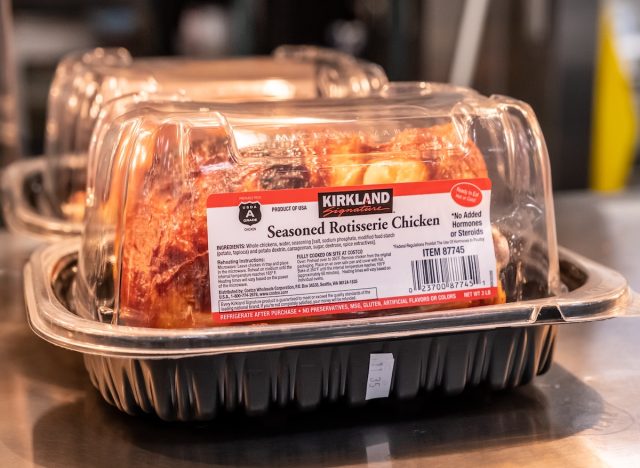
5. Rotisserie Chicken
Costco’s famously affordable $4.99 rotisserie chicken is not just a budget-friendly meal solution; it’s also a high-protein option that can significantly streamline meal preparation. Collingwood identifies it as a convenient, high-protein choice that simplifies meal prep. "Removing the skin can reduce saturated fat and calories if needed," she advises, allowing for customization based on individual dietary goals. A 3-ounce serving of skinless rotisserie chicken breast provides about 25 grams of lean protein with minimal fat. This makes it an ideal component for quick salads, sandwiches, wraps, soups, or as a standalone protein alongside vegetables. The sheer volume and affordability of Costco’s rotisserie chicken make it a household favorite, enabling busy individuals to maintain a high-protein diet without extensive cooking time or cost. Its consistent availability and predictable quality contribute to its status as a top bulk buy.
6. Kirkland Frozen Organic Berries
Frozen organic berries are a staple for many health-conscious consumers, especially those who prioritize convenience and nutrient density. Collingwood emphasizes their high fiber and antioxidant content, coupled with the absence of added sugars. "Fiber helps with fullness and blood sugar control, making them excellent for weight management," she explains. A cup of mixed berries can contain 4-8 grams of fiber, alongside a rich supply of vitamins (like Vitamin C and K) and powerful antioxidants (anthocyanins, flavonoids) that combat oxidative stress and inflammation. The freezing process locks in nutrients, making them just as nutritious as fresh berries, often more so depending on transport and storage times. Bulk bags from Costco ensure a consistent supply for smoothies, oatmeal, yogurt parfaits, or as a healthy snack, providing a sweet treat without the caloric density of processed desserts. Their organic certification addresses concerns about pesticide exposure, a common issue with conventional berries.
7. Kirkland Boneless Skinless Chicken Breast
Kirkland Boneless Skinless Chicken Breast has been a consistent bestseller for good reason: it represents a foundational lean protein source. Collingwood describes it as "a staple lean protein that is high in protein, low in fat, and very versatile. Supports satiety and muscle maintenance." A 4-ounce serving typically contains around 30-35 grams of protein with minimal fat, making it an excellent choice for individuals focused on muscle building, weight loss, or general healthy eating. The absence of bones and skin simplifies preparation and reduces fat content. Buying in bulk at Costco allows for significant savings and convenient portioning for future meals. Chicken breast can be grilled, baked, stir-fried, or shredded for use in countless recipes, offering endless possibilities for nutritious and satisfying meals throughout the week. Its neutral flavor profile makes it adaptable to various cuisines and seasonings.
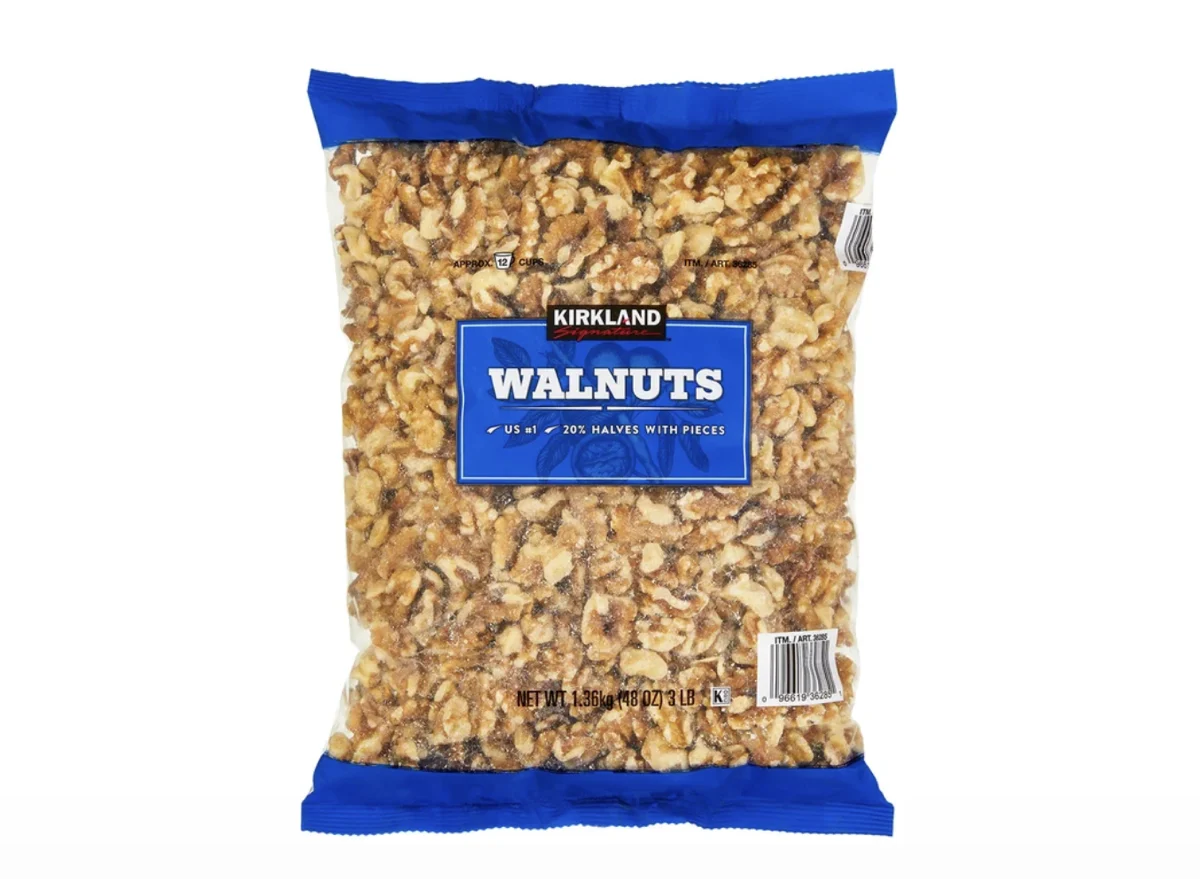
8. Kirkland Walnuts
Kirkland Walnuts are celebrated for their unique nutritional composition among nuts. Collingwood highlights their "heart-healthy fats and some fiber, which can help with fullness," reiterating the importance of "portion awareness" due to their calorie density. Walnuts are particularly notable for being the only nut with a significant amount of alpha-linolenic acid (ALA), a plant-based omega-3 fatty acid. A quarter-cup serving provides about 4 grams of protein, 2 grams of fiber, and 18 grams of healthy fats, along with antioxidants and various minerals like magnesium and phosphorus. Regular consumption of walnuts has been linked to improved cardiovascular health, reduced inflammation, and better cognitive function. While calorie-dense, their high fat and fiber content contribute to satiety, making a small handful a satisfying snack. They are excellent additions to salads, oatmeal, yogurt, or as a crunchy topping for roasted vegetables.
9. Season Brand Sardine Fillets
Season Brand Sardine Fillets, while perhaps less common in American diets, are a nutritional powerhouse that Collingwood strongly endorses as a "heart-healthy option." She states they are "packed with protein, omega-3s, and calcium (especially if bones are included). Very nutrient-dense and satisfying." Sardines are small, oily fish that provide an impressive array of nutrients: about 20-25 grams of protein per can, along with significant amounts of EPA and DHA omega-3 fatty acids, vitamin D, and calcium (especially when consumed with the softened bones). These nutrients are vital for bone health, cardiovascular function, and reducing inflammation. Furthermore, sardines are low on the food chain, meaning they have minimal mercury contamination compared to larger fish. They offer a convenient, shelf-stable source of nutrient-dense protein and can be enjoyed on crackers, toast, in salads, or incorporated into pasta dishes. Their affordability and ease of storage make them an excellent bulk buy for consistent access to these vital nutrients.
The Strategic Advantage of Bulk Buying for Health
The act of purchasing these nutrient-dense foods in bulk from Costco extends beyond mere cost savings. It is a strategic move that supports consistent adherence to healthy eating habits. Having a well-stocked pantry and freezer with wholesome options reduces the temptation to opt for less healthy, convenience-driven choices when hunger strikes or time is short. This proactive approach to meal planning and preparation is a recognized factor in successful weight management. Furthermore, the larger quantities encourage meal prepping, where individuals cook larger batches of food to last for several days, ensuring healthy meals are readily available. This practice not only saves time but also provides greater control over ingredients and portion sizes, minimizing the intake of hidden sugars, unhealthy fats, and excessive calories often found in restaurant or processed foods.
However, the bulk model also presents challenges. As Collingwood highlighted, even healthy foods can be calorie-dense, and larger quantities can inadvertently lead to overconsumption if portion control is not meticulously practiced. Consumers must be mindful of proper storage to prevent food waste, utilizing techniques like freezing, canning, or sharing with others. The initial outlay for bulk purchases can also be higher, requiring a more significant upfront investment, though this is typically offset by long-term savings.
Broader Implications and a Balanced Approach
The dietitian’s recommendations from Costco underscore a broader shift in public health messaging: away from restrictive dieting and towards an emphasis on nutrient density, satiety, and sustainable lifestyle changes. By focusing on high-protein, high-fiber, and healthy-fat foods, individuals can create satisfying meals that naturally lead to reduced caloric intake without feeling deprived. The accessibility of such foods in bulk through retailers like Costco democratizes healthy eating, making it more feasible for a wider segment of the population.
Ultimately, while these specific Costco items offer excellent nutritional foundations, weight loss and optimal health remain multifaceted journeys. Success hinges on a balanced approach that integrates these smart food choices with regular physical activity, adequate hydration, sufficient sleep, and stress management. Consulting with a registered dietitian or healthcare professional can provide personalized guidance, ensuring that dietary strategies are tailored to individual needs, health conditions, and lifestyle preferences. The goal is not just to lose weight, but to cultivate a sustainable relationship with food that supports lifelong well-being.
