








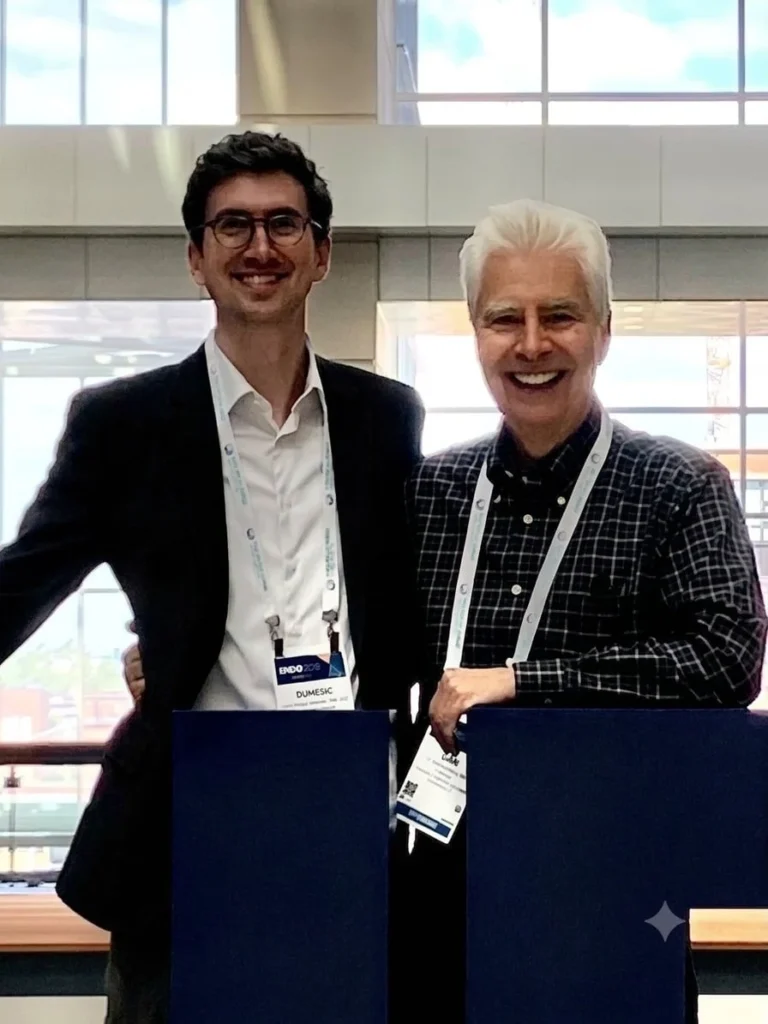
The upcoming ENDO 2026 meeting is set to showcase a rare intersection of family legacy and scientific advancement, as Dr. Daniel Dumesic and his son, Dr. Phillip Dumesic, prepare to present research that, while independent in origin, converges on the fundamental biology of human metabolism. This father-and-son duo represents two distinct generations of medical inquiry, moving from the clinical management of complex syndromes to the granular molecular mechanisms that govern how the body stores and utilizes energy. Their presence at the Endocrine Society’s annual meeting highlights a unique "full circle" moment in the field, where the macroscopic observations of the father’s career are being decoded by the microscopic discoveries of the son.
The Rebranding of a Syndrome: From PCOS to PMOS
A central theme of the Dumesics’ current discourse is the recent international consensus to rename Polycystic Ovary Syndrome (PCOS) to Polyendocrine Metabolic Ovarian Syndrome (PMOS). This shift, finalized just prior to the ENDO 2026 preparations, marks a significant evolution in medical nomenclature. Originally described in the 1930s as Stein-Leventhal syndrome, the condition has long been a source of diagnostic confusion. The term "polycystic" was often a misnomer, as the "cysts" observed are actually small follicles arrested in development rather than pathological growths.
According to data from the Endocrine Society, PMOS affects approximately one in eight women worldwide, making it one of the most prevalent endocrine disorders in the reproductive-age population. However, the condition’s reach extends far beyond fertility. The new name, PMOS, is intended to reflect the multisystem nature of the disorder, which involves reproductive, metabolic, and psychological components. The syndrome is notoriously heterogeneous, often categorized into two primary subtypes: the reproductive subtype, characterized by high luteinizing hormone (LH) and testosterone with lower body mass index (BMI), and the metabolic subtype, which is linked to insulin resistance, high triglycerides, and an increased risk of type 2 diabetes.

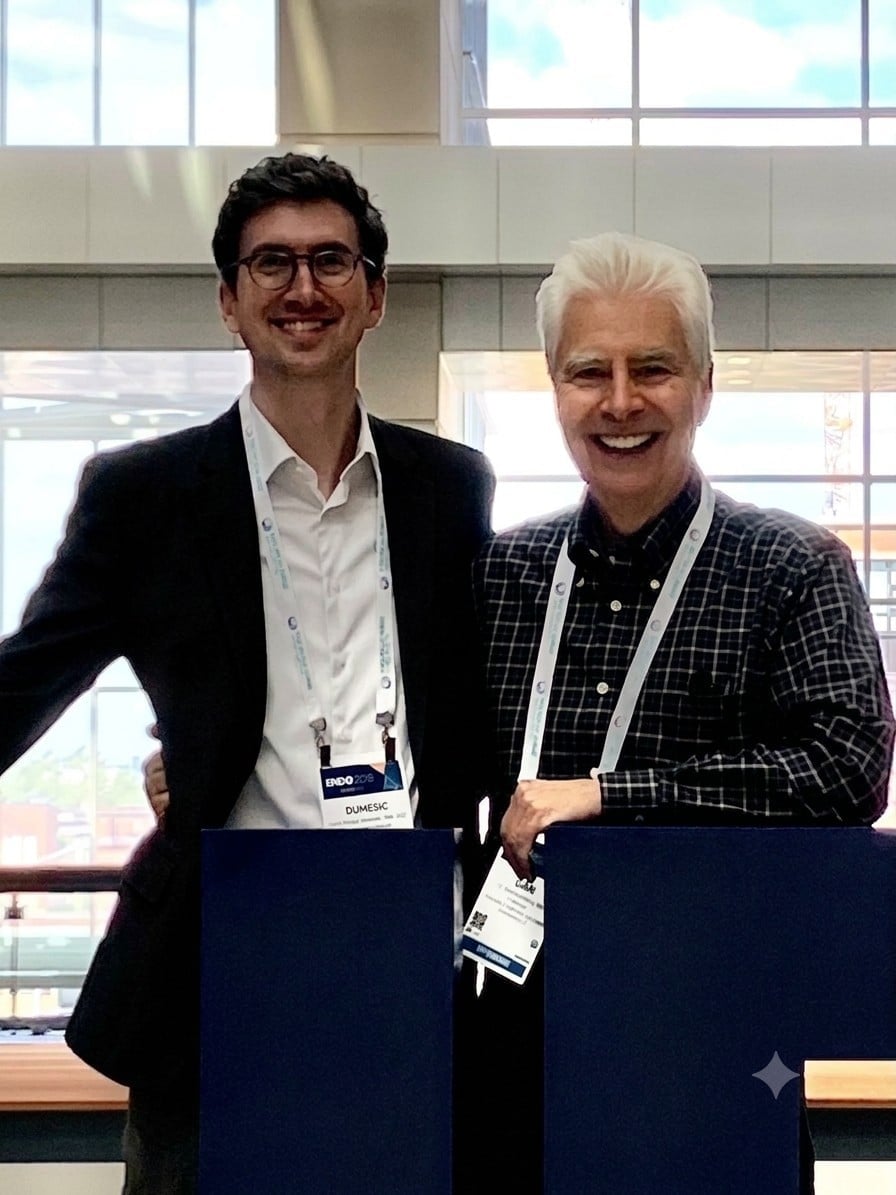
Dr. Daniel Dumesic, a professor at the David Geffen School of Medicine at UCLA and a leading expert in the field, notes that while the name has changed, the underlying physiology remains a complex puzzle. The rebranding is a formal acknowledgment that the ovaries are often the "innocent bystanders" of a broader metabolic disruption that impacts cardiovascular health and hepatic function over a patient’s lifetime.
The Evolutionary Perspective: Adaptation Turned Pathology
A significant portion of Dan Dumesic’s recent scholarly work involves reframing PMOS through the lens of evolutionary biology. In a landmark 2025 paper titled "The Endocrinological Basis for Polycystic Ovary Syndrome: An Evolutionary Perspective," published in Endocrinology, Dumesic and his colleagues argued that the traits associated with PMOS—specifically hyperandrogenism and insulin resistance—were once survival advantages.
In ancient environments characterized by intermittent food scarcity and high physical demands, the ability to store fat efficiently and maintain high muscle strength was a biological boon. Androgen excess may have protected women against bone fractures and enhanced physical endurance for foraging. Furthermore, the irregular ovulation associated with the syndrome may have served as a natural mechanism for spacing pregnancies, thereby reducing maternal mortality in harsh conditions.
However, the transition to what Dr. Dumesic calls "market integration"—the adoption of a Westernized lifestyle defined by caloric surplus and physical inactivity—has turned these ancient adaptations into modern liabilities. Data from subsistence-level societies, such as the Turkana pastoralists, show that metabolic diseases are virtually non-existent until these populations transition to urbanized environments. In the modern context, the genetic predisposition for efficient energy storage leads rapidly to obesity, which then accelerates the metabolic dysfunction inherent in PMOS.
Molecular Foundations: Phillip Dumesic’s Research at UCSF
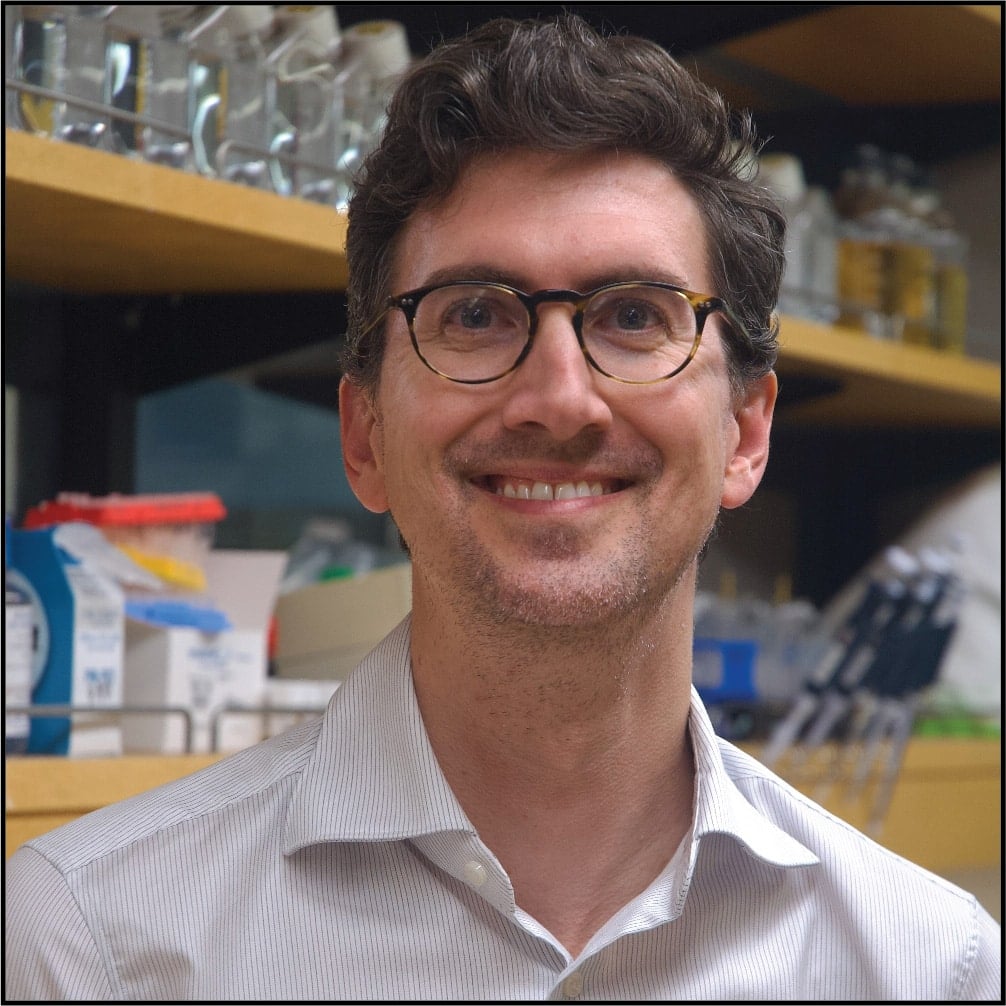
While the elder Dumesic focuses on the systemic and evolutionary aspects of metabolism, Dr. Phillip Dumesic, an assistant professor at the University of California – San Francisco (UCSF) Diabetes Center, approaches the field from the perspective of gene regulation. Phillip’s career path was not a direct imitation of his father’s; it began in cancer biology at Stanford and evolved through a rigorous MD-PhD program at UCSF, where he specialized in the molecular mechanisms of gene silencing.
Phillip’s research explores how cells make the fundamental "decision" to transform chemical energy into storage or work. His work in the laboratory of Bruce Spiegelman at the Dana-Farber Cancer Institute focused on mitochondrial biogenesis and the role of mRNA translation in metabolic control. Now, at his own lab in San Francisco, he utilizes "reductionist" tools to understand how proteins regulate gene activity in response to systemic signals.
Phillip’s interest in the Endocrine Society was encouraged by mentors who emphasized that molecular biology must remain tethered to physiology. By studying nuclear hormone receptors and chromatin regulation, his lab seeks to understand what goes wrong at the cellular level during metabolic failure, including conditions like obesity and cancer-associated cachexia (muscle wasting).
The Convergence at the Adipocyte
The research of both father and son eventually meets at the adipocyte, or fat cell. Dr. Gregorio Chazenbalk, a long-time collaborator of Dan Dumesic, conducted studies on subcutaneous abdominal tissue in normal-weight women with PMOS. The findings revealed that even in lean women, adipose stem cells showed an accelerated accumulation of lipids during maturation. This process was found to be correlated with circulating androgen levels, suggesting that the "metabolic clock" of a woman with PMOS is set to store fat more aggressively from a very early age.
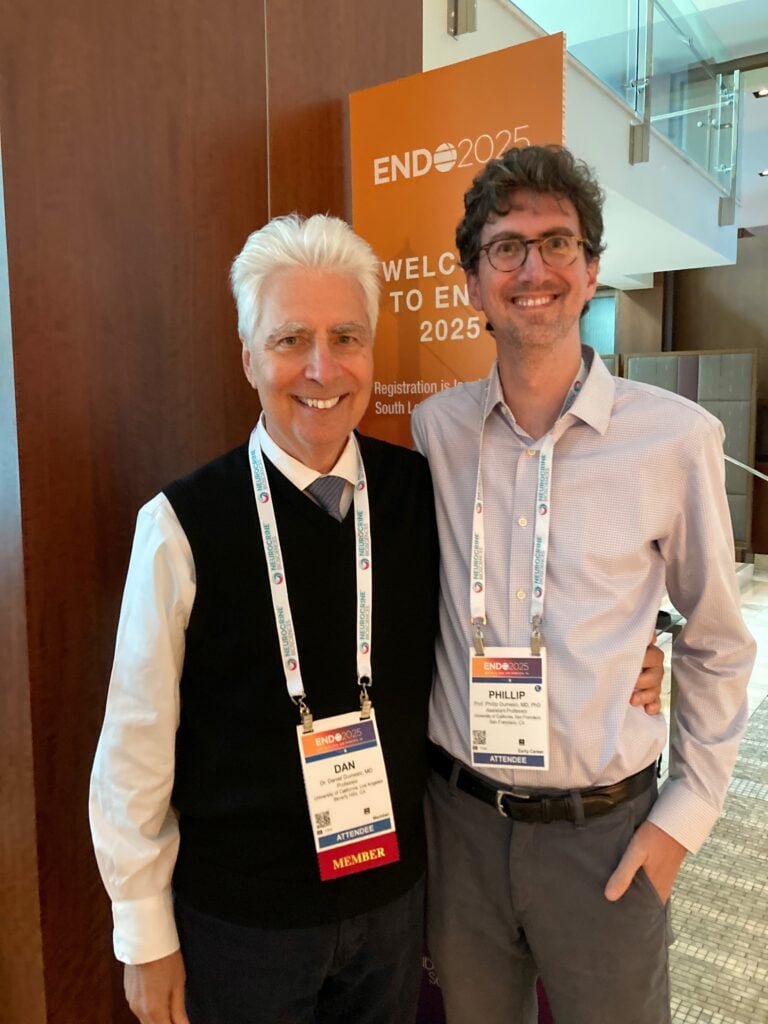
This is where Phillip’s molecular expertise becomes vital. The "molecular tools" he develops to study stem cell differentiation—specifically why a cell chooses to become a fat cell versus a muscle cell—provide the mechanical explanation for the clinical observations made by his father. The Dumesics posit that the androgen-dependent acceleration of lipid accumulation is a primary driver of the weight gain that eventually leads to type 2 diabetes.
Supporting data highlights the stakes of this research. A long-term prospective study published in Diabetes followed women with the syndrome for 17 years and found that nearly 40% developed type 2 diabetes, a rate seven times higher than the general population. This risk was directly tied to baseline BMI and androgen levels, reinforcing the need for early molecular and clinical intervention.
Clinical Implications and the Transgenerational Cycle
One of the most sobering aspects of the Dumesics’ shared work is the evidence of a transgenerational cycle. In an "obesogenic" environment, a pregnant woman with PMOS may pass metabolic alterations to her female fetus through the placenta. This exposure can lead to epigenetic changes and altered ovarian development before the daughter is even born, predisposed her to PMOS in adulthood.
To break this cycle, Dan Dumesic advocates for a proactive, pediatric approach to endocrinology. He argues that waiting until a woman seeks fertility treatment in her 30s is often too late to reverse the metabolic damage. Instead, identifying "red flags" in adolescents—such as sustained testosterone overproduction and menstrual irregularity in those with a family history—allows for earlier lifestyle modifications.

Research by Michelle M. Song, a student in Dan’s lab, further clarifies these clinical boundaries. Her work, which will be presented at ENDO 2026, focuses on normal-weight women with PMOS. Her data suggests that women who maintain a healthy BMI have significantly better reproductive outcomes than those with obesity, suggesting that metabolic health, rather than just the presence of the syndrome itself, is the primary predictor of IVF success.
Legacy and the Future of Metabolic Medicine
The Dumesic story is not merely one of shared professional interests but of a shared intellectual rigor. Phillip recalls hearing his father through the study door at night, meticulously refining the language of his research papers. This "precise thinking" became the foundation for Phillip’s own scientific approach.
At ENDO 2026, Phillip will co-chair a symposium honoring the late Dr. David Mangelsdorf, a pioneer in the study of orphan nuclear receptors. This role signifies Phillip’s emergence as a leader in the basic science community, while his father continues to push the boundaries of clinical physiology.
As the medical community moves toward more personalized and precision-based treatments, the synergy between the Dumesics’ work offers a roadmap. By combining the "top-down" evolutionary and physiological insights of Dan Dumesic with the "bottom-up" molecular discoveries of Phillip Dumesic, the field of endocrinology moves closer to understanding the fundamental nature of metabolic health. Their collaboration—both literal and thematic—underscores a vital truth in modern medicine: to solve the complex diseases of the future, we must understand both the history of the species and the minute-to-minute decisions of the single cell.