

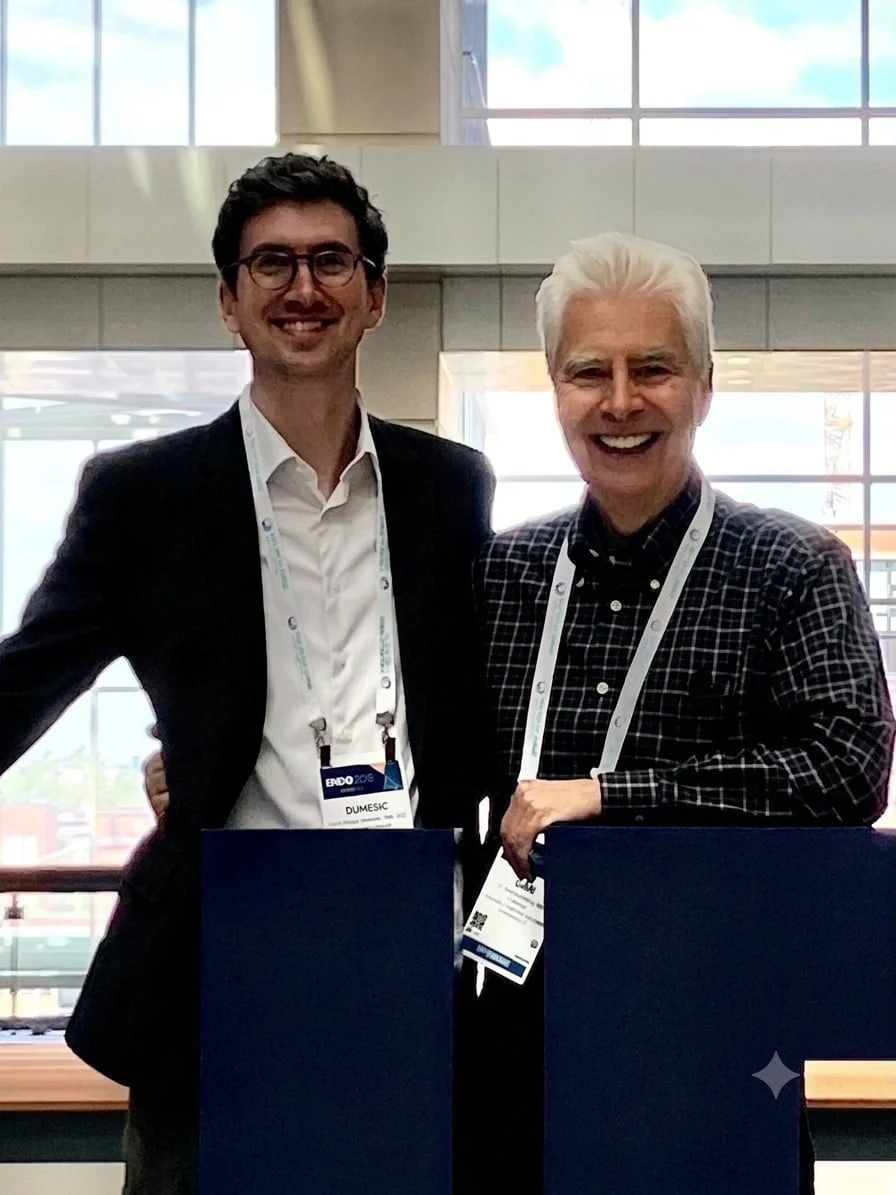
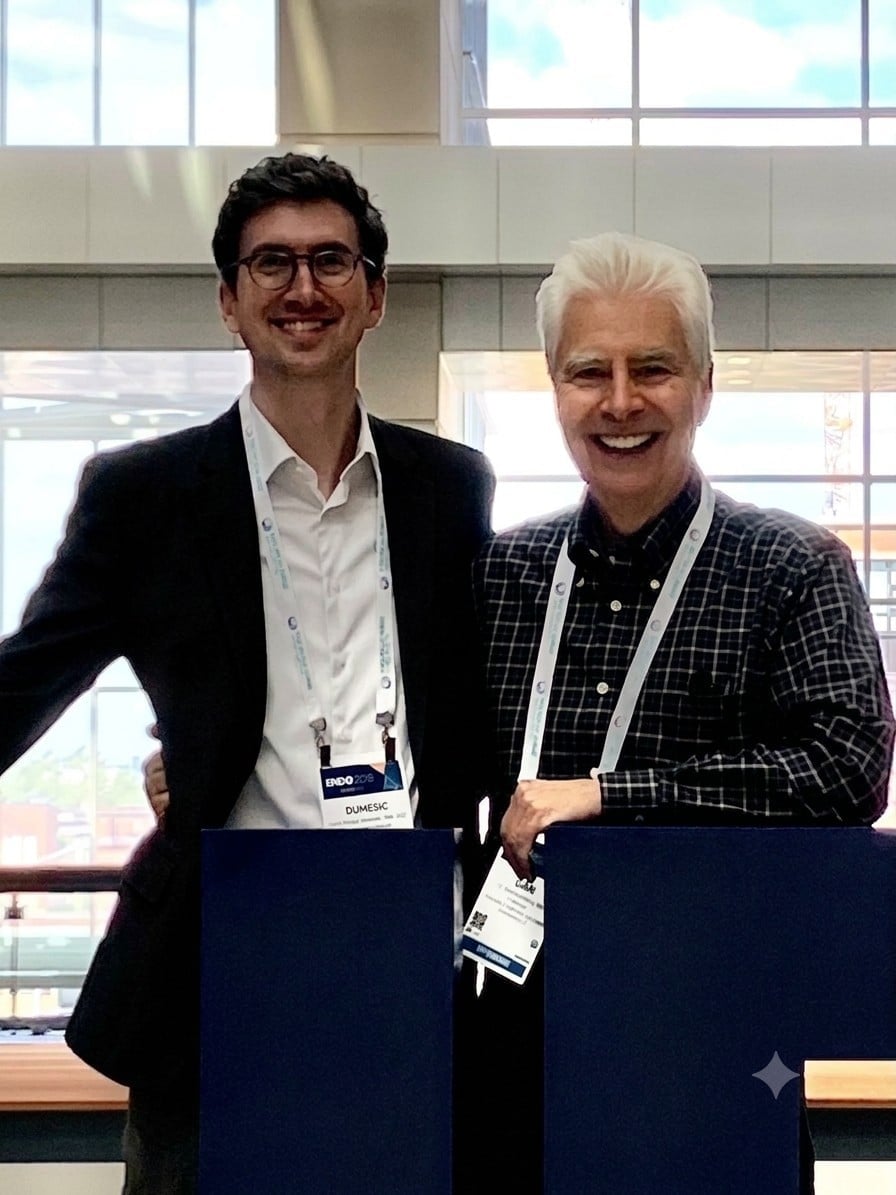
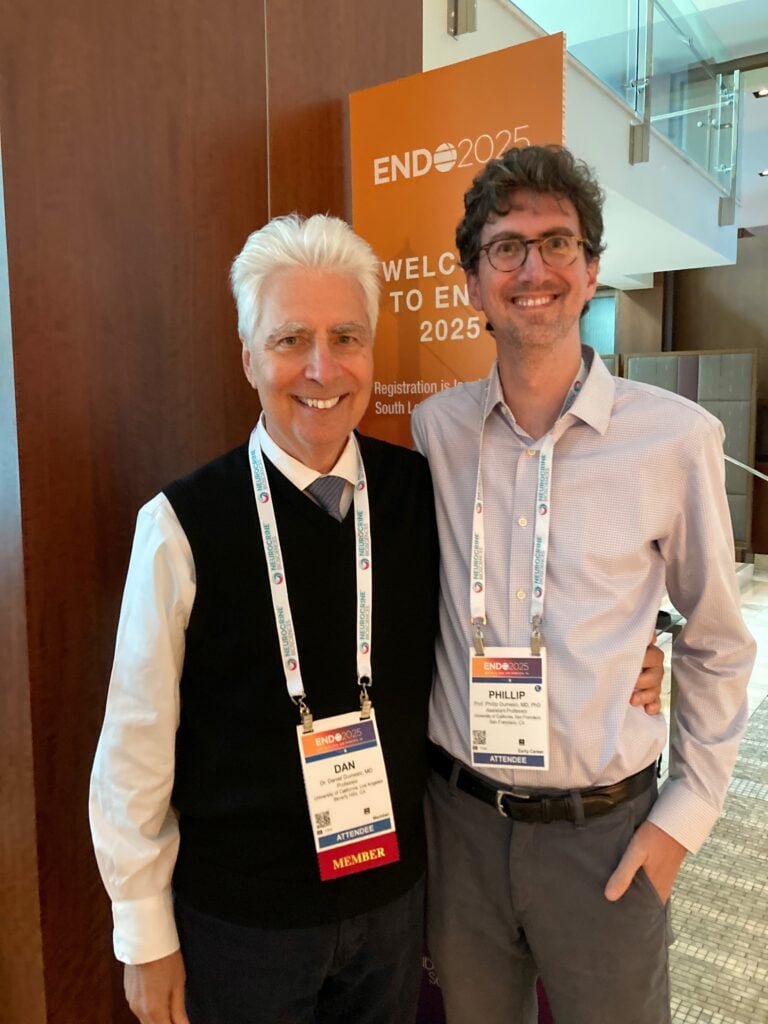
The upcoming ENDO 2026 meeting is set to showcase a rare intersection of familial legacy and scientific synergy as two generations of the Dumesic family present distinct but deeply interconnected research programs. Dr. Daniel Dumesic, a renowned expert in reproductive endocrinology at the David Geffen School of Medicine at UCLA, and his son, Dr. Phillip Dumesic, an assistant professor at the University of California, San Francisco (UCSF) Diabetes Center, represent a unique convergence of clinical physiology and basic molecular biology. While their specific laboratories operate in different cities and focus on different scales of biological inquiry—from the systemic evolution of disease to the microscopic regulation of gene expression—their work increasingly meets at the cellular level of the adipocyte.
The Evolution of a Diagnosis: From PCOS to PMOS
One of the most significant developments framing the Dumesic family’s recent work is the international consensus to rename Polycystic Ovary Syndrome (PCOS) to Polyendocrine Metabolic Ovarian Syndrome (PMOS). This change, announced shortly before the 2026 meeting, marks a paradigm shift in how the medical community views one of the most common endocrine disorders in reproductive-aged women. Affecting approximately one in eight women globally, the condition has long been a source of clinical confusion due to its heterogeneous presentation.
The new nomenclature, PMOS, is designed to correct the historical "misnomer" of the term "polycystic." As noted in recent literature published in The Lancet, the presence of follicles in the ovaries—often mistaken for pathological cysts—is only one facet of a multi-systemic disorder. PMOS encompasses a broad spectrum of endocrine, metabolic, reproductive, and psychological features. Dr. Daniel Dumesic, who has spent decades studying the condition, observes that while names change from the 1930s "Stein-Leventhal syndrome" to the modern PMOS, the underlying physiology remains a complex interplay of androgen excess and metabolic dysfunction.
The syndrome is generally categorized into two subtypes: the reproductive subtype and the metabolic subtype. The reproductive subtype typically features higher levels of luteinizing hormone (LH) and testosterone but lower body mass index (BMI) and insulin levels. Conversely, the metabolic subtype is characterized by lower LH and high-density lipoprotein (HDL) levels, alongside higher glucose, insulin, and triglycerides. Research indicates that as patients age, they often transition from the reproductive to the metabolic subtype, increasing their risk for type 2 diabetes, cardiovascular disease, and hepatic steatosis.
An Evolutionary Perspective on Metabolic Disease
A cornerstone of Dr. Daniel Dumesic’s recent contributions is the reframing of PMOS through an evolutionary lens. In a landmark 2025 paper titled "The Endocrinological Basis for Polycystic Ovary Syndrome: An Evolutionary Perspective," Dumesic and his colleagues argued that the traits now associated with PMOS were once survival advantages. In ancient environments characterized by food scarcity and high physical demand, traits such as hyperandrogenism, insulin resistance, and abdominal fat accumulation helped maintain glucose levels for the brain and provided energy reserves for foraging and immune defense.
This "mismatch" theory suggests that "market integration"—the transition to a Westernized lifestyle with energy-dense foods and sedentary behavior—has turned these survival mechanisms into a pathological state. Data from modern subsistence societies, such as the Turkana pastoralists in Tanzania, show that when these populations adopt Western habits, the prevalence of metabolic disease spikes. For women with a genetic predisposition to PMOS, this environment triggers a cycle of weight gain and metabolic acceleration that is difficult to reverse.
The evolutionary model also highlights an intergenerational dimension. Pregnant women with PMOS can transmit metabolic alterations to their female fetuses through the placenta, leading to lifelong epigenetic changes. This means a daughter may be biologically predisposed to PMOS before she is even born, creating a cycle that Dr. Daniel Dumesic’s laboratory is actively seeking to break through early intervention and preventive care.
Bridging the Gap: Adipose Stem Cells and Molecular Tools
The clinical observations of the elder Dumesic are being substantiated by molecular investigations that intersect with the work of his son, Phillip. Collaborative research involving Dr. Gregorio Chazenbalk has focused on subcutaneous abdominal tissue in normal-weight women with PMOS. This research found that adipose stem cells in these women exhibit accelerated lipid accumulation during maturation, a process that correlates with circulating androgen levels.
When these subjects were treated with the anti-androgen flutamide, the accelerated lipid accumulation was partially attenuated, and abdominal fat mass decreased. This suggests that the metabolic "programming" of fat cells is at least partially dependent on male hormones. These findings provide a biological explanation for why lean women with PMOS are still at higher risk for metabolic complications and why weight gain, once it occurs, is so difficult to manage.
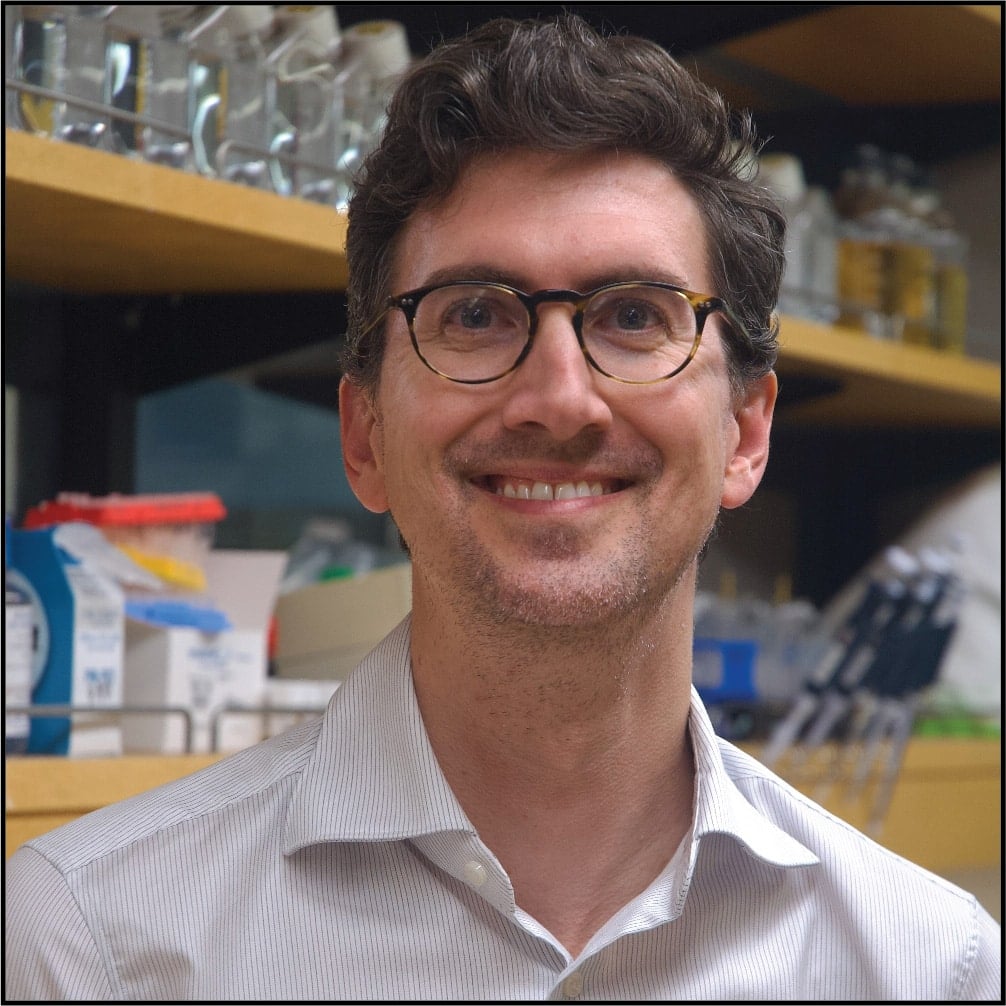
This is where the research of Dr. Phillip Dumesic provides a deeper layer of understanding. Phillip’s laboratory at the UCSF Diabetes Center investigates the molecular mechanisms of gene regulation—specifically how cells decide to activate or silence genes in response to metabolic signals. By studying RNA interference, DNA methylation, and mitochondrial biogenesis, Phillip is uncovering the "instruction manual" that fat cells use to transform and store energy.
Phillip Dumesic: A Trajectory from Basic Science to Physiology
Dr. Phillip Dumesic’s path to the UCSF faculty was marked by a rigorous focus on the fundamental building blocks of biology. After studying cancer biology at Stanford and completing an MD-PhD at UCSF, he pursued a postdoctoral fellowship with Bruce Spiegelman at the Dana-Farber Cancer Institute. There, he focused on how regulated mRNA translation controls mitochondrial metabolism.
While his father’s work is rooted in patient-facing clinical physiology, Phillip’s approach is reductionist, seeking to understand the specific proteins and signaling pathways that govern cellular behavior. However, as he established his own lab in 2024, he found that the field of endocrinology provided the perfect bridge between his interest in gene regulation and the systemic reality of human health.
The younger Dumesic’s work on cancer-associated cachexia and sarcopenia further expands the family’s reach into muscle physiology and energy wasting. He notes that gene expression researchers must remain connected to physiology to understand what systemic signals—such as hormones—are telling individual cells to do. This philosophy led him to co-chair a symposium at ENDO 2026 honoring the late Dr. David Mangelsdorf, a pioneer in the field of orphan nuclear receptors.
Supporting Data: The Long-Term Risks of PMOS
The necessity of the Dumesics’ research is underscored by stark clinical data. A long-term prospective study published in Diabetes followed 255 women with the condition over 17 years. The results showed that the age-standardized prevalence of type 2 diabetes in these women reached 39.3%, compared to just 5.8% in the general female population of the same age. This nearly seven-fold increase in risk highlights the critical nature of early detection.
Furthermore, research by Michelle M. Song, a student in Daniel Dumesic’s lab, has refined our understanding of how BMI impacts reproductive outcomes. Her data, presented at ENDO 2026, confirms that normal-weight women with PMOS maintain relatively high success rates with IVF, whereas those with obesity face significantly reduced pregnancy outcomes. This distinction is vital for clinicians, as it prevents "misplaced pessimism" regarding the reproductive potential of lean PMOS patients while emphasizing the need for metabolic protection in those with higher BMIs.
A Shared Legacy of Precision
Beyond the laboratory, the Dumesic story is one of mentorship and the transmission of intellectual values. Phillip recalls hearing his father through the door of his home study, meticulously refining the language of his research papers. This "precise thinking" became the blueprint for Phillip’s own career. While Daniel and his wife, Iva, encouraged Phillip to find his own path, they acknowledge the profound satisfaction of seeing their son contribute to the same field.
Daniel Dumesic views the current phase of his career as a "handing off of the baton." However, this is not a traditional retirement; rather, it is a scientific integration. The tools Phillip uses—molecular probes, gene sequencing, and protein analysis—are the very instruments needed to solve the clinical mysteries Daniel has documented for decades.
Broader Implications and the Future of Endocrinology
The convergence of the Dumesics’ work reflects a broader trend in modern medicine: the blurring of the line between basic science and clinical practice. As Phillip’s lab at UCSF grows, incorporating junior specialists and medical fellows, his goal is to integrate cellular decision-making with systemic metabolic control. By understanding how an individual fat cell "decides" to store lipid, he can help explain why a patient with PMOS develops insulin resistance.
The Dumesic narrative serves as a testament to the importance of the Endocrine Society in fostering a community where molecular biologists and clinical physiologists can collaborate. In an era where scientific funding is increasingly difficult to secure and researchers often retreat into specialized "silos," the shared stage at ENDO 2026 represents a victory for interdisciplinary—and intergenerational—science.

As PMOS continues to be redefined, the combined efforts of father and son offer a comprehensive roadmap for the future. From the evolutionary history of our ancestors to the microscopic regulation of our genes, the Dumesics are proving that while a condition may be known by many names, the pursuit of physiological truth remains a singular, enduring mission.
