


The landscape of American biomedical research faces a period of significant transition and potential volatility as the Office of Management and Budget (OMB) moves forward with a series of proposed regulatory changes that could redefine the relationship between federal agencies and the scientific community. On May 29, the OMB unveiled a set of sweeping revisions to the "Uniform Administrative Requirements, Cost Principles, and Audit Requirements for Federal Awards," commonly known as the Uniform Guidance. While these rules are ostensibly designed to streamline the administration of federal grants, the Endocrine Society and other major scientific organizations have raised urgent alarms regarding provisions that could subject scientific merit to political volatility.
Under the proposed framework, the executive branch would gain unprecedented authority over the distribution and maintenance of federal research funding. The most contentious aspect of the rule involves the empowerment of political appointees to intervene in the grant-making process. Historically, agencies such as the National Institutes of Health (NIH) and the National Science Foundation (NSF) have relied on a rigorous, non-partisan peer-review system to ensure that funding is allocated based on scientific excellence and public health potential. The proposed OMB rule threatens to bypass this foundation, allowing officials to block awards that do not align with the specific policy priorities of a sitting administration. Furthermore, the rule would grant federal agencies the power to terminate active grants at any time without a formal appeals process, creating a precarious environment for long-term longitudinal studies and high-risk, high-reward research.
The Threat to Scientific Integrity and Global Collaboration
The Endocrine Society’s opposition to the OMB proposal is rooted in the belief that science must remain insulated from the shifting tides of political cycles. If finalized, the rule would not only affect the selection of research topics but also the logistics of scientific dissemination. The proposal includes new restrictions on publication costs, which could hinder the transition toward open-access publishing—a movement designed to make taxpayer-funded research freely available to the public. Additionally, the rule seeks to impose stricter oversight and limitations on international collaborations. In the field of endocrinology, where global health crises such as the diabetes pandemic and the rise of endocrine-disrupting chemicals require cross-border data sharing, such restrictions could significantly delay breakthroughs.
The timeline for these changes is aggressive, with the OMB seeking implementation within the current calendar year. In response, the Endocrine Society has mobilized its membership, calling for a unified front against the measure. The Society has submitted formal comments to the OMB urging the total withdrawal of the rule and has begun a concerted lobbying effort on Capitol Hill, asking Congress to exercise its oversight authority to prevent the executive branch from undermining the merit-based foundation of American science.
Momentum and Obstacles for the INSULIN Act
Parallel to its efforts in the regulatory sphere, the Endocrine Society is spearheading a legislative push to address the skyrocketing cost of insulin. The bipartisan INSULIN Act, introduced by Senators Jeanne Shaheen (D-NH) and Susan Collins (R-ME), has recently gained significant momentum in the U.S. Senate. As of July, the legislation has garnered the support of 28 bipartisan cosponsors, a notable achievement in a deeply polarized legislative environment.
The INSULIN Act aims to provide financial relief to the millions of Americans living with diabetes who struggle to afford life-saving medication. The bill proposes a $35 monthly cap on out-of-pocket costs for insulin for individuals with private insurance. Furthermore, it seeks to establish a pilot program in 10 states to provide similar relief to the uninsured, a population that often faces the full, undiscounted list price of insulin, which can exceed $300 per vial.
The economic burden of diabetes in the United States is staggering. According to data from the American Diabetes Association, the total estimated cost of diagnosed diabetes in 2022 was $412 billion, including $306 billion in direct medical costs. For many patients, the high cost of insulin leads to "rationing"—the dangerous practice of taking less medication than prescribed—which often results in severe complications such as kidney failure, blindness, and ketoacidosis. The INSULIN Act represents a structural attempt to decouple the price of survival from a patient’s socioeconomic status.
Legislative Maneuvers in the Senate HELP Committee
The path to passing the INSULIN Act has been marked by both progress and procedural hurdles. During a recent session of the Senate Health, Education, Labor, and Pensions (HELP) Committee, Senator Bernie Sanders (I-VT) introduced an amendment to attach the INSULIN Act to a broader package of health-related legislation. While the Sanders amendment received bipartisan support and passed within the committee, the momentum was temporarily stalled by the committee’s Chairman, Senator Bill Cassidy (R-LA).
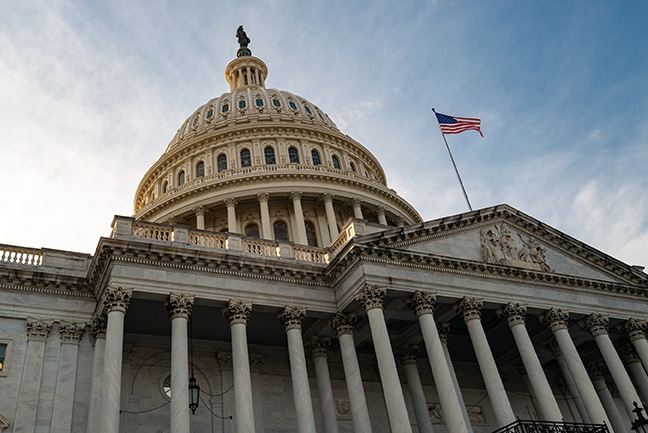
Chairman Cassidy opted to cancel a final vote on the overall bill package, citing the need for a more comprehensive analysis of the legislation’s fiscal impact. Specifically, the Congressional Budget Office (CBO) must provide a "score" to determine how the bill would affect federal spending and insurance premiums. Despite this delay, the outlook remains cautiously optimistic. Chairman Cassidy indicated that he is open to revisiting the legislation during a scheduled markup in July, provided the necessary cost data is available. The Endocrine Society has been instrumental in this process, coordinating with other diabetes advocacy groups to sign joint letters of support and engaging directly with the Senate Diabetes Caucus to ensure the bill remains a top priority for the summer legislative session.
Launch of the Medicare GLP-1 Bridge Program
In a significant victory for obesity medicine, the Centers for Medicare and Medicaid Services (CMS) officially launched the Medicare Bridge Program on July 1. This initiative is designed to expand access to Glucagon-like peptide-1 (GLP-1) receptor agonists, a class of medications that has revolutionized the treatment of obesity and type 2 diabetes. Under the new program, eligible Medicare Part D beneficiaries can access certain GLP-1 medications for weight loss with a fixed $50 co-pay.
For years, Medicare has been prohibited by law from covering medications specifically for weight loss, a policy dating back to the Medicare Modernization Act of 2003. At that time, obesity was often viewed through a lens of lifestyle choice rather than as a chronic disease. However, the medical consensus has shifted, with the Endocrine Society and other major medical bodies recognizing obesity as a complex metabolic disorder with profound implications for cardiovascular health and overall longevity.
The Bridge Program represents a pivot in federal policy. To qualify, beneficiaries must meet specific clinical criteria, and healthcare providers must submit a prior authorization request. This process ensures that the medications are prescribed to those with a clear medical necessity, such as individuals with a body mass index (BMI) over a certain threshold who also suffer from comorbidities like hypertension or obstructive sleep apnea.
Broader Implications for Public Health and Policy
The simultaneous developments regarding the OMB rule, the INSULIN Act, and the GLP-1 Bridge Program highlight a critical juncture for the American healthcare and research infrastructure. These issues are deeply interconnected; the research protected from political interference today leads to the breakthrough therapies like GLP-1s that require equitable access policies tomorrow.
The Endocrine Society’s dual focus on protecting the sanctity of research and ensuring the affordability of treatment reflects a holistic approach to medical advocacy. By opposing the OMB rule, the Society is defending the "long game" of scientific discovery. By pushing for the INSULIN Act and supporting the Medicare Bridge Program, it is addressing the immediate, life-or-death financial crises facing patients.
As the summer progresses, the scientific community remains on high alert. The outcome of the OMB’s rulemaking process will signal whether the U.S. will maintain its status as the global leader in independent, merit-based biomedical research. Simultaneously, the movement of the INSULIN Act through the Senate HELP Committee will serve as a litmus test for Congress’s ability to deliver bipartisan solutions to the drug pricing crisis.
For clinicians and researchers, these policy battles are not merely academic. The ability of a physician to prescribe the most effective medication, and the ability of a scientist to pursue a promising line of inquiry without fear of political reprisal, are the twin pillars of a functioning healthcare system. The Endocrine Society continues to urge its members to participate in these efforts, providing tools for online advocacy and educational sessions at upcoming meetings like the Clinical Endocrinology Update (CEU). The message from the Society is clear: the future of endocrine science and patient care depends as much on the halls of Congress as it does on the benches of the laboratory.
