

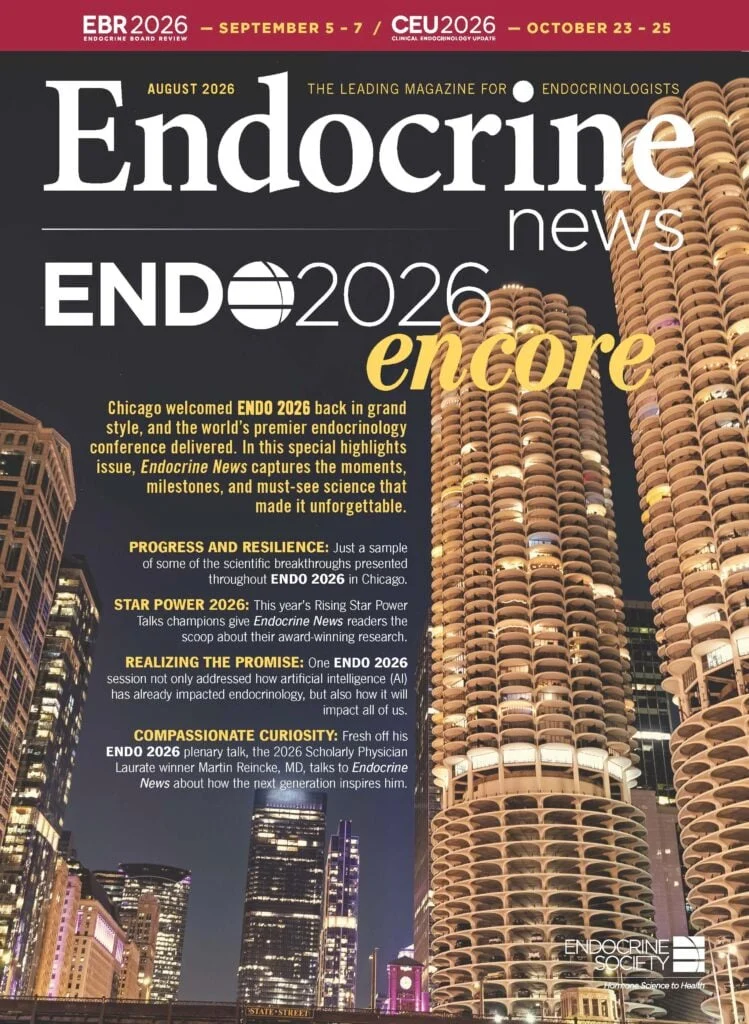
The Endocrine Society’s annual meeting, ENDO 2026, concluded its residency at Chicago’s McCormick Place this past June, marking a pivotal moment in the evolution of endocrine science and clinical practice. As the global medical community sifts through the wealth of data and insights presented during the conference, the event is being recognized not merely for its scale, but for its focus on the intersection of emerging technologies and traditional metabolic research. From the integration of artificial intelligence (AI) in clinical workflows to the rapid advancement of pharmacological interventions for obesity, the sessions underscored a field in the midst of a profound transformation. With thousands of attendees navigating the expansive halls of the Windy City’s premier convention center, the conference served as a barometer for the current state of endocrinology and a roadmap for its future.
The Digital Transformation: Artificial Intelligence in Clinical Practice
One of the most heavily attended and discussed sessions of the conference focused on a topic that has transcended the realm of science fiction to become a cornerstone of modern medical discourse: artificial intelligence. The session, titled "Artificial Intelligence in Endocrinology: Practical Uses, Lessons Learned, and What Comes Next," sought to move beyond the theoretical "hype" of AI and provide a grounded assessment of its current utility in the clinic.
Dr. Naykky M. Singh Ospina, a professor in the Division of Endocrinology, Diabetes, and Metabolism at the University of Florida in Gainesville, provided a critical perspective on the disruptive potential of these technologies. According to Dr. Singh Ospina, the medical community has spent years anticipating how AI might alter the landscape of healthcare. The 2026 session served as a necessary reflection on the tangible changes that have occurred and the hurdles that remain. The discussion focused on answering immediate questions for practitioners: what AI tools are currently available for clinical use, and has the expected disruption actually materialized?

The consensus among experts suggested that while AI has not yet replaced the clinical intuition of the endocrinologist, it is significantly enhancing diagnostic precision and administrative efficiency. Supporting data in the field indicates that AI-driven algorithms are increasingly proficient at interpreting complex datasets from continuous glucose monitors (CGMs) and thyroid ultrasound imaging. In some studies, AI models have demonstrated an ability to predict hypoglycemic events in diabetic patients with up to 90% accuracy several hours before they occur. However, the session also highlighted the "black box" nature of some algorithms, emphasizing the need for transparency and rigorous validation before these tools can be fully integrated into standard care protocols to improve patient outcomes.
Chronology of Innovation: Highlights from the McCormick Place Floor
The timeline of ENDO 2026 was structured to balance high-level plenary sessions with granular, data-driven workshops. Senior Editor Derek Bagley’s retrospective, "ENDO 2026: Progress and Resilience," captured the frenetic energy of the event as it moved from the grand ballrooms to the more intimate settings of the expo hall.
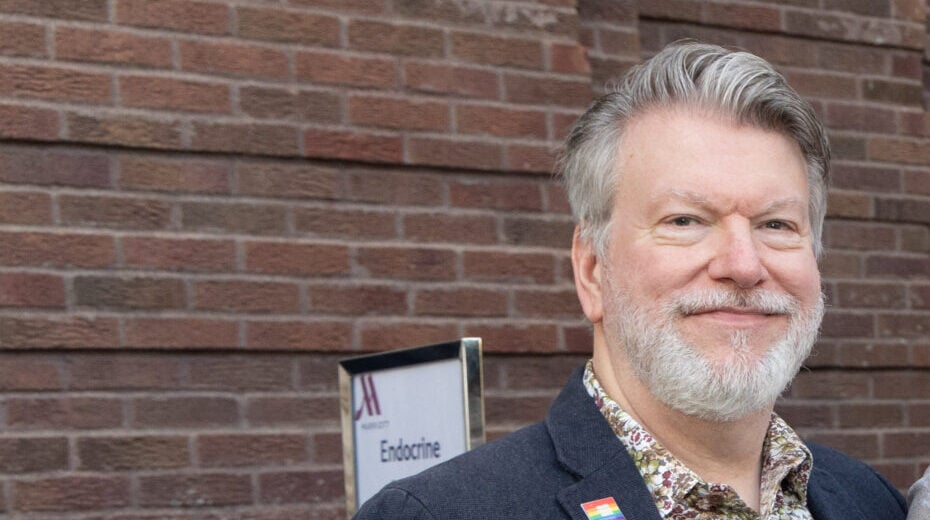
A significant moment in the conference’s chronology occurred during the post-plenary session featuring Dr. Barbara Kahn and Dr. Daniel Drucker. This session, which drew a standing-room-only crowd, focused on the future of obesity treatments. The timing of this discussion was particularly relevant, given the global surge in the use of GLP-1 receptor agonists. As these medications become more prevalent, the medical community is grappling with their long-term implications and their role relative to traditional interventions.
Dr. Drucker, a pioneer in the study of gut hormones, and Dr. Kahn, an expert in insulin resistance, engaged with an eager audience to discuss the "next round" of metabolic therapies. While acknowledging the unprecedented effectiveness of the latest pharmaceutical interventions, Dr. Kahn pointed out a critical nuance in patient choice. Some patients continue to opt for bariatric surgery, viewing it as a "one and done" solution rather than a lifelong commitment to medication. This highlights a broader challenge in the field: the need for environmental and systemic changes to address the obesity epidemic. According to recent health statistics, global obesity rates have nearly tripled since 1975, necessitating a multifaceted approach that combines advanced pharmacology with public health initiatives and surgical options.
Empowering the Next Generation: The Rising Stars Power Talks
A recurring highlight of the ENDO conference is the Rising Stars Power Talks, a fast-paced "quick-fire" session where early-career researchers and trainees are given exactly three minutes to present their data. This format tests the presenters’ ability to distill complex scientific concepts into accessible and compelling narratives. The 2026 session was judged by a panel of industry experts and professional peers, reflecting the growing collaboration between academic research and the private sector.
The winners of the 2026 Power Talks represent the diverse facets of modern endocrine research. Brittany Weisbrot, an internal medicine resident at Loyola University Medical Center, claimed the top prize in the Clinical Science category. Her research focuses on the intersection of patient care and metabolic disease, with a specific interest in improving the diagnosis of hypoglycemia and advancing obesity medicine. Weisbrot’s career goal—to translate clinical observations into research that improves future patient care—mirrors the broader trend of "bench-to-bedside" medicine that was a theme throughout the conference.
Other winners included Dillon Boulton, PhD, from the University of Colorado, who won in the Translational Science category; Lila Dabill, a PhD student at Washington University, who took home the Basic Science award; and Konstantinos Stefanakis, MD, PhD (candidate), a cardiology fellow at Harvard Medical School, who was named the Audience Choice winner. The diversity of these winners—spanning institutions from St. Louis to Boston—underscores the robust pipeline of talent entering the field of endocrinology.
Laureate Recognition and the Philosophy of "Compassionate Curiosity"
The human element of endocrine science was perhaps most visible during the recognition of Dr. Martin Reincke, the recipient of the Endocrine Society’s 2026 Outstanding Scholarly Physician Laureate Award. In a Q&A session titled "Compassionate Curiosity," Dr. Reincke shared his long-standing fascination with the pituitary and adrenal glands, organs he described as central to the body’s homeostatic balance.
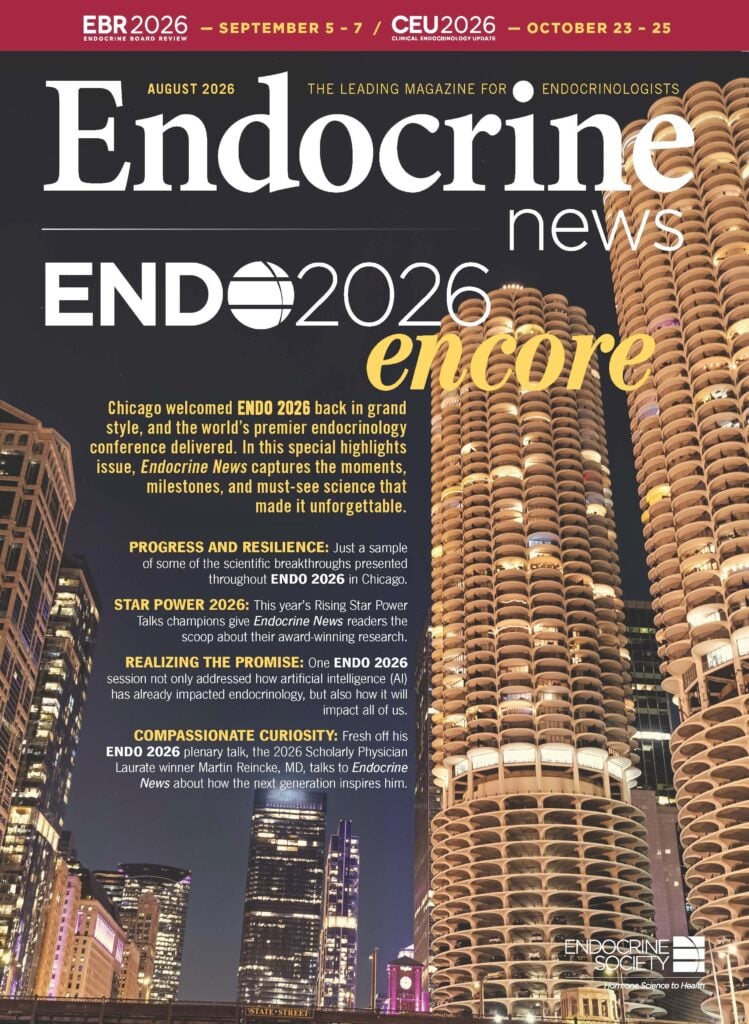
Dr. Reincke’s reflections provided a bridge between the traditional foundations of endocrinology and the tech-heavy future. He noted that the new generation of endocrinologists is "fearless" in its approach to technology, moving effortlessly between genomics, advanced imaging, and AI. However, he also issued a poignant reminder to the scientific community: every dataset represents a human being. His call for "bigger questions" and a commitment to the person behind the data resonated as a guiding principle for the field’s future development.
Broader Impact and Implications for Global Health
The findings presented at ENDO 2026 have implications that extend far beyond the walls of McCormick Place. The progress in AI and obesity medicine, in particular, is expected to influence health policy and insurance coverage in the coming years. As GLP-1 medications become more common, healthcare systems are being forced to re-evaluate their economic models for chronic disease management. The potential for AI to reduce clinician burnout by automating routine tasks is another area of significant interest for hospital administrators and policy makers.
Furthermore, the research presented by the Rising Stars indicates a shift toward more personalized medicine. By better understanding the genetic and metabolic nuances of diseases like hypoglycemia and obesity, clinicians can move away from "one-size-fits-all" treatments toward more targeted interventions. This shift is supported by the increasing availability of genomic data and the analytical power of AI, creating a feedback loop that accelerates scientific discovery.
Conclusion: The Road to Toronto 2027
As the Endocrine Society staff and members bid farewell to Chicago, the focus has already begun to shift toward ENDO 2027, scheduled to take place in Toronto, Ontario, from June 5 to 7. The transition to a Canadian venue reflects the international nature of the society and the global scale of the challenges endocrinologists face.
The success of the 2026 meeting lies in its ability to synthesize disparate threads of research into a cohesive narrative of progress. Whether through the lens of a three-minute power talk or a comprehensive plenary session on metabolic health, the message from Chicago was clear: the field of endocrinology is resilient, innovative, and deeply committed to the integration of new technologies in the service of patient care. As the community prepares for Toronto, the lessons learned in the Windy City—ranging from the practical applications of AI to the importance of environmental changes in obesity management—will undoubtedly serve as the foundation for the next chapter in endocrine science.
The ongoing dialogue between established laureates and "fearless" early-career researchers ensures that the field remains dynamic. With the continued support of industry partners and the dedication of clinical practitioners, the promise of realizing AI’s potential and conquering metabolic disease appears more attainable than ever. The Endocrine Society continues to invite input and story ideas from its members, fostering a collaborative environment that will carry the momentum of ENDO 2026 into the future.