

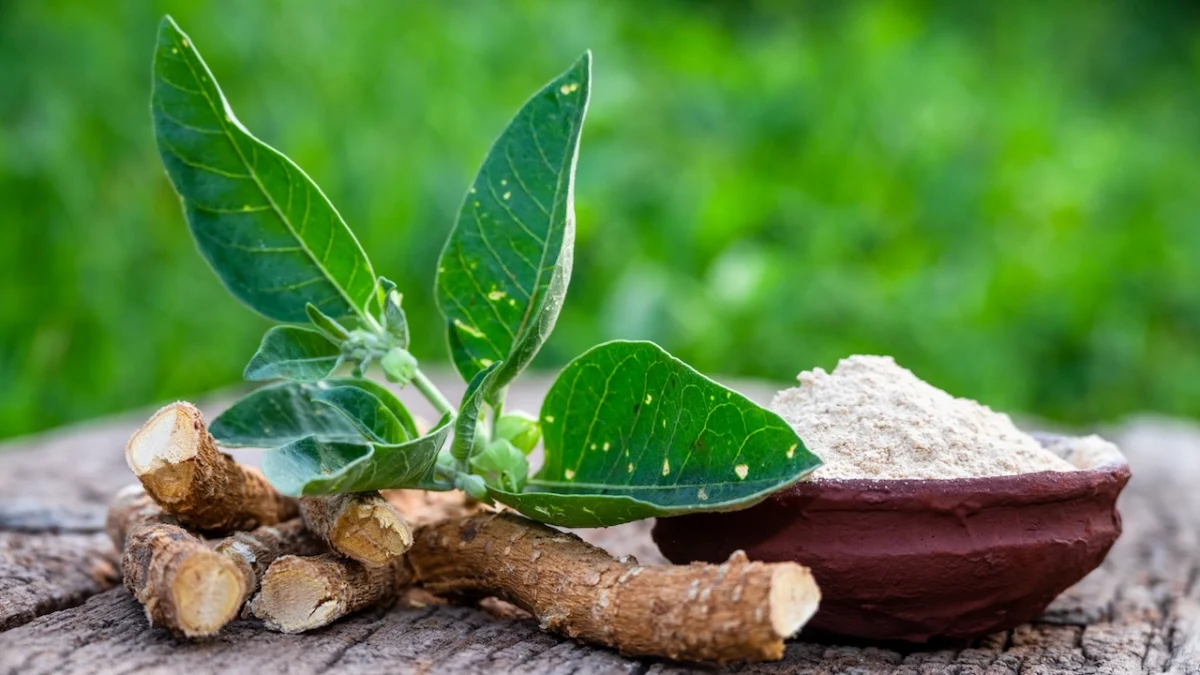
The burgeoning debate surrounding the safety and efficacy of ashwagandha (Withania somnifera) extracts has intensified with a significant new development. Arjuna Natural, a prominent player in the nutraceutical industry, has published the findings of a comprehensive 90-day human safety study on its proprietary ashwagandha extract, Shoden. This study, appearing in the esteemed journal Advances in Integrative Medicine, directly addresses the ongoing controversy surrounding the use of different plant parts of ashwagandha, particularly the contentious issue of leaf versus root extracts. The research aims to provide robust, scientific evidence to counter claims and regulatory actions that have cast a shadow over the entire ashwagandha market.
The impetus for this research is deeply rooted in recent regulatory actions, most notably by India’s Ministry of Ayush (Ayurveda, Yoga & Naturopathy, Unani, Siddha, and Homoeopathy). In a move that sent ripples through the global supplement industry, Ayush issued directives to ban ashwagandha leaf extracts, citing concerns over potential safety issues. This regulatory stance has reignited a long-standing discussion within the Ayurvedic and natural health communities regarding the precise parts of the ashwagandha plant that are safe and most effective for human consumption. The controversy has spurred calls for greater transparency, stricter standardization, and more rigorous scientific validation of all ashwagandha products entering the market.
Arjuna Natural’s study, while timely in its publication, was reportedly initiated well before the recent regulatory storm. This foresight has positioned the company to proactively address the safety concerns that have now become a focal point of industry discussions. The research enrolled 62 healthy adult participants who were administered a daily dose of 480 mg of Shoden. This dosage is noteworthy as it is considerably higher than the therapeutically established ranges, which typically fall between 60 mg and 120 mg per day for benefits such as stress management, sleep improvement, and, in males, testosterone enhancement. Shoden is standardized to contain 35% withanolides, a key group of active compounds in ashwagandha.
Throughout the 90-day trial, researchers meticulously monitored a wide array of physiological markers. These included vital signs, liver and kidney function, lipid profiles, and standard urine and blood work, with assessments conducted every 30 days. The results, as detailed in the published study, indicated no significant variability or adverse findings across any of the monitored parameters. This suggests a robust safety profile for Shoden, even at dosages substantially exceeding those typically recommended for therapeutic use.
A Deep Dive into the Study Methodology and Findings
The clinical trial was designed and executed following Good Clinical Practice (GCP) guidelines, a critical standard in scientific research that ensures the reliability and integrity of the data. The inclusion of a high dosage, significantly above established therapeutic levels, was a deliberate choice by the researchers. This approach is designed to provide a margin of safety, demonstrating that even under conditions of elevated intake, the extract does not elicit adverse physiological responses.
The monitoring of liver and kidney function is particularly important, as these organs are primary sites for the metabolism and excretion of ingested substances. Any potential toxicity would likely manifest in these systems. The absence of any significant changes in liver enzymes (such as ALT and AST) or kidney function markers (like creatinine and BUN) provides strong evidence for the safety of Shoden. Similarly, the stability of vital signs and routine blood work, including complete blood counts and metabolic panels, further reinforces the extract’s safety profile.
The standardization of Shoden to 35% withanolides is another crucial aspect of the study. Withanolides are considered the primary bioactive constituents of ashwagandha, and their concentration can vary significantly between different extracts and plant parts. By ensuring a consistent and high level of these compounds, Arjuna Natural aims to guarantee both efficacy and predictability in their product. The study’s findings are therefore specific to an extract with this defined phytochemical profile.
Contextualizing the Ashwagandha Safety Debate
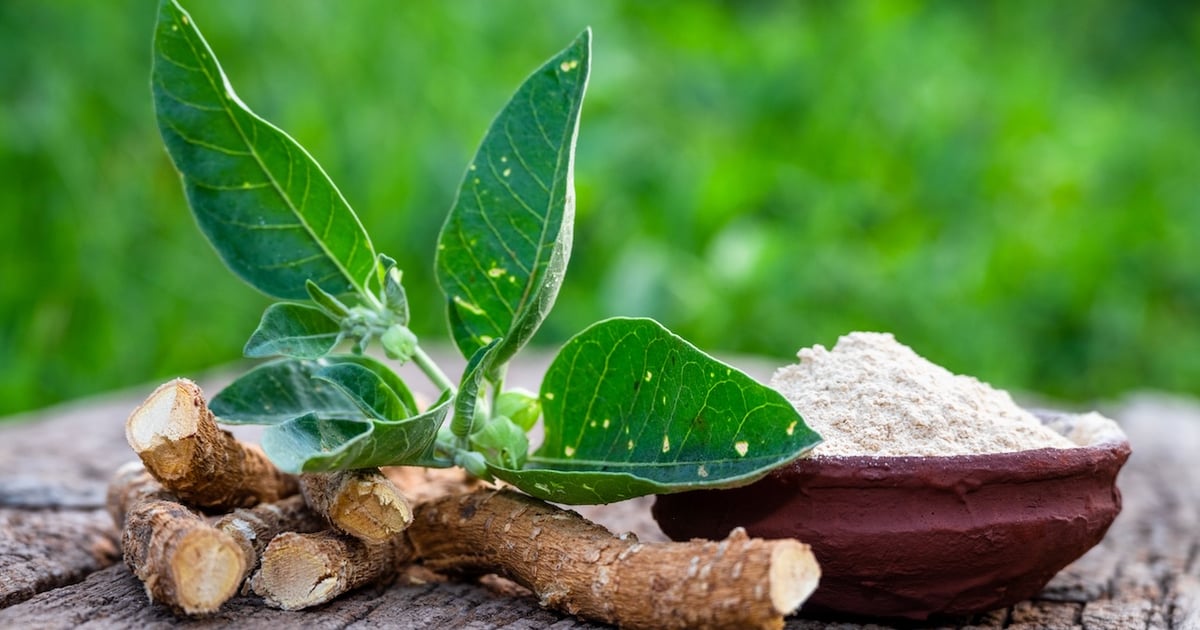
The current controversy surrounding ashwagandha leaf extracts is not entirely new. Traditional Ayurvedic texts often emphasize the use of the ashwagandha root, which has been the most studied and commonly utilized part of the plant for centuries. However, research has also indicated that the leaves contain beneficial compounds, including withanolides, albeit in potentially different concentrations and profiles compared to the root.
The debate gained significant traction following the Ministry of Ayush’s directive. While the exact scientific basis for the ban on leaf extracts has been a subject of discussion, it is understood to stem from a precautionary principle, driven by a perceived lack of comprehensive safety data specifically for leaf-derived products. This has led to a polarized market, with some manufacturers advocating exclusively for root extracts and others arguing for the validity of well-researched leaf or combined root-and-leaf formulations.
The introduction of Shoden, an extract derived from both the root and leaf of the ashwagandha plant, places Arjuna Natural squarely in the middle of this debate. Their human safety study is a direct attempt to provide the scientific validation that proponents of leaf-containing extracts have been seeking. By demonstrating safety at high doses, Arjuna Natural aims to dismantle the notion that all leaf extracts are inherently unsafe or less efficacious than root-only preparations.
Expert Perspectives and Industry Implications
The publication of this study has garnered attention from industry experts who are closely monitoring the evolving regulatory landscape and scientific discourse around ashwagandha. Benny Antony, Ph.D., co-founder and managing director at Arjuna Natural, emphasized the importance of scientific rigor in validating natural ingredients. "When botanical ingredients are properly extracted, appropriately standardized and rigorously validated through clinical research, they deliver therapeutic benefits matched by exceptional safety profiles," Dr. Antony stated. He further highlighted the value of publishing such studies, noting that it "creates accountability."
Dr. Antony also issued a challenge to any competitors who might wish to dispute the findings. "If competitors wish to challenge these findings, they must do so through peer-reviewed literature rather than unsubstantiated marketing claims," he asserted. "This scientific rigor ultimately protects consumers and healthcare practitioners by establishing evidence-based standards for the adaptogenic supplement category." This sentiment underscores the need for a science-driven approach to regulation and product development in the rapidly growing adaptogen market.
Blake Ebersole, founder of regulatory and science consultancy NaturPro Scientific and a co-founding member of the Ashwagandha Standards Alliance, expressed strong encouragement for Arjuna Natural’s research. He noted that while animal studies have historically shown no toxicity even at high doses, human safety data is the gold standard. "While the animal studies found no toxicity – even at very high repeated doses – this new 90-day human study also found no meaningful safety signal at a dose much higher than the clinically validated [therapeutic] dosages," Ebersole commented. "This is the kind of progression you like to see in a safety package for a supplement ingredient – first chronic dosing in animals and then in humans."
Ebersole further elaborated on the significance of this study in the broader context of ashwagandha research. He stated that the safety studies specifically on Shoden are "altogether consistent with the body of evidence supporting an excellent safety profile for well-studied ashwagandha root and leaf extracts." This suggests that the distinction between root and leaf might be less critical than the quality of extraction, standardization, and subsequent scientific validation.
"Contrary to the claims of some root-only marketers, this study strengthens the idea that plant part is only one characteristic of ashwagandha, and that safety must be assessed for each ingredient, regardless of the plant part," Ebersole added. This perspective challenges the simplistic classification of ashwagandha ingredients and emphasizes the need for ingredient-specific safety evaluations.
Nipen Lavingia, brand innovation advisor at Arjuna, echoed these sentiments, directly addressing the concern regarding leaf material. "Much of the safety concern around leaf material rests on the absence of dedicated human safety data for leaf-containing extracts," Lavingia explained. "This study helps address that gap directly – it provides prospective, GCP (good clinical practice)-compliant human safety data on a defined root and leaf extract, at a real consumer dose over 90 days, showing no clinically significant safety signals." This statement directly targets the perceived data gap that has fueled regulatory concerns.
The Importance of Human Safety Studies in the Supplement Industry
The publication of Arjuna Natural’s study also highlights a broader issue within the dietary supplement industry: the inconsistent inclusion of human safety data in ingredient dossiers. While many ingredients have extensive safety histories based on traditional use or animal studies, robust, well-designed human clinical trials are not always the norm. This lack of comprehensive human data can create regulatory hurdles and consumer apprehension.
The Ashwagandha Standards Alliance, co-founded by Ebersole, is actively working to establish clear quality and safety standards for ashwagandha. The alliance aims to promote scientifically validated ingredients and practices, thereby safeguarding consumer trust and the integrity of the market. Studies like the one conducted on Shoden are vital contributions to this effort, providing the empirical evidence needed to support industry-wide standards.
The implications of this study extend beyond ashwagandha. It serves as a precedent for other botanical ingredients that may face similar debates regarding their source materials or extraction methods. The commitment to publishing rigorous human safety data, especially at doses exceeding therapeutic ranges, sets a high bar for industry best practices.
Arjuna Natural has indicated that they have two additional clinical trials related to ashwagandha that are currently undergoing manuscript preparation. This suggests a sustained commitment to advancing the scientific understanding and validation of their botanical extracts. The company’s proactive approach to research and transparency positions them as a key contributor to the evidence-based development of the adaptogen category.
Looking Ahead: Standardization, Labeling, and Consumer Protection
The ongoing dialogue and research surrounding ashwagandha underscore the critical need for clear labeling and improved standardization across the entire industry. Consumers and healthcare practitioners alike rely on accurate information to make informed choices. The debate over plant parts, while complex, highlights the potential for misrepresentation and the importance of transparency regarding the precise composition of ashwagandha products.
The legal challenges initiated by the Ministry of Ayush, while disruptive, have undeniably catalyzed a more serious scientific and regulatory examination of ashwagandha. This scrutiny, when coupled with robust research from companies like Arjuna Natural, has the potential to elevate the entire supplement market. By prioritizing evidence-based claims and verifiable safety data, the industry can build greater consumer confidence and foster a more sustainable and responsible growth trajectory. The journey towards a fully regulated and scientifically validated ashwagandha market is ongoing, and the findings from Shoden represent a significant step forward in that critical endeavor.
