

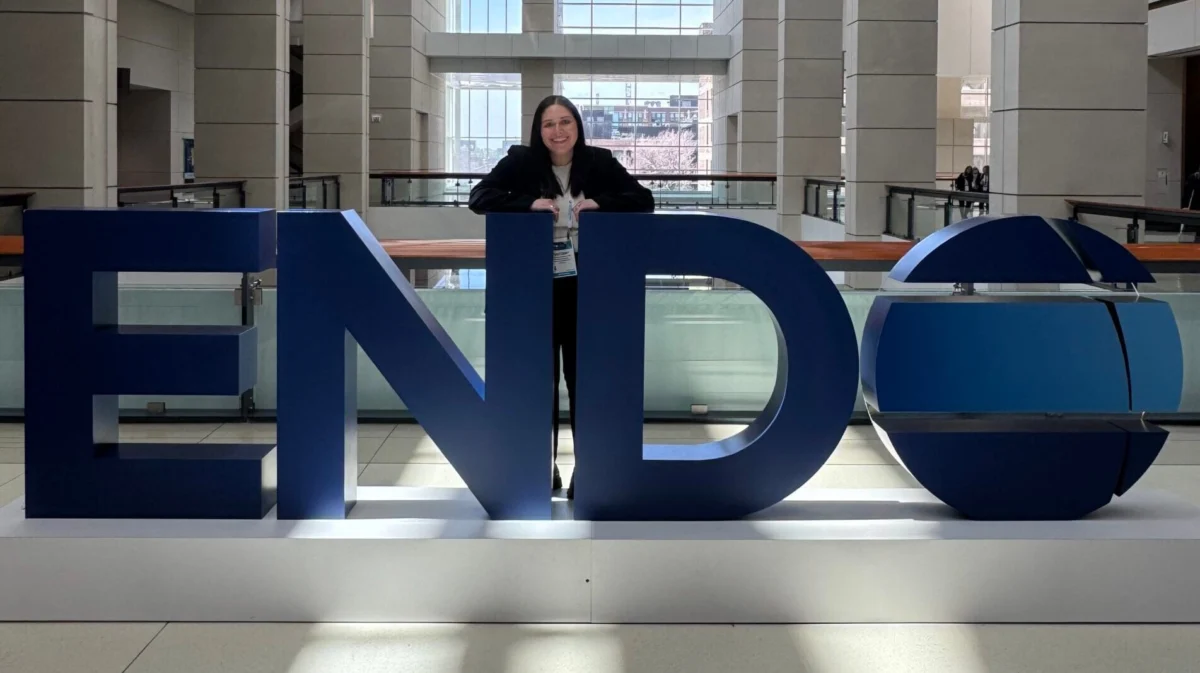
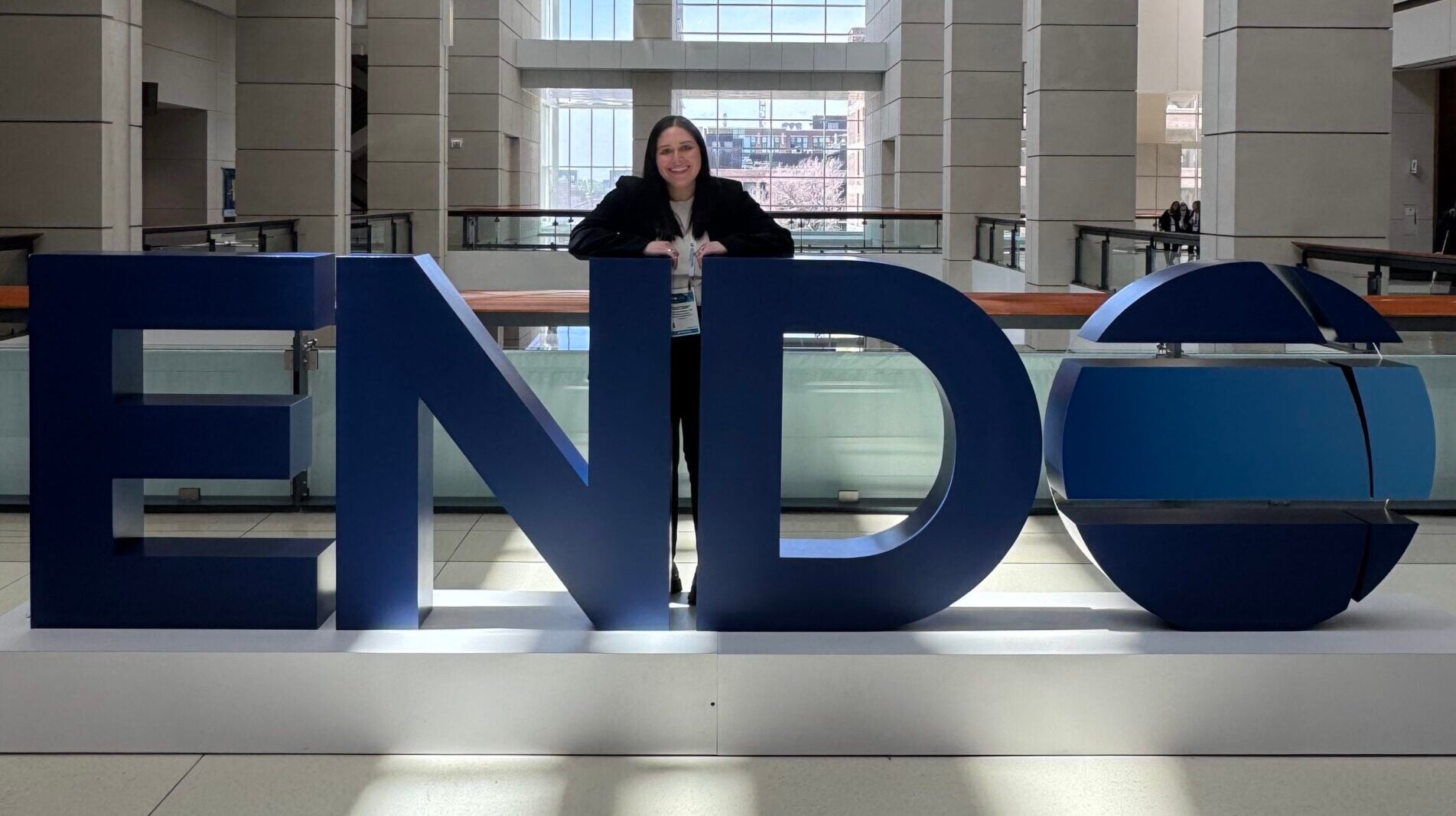
The Endocrine Society’s annual ENDO 2026 conference, held this year in Chicago, Illinois, served as a premier global stage for the latest advancements in hormone research and clinical practice, highlighting the critical contributions of early-career investigators. Among the most anticipated segments of the conference was the Rising Star Power Talks, a high-stakes, "blitz-style" research communication competition designed to challenge the next generation of endocrinologists to distill complex scientific findings into accessible, rapid-fire presentations. This year, the top honor in the Clinical Science category was awarded to Brittany Weisbrot, an internal medicine resident at Loyola University Medical Center in Maywood, Illinois. Her presentation, which detailed a rare and complex case of hyperinsulinemic hypoglycemia linked to estrogen levels and ovarian tumors, captivated judges and peers alike, underscoring the vital intersection between metabolic health and reproductive endocrinology.
The Rising Star Power Talks have become a cornerstone of the ENDO experience, providing a platform for PhD students, residents, and postdoctoral fellows to showcase their work to an audience of world-renowned experts, mentors, and fellow trainees. The format is notoriously demanding: each participant is allotted exactly three minutes to present their research, supported by a single slide that must advance in sync with their delivery. This is followed by a two-minute question-and-answer session, where judges and audience members probe the depth of the presenter’s knowledge and the clinical relevance of their findings. The competition is designed not only to recognize scientific excellence but also to hone the "elevator pitch" skills necessary for modern scientific communication and grant procurement.
The 2026 Rising Star Winners Circle
While Weisbrot took home the Clinical Science award, she was part of a distinguished cohort of winners across multiple disciplines. The Basic Science award was presented to Lila Dabill, a PhD student from Washington University in St. Louis, Missouri. The Translational Science category was won by Dillon Boulton, PhD, a postdoctoral fellow in the Department of Pathology at the University of Colorado’s Anschutz Medical Campus. The Audience Choice award, determined by a live vote of the attendees, went to Konstantinos Stefanakis, MD, a PhD candidate and cardiology fellow at Harvard Medical School’s Beth Israel Medical Center. Together, these four researchers represent the vanguard of endocrine science, addressing topics ranging from cellular mechanisms to systemic metabolic disorders.
Clinical Breakthrough: Deciphering the Cyclical Hypoglycemia Puzzle
Weisbrot’s award-winning research centered on a diagnostic mystery that challenged conventional assumptions about post-bariatric complications. The case involved a patient who presented with new-onset and recurrent hypoglycemia 15 years after undergoing bariatric surgery. In clinical practice, post-bariatric hypoglycemia (PBH) is a well-documented phenomenon, typically occurring one to three years post-surgery due to altered nutrient delivery and exaggerated incretin response. However, the 15-year latency and the specific nature of this patient’s symptoms suggested a different underlying etiology.
Upon intensive investigation, the patient was diagnosed with insulin autoimmune syndrome (IAS), also known as Hirata disease. IAS is an exceedingly rare cause of hyperinsulinemic hypoglycemia characterized by high titers of insulin autoantibodies in the absence of exogenous insulin use. What distinguished Weisbrot’s case was the observation that the patient’s hypoglycemic episodes followed a cyclical pattern. This pattern appeared to correlate with the patient’s menstrual cycle and fluctuating estrogen levels. Further diagnostic imaging and laboratory workup revealed markedly elevated estradiol levels and the presence of bilateral ovarian fibromas and cystadenomas.
The clinical resolution of the case was as striking as the diagnosis. Following a bilateral oophorectomy to remove the ovarian masses, the patient’s estradiol levels normalized, her insulin autoantibodies disappeared, and her hypoglycemic episodes ceased entirely. This outcome suggests a potential, yet poorly understood, interaction between high estrogen states and the induction of autoimmunity against insulin. Weisbrot’s presentation emphasized that while bariatric surgery history is a significant clinical marker, physicians must remain vigilant for uncommon causes like IAS when the clinical trajectory is atypical.
Pathophysiology and Scientific Implications
The significance of Weisbrot’s research extends beyond a single patient case; it touches upon broader questions of how sex hormones modulate the immune system and metabolic pathways. Insulin autoimmune syndrome is traditionally associated with certain HLA genotypes and exposure to medications containing sulfhydryl groups. However, the link to estrogen-producing ovarian tumors introduces a new dimension to the understanding of the disease.
Estrogen is known to have complex effects on the immune system, often acting as an immunomodulator that can predispose individuals to certain autoimmune conditions. In this case, the extreme hyperestrogenism caused by the ovarian fibromas may have served as the catalyst for the development of insulin autoantibodies. By presenting this case at ENDO 2026, Weisbrot has provided a catalyst for further investigation into the "cross-talk" between the ovaries and the endocrine pancreas, particularly in the context of autoimmune triggers.
Supporting data in the field of bariatric medicine suggests that as the number of metabolic surgeries increases globally, the long-term management of these patients becomes more complex. While PBH affects an estimated 1% to 5% of patients who have undergone Roux-en-Y gastric bypass, the late-stage emergence of metabolic issues requires a multidisciplinary approach involving endocrinologists, surgeons, and immunologists. Weisbrot’s work highlights the necessity of this collaborative model.
The Intensity of the "Power Talk" Environment
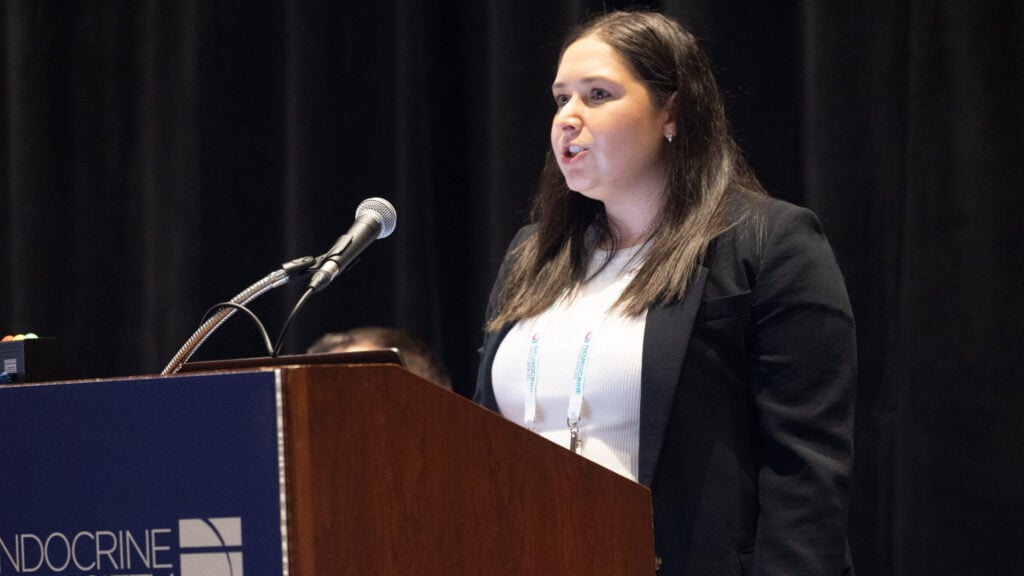
Presenting such a dense and multi-layered case in the three-minute Power Talk format required significant preparation and precision. Weisbrot noted that the lively environment of the competition—held in the heart of Chicago, where she is currently completing her residency—added an extra layer of meaning to the experience. The rapid-fire format mimics the pace of modern clinical practice, where physicians must often synthesize complex data and communicate it effectively to colleagues and patients in a limited timeframe.
The Endocrine Society’s commitment to this format reflects a broader trend in medical education toward "active learning" and concise communication. For Weisbrot, the opportunity to present alongside researchers she admires was a humbling milestone. The feedback from judges—comprising veteran clinicians and researchers—provided her with new perspectives on the potential mechanisms of estrogen-mediated autoimmunity, which she plans to carry forward into her future training.
The Endocrine Society’s Role in Career Development
For early-career professionals like Weisbrot, organizations like the Endocrine Society provide more than just a venue for annual meetings; they offer a roadmap for professional growth. Weisbrot credited the Society with helping her navigate the transition from internal medicine resident to an aspiring endocrinology fellow. The networking opportunities at ENDO 2026 allowed her to connect with mentors and peers from around the world, fostering a sense of community that is vital for sustaining a career in academic medicine.
The Society’s focus on "Rising Stars" is part of a strategic effort to address the projected shortage of endocrinologists in the United States and abroad. By providing platforms like the Power Talks, the Society encourages residents to pursue sub-specialty training in endocrinology, a field that Weisbrot describes as rewarding for its emphasis on curiosity and "detective work."
Future Directions: From Residency to Fellowship
As Weisbrot prepares to enter an endocrinology fellowship, her research goals remain focused on the intersection of metabolism and women’s health. She intends to continue exploring the complexities of hypoglycemia, obesity medicine, and diabetes. Her long-term vision is a career that balances clinical practice with research and medical education, allowing her to translate bedside observations into scientific inquiries that can change standard-of-care protocols.
The case of the 15-year post-bariatric patient serves as a reminder of the importance of the "atypical" case in driving scientific discovery. Weisbrot’s ability to ask, "What are we missing?" is a trait that the Endocrine Society seeks to cultivate in all its members. As she moves forward, her work will likely contribute to a deeper understanding of how hormonal environments influence autoimmune responses, potentially leading to better diagnostic tools for rare metabolic disorders.
Impact on the Field of Endocrinology
The success of the 2026 Rising Star Power Talks underscores the health of the endocrine research community. By highlighting cases that challenge the status quo, the competition encourages a culture of continuous learning and clinical skepticism. Weisbrot’s victory in the Clinical Science category serves as an inspiration for other residents to engage in research early in their careers.
In the broader context of healthcare, research like Weisbrot’s is essential for improving patient outcomes in an era of personalized medicine. As physicians become better at identifying the specific hormonal and immunological drivers of disease, treatments can be more precisely tailored to the individual. The resolution of the patient’s hypoglycemia through surgical intervention—rather than lifelong medication—is a testament to the power of a correct, evidence-based diagnosis.
As ENDO 2026 concludes, the findings presented by Weisbrot and her fellow Rising Stars will likely find their way into peer-reviewed journals and clinical guidelines, continuing the cycle of innovation that defines the field of endocrinology. For Brittany Weisbrot, the award is not just a recognition of past work, but a springboard into a career dedicated to unraveling the many mysteries of the human endocrine system.
