

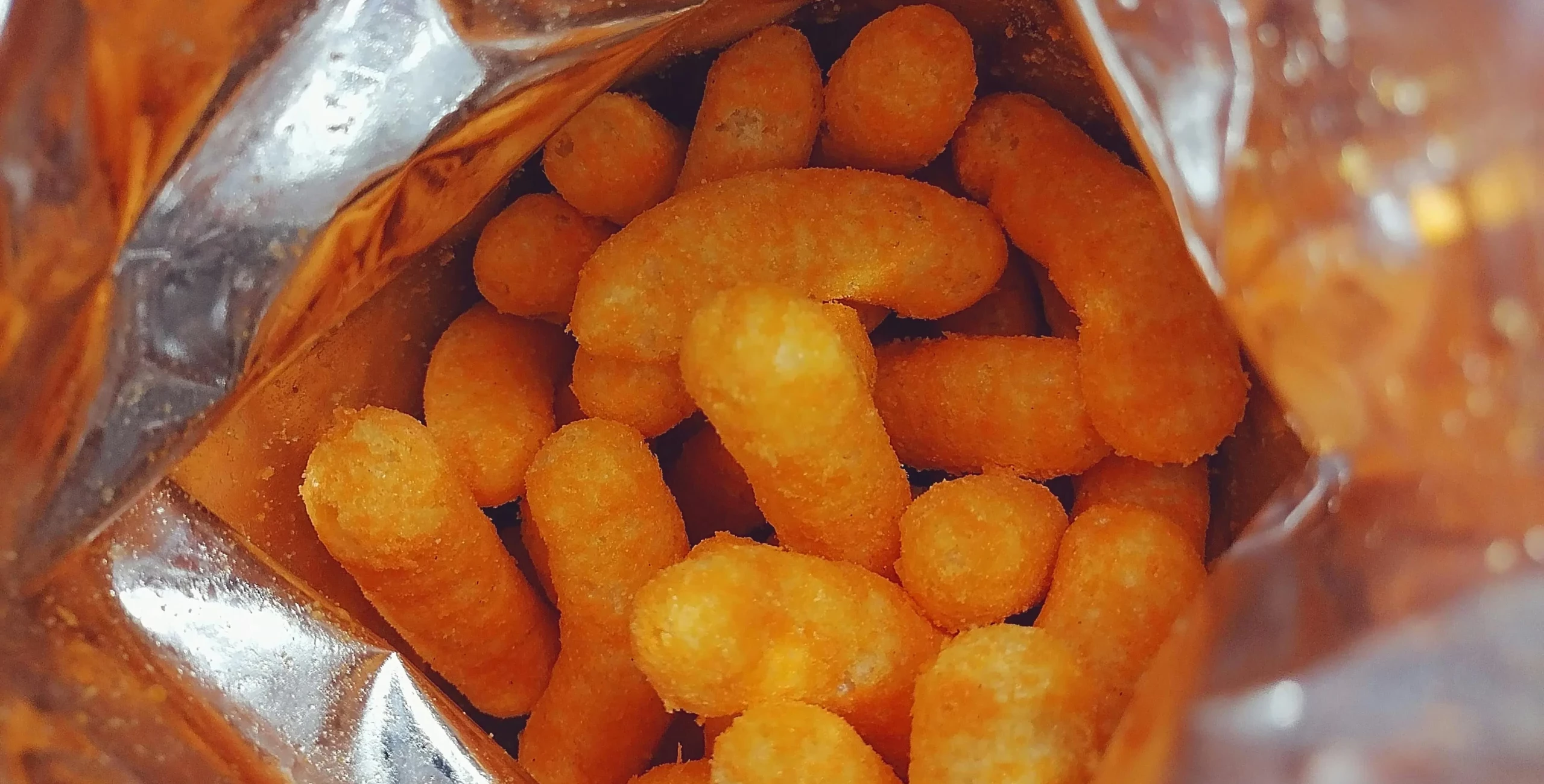
In a move that signals a significant shift in the landscape of American food labeling and public health policy, California Governor Gavin Newsom has officially signed into law a bill that establishes a state-sanctioned “non-ultra-processed certified” seal for food products. This landmark legislation, which passed with broad bipartisan support, aims to provide consumers with a clear, standardized method for identifying minimally processed foods, effectively creating a voluntary certification program modeled after the United States Department of Agriculture (USDA) Organic seal. The bill, introduced by Assemblymember Jesse Gabriel (D-Encino), represents the latest in a series of aggressive legislative efforts by California to regulate the food industry and address the rising prevalence of chronic health conditions linked to modern dietary habits.
The new law empowers the state to develop rigorous standards for what constitutes a "non-ultra-processed" food item, allowing manufacturers who meet these criteria to display the official seal on their packaging. While the program is voluntary, proponents believe the market pressure created by the seal will encourage food processors to reformulate their products, moving away from the heavy reliance on industrial additives, stabilizers, and synthetic flavorings that characterize the modern American diet. By providing a government-backed "clean label" designation, California seeks to demystify the complex ingredient lists that often obscure the nutritional value of grocery store staples.
The Legislative Foundation and Context
The signing of this bill marks the culmination of a multi-year legislative strategy led by Assemblymember Gabriel and a coalition of health advocates. To understand the significance of this new seal, it is necessary to examine the foundational laws that preceded it. In 2023, California gained international attention by passing the California Food Safety Act, which banned four specific harmful additives: red dye No. 3, potassium bromate, brominated vegetable oil, and propylparaben. This was the first time a U.S. state had banned additives that were still permitted at the federal level by the Food and Drug Administration (FDA).
Building on that momentum, a 2025 law also authored by Gabriel established the first legal definition of "ultra-processed food" (UPF) in the United States. This definition was largely informed by the NOVA classification system, an internationally recognized framework developed by researchers at the University of Sao Paulo. Under this 2025 law, UPFs were officially banned from being served in California’s public schools, ensuring that the state’s student population would have access to whole or minimally processed meals. The 2026 legislation signed today takes that definition out of the school cafeteria and into the retail marketplace, offering a tool for all consumers to make informed choices.
Understanding Ultra-Processed Foods and the NOVA System
The "non-ultra-processed" seal is designed to counter the ubiquity of products categorized under "Group 4" of the NOVA system. According to the NOVA framework, food is categorized into four distinct groups based on the extent and purpose of industrial processing:
- Unprocessed or Minimally Processed Foods: These include edible parts of plants (seeds, fruits, leaves, stems, roots) or animals (muscle, offal, eggs, milk), and also fungi, algae, and water, after separation from nature.
- Processed Culinary Ingredients: These are substances obtained directly from Group 1 foods or from nature by processes such as pressing, refining, grinding, milling, and drying. Examples include sugar, oils, butter, and salt.
- Processed Foods: Relatively simple products made by adding sugar, oil, salt, or other Group 2 substances to Group 1 foods. Most processed foods have two or three ingredients and are recognizable as modified versions of Group 1 foods (e.g., canned vegetables in brine, simple cheeses, freshly made breads).
- Ultra-Processed Foods: These are industrial formulations typically with five or more ingredients. They often include substances not commonly used in domestic cooking, such as hydrogenated oils, modified starches, and various additives like flavor enhancers, colorants, and emulsifiers.
The new California seal will specifically distinguish products in Groups 1, 2, and 3 from the highly engineered products in Group 4. By doing so, the state hopes to address what Assemblymember Gabriel describes as a "transparency gap" in the grocery aisle. "Parents shouldn’t need a Ph.D. in chemistry to understand what they’re feeding their kids," Gabriel stated during the bill’s signing ceremony. He emphasized that while the FDA oversees federal safety, the speed of federal regulation has not kept pace with the rapid innovation in food science and the subsequent rise in diet-related illnesses.
Supporting Data: The Public Health Impetus
The drive for this legislation is backed by an increasing body of scientific evidence linking the consumption of ultra-processed foods to adverse health outcomes. According to data from the Centers for Disease Control and Prevention (CDC) and various academic studies, ultra-processed foods now account for approximately 58% of the total calories consumed in the United States. In children and adolescents, that number is estimated to be as high as 67%.
Research published in journals such as The BMJ and The Lancet has consistently highlighted the correlation between high UPF intake and a range of health issues, including:
- Obesity: UPFs are often hyper-palatable and energy-dense, leading to overconsumption.
- Type 2 Diabetes: The high glycemic load and lack of fiber in many UPFs contribute to insulin resistance.
- Cardiovascular Disease: The presence of trans fats (even in small amounts), high sodium, and specific emulsifiers has been linked to increased heart disease risk.
- Mental Health: Emerging studies suggest a link between high UPF consumption and increased risks of depression and anxiety.
By creating a "non-ultra-processed" seal, California health officials aim to shift the "default" American diet back toward whole foods. The state’s Department of Public Health estimates that even a 10% reduction in the consumption of UPFs across the state’s population could result in billions of dollars in long-term healthcare savings related to chronic disease management.
Industry Reactions and Economic Implications
The reaction from the food industry has been mixed, reflecting a divide between legacy manufacturers and "clean-label" innovators. Large-scale Consumer Packaged Goods (CPG) companies have historically expressed concerns about a "patchwork" of state-level labeling requirements, arguing that such laws increase production costs and complicate supply chain logistics. Some industry lobbyists argued during the legislative sessions that the term "ultra-processed" is too broad and could unfairly stigmatize products that are convenient and affordable.
However, many smaller and mid-sized food companies have welcomed the news. For these businesses, the certification offers a competitive advantage and a way to validate their "no-additive" claims through a trusted third party. Market analysts predict that the seal will drive a new wave of "premiumization" in the grocery sector, where consumers are willing to pay a slight margin for the peace of mind offered by the state-certified seal.
Economically, the "California Effect" is expected to take hold. Historically, when California implements rigorous environmental or health standards, manufacturers often adopt those standards for their entire national product line rather than maintaining separate inventories for different states. This suggests that the "non-ultra-processed certified" seal could become a de facto national standard, influencing how food is made and marketed across the United States.
Timeline of Implementation
The implementation of the seal will follow a phased approach to allow for the development of regulatory infrastructure:
- Late 2026: The California Department of Food and Agriculture (CDFA), in consultation with the Department of Public Health, will begin the rulemaking process to finalize the technical criteria for the seal.
- Early 2027: The state will establish a portal for manufacturers to submit their products for review. This will include a requirement for full ingredient transparency and disclosure of processing methods.
- Mid-2027: Third-party auditors will be certified by the state to conduct inspections and verify compliance with the "non-ultra-processed" standards.
- January 2028: The first products bearing the "non-ultra-processed certified" seal are expected to appear on California retail shelves.
Analysis of Broader Implications
The signing of this law is more than just a labeling change; it is a challenge to the existing paradigm of the American food system. For decades, the emphasis of food regulation has been on safety in terms of acute toxicity—ensuring that food does not cause immediate illness. California is now pivoting the conversation toward long-term metabolic health and the quality of processing.
This move also highlights the growing political divide between state and federal action. As Assemblymember Gabriel noted, the perceived "paralysis" in Washington D.C. has left a vacuum that California is increasingly willing to fill. By creating a state-level certification, California is effectively acting as a laboratory for national policy. If the seal proves successful in shifting consumer behavior and improving health metrics, it may put pressure on the USDA and FDA to modernize federal labeling laws.
Furthermore, the bipartisan nature of the bill’s passage—supported by both Republicans and Democrats in the California legislature—suggests that food transparency is becoming a "kitchen table" issue that transcends traditional political boundaries. Concerns about childhood obesity and the complexity of food additives resonate with a broad demographic, making such regulations politically viable even in a polarized environment.
As California moves forward with the implementation of the "non-ultra-processed certified" seal, the eyes of the nation—and the global food industry—will be on the Golden State. The success of this initiative will be measured not only by the number of seals on grocery shelves but by its ability to foster a more transparent, health-conscious relationship between the food industry and the public it serves. For now, California has set a new benchmark, challenging the status quo of industrial food production and prioritizing the consumer’s right to know exactly what is in their food.
