

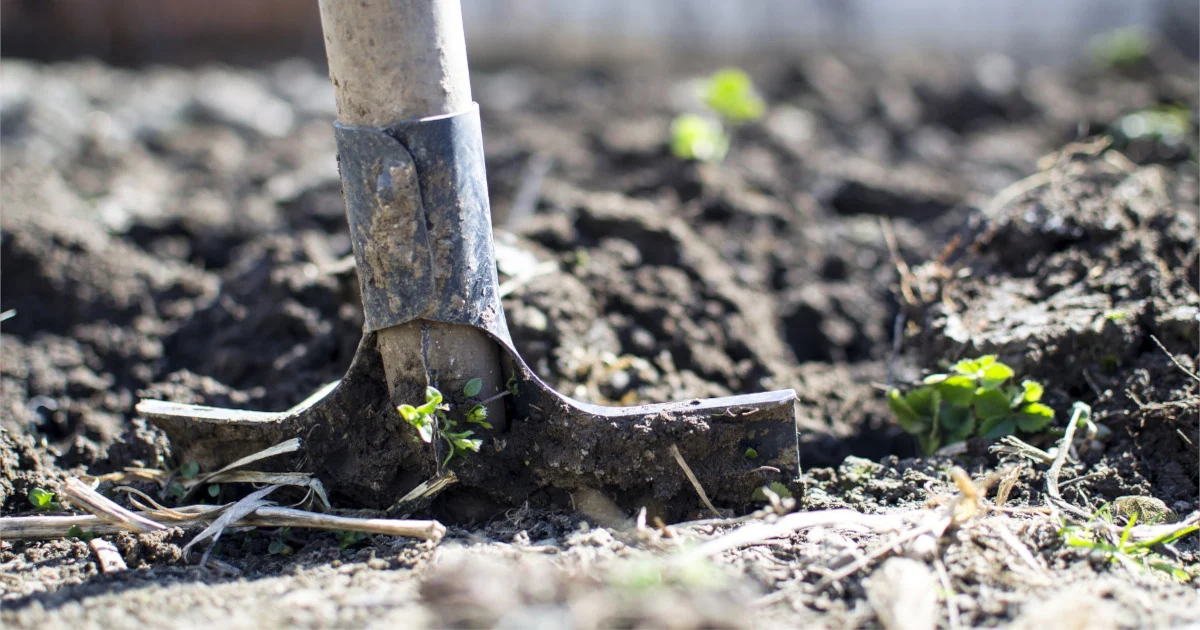
The pedosphere, often referred to as the "skin of the Earth," represents the critical interface where the lithosphere, hydrosphere, atmosphere, and biosphere meet, serving as a fundamental pillar for terrestrial life and global food security. On September 29, 2026, educational leaders and environmental scientists, led by initiatives from Ward’s World, emphasized the necessity of integrating advanced pedology—the study of soil—into mainstream science curricula. This movement aims to address the growing disconnect between modern society and the biological foundations of its food systems. By exploring soil types, their chemical compositions, and the physical factors that influence their development, educators are fostering a new generation of environmental stewards capable of navigating the complexities of land management and climate mitigation.
Soil is far more than mere "dirt"; it is a complex, living matrix of minerals, organic matter, water, and gases. The classification of soil types is primarily determined by the proportions of three main particles: sand, silt, and clay. These components dictate the soil’s texture, porosity, and nutrient-holding capacity. Sand, the largest particle, facilitates rapid drainage but lacks significant nutrient retention. Silt, intermediate in size, offers a balance of drainage and moisture. Clay, the smallest particle, possesses a high surface area that allows it to hold significant amounts of water and nutrients, though its density can impede aeration and drainage. The optimal balance of these three—often referred to as loam—is considered the "gold standard" for agricultural productivity.
A Chronology of Pedological Advancement and Educational Integration
The journey toward modern soil science has evolved from rudimentary agricultural observations to a highly technical discipline. To understand the current educational push in 2026, it is essential to trace the timeline of how humanity has perceived and studied the pedosphere:
- Early 19th Century: The foundation of modern pedology was laid by Vasily Dokuchaev, who established that soil is not a static geological product but a dynamic system influenced by climate, organisms, relief, parent material, and time.
- The 1930s Dust Bowl Era: This environmental catastrophe in North America served as a turning point, leading to the creation of the Soil Conservation Service (now the NRCS). It highlighted the dire consequences of soil mismanagement and the need for scientific intervention.
- 2015 – International Year of Soils: The United Nations declared 2015 as the International Year of Soils to raise global awareness about the importance of soil health for food security and essential ecosystem functions.
- 2020–2025: A period of "Regenerative Awakening" occurred, where carbon sequestration in soil became a central theme in global climate policy. Educational platforms began developing sophisticated modules to teach soil chemistry and biology to younger demographics.
- September 2026: The release of comprehensive educational frameworks, such as the one presented by Ward’s World, marks a shift toward hands-on, activity-based learning. This era emphasizes "environmental stewardship" as a core competency for students, moving soil science from elective interest to foundational knowledge.
Supporting Data: The Quantitative Reality of Soil Health
The urgency behind these educational initiatives is supported by staggering global data. According to the Food and Agriculture Organization (FAO), approximately 95% of the world’s food is produced directly or indirectly on our soils. However, the health of this resource is under severe threat:
- Degradation Rates: It is estimated that one-third of the world’s soil is already moderately to highly degraded due to erosion, nutrient depletion, acidification, and chemical pollution.
- Formation Time: Soil is a non-renewable resource on a human timescale. It can take up to 1,000 years to form just one centimeter of topsoil, yet that same centimeter can be lost to a single heavy rainstorm if the land is mismanaged.
- Carbon Sequestration: The pedosphere contains more carbon than the atmosphere and all terrestrial vegetation combined. Increasing the soil’s organic carbon content by just 0.4% annually (the "4 per 1000" initiative) could significantly offset global greenhouse gas emissions.
- Economic Impact: The annual economic loss due to soil degradation and the loss of ecosystem services is estimated to be between $6.3 trillion and $10.6 trillion globally.
These figures underscore why understanding soil types—such as the difference between the nutrient-rich Mollisols of the American Midwest and the highly weathered Oxisols of tropical regions—is vital for future economic and environmental stability.
Reactions from the Scientific and Educational Communities
The recent emphasis on soil education has drawn widespread support from various sectors. Dr. Elena Vance, a senior soil microbiologist, noted that "bringing the science of the pedosphere into the classroom is not just about teaching biology; it’s about teaching survival. If students understand the ion exchange and mineral composition of their local soil, they are better equipped to make informed decisions about land use and conservation."
Educational consultants have also reacted positively to the "hands-on" approach advocated by recent modules. "Students ‘dig’ learning when they can see the immediate results of their experiments," said Marcus Thorne, a curriculum developer. "When a student performs a sedimentation test and sees the distinct layers of sand, silt, and clay settle in a jar, the abstract concept of soil texture becomes a tangible reality. This is how we build a lasting interest in STEM and agricultural sciences."
Furthermore, agricultural advocates argue that this educational shift is necessary to fill the labor gap in modern farming. As agriculture becomes increasingly data-driven, a workforce that understands soil chemistry and the factors influencing soil composition is essential for the implementation of precision farming technologies.
Practical Application: 10 Engaging Activities for the 2026 Classroom
To translate theoretical knowledge into practical understanding, educators are implementing ten key activities designed to engage students with the science of the pedosphere. These activities are structured to provide a comprehensive overview of soil mechanics and chemistry:
- The Sedimentation Jar Test: Students mix soil and water in a transparent container, allowing particles to settle by weight. This provides a visual representation of the soil’s textural class.
- pH Analysis: Using probes or litmus paper, students measure the acidity or alkalinity of various soil samples, discussing how pH affects nutrient availability for plants.
- Percolation and Porosity Trials: By timing how fast water moves through different soil types (sand vs. clay), students learn about drainage and the risk of runoff.
- Organic Matter Extraction: Students use hydrogen peroxide to observe the reaction with organic carbon, illustrating the presence of living and decaying matter in the soil.
- Microbiome Observation: Utilizing basic microscopy, students identify nematodes, fungi, and bacteria, realizing that soil is a living ecosystem.
- Erosion Simulation: Using "stream tables," students observe how vegetation cover prevents soil loss compared to bare earth during simulated rainfall.
- Cation Exchange Capacity (CEC) Models: A more advanced activity where students use beads or magnets to represent how clay particles hold onto essential nutrients like potassium and calcium.
- Soil Color Mapping: Using Munsell color charts, students learn to identify soil properties (like iron content or drainage issues) based on hue and chroma.
- Compaction Testing: Students use penetrometers to see how heavy machinery or foot traffic affects soil structure and root growth potential.
- Composting Chemistry: Tracking the temperature and decomposition rate of organic waste helps students understand the nutrient cycle and the creation of humus.
Broader Impact and Future Implications
The integration of pedosphere science into the educational landscape of 2026 has implications that extend far beyond the classroom. As the global population continues to rise, the demand for food, fiber, and fuel will place unprecedented pressure on the world’s soil resources. By equipping students with a deep understanding of soil types and health, society is essentially investing in a more resilient food system.
Analysis suggests that "soil literacy" will become a prerequisite for various careers in the coming decades, ranging from urban planning and civil engineering to environmental law and carbon credit auditing. The ability to distinguish between a stable soil structure and one prone to liquefaction or erosion is a matter of public safety. Similarly, the ability to restore degraded lands through soil amendment and regenerative practices is a cornerstone of the burgeoning "green economy."
The focus on the pedosphere also plays a critical role in climate change adaptation. Soils with high organic matter are more resilient to droughts because they can hold more water. They are also more resilient to floods because they facilitate better infiltration. Therefore, teaching students how to build and maintain healthy soil is a direct contribution to climate resilience.
In conclusion, the science of the pedosphere is the science of life itself. The initiatives seen in late 2026 represent a vital turning point in how we educate the next generation. By moving beyond the surface and "digging into the dirt," the educational community is ensuring that the foundation of our ecosystem remains robust, productive, and understood for generations to come. The "mound of information" provided by scientific bodies is now being transformed into actionable knowledge, bridging the gap between the laboratory and the field.
