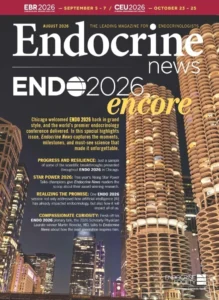









The city of Chicago is finalized as the host destination for ENDO 2026, the premier global gathering for endocrine research and clinical practice, scheduled to take place from June 13 to June 16, 2026. This annual meeting, organized by the Endocrine Society, will convene at McCormick Place West, one of the largest convention facilities in North America. The event is expected to draw more than 7,200 clinicians, researchers, and medical professionals from across the globe, transforming the "Windy City" into the epicenter of hormone science for a four-day intensive period of education, networking, and scientific disclosure.
The selection of Chicago underscores the city’s status as a central hub for medical and scientific innovation. With its extensive infrastructure, including a world-class culinary scene and iconic cultural landmarks, Chicago provides a sophisticated backdrop for an event of this magnitude. The conference serves as a critical platform for the dissemination of cutting-edge research, the introduction of novel clinical guidelines, and the fostering of international collaborations that drive the field of endocrinology forward.
Chronology of the Event and Preliminary Schedule
The programmatic structure of ENDO 2026 is designed to maximize engagement through a tiered schedule that begins even before the official opening of the plenary sessions. On Friday, June 12, the International Welcome Reception will kick off the proceedings from 6:00 PM to 7:00 PM CT, serving as an essential icebreaker for the thousands of international delegates arriving in the city.

The core scientific and clinical programming commences on Saturday, June 13. A cornerstone of the first day’s agenda is the "Meet the Scientist" session titled "How Did I Get Here? A Career Perspective from a Basic Scientist." This session, scheduled for 3:30 PM to 4:15 PM CT, will feature Dr. Keith Yamamoto, the Vice Chancellor for Science Policy and Strategy and Vice Dean for Research at the University of California, San Francisco (UCSF). Dr. Yamamoto’s presentation is expected to provide critical insights into the intersection of science policy and laboratory research, offering a roadmap for early-career scientists.
On Sunday, June 14, the schedule balances rigorous academic pursuits with wellness initiatives. At 6:00 AM CT, the ENDO 2026 5K Fun Run/Walk will take place, encouraging physical activity among attendees—a move that aligns with the endocrine community’s focus on metabolic health and obesity prevention. The meeting will conclude on June 16, following several hundred sessions covering a vast spectrum of endocrine-related disciplines.
Educational Scope and Specialized Programming Tracks
Education remains the foundational pillar of the ENDO conference series. For the 2026 iteration, the Endocrine Society has curated more than 200 sessions led by a faculty of world-renowned investigators and master clinicians. The programming is strategically divided into specialized tracks to cater to the diverse interests of the attendees, ranging from bench-side basic science to bedside clinical application.
The sessions will address the most pressing challenges in modern medicine, including:
- Diabetes and Metabolism: Exploring new insulin delivery technologies and the long-term impacts of GLP-1 receptor agonists.
- Reproductive Endocrinology: Addressing advancements in fertility treatments and the hormonal management of menopause.
- Thyroid Health: Discussing updated guidelines for the management of thyroid nodules and cancer.
- Pediatric Endocrinology: Focusing on growth disorders and the management of type 1 diabetes in youth.
- Neuroendocrinology and Pituitary Disorders: Examining the complexities of the hypothalamic-pituitary-adrenal axis.
By segmenting the programming into these tracks, the organizers ensure that specialists can engage in deep dives into their specific sub-fields while also having the opportunity to attend cross-disciplinary plenary sessions that highlight the interconnected nature of the endocrine system.
The ENDOExpo: A Hub for Innovation and Research
Central to the conference experience is the ENDOExpo, a massive exhibition hall housing more than 100 exhibitors. This space serves as the primary interface between the scientific community and the industry partners who develop the tools, pharmaceuticals, and diagnostic technologies used in clinical practice. The Expo will feature Science & Innovation Theaters, where industry leaders present brief, high-impact updates on emerging products and therapeutic breakthroughs.
A major highlight of the Expo is the poster session area, which will display nearly 2,000 research abstracts. These posters represent the vanguard of endocrine research, covering everything from molecular biology to population-level epidemiological studies. For early-career researchers, the poster sessions are a vital opportunity to gain visibility and receive feedback from established experts in the field.
To facilitate the navigation of this vast amount of data, the 2026 meeting will feature the "Poster Highlight Tour." This self-guided experience will use digital tools to lead attendees through the highest-scored posters, ensuring that the most significant scientific contributions receive maximum exposure.
Supporting Data: The Rising Global Burden of Endocrine Disorders
The significance of ENDO 2026 is underscored by the increasing prevalence of endocrine and metabolic disorders worldwide. According to data from the World Health Organization (WHO) and the Centers for Disease Control and Prevention (CDC), the demand for endocrine expertise has never been higher.
- Diabetes: Global estimates suggest that over 537 million adults are currently living with diabetes, a number expected to rise to 783 million by 2045.
- Obesity: More than 1 billion people worldwide are clinically obese, a condition that serves as a precursor to numerous endocrine complications, including polycystic ovary syndrome (PCOS) and non-alcoholic fatty liver disease (NAFLD).
- Thyroid Disorders: It is estimated that up to 20 million Americans have some form of thyroid disease, with many remaining undiagnosed.
These statistics highlight the critical need for the collaborative environment provided by ENDO 2026. The research presented in Chicago will directly impact how these conditions are diagnosed and treated, potentially altering the health trajectories of millions of patients.
Mentorship and the Future of the Workforce
Recognizing the looming shortage of endocrinologists in many parts of the world, the Endocrine Society has integrated robust mentorship and networking programs into the 2026 meeting. The ENDO Mentor Program allows students and residents to shadow "seasoned veterans" of the field, providing them with professional guidance and career-building advice.
Networking is not merely a social adjunct to the meeting but a core professional necessity. "The life-changing value of networking cannot be overstated," noted one society representative during the planning phases. "These informal interactions often lead to multi-center research collaborations or the recruitment of the next generation of department chairs."
In addition to the Mentor Program, the "Bark Park"—a popular feature involving therapy dogs—will return to the Expo hall. While seemingly lighthearted, such initiatives are grounded in wellness research, aiming to reduce the cognitive fatigue associated with high-intensity scientific conferences and fostering a more relaxed environment for professional exchange.
Analysis of Broader Impact and Clinical Implications
The implications of ENDO 2026 extend far beyond the walls of McCormick Place. The findings shared during these four days often form the basis for new clinical practice guidelines adopted by healthcare systems worldwide. As the field moves toward "precision endocrinology," the data presented on genetic markers and personalized hormone replacement therapies will be instrumental in shifting the standard of care from a one-size-fits-all approach to a more tailored methodology.
Furthermore, the conference plays a vital role in advocacy. By bringing together the world’s leading experts, the Endocrine Society can synthesize consensus statements on public health issues, such as the regulation of endocrine-disrupting chemicals (EDCs) and the necessity of affordable access to insulin. These statements carry significant weight with regulatory bodies like the FDA and the European Medicines Agency (EMA).
From an economic perspective, the hosting of ENDO 2026 is expected to provide a significant boost to the Chicago economy. Large-scale medical conventions typically generate millions of dollars in revenue for the local hospitality, transportation, and service sectors.
Conclusion
As June 2026 approaches, the endocrine community remains focused on the potential for transformative discovery. ENDO 2026 in Chicago represents more than just an annual meeting; it is a vital nexus of education, innovation, and advocacy. By combining a rigorous scientific agenda with intentional networking and mentorship opportunities, the event ensures that the field of endocrinology remains equipped to meet the burgeoning health challenges of the 21st century. Whether through the unveiling of a new drug trial in the ENDOExpo or a career-defining conversation in a McCormick Place corridor, the impact of this gathering will be felt in laboratories and clinics for years to come.