

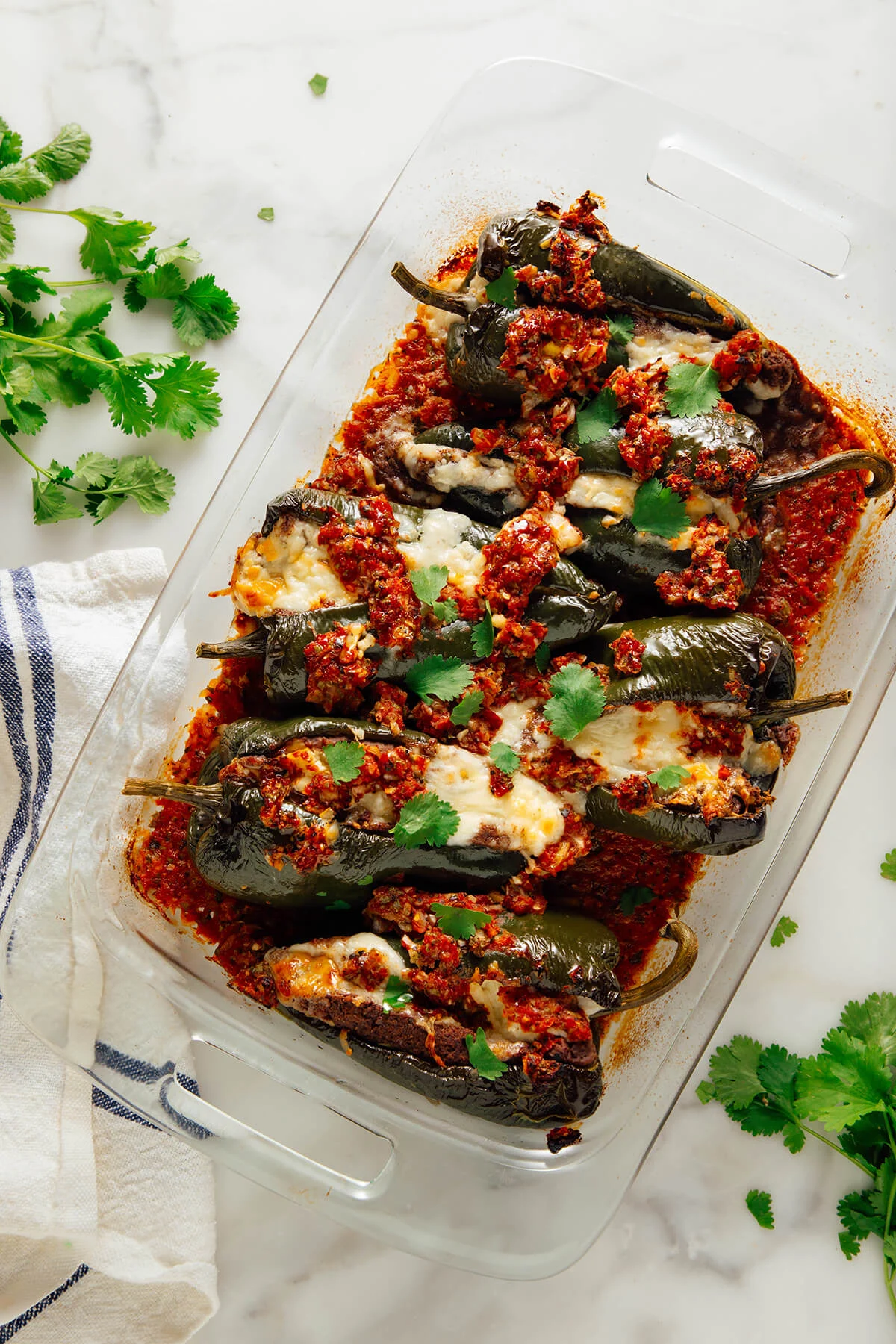
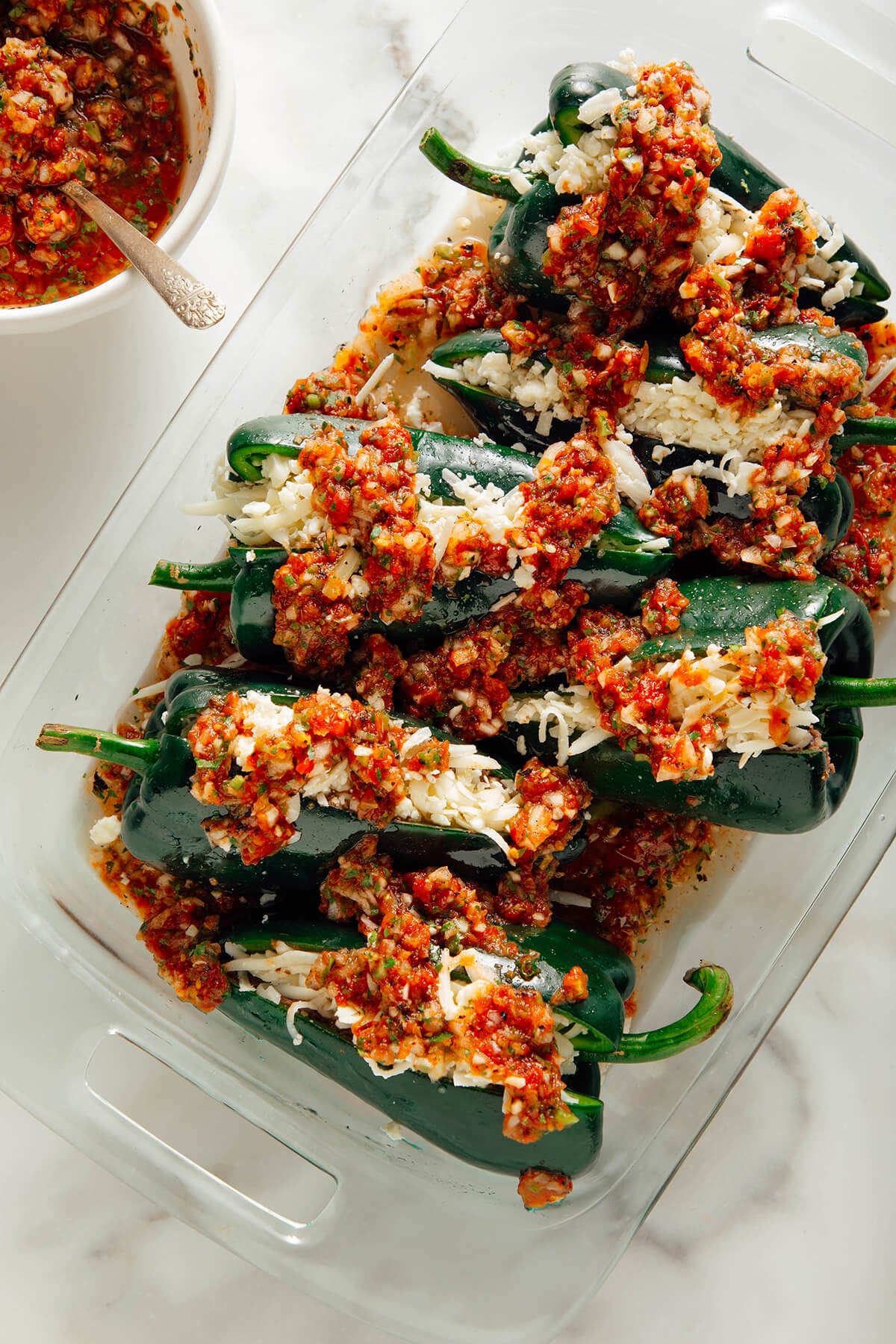
A new recipe for boldly flavored, legitimately hearty stuffed poblano peppers is gaining traction within the culinary community, presenting a substantial vegetarian main dish ideal for the approaching fall season and casual home get-togethers. Boasting an impressive 20 grams of protein per pepper, this dish combines soft, blended black beans with two types of cheese, all encased within tender, caramelized poblano chili peppers and enhanced by a double layer of red salsa. This innovative approach positions the recipe as a simpler yet equally satisfying alternative to traditional enchiladas or layered casseroles, aligning with contemporary demands for nutritious, flavorful, and accessible plant-based options.
The Allure of the Poblano Pepper: A Culinary Canvas
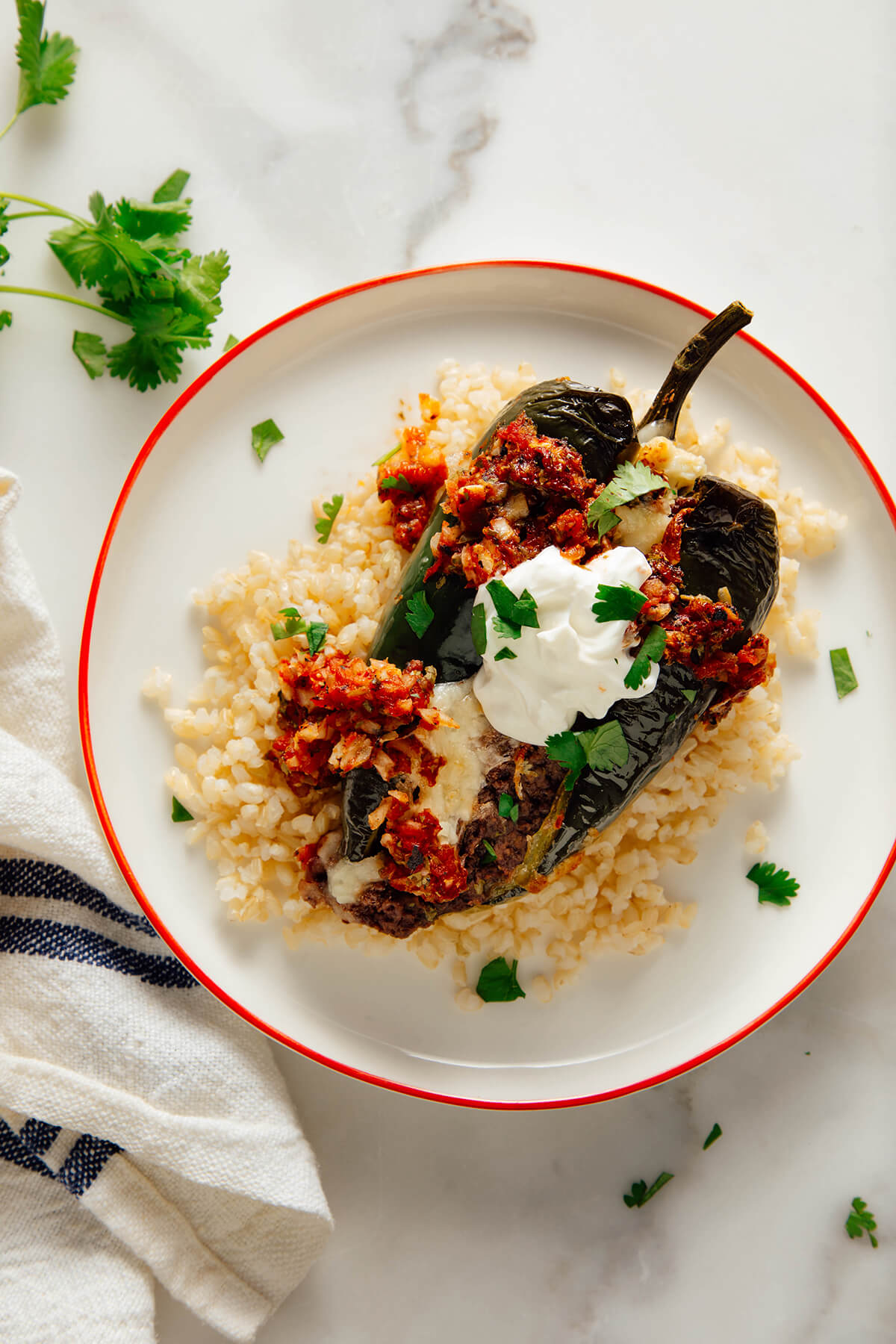
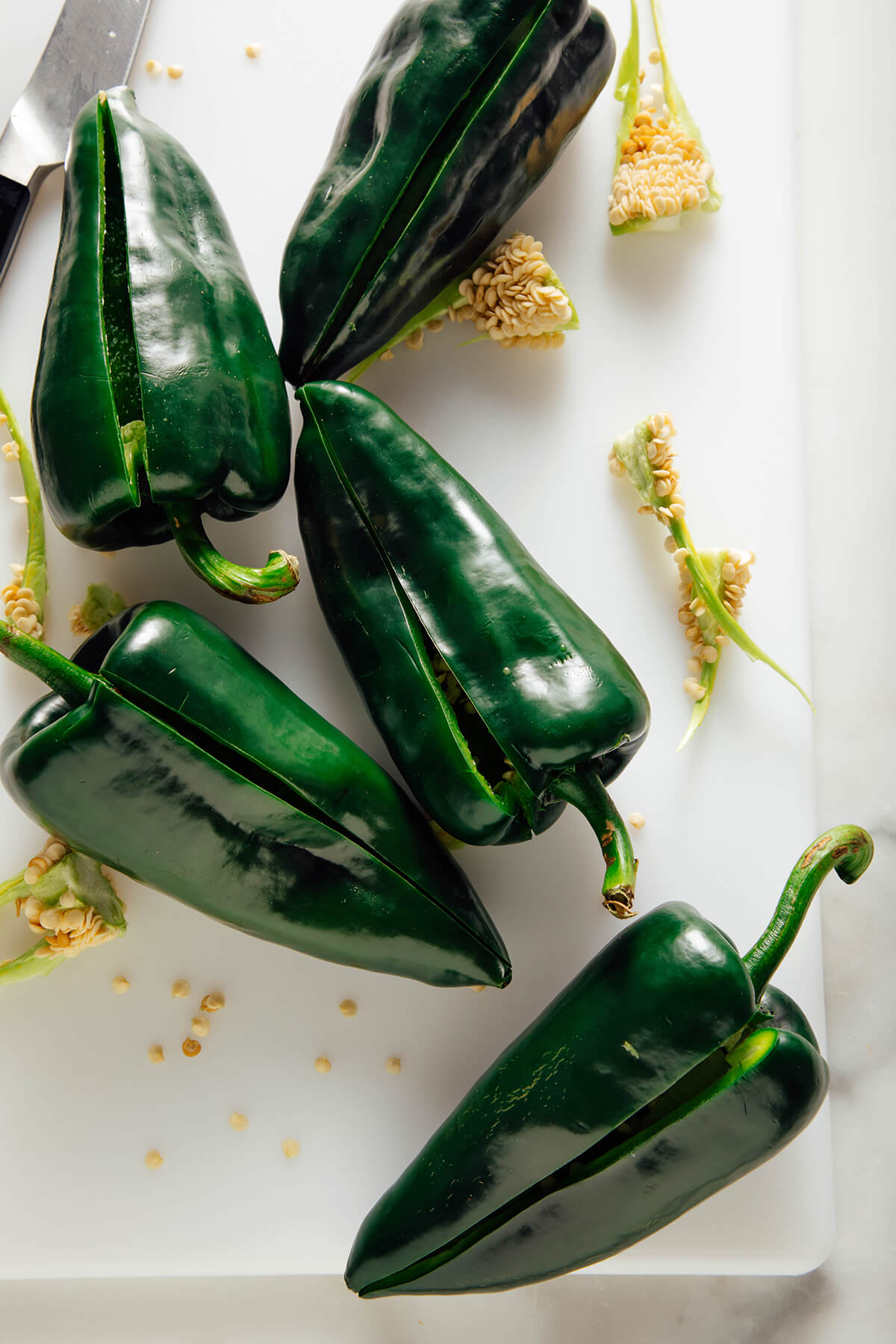
The poblano pepper, Capsicum annuum, is a cornerstone of Mexican cuisine, celebrated for its mild heat and rich, earthy flavor profile. Originating in Puebla, Mexico, these dark green, heart-shaped chili peppers offer a nuanced taste that makes them incredibly versatile. Unlike their spicier counterparts, poblanos typically register between 1,000 and 2,000 Scoville Heat Units (SHU), providing a pleasant warmth rather than an overpowering burn. This mildness, coupled with their robust walls, makes them an ideal vessel for stuffing, allowing them to absorb and complement a wide array of fillings without overwhelming the palate.
Historically, stuffed vegetables have been a staple across numerous global cuisines, from Middle Eastern dolmades to European stuffed cabbage rolls and bell peppers. The concept of filling a vegetable to create a complete meal is deeply ingrained in culinary traditions, reflecting ingenuity and resourcefulness. The poblano pepper, in particular, lends itself beautifully to this technique, its skin softening to a tender texture when cooked, and its interior creating a perfect cavity for savory ingredients. This latest recipe capitalizes on these inherent qualities, transforming the humble pepper into a focal point of a protein-rich meal.
A Deep Dive into the Recipe’s Composition: Flavor and Nutrition Hand-in-Hand
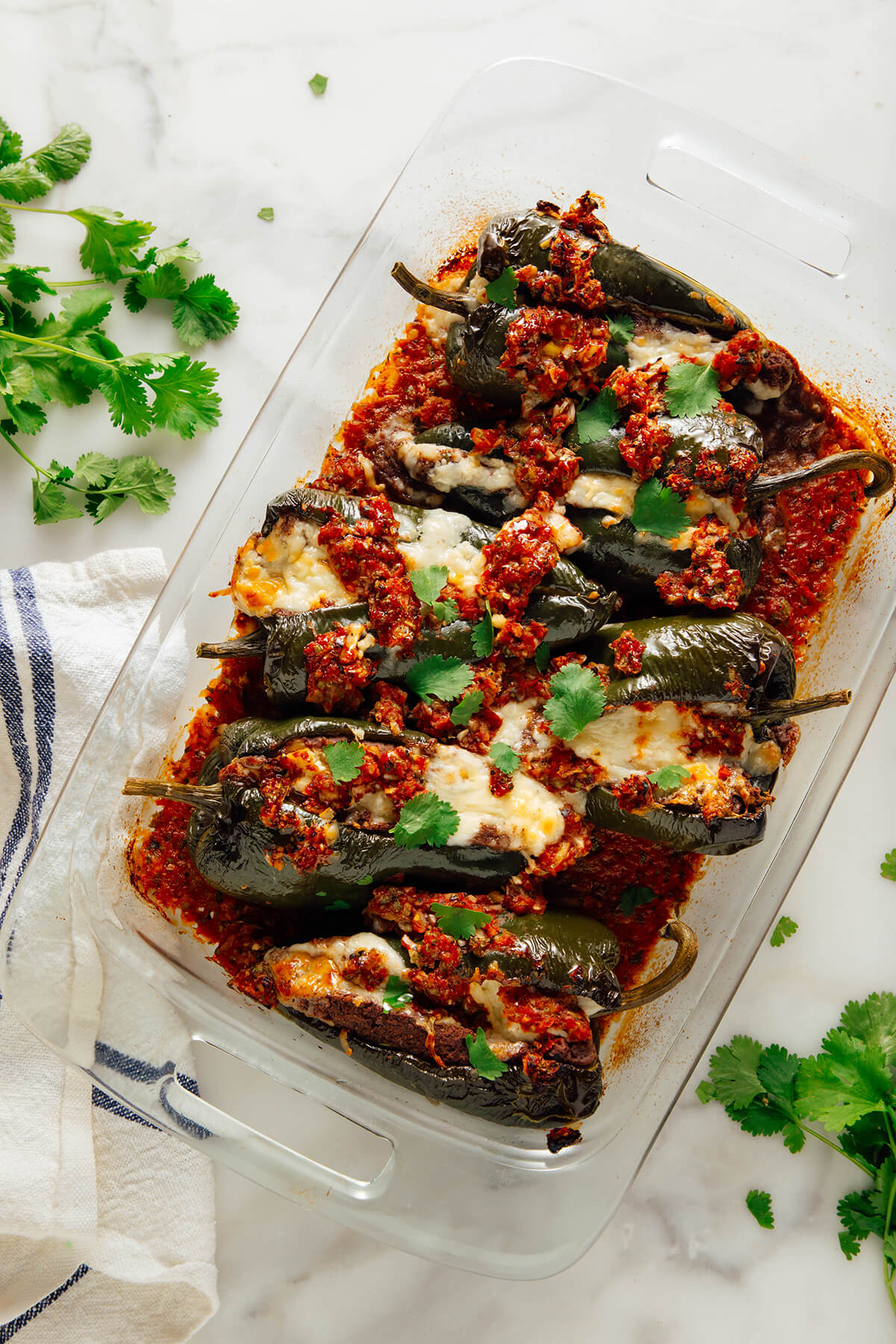
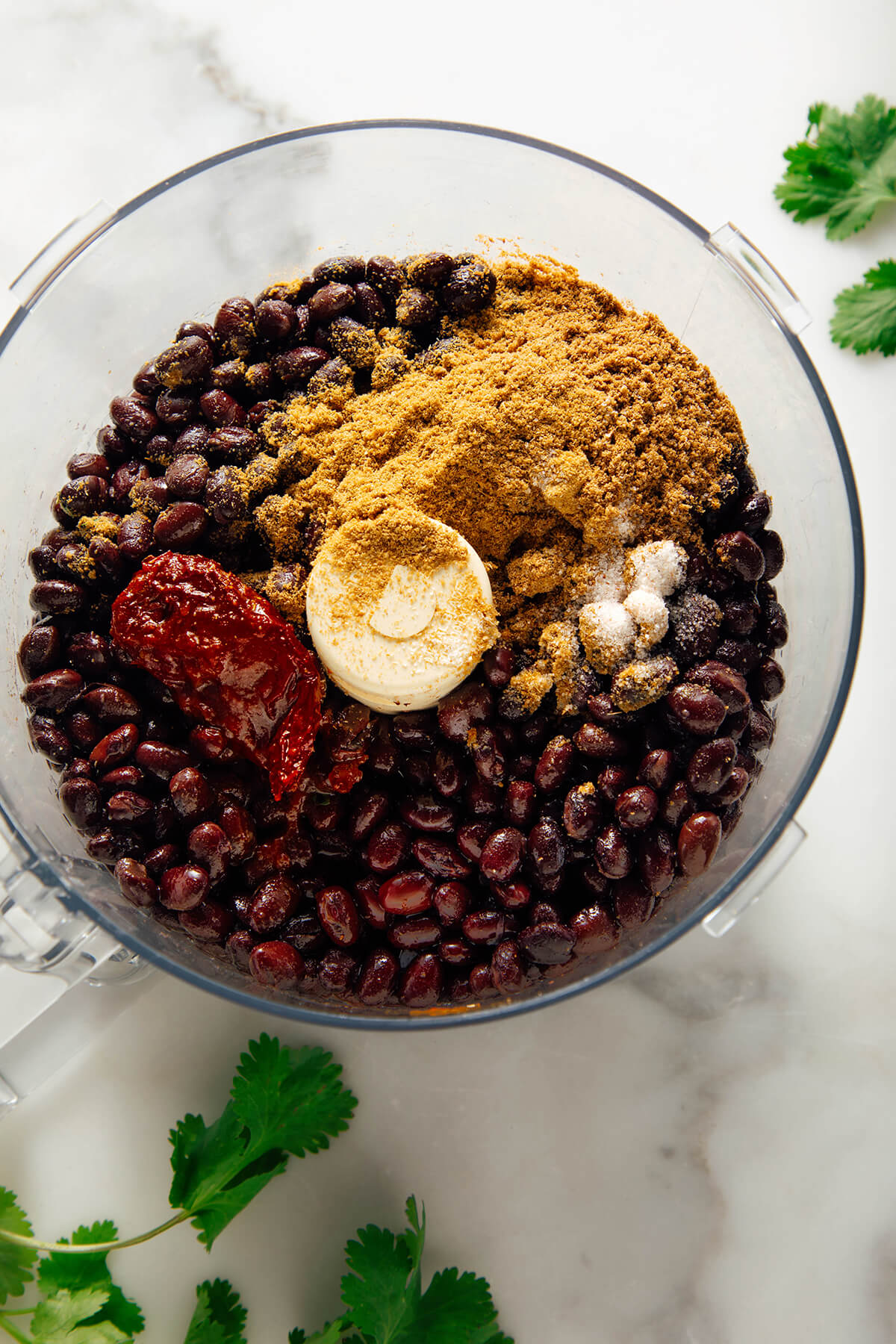
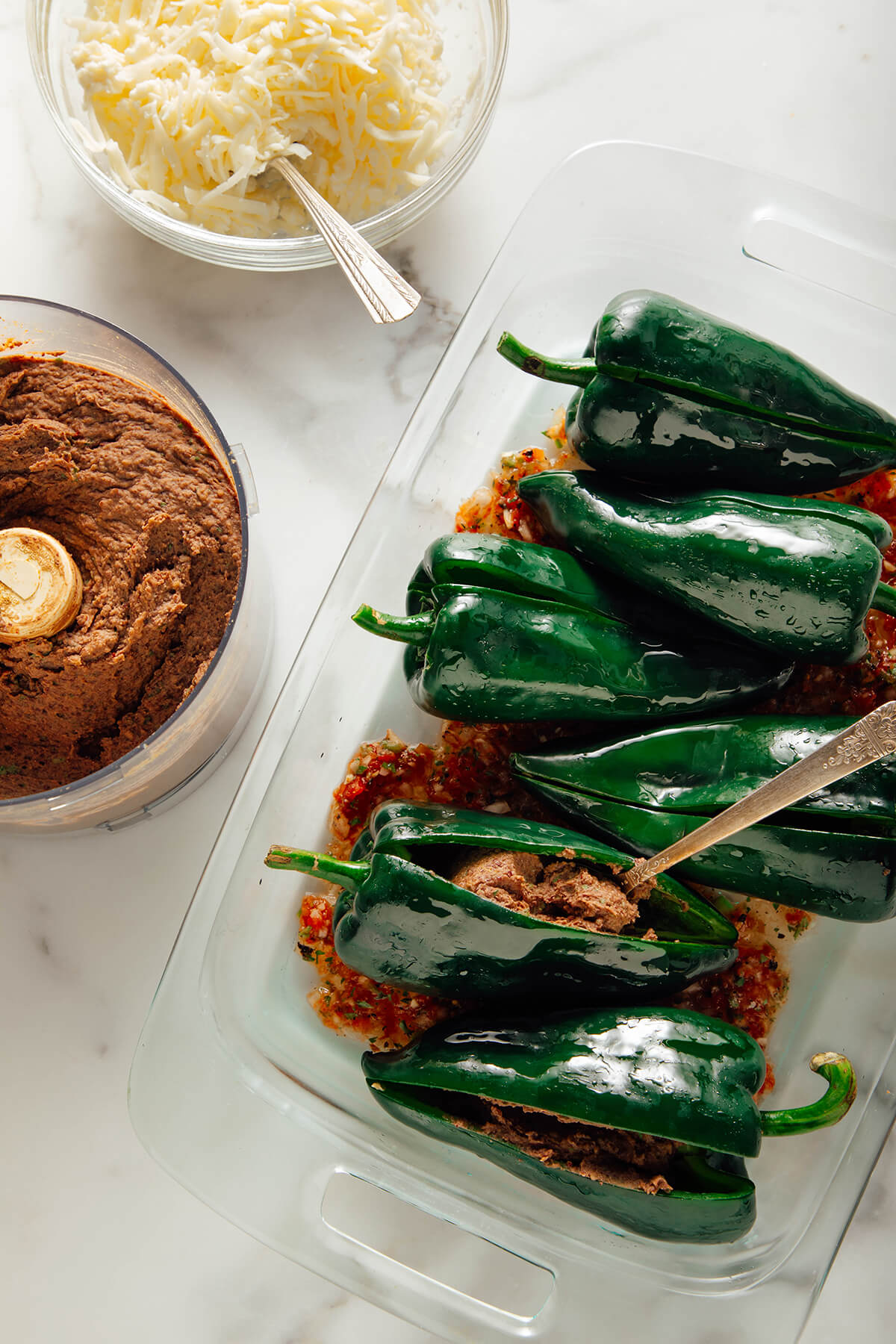
The core of this new stuffed poblano recipe lies in its carefully considered composition, designed to deliver both robust flavor and significant nutritional value. The filling begins with a foundation of soft, blended black beans. Black beans are a powerhouse of plant-based nutrition, renowned for their high protein and fiber content. Each serving contributes to satiety and provides essential amino acids, making the dish exceptionally hearty. The blending process ensures a smooth, creamy texture that adheres well within the pepper, creating a consistent and satisfying bite. This choice of filling is particularly relevant given the increasing consumer awareness of gut health and the benefits of dietary fiber.
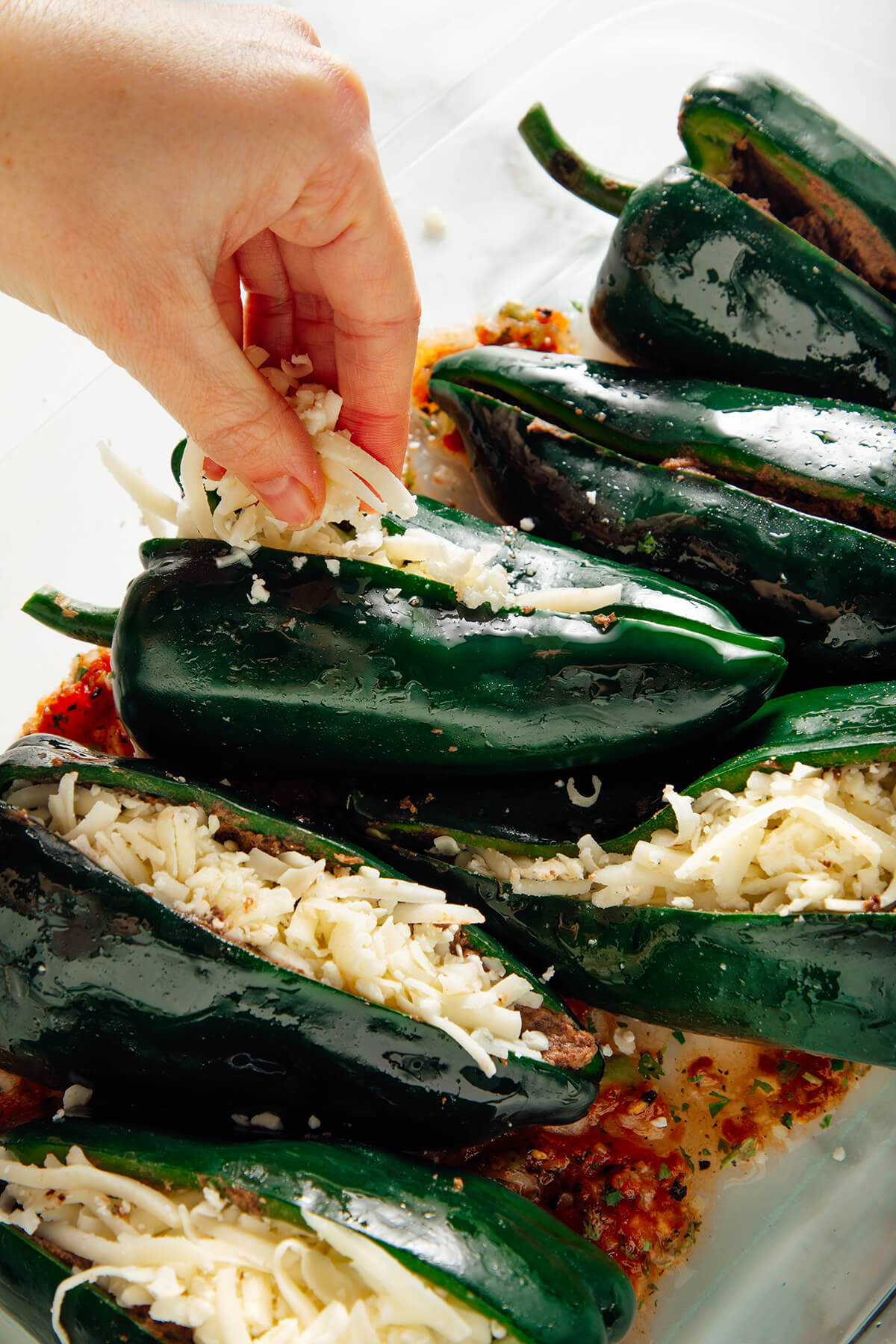
Complementing the black beans are two varieties of cheese, which not only contribute a depth of savory flavor but also develop a "gloriously golden" crust during the baking process. The selection of multiple cheeses often enhances complexity, offering varied melt points and flavor notes that enrich the overall profile. Cheese provides additional protein and calcium, further boosting the meal’s nutritional density while adding a comforting, indulgent element. The visual appeal of the golden, bubbling cheese is also a key factor, making the dish attractive and appetizing, particularly for social gatherings.
A distinctive feature of the recipe is the two-layered application of red salsa. One layer is spread underneath the peppers, forming a flavorful base that keeps the peppers moist and infuses them with a tangy, slightly spicy foundation. A second layer is drizzled on top, adding a fresh burst of flavor and a vibrant visual contrast to the golden cheese. This strategic use of salsa ensures that every component of the dish is thoroughly integrated, preventing dryness and creating a harmonious blend of tastes and textures. The salsa acts as a unifying element, drawing together the earthy beans, the creamy cheese, and the mild spice of the poblano.
The cooking method, primarily oven baking, is central to the dish’s success. As the peppers roast, their skins become nicely tender and slightly caramelized, developing a subtle sweetness that complements the savory filling. Simultaneously, the cheese melts and browns, forming a delectable crust. This process not only cooks the ingredients through but also enhances their natural flavors and textures, creating a satisfying contrast between the soft interior and the slightly crisp exterior.
From a nutritional standpoint, the recipe’s promise of 20 grams of protein per pepper is a significant highlight. For individuals seeking to increase plant-based protein intake or reduce meat consumption, this dish offers a substantial and satisfying option. It is also noted as being vegetarian and gluten-free, addressing common dietary preferences and restrictions, making it an inclusive choice for diverse groups of diners. This focus on high protein and dietary accommodation reflects a broader trend in food development, where recipes are increasingly designed to meet specific health and wellness goals without compromising on taste or satisfaction.
Culinary Trends and the Rise of Plant-Based Heartiness: Broader Implications
The emergence of such a robust vegetarian dish aligns perfectly with several prominent culinary and dietary trends. The global shift towards plant-based diets has accelerated significantly in recent years, driven by a confluence of health, ethical, and environmental considerations. Data from various market research firms indicates a consistent increase in consumers adopting vegetarian, vegan, or flexitarian lifestyles. For instance, a 2023 report by the Plant Based Foods Association noted sustained growth in plant-based food sales, demonstrating a clear consumer appetite for innovative meat alternatives and vegetable-centric meals.
A common challenge perceived by those transitioning to plant-based eating is the notion that vegetarian meals can lack the "heartiness" or satiety associated with meat dishes. This stuffed poblano pepper recipe directly addresses this concern. By packing 20 grams of protein into each serving, it provides a meal that is genuinely filling and nutritionally dense, dispelling the myth that plant-based food must be insubstantial. This emphasis on robust, satisfying vegetarian options is crucial for wider adoption and long-term adherence to plant-forward diets.
Furthermore, the recipe’s design as a "simpler alternative to enchiladas or layered casseroles" resonates deeply with the modern home cook. In an era where time is a precious commodity, streamlined recipes that minimize complexity without sacrificing flavor or quality are highly valued. This focus on efficiency reflects a broader trend in culinary media, where accessibility and ease of preparation are increasingly prioritized. The ability to create a crowd-pleasing, visually appealing meal without extensive effort makes this dish particularly attractive for busy individuals and families.
The Seasonal Appeal and Social Significance: Timing and Connection
The timing of this recipe’s unveiling is particularly opportune, coinciding with the advent of autumn. As temperatures drop, there is a natural inclination towards comfort food—dishes that are warm, hearty, and often reminiscent of home. Stuffed peppers fit this description perfectly, providing a cozy and satisfying meal. The recipe is specifically highlighted as being "perfect for game days and casual home get-togethers," underscoring its role in social gatherings. Food plays an indispensable role in fostering connection and community, especially during festive seasons and shared events like watching sports. A dish that is both easy to prepare and universally appealing can become a go-to for hosts looking to offer a comforting and inclusive option.
The creator, Kathryne Taylor of the popular food blog Cookie and Kate, expresses a clear enthusiasm for the dish, stating, "I hope you’ll make them again and again this fall—I’m already looking forward to my next batch." This sentiment, while personal, reflects the intended user experience: a recipe so enjoyable and straightforward that it becomes a recurring favorite. Such endorsements from trusted culinary voices often act as significant motivators for home cooks to try new dishes, contributing to the recipe’s potential widespread adoption.
Streamlined Preparation and Ingredient Insights: The Recipe’s Engineering
A key aspect emphasized by the recipe’s author is the deliberate effort to "streamline this recipe as much as possible." This commitment to efficiency is evident in the clear, concise instructions and the provision of visual aids, such as an instructional video and step-by-step images. In the digital age, where visual learning is paramount, these resources are invaluable for home cooks of all skill levels, demystifying the cooking process and building confidence. The emphasis on a smooth execution speaks to a thoughtful approach to recipe development, where usability is as important as taste.
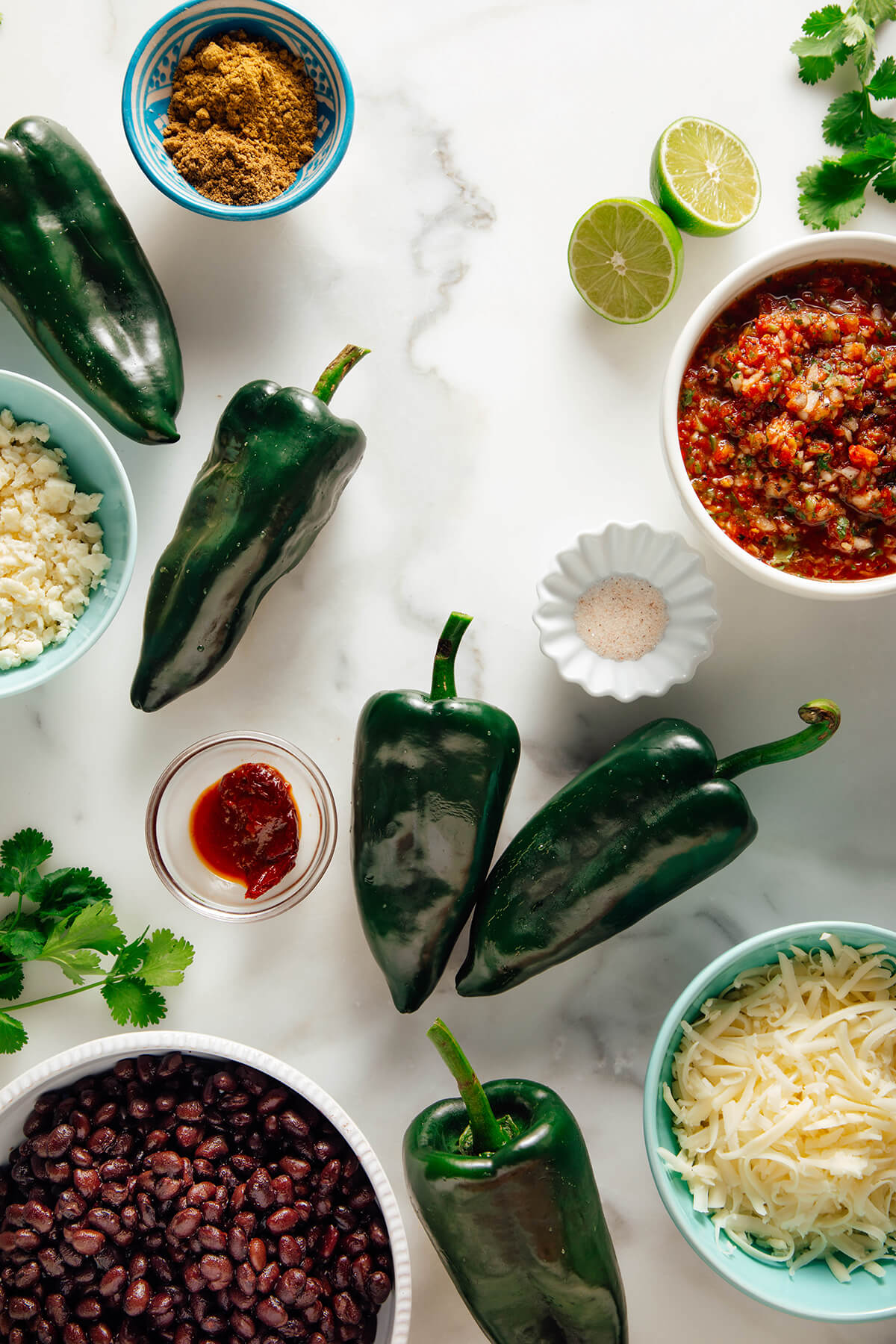
While specific ingredient details beyond black beans, cheese, and salsa are not extensively listed in the introductory description, the overall success of the dish hinges on quality components. Fresh poblano peppers are crucial for optimal flavor and texture. The choice of salsa—whether homemade or a high-quality store-bought variety—significantly impacts the overall taste profile. Similarly, selecting cheeses that melt well and offer complementary flavors will elevate the dish. Ingredient tips, often found in the full recipe, typically guide cooks on choosing the best produce, spices, and other elements to ensure the best possible outcome. For instance, considerations for the black bean puree would likely include aromatics like onion and garlic, and spices such as cumin or chili powder, which contribute to its "boldly flavored" designation.
Curating the Complete Dining Experience: Serving Suggestions and Strategic Pairing
Beyond the main dish itself, the recipe provides comprehensive serving suggestions, guiding cooks on how to "round out your meal." These recommendations are not merely afterthoughts but are strategically chosen to complement and enhance the stuffed poblanos, creating a well-balanced and flavorful dining experience.
Starting with appetizers such as guacamole or creamy avocado dip served with tortilla chips introduces a fresh, vibrant element and sets a convivial tone for the meal. Guacamole, with its rich avocado base, and avocado dip offer a creamy contrast to the baked peppers and a refreshing palate cleanser.
For sides, the suggestions include Esquites (Mexican Street Corn Salad) or Mexican Green Salad with Jalapeño-Cilantro Dressing. Esquites, a vibrant and tangy corn salad, adds a textural and flavor dimension with its sweet corn, chili, and lime notes. The Mexican Green Salad, dressed with a zesty jalapeño-cilantro vinaigrette, provides freshness and a slight kick, cutting through the richness of the main dish. For a simpler salad, fresh greens topped with cherry tomatoes, avocado, and Cilantro Lime Dressing offer a quick yet elegant accompaniment. Each of these pairings is designed to enhance the overall Mexican-inspired theme and ensure a diverse array of flavors and textures on the plate.
The inclusion of these serving suggestions underscores a holistic approach to meal planning, recognizing that a main dish is often part of a larger culinary experience. This guidance empowers home cooks to create a restaurant-quality meal at home, facilitating successful entertaining and satisfying dining.
The Author’s Vision and Culinary Influence: Shaping Home Cooking

Kathryne Taylor, the voice behind Cookie and Kate, has established herself as a respected figure in the realm of vegetarian cooking. With a bestselling cookbook and over a decade of sharing recipes, her platform has become a trusted resource for individuals seeking wholesome, delicious, and approachable plant-based meals. Her commitment to "real food" and her passion for vegetables are evident in the development of recipes like these stuffed poblano peppers.
The influence of food blogs and culinary websites like Cookie and Kate cannot be overstated in today’s culinary landscape. They serve as vital educational tools, inspiring home cooks to experiment with new ingredients, techniques, and dietary styles. By providing detailed instructions, visual guides, and often personal anecdotes, these platforms demystify cooking and empower individuals to prepare diverse and nutritious meals. The encouragement for readers to provide feedback, as seen in the call to "Please let me know how your peppers turn out in the comments!", further fosters a sense of community and continuous improvement, allowing the author to refine recipes based on user experiences.
In conclusion, the introduction of these stuffed poblano peppers marks a significant addition to the repertoire of hearty vegetarian cuisine. Through a thoughtful combination of bold flavors, substantial protein content, and streamlined preparation, the recipe effectively addresses contemporary culinary trends and consumer demands. As autumn approaches, this dish is poised to become a favored choice for those seeking a satisfying, crowd-pleasing, and nutritious meal for game days and casual home gatherings, further solidifying the role of plant-based dishes in modern dining.
