








A significant advancement in the bioavailability of berberine has emerged from a recent clinical trial, showcasing remarkable improvements in key metabolic health biomarkers. The study, focused on a novel polysaccharide-encapsulated form of berberine, marks a pivotal moment for the ingredient, addressing long-standing limitations in its absorption and unlocking its full therapeutic potential. This breakthrough, detailed in the International Journal of Clinical Trials, positions berberine as a formidable player in the burgeoning field of metabolic health, with implications for cardiovascular wellness, weight management, and hormonal balance.
The research investigated the efficacy of a proprietary encapsulated berberine formulation, marketed as Metaberine by Zeus Hygia and exclusively distributed in North America by CK Ingredients. Participants in the trial received a daily dose of 200 mg for a period of two weeks. The results were striking: significant reductions were observed in fasting glucose levels, total cholesterol, and low-density lipoprotein (LDL) cholesterol, often referred to as "bad" cholesterol. Concurrently, the supplementation led to a notable increase in high-density lipoprotein (HDL) cholesterol, the "good" cholesterol, and elevated levels of circulating glucagon-like peptide-1 (GLP-1). GLP-1 is a crucial hormone involved in regulating blood sugar and appetite, and its increased levels are associated with improved glycemic control and satiety.
Michael Chernyak, president of CK Ingredients, highlighted the inherent challenges that have historically hindered berberine’s widespread adoption. "The main challenge with conventional berberine is not its biological potential, but how poorly it is absorbed by the body," Chernyak stated. He elaborated on the well-documented limitations of native berberine, primarily its low solubility and consequently poor bioavailability, which have often necessitated higher dosages without guaranteeing optimal absorption. This has been a persistent hurdle for formulators seeking to harness berberine’s therapeutic benefits effectively.
To substantiate these claims, a separate pharmacokinetic study was conducted, comparing the absorption rates of native berberine against its encapsulated counterpart, branded as BioSOLVE by Zeus Hygia. This study, utilizing a rat model, demonstrated significantly improved absorption of the encapsulated form, providing a robust scientific foundation for the enhanced efficacy observed in the human clinical trial. The polysaccharide encapsulation technology appears to be the key differentiator, effectively protecting berberine from degradation in the digestive tract and facilitating its uptake into the bloodstream.
The implications of these findings are far-reaching, particularly within the realm of metabolic health formulations. Chernyak identified several key areas where encapsulated berberine is poised to make a substantial impact. "We see the most potential for berberine in metabolic health formulations," he explained, specifically citing cardiometabolic health and polycystic ovary syndrome (PCOS) support as prime applications. Additionally, its role in weight management products is expected to grow, driven by its influence on glucose metabolism and appetite regulation.
Chernyak also addressed the popular, albeit potentially oversimplified, narrative that has recently elevated berberine’s profile. "The ‘nature’s Ozempic’ storyline certainly created substantial consumer awareness, but we don’t believe that is the most sustainable scientific positioning for berberine," he remarked. While acknowledging the public’s growing interest, he emphasized a more scientifically grounded approach. "We see the bigger opportunity in positioning it as a clinically supported metabolic health ingredient." This strategic shift aims to leverage the robust scientific evidence to build long-term credibility and market trust, moving beyond transient trends.
The journey of berberine in the supplement market has not been without its challenges. Past concerns in Europe regarding the safety of berberine have surfaced, prompting a need for comprehensive safety and efficacy data. Chernyak expressed optimism for future research, stating, "Chernyak looks forward to more clinical studies on berberine’s efficacy." Indeed, the company is actively pursuing further research, with three additional studies currently in progress to further evaluate the multifaceted benefits of encapsulated berberine. This commitment to ongoing scientific investigation is crucial for solidifying berberine’s standing as a safe and effective dietary supplement ingredient.

Functional Mushrooms Continue to Garner Scientific and Commercial Interest
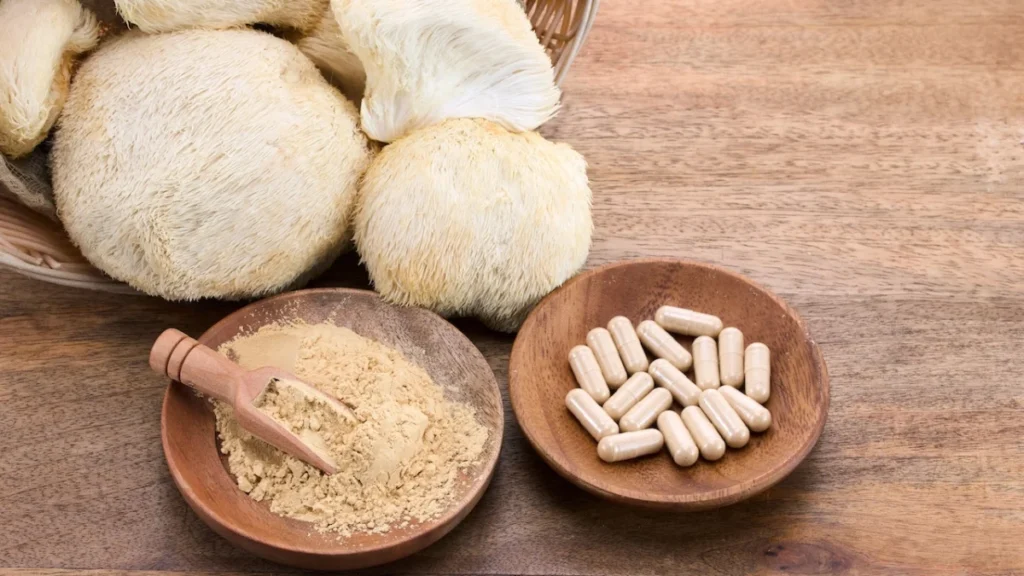
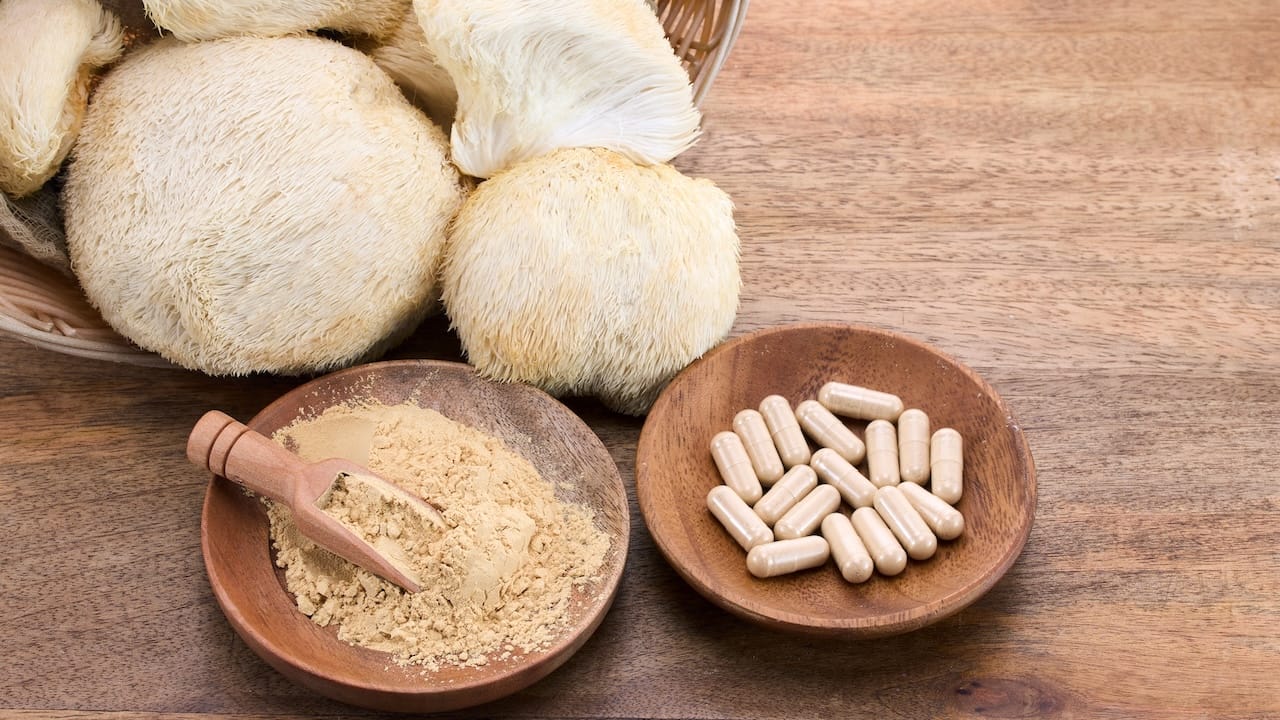
Beyond berberine, the supplement industry is witnessing a surge of innovation and market expansion in other key categories. Functional mushrooms, long revered in traditional medicine, are experiencing a renaissance, fueled by a growing body of preclinical research and an influx of new pet product launches. These versatile fungi, including popular varieties like Lion’s Mane, Reishi, Cordyceps, and Turkey Tail, are being explored for their diverse health-promoting properties, ranging from cognitive enhancement and immune support to stress reduction and athletic performance.
Recent preclinical studies have delved into the intricate mechanisms by which compounds found in functional mushrooms exert their effects. For instance, research on Lion’s Mane (Hericium erinaceus) has focused on its potential to stimulate nerve growth factor (NGF) synthesis, a protein vital for the growth, maintenance, and survival of neurons. This has generated significant interest in its application for cognitive health, memory support, and potentially neurodegenerative conditions. Similarly, Reishi (Ganoderma lucidum) is being investigated for its immunomodulatory and adaptogenic properties, offering potential benefits for stress management and immune system resilience. Cordyceps, known for its historical use in boosting energy and stamina, is undergoing scientific scrutiny for its effects on athletic performance and oxygen utilization.
The burgeoning pet supplement market has also embraced functional mushrooms. Recognizing the increasing demand for natural and holistic pet health solutions, manufacturers are launching innovative products tailored to canine and feline needs. These often incorporate mushroom extracts designed to support immune function, joint health, and digestive well-being in pets. The appeal lies in the perception of mushrooms as gentle yet potent natural remedies, aligning with the growing trend of "humanizing" pets and extending human health trends to animal companions.
The scientific community’s engagement with functional mushrooms is intensifying, with researchers exploring novel extraction techniques to maximize the bioavailability of key bioactive compounds such as beta-glucans, triterpenes, and ergothioneine. These compounds are believed to be responsible for many of the observed health benefits. As research progresses, a clearer understanding of the specific dosages, synergistic effects of different mushroom species, and optimal delivery systems will emerge, further solidifying their place in evidence-based wellness strategies.
Manufacturing Expansion and Improvement Drive Industry Growth
The dynamism of the supplement industry is not solely confined to scientific discovery and product innovation; it is also underpinned by significant investments in manufacturing capabilities. A consistent trend observed across the sector is the expansion and enhancement of production facilities, reflecting a commitment to meeting growing demand, ensuring product quality, and adhering to stringent regulatory standards.
Manufacturers are investing in state-of-the-art equipment, advanced automation, and expanded production lines to increase output and streamline operations. This includes upgrades to cleanroom environments, sophisticated quality control laboratories, and sophisticated packaging solutions. The focus on improving production facilities is driven by several factors: the need to scale up to meet global demand, the increasing complexity of ingredient sourcing and formulation, and the imperative to maintain the highest standards of safety and efficacy.
Furthermore, many companies are prioritizing sustainability in their manufacturing processes. This includes efforts to reduce energy consumption, minimize waste generation, and implement environmentally friendly packaging solutions. The industry’s commitment to responsible manufacturing practices not only addresses growing consumer expectations but also contributes to the long-term viability and ethical standing of the supplement sector.
The integration of advanced technologies, such as artificial intelligence and data analytics, is also transforming manufacturing operations. These technologies enable predictive maintenance, optimize production schedules, and enhance traceability throughout the supply chain. By leveraging these innovations, manufacturers can improve efficiency, reduce costs, and ensure greater consistency in product quality.
The ongoing investment in manufacturing infrastructure is a critical enabler for the entire supplement ecosystem. It allows for the efficient translation of scientific breakthroughs into high-quality finished products that reach consumers worldwide. This robust manufacturing backbone is essential for supporting the industry’s growth trajectory and its ability to meet the evolving health and wellness needs of a global population.
Looking Ahead: A Future of Enhanced Efficacy and Accessibility
The developments in encapsulated berberine, the continued scientific exploration of functional mushrooms, and the robust expansion of manufacturing capabilities collectively paint a picture of a vibrant and evolving dietary supplement industry. The emphasis on scientific validation, improved bioavailability, and advanced production techniques signals a maturation of the market, moving towards products that are not only innovative but also demonstrably effective and accessible.
The scientific community’s increasing engagement with ingredients like berberine, supported by rigorous clinical trials, is crucial for building consumer trust and driving informed purchasing decisions. As more research emerges, the nuanced benefits of these compounds will become clearer, allowing for more targeted and effective health interventions.
The functional mushroom category, with its deep roots in traditional knowledge and its growing scientific backing, is poised for continued expansion. The development of specialized pet products further broadens its appeal and market penetration.
Ultimately, the commitment to enhancing manufacturing facilities ensures that the pipeline of innovative supplements remains strong and that consumers can access high-quality products that meet their health and wellness goals. The industry’s trajectory points towards a future where scientifically validated ingredients, delivered through optimized formulations and produced with the highest standards, will play an increasingly vital role in promoting global well-being.