

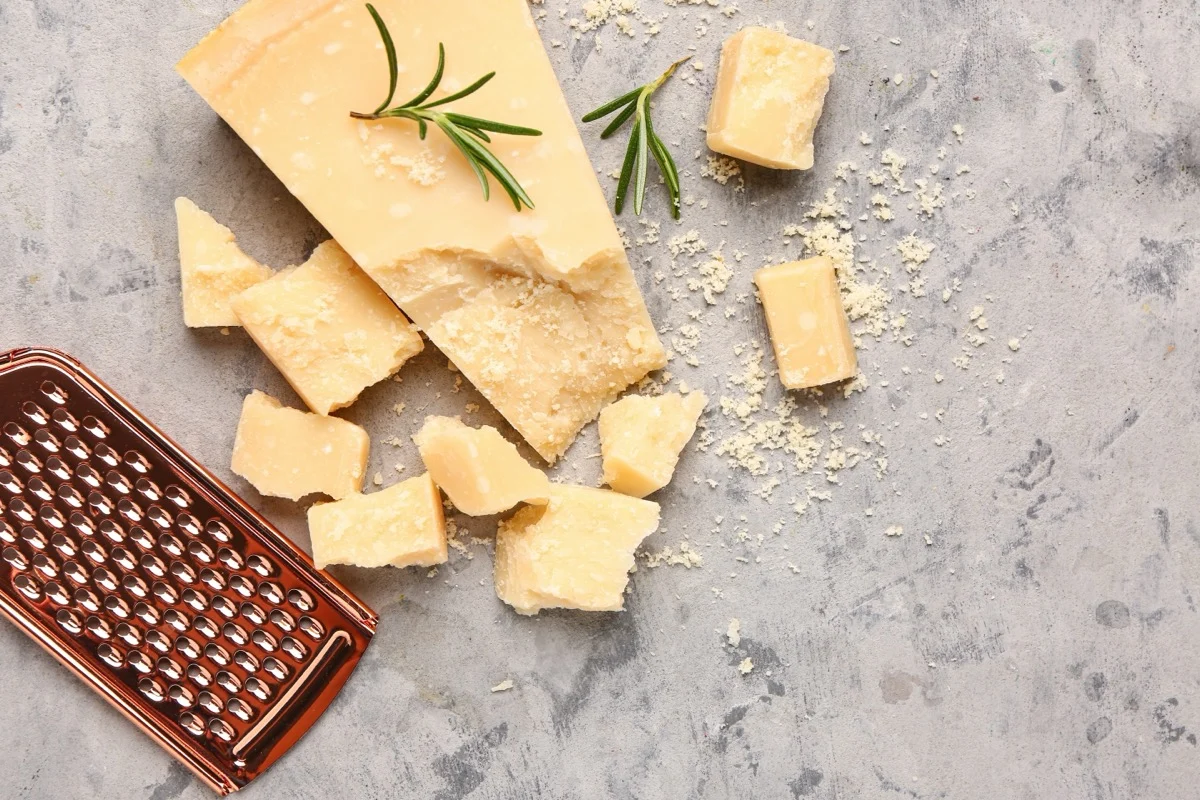
In the ongoing pursuit of effective weight management and the specific reduction of abdominal fat, dietary choices play a paramount role. While cheese has often been stereotyped as an indulgence to be avoided during weight loss, new insights from nutritional experts suggest that certain protein-rich varieties can, in fact, be a valuable ally. Tara Collingwood, MS, RDN, CSSD, LD/N, ACSM-CPT, a Board Certified Sports Dietitian and co-author of the Flat Belly Cookbook for Dummies, emphasizes that no single food acts as a magic bullet for fat loss. However, she asserts that "higher-protein cheeses that are easy to portion can support fullness and muscle maintenance, both of which are important for overall fat loss." This perspective challenges conventional wisdom, offering a nuanced approach to incorporating dairy into a health-conscious diet aimed at reducing belly fat.
Understanding the Challenge of Abdominal Fat
Abdominal fat, particularly visceral fat that surrounds internal organs, is a significant public health concern. Beyond its aesthetic implications, excess belly fat is strongly linked to an increased risk of serious health conditions, including cardiovascular disease, type 2 diabetes, metabolic syndrome, and certain cancers. The body’s metabolism, a complex series of chemical processes that convert food into energy, is profoundly influenced by diet and body composition. When individuals embark on a weight loss journey, particularly targeting abdominal fat, the objective extends beyond mere calorie restriction to include optimizing nutrient intake to support satiety, preserve lean muscle mass, and enhance metabolic efficiency.

Protein is a critical macronutrient in this context. It is widely recognized for its high satiety index, meaning it helps individuals feel fuller for longer periods compared to carbohydrates or fats, thereby reducing overall caloric intake. Furthermore, protein has a higher thermic effect of food (TEF), meaning the body expends more energy to digest and metabolize protein than other macronutrients. Crucially, adequate protein intake is essential for muscle protein synthesis, preventing muscle loss during periods of caloric deficit. Muscle tissue is more metabolically active than fat tissue, meaning it burns more calories at rest. Therefore, maintaining or even building muscle mass is a strategic component of sustainable fat loss and metabolic health.
Strategic Inclusion of Cheese in a Weight Loss Diet
The traditional view of cheese as a high-fat, calorie-dense food has often led to its exclusion from weight loss diets. However, Collingwood’s recommendations highlight that not all cheeses are created equal, and judicious selection and portion control can transform cheese from a dietary hindrance into a beneficial component. The key lies in choosing varieties that are rich in protein and offer strong flavors that satisfy cravings with smaller servings, naturally aiding in portion management. The presence of calcium in many cheeses also offers additional nutritional benefits, as calcium has been implicated in fat metabolism and bone health.
Here are the seven best protein-rich cheeses that can be strategically incorporated into a diet aimed at supporting fullness and promoting belly fat loss:
1. Cottage Cheese
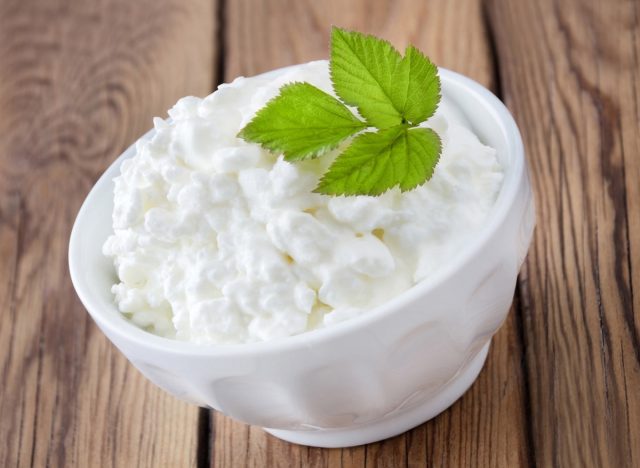
Cottage cheese stands out as a powerhouse in the realm of protein-rich dairy products. It is renowned for its exceptionally high protein content, primarily casein, a slow-digesting protein that provides a sustained release of amino acids into the bloodstream. This characteristic makes cottage cheese an excellent choice for promoting prolonged feelings of fullness, curbing hunger pangs between meals, and supporting muscle repair and growth, especially after exercise. A typical half-cup serving of low-fat cottage cheese can provide upwards of 12-14 grams of protein with a relatively modest calorie count.
Collingwood emphasizes its role in muscle maintenance, stating, "Maintaining muscle is important for metabolism, especially when you’re trying to lose abdominal fat. Low-fat or full-fat can work depending on portions and preferences." The versatility of cottage cheese is another significant advantage. It can be enjoyed in various forms: as a savory snack topped with black pepper and chives, mixed with fruits and a drizzle of honey for a sweet treat, or incorporated into more elaborate dishes like lasagna or pancakes as a protein booster. Its soft, curdy texture and mild flavor make it highly adaptable, allowing individuals to customize it to their dietary preferences while reaping its nutritional benefits. Choosing low-fat or non-fat varieties can further reduce calorie and saturated fat intake, making it an even more weight-loss-friendly option, provided portion sizes are carefully monitored for both full-fat and low-fat versions.
2. Greek-Style Feta
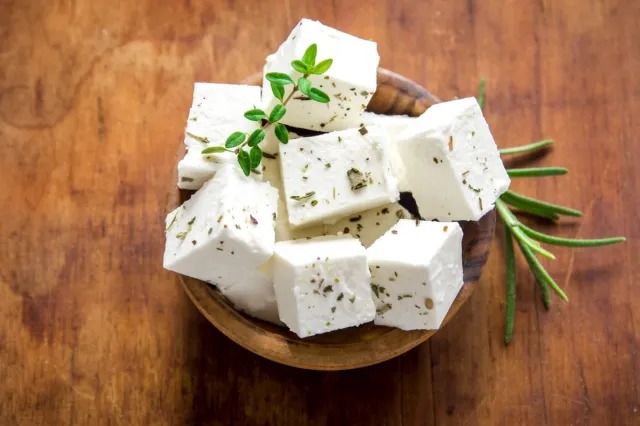
Greek-style feta, with its distinctive salty and tangy profile, offers a unique advantage for portion control. Its intense flavor means that a small amount can significantly enhance the taste and satisfaction of a meal without contributing excessive calories. As Collingwood notes, "Feta has a strong flavor, so a little goes a long way. That makes it easier to control portions while still adding satisfaction to meals. Great crumbled over salads or roasted vegetables." This characteristic makes it an ideal ingredient for adding a burst of flavor to otherwise simple dishes, thereby increasing enjoyment and reducing the likelihood of overeating.
Nutritionally, feta provides a good source of protein and calcium. While it can be higher in sodium than some other cheeses, using it sparingly helps manage overall sodium intake. Its crumbly texture and robust taste make it perfect for Mediterranean-inspired dishes, salads, and vegetable preparations. For example, a sprinkle of feta over a bowl of roasted broccoli or a fresh cucumber and tomato salad can elevate the dish’s flavor profile, making healthy eating more appealing and sustainable. The strong sensory experience it provides contributes to satiety, helping individuals feel content with smaller portions and supporting their weight loss objectives.
3. Part-Skim Mozzarella
Part-skim mozzarella is a highly popular and versatile cheese that offers a balanced nutritional profile suitable for weight loss. It is relatively low in calories and saturated fat compared to its full-fat counterpart, while still providing a valuable source of protein and calcium. Collingwood highlights its benefits: "Mozzarella is relatively low in calories and provides protein and calcium, nutrients that support body composition when included in a balanced diet. String cheese portions make this especially easy to manage." Calcium is not only vital for bone health but has also been linked in some studies to a potential role in fat metabolism.
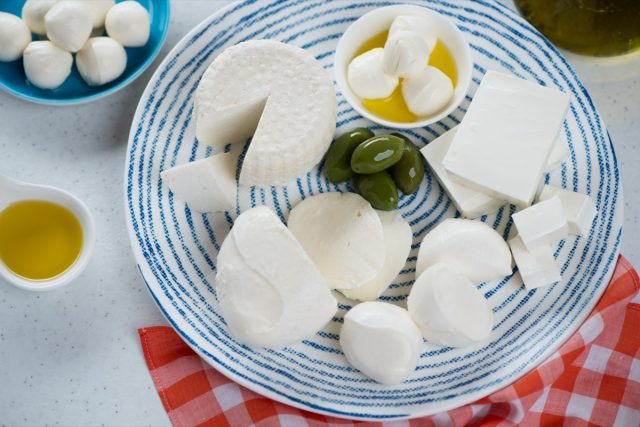
The availability of part-skim mozzarella in convenient forms, such as string cheese, is a significant advantage for portion control. String cheese provides pre-portioned servings, eliminating the guesswork and making it an excellent on-the-go snack. Its mild flavor and meltable texture make it a staple in various culinary applications, from topping pizzas and pasta dishes to being enjoyed fresh in caprese salads or as a simple snack. By opting for part-skim varieties and utilizing pre-portioned formats, individuals can enjoy cheese without derailing their caloric goals, making it an accessible and practical choice for weight management.
4. Parmesan
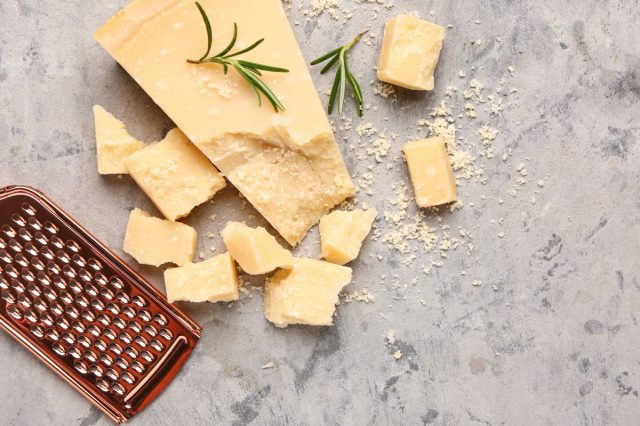
Parmesan, a hard, aged Italian cheese, is another excellent choice due to its concentrated flavor and dense nutritional profile. As a hard cheese, Parmesan is naturally lower in moisture and higher in protein per gram compared to many softer cheeses. Collingwood points out, "Hard cheeses like Parmesan are flavorful and protein-dense, meaning you can use small amounts and still feel satisfied. A tablespoon or two adds big flavor without many calories." Its rich umami flavor is incredibly satisfying, allowing for small portions to deliver a significant taste impact.
This characteristic makes Parmesan an ideal finishing cheese. Grating a small amount over a bowl of whole-wheat pasta with vegetables, a vibrant salad, or a hearty soup can provide a depth of flavor that enhances satisfaction without adding a substantial number of calories. The strong flavor contribution of Parmesan effectively tricks the palate into feeling more satiated, reducing the desire for larger, more calorie-dense portions of other foods. Moreover, Parmesan is naturally lactose-free due to its aging process, making it a suitable option for individuals with lactose sensitivities. Its ability to elevate dishes with minimal input solidifies its place as a smart choice for those managing their weight.
5. Swiss Cheese
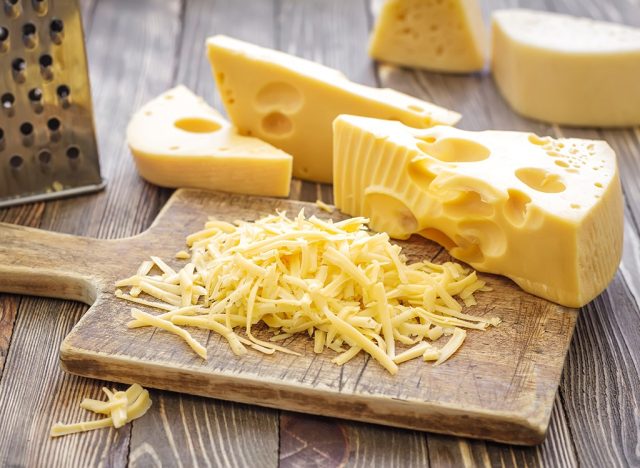
Swiss cheese, known for its distinctive holes and mild, nutty flavor, offers a compelling nutritional profile that supports weight loss efforts. It provides a good source of protein and calcium, similar to other dairy products, but often with a notable advantage: lower sodium content compared to many other popular cheeses. Collingwood states, "Swiss cheese offers protein with less sodium than many other cheeses, which can be helpful for people watching their bloating or water retention. Pairs well with whole-grain bread or fruit." Managing sodium intake is crucial for overall health, as excessive sodium can lead to water retention and bloating, which can obscure progress in weight loss and contribute to feelings of discomfort.
The mild flavor of Swiss cheese makes it incredibly versatile. It can be easily incorporated into sandwiches made with whole-grain bread, paired with fresh fruit for a balanced snack, or melted into omelets and quiches. Its relatively lower sodium content makes it a favorable option for those monitoring their cardiovascular health alongside their weight. The combination of protein, calcium, and lower sodium makes Swiss cheese a well-rounded and beneficial addition to a diet focused on sustained fullness and healthy weight management.
6. Ricotta (Part-Skim)
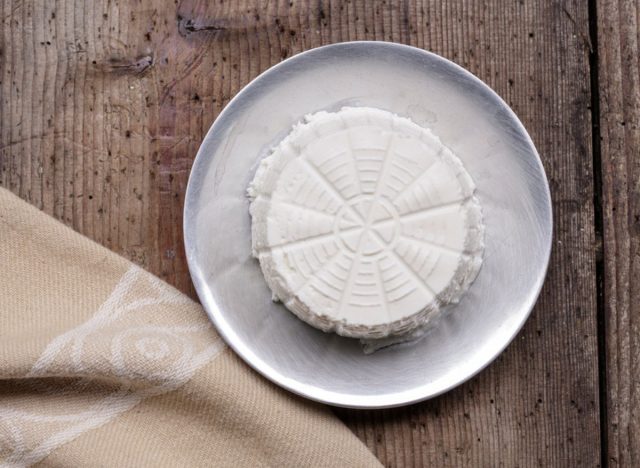
Part-skim ricotta cheese is a fresh, soft cheese that provides a valuable combination of protein and calcium, making it a versatile and beneficial component of a weight-loss diet. Its creamy texture and mild flavor allow it to transition seamlessly between both sweet and savory applications, which Collingwood notes "makes it easier to stick with a calorie-controlled plan. Try it with berries or herbs and vegetables." This adaptability is crucial for dietary adherence, as it allows for variety and prevents monotony that can lead to cravings and dietary slip-ups.
A serving of part-skim ricotta offers a significant protein boost, contributing to satiety and muscle maintenance. In sweet preparations, it can be paired with fresh berries, a sprinkle of cinnamon, or a small amount of natural sweetener for a satisfying dessert or breakfast. In savory dishes, it can be incorporated into pasta fillings (like lasagna or stuffed shells), dolloped onto roasted vegetables, or used as a creamy base for dips. The rich yet light texture of ricotta provides a sense of indulgence, helping individuals feel satisfied even while consuming a calorie-controlled meal. Its versatility and nutrient density make it an excellent choice for adding both flavor and functional nutrition to a healthy eating plan.
7. Goat Cheese
Goat cheese, with its distinctively rich and tangy flavor profile, is the final recommendation for supporting belly fat loss. Its pronounced taste is a key factor in portion control, as Collingwood explains: "Goat cheese is rich and tangy, which helps with portion control, and some people find it easier to digest than cow’s milk cheeses. A little adds creaminess to salads and bowls." The strong flavor allows a small amount to make a significant impact on a dish, providing satisfaction without a large caloric contribution.
Furthermore, goat milk and its products, including goat cheese, contain a different composition of proteins and fats compared to cow’s milk products. Specifically, goat milk typically has smaller fat globules and a lower lactose content, which some individuals find easier to digest, reducing the likelihood of digestive discomfort or bloating. This can be a significant advantage for those who experience sensitivity to cow’s milk. Goat cheese crumbles beautifully over salads, adds a creamy tang to roasted beets or fig appetizers, and can elevate grain bowls or sandwiches. Its unique flavor and potential digestive benefits, combined with its ability to promote portion control, make goat cheese a sophisticated and practical addition to a weight management strategy.
Broader Implications and Holistic Approach to Weight Loss
While the strategic inclusion of these protein-rich cheeses can undoubtedly support feelings of fullness and contribute to muscle maintenance, it is crucial to view this advice within the context of a holistic approach to weight loss. No single food or food group is a standalone solution. Effective and sustainable fat loss, particularly around the abdomen, requires a comprehensive strategy that includes:
- Overall Calorie Deficit: Consuming fewer calories than the body expends is fundamental for weight loss. Even protein-rich cheeses must be consumed in moderation as part of a calorie-controlled plan.
- Balanced Diet: Emphasizing whole, unprocessed foods, including a variety of fruits, vegetables, lean proteins, and whole grains, remains paramount. These foods provide essential vitamins, minerals, and fiber, which are critical for overall health and satiety.
- Regular Physical Activity: A combination of cardiovascular exercise and strength training is vital for burning calories, improving metabolism, and building or preserving muscle mass.
- Hydration: Adequate water intake supports metabolic processes, helps differentiate between hunger and thirst, and can contribute to feelings of fullness.
- Sleep and Stress Management: Chronic stress and insufficient sleep can disrupt hormones that regulate appetite and fat storage, making weight loss more challenging. Prioritizing these aspects is essential.
- Individualized Approach: Nutritional needs and dietary sensitivities vary significantly among individuals. Consulting with a registered dietitian or healthcare professional can provide personalized guidance tailored to specific health goals and conditions.
In conclusion, the expert advice from Tara Collingwood offers a refreshing perspective on incorporating cheese into a weight-loss diet. By choosing protein-rich, flavorful, and easily portionable cheeses such as cottage cheese, Greek-style feta, part-skim mozzarella, Parmesan, Swiss, part-skim ricotta, and goat cheese, individuals can enhance satiety, support muscle maintenance, and add enjoyment to their meals without compromising their fat loss objectives. This approach underscores the principle that no food is inherently "bad," but rather, mindful selection, portion control, and integration into a balanced lifestyle are the cornerstones of successful and sustainable weight management.
