

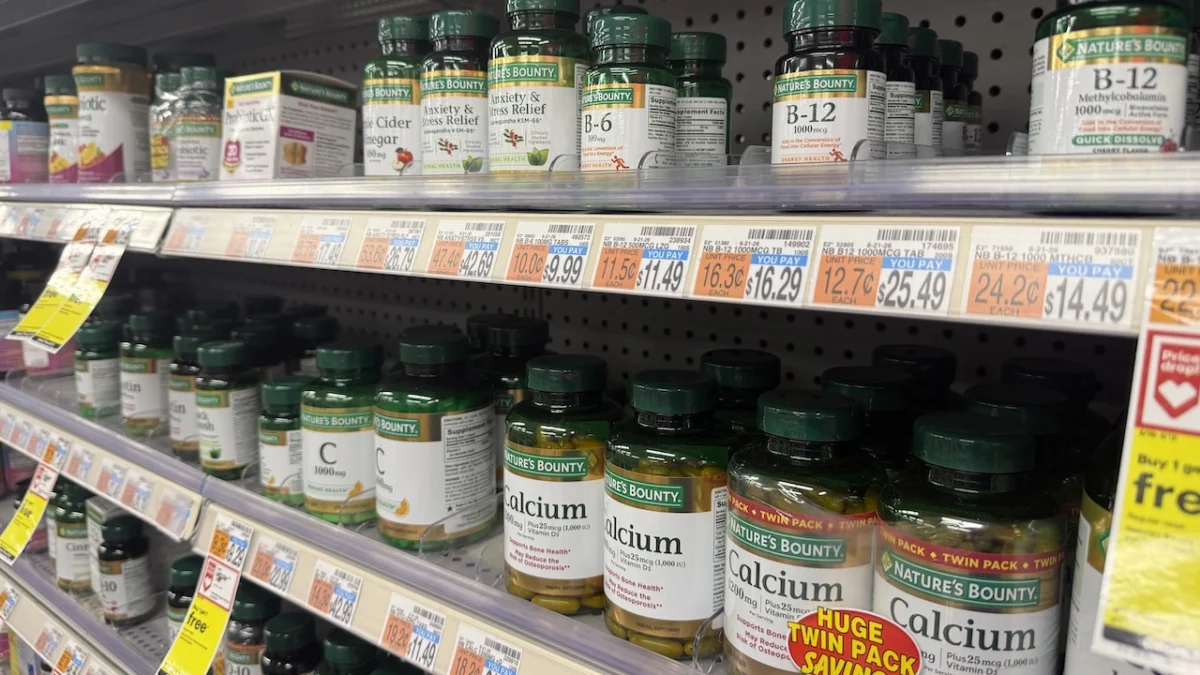
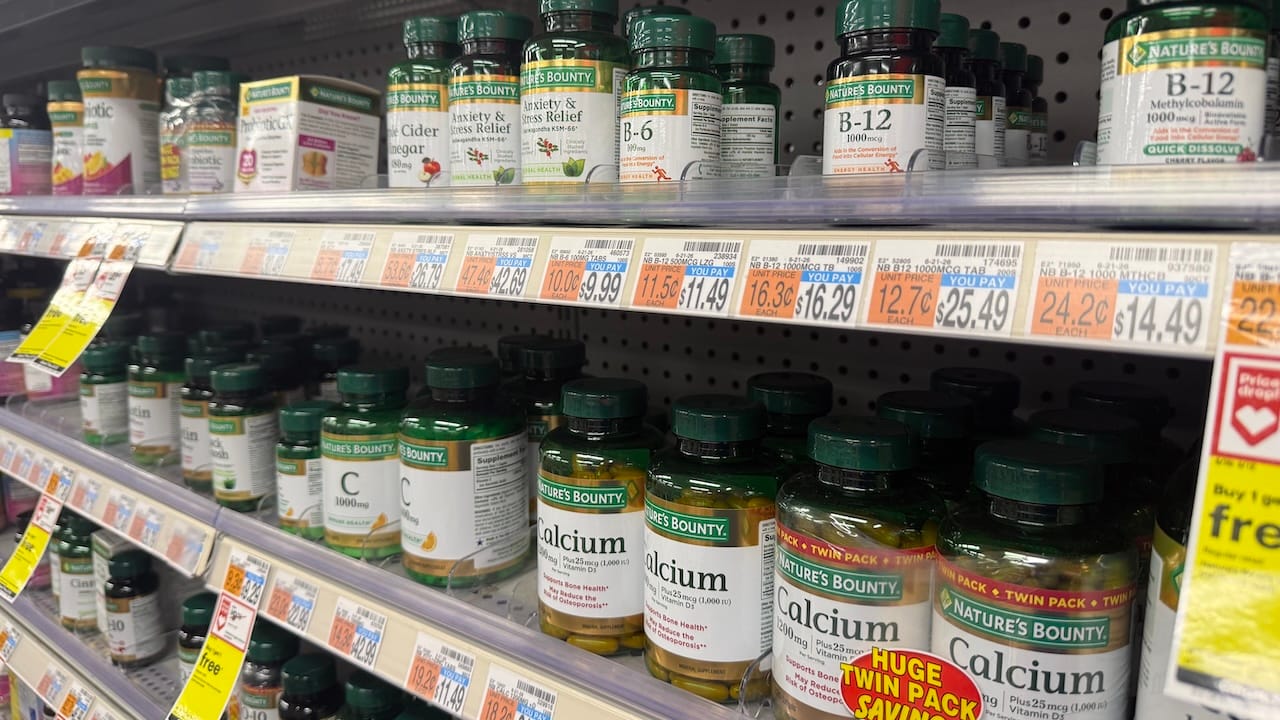
Nestle announced on September 1st a significant divestiture of its Holistic Health platform, encompassing a suite of leading vitamins, minerals, and supplements (VMS) brands, to private equity firm Yellow Wood Partners for a substantial sum of $1 billion. This strategic move marks a pivotal moment for both companies, signaling a clear reprioritization of Nestle’s business objectives and an ambitious expansion for Yellow Wood into the burgeoning wellness sector. The transaction includes prominent brands such as Nature’s Bounty, Osteo Bi-Flex, Ester-C, Gard, Nuun, Puritan’s Pride, and Sisu, collectively forming what Nestle has termed its "Holistic Health platform." This divestment represents a strategic recalibration, allowing Nestle to concentrate on its core competencies and high-growth areas within the health and nutrition landscape.
The Genesis of the Deal: A Shifting Landscape in the VMS Market
The sale of these established VMS brands to Yellow Wood Partners is not an isolated event but rather the culmination of evolving market dynamics and Nestle’s strategic re-evaluation. Five years prior, in a move that signaled Nestle’s strong commitment to the VMS sector, the global food and beverage giant acquired core brands from The Bountiful Company for a remarkable $5.75 billion. This landmark acquisition, completed in 2019, significantly bolstered Nestle’s presence in the market, integrating powerhouse brands like Nature’s Bounty, Solgar, Osteo Bi-Flex, and Puritan’s Pride into its Health Science division. At the time, the acquisition was hailed as a strategic play to capitalize on the growing consumer demand for preventative health solutions and dietary supplements. The VMS market, projected to reach over $270 billion globally by 2030 according to market research firms, presented a compelling opportunity for growth and diversification for a company like Nestle.
However, the VMS market, while expansive, is also highly competitive and has seen increased fragmentation and a rise in specialized, science-led brands. Nestle’s recent strategic announcement suggests a recognition that different segments within the VMS market require distinct operational approaches and investment strategies. The decision to divest the Holistic Health platform indicates a desire to streamline its portfolio and focus resources on areas where it possesses a more pronounced competitive advantage and can achieve greater synergy.
Nestle Reprioritizes Focus on Competitive Supplement Brands
While offloading a significant portion of its VMS portfolio, Nestle is not exiting the vitamin, mineral, and supplement market entirely. The company will retain ownership of Solgar, a brand known for its premium, science-backed formulations, and other acquired brands such as Garden of Life, which is positioned within the organic and plant-based supplement segment. This selective retention underscores Nestle’s strategy to concentrate on VMS brands that align with its vision for a "premium, science-led" approach to health and wellness.
Philipp Navratil, CEO of Nestle Health Science, articulated the rationale behind the divestiture in a press release. "This is another important step in the strategic transformation of our portfolio," Navratil stated. "With Nestle’s strong innovation and brand-building capabilities, we are well-positioned for growth in the premium, science-led VMS space, where brands such as Solgar and Pure Encapsulations continue to perform strongly." He further elaborated, "At the same time, the category has evolved, and the mainstream VMS business requires a different approach under dedicated ownership." This statement highlights a nuanced understanding of the VMS market’s segmentation and the distinct needs of different brand categories. The "mainstream VMS business," as described by Navratil, likely refers to brands with broader consumer appeal and distribution, which may benefit from the specialized focus and agility of a private equity firm.
The implications of this strategic pivot for Nestle are multifaceted. By divesting the Holistic Health platform, the company can reduce its exposure to a highly competitive segment where market share gains might require substantial ongoing investment. This allows for the reallocation of capital and management attention towards areas of higher strategic priority, such as personalized nutrition, medical nutrition, and its existing strong VMS brands like Solgar and Pure Encapsulations, which cater to a more discerning, health-conscious consumer base. The $1 billion in proceeds from the sale will also provide Nestle with increased financial flexibility to pursue other strategic initiatives, including potential acquisitions in its core growth areas or share buybacks.
Yellow Wood Adds Supplements to Extensive Portfolio of Consumer Brands
For Yellow Wood Partners, the acquisition of Nestle’s Holistic Health platform represents a significant strategic move and a substantial investment in the rapidly expanding wellness industry. Yellow Wood Partners is a private equity firm with a proven track record of acquiring and growing consumer brands. Their existing portfolio boasts a diverse range of established personal care and consumer health brands, including Suave, St. Ives, Q-Tip, ChapStick, Noxzema, Ponds, and Dr. Scholl’s. The firm has a history of successfully integrating brands from large consumer packaged goods (CPG) companies, having previously acquired assets from major players like Haleon and Unilever.
The acquisition of the Holistic Health platform is a clear testament to Yellow Wood’s strategic vision to deepen its penetration into the health and wellness market. The VMS sector has witnessed robust growth, driven by an aging global population, increased consumer awareness of health and preventative care, and a growing demand for personalized health solutions. Market analysis indicates a compound annual growth rate (CAGR) for the global dietary supplements market in the range of 7-9% over the next several years, presenting a fertile ground for investment and expansion.
Dana Schmaltz, a partner at Yellow Wood, expressed enthusiasm for the acquisition, stating, "Holistic Health is an excellent platform of trusted brands with deep retailer relationships providing significant opportunities for continued growth." He further elaborated on the strategic alignment, "The Holistic Health portfolio provides a group of specialty category leaders in various high-growth sectors of the attractive VMS market, including hydration, gut health, and immunity." This highlights Yellow Wood’s recognition of the specific market segments within VMS that are experiencing accelerated consumer demand. Brands like Nuun, which focuses on hydration, and the broader portfolio’s offerings in gut health and immunity, are particularly appealing in the current consumer landscape.
Schmaltz also outlined the operational strategy for the newly acquired platform: "Operating Holistic Health as a standalone entity will provide the opportunity to leverage the power of each brand to accelerate growth, enhance innovation, and strengthen their market positions with consumers and retail partners." This approach suggests a commitment to fostering brand autonomy and tailored growth strategies, a common tactic employed by private equity firms to unlock the full potential of acquired businesses.
Tad Yanagi, another partner at Yellow Wood, echoed Schmaltz’s optimism and elaborated on the firm’s operational philosophy. "This exciting portfolio is deeply aligned with our focus, expertise, and functional operations approach, and we are thrilled to add each of these brands to the Yellow Wood umbrella," Yanagi remarked. "As VMS adoption continues to increase among a wide range of consumers and demand for benefit-specific solutions expands, we see significant runway to drive organic growth across the platform." Yanagi’s statement emphasizes Yellow Wood’s confidence in the inherent growth potential of the VMS market and its ability to leverage its operational expertise to drive that growth. Their strategy likely involves optimizing supply chains, enhancing marketing and branding efforts, and potentially pursuing line extensions and new product development within the existing brand families.
The implications for the VMS market are significant. The acquisition by Yellow Wood Partners suggests a renewed focus on brand building and operational efficiency within these mainstream VMS categories. The firm’s expertise in managing consumer brands and their history of successful turnarounds and growth initiatives could lead to enhanced innovation, improved market penetration, and stronger consumer engagement for brands like Nature’s Bounty and Puritan’s Pride. This could also lead to increased competition for other players in the VMS space, as Yellow Wood aims to capitalize on the growth opportunities identified.
Chronology of Nestle’s VMS Market Activity
The recent divestiture is the latest chapter in Nestle’s evolving engagement with the VMS market. Understanding the timeline provides crucial context for this strategic shift:
- Prior to 2019: Nestle’s involvement in the VMS market was relatively limited, with a focus primarily on its Health Science division and specific nutritional products.
- 2019: Nestle makes a substantial strategic investment by acquiring core VMS brands from The Bountiful Company for $5.75 billion. This acquisition included Nature’s Bounty, Solgar, Osteo Bi-Flex, and Puritan’s Pride, significantly expanding Nestle’s footprint in the VMS sector. This move was driven by the perceived growth potential and consumer demand for health and wellness products.
- 2019-2024: Nestle integrates these acquired brands into its Health Science portfolio. During this period, the company navigates the competitive VMS landscape, investing in brand development and market presence. Market dynamics, including increased competition, evolving consumer preferences for specialized and science-backed products, and the need for agile operations in a rapidly changing sector, likely influence Nestle’s strategic thinking.
- September 1, 2024: Nestle announces the divestiture of its Holistic Health platform, including Nature’s Bounty, Osteo Bi-Flex, Ester-C, Gard, Nuun, Puritan’s Pride, and Sisu, to Yellow Wood Partners for $1 billion. This decision reflects a strategic reprioritization, allowing Nestle to focus on its premium, science-led VMS brands like Solgar and Pure Encapsulations, and other growth areas within Health Science.
This timeline illustrates a strategic evolution from aggressive acquisition to a more focused portfolio management approach within the VMS sector.
Analysis of Implications and Future Outlook
The $1 billion deal between Nestle and Yellow Wood Partners is poised to have several key implications:
- For Nestle: The divestiture allows Nestle to sharpen its strategic focus, optimize its capital allocation, and concentrate on high-margin, science-driven segments of the health and wellness market. This move aligns with a broader trend among large CPG companies to streamline portfolios and divest non-core assets. The retained brands, Solgar and Garden of Life, represent Nestle’s continued commitment to the premium and specialized VMS segments.
- For Yellow Wood Partners: This acquisition significantly expands Yellow Wood’s presence in the high-growth VMS market. Their strategy of operating the acquired brands as a standalone entity suggests a dedicated focus on unlocking the individual potential of each brand through targeted investment, innovation, and operational enhancements. The firm’s expertise in consumer brand management is expected to drive growth and market share gains for the acquired portfolio.
- For the VMS Market: The transaction could lead to increased competition and innovation within the mainstream VMS segment. Yellow Wood’s focused approach may revitalize these brands and potentially spur further consolidation or strategic realignments among competitors. The continued growth of the VMS market, driven by consumer demand for health and wellness solutions, remains a strong tailwind for all players.
- For Consumers: Consumers may benefit from increased product innovation, improved accessibility, and potentially more targeted marketing efforts from the revitalized brands under Yellow Wood’s ownership. The continued availability of trusted brands like Nature’s Bounty and Puritan’s Pride, backed by a dedicated ownership structure, is likely to be a positive development.
The deal is expected to close during the first half of 2027, pending regulatory approvals. This timeframe allows for thorough due diligence and the necessary procedural steps to ensure a smooth transition of ownership. As the VMS market continues its upward trajectory, the strategic maneuvers by major players like Nestle and ambitious investors like Yellow Wood Partners will undoubtedly shape its future landscape. The success of this transaction will be closely watched as a benchmark for private equity’s role in optimizing and growing established consumer health brands.
