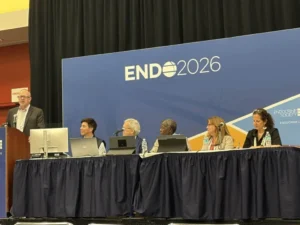










The landscape of American biomedical research and patient care is facing a period of significant regulatory and legislative transition as the Endocrine Society, a leading global organization representing over 18,000 scientists and clinicians, intensifies its advocacy efforts in Washington, D.C. At the heart of these efforts are three distinct yet interconnected challenges: a proposed overhaul of federal grant regulations by the Office of Management and Budget (OMB), the ongoing legislative battle to cap insulin costs through the INSULIN Act, and the implementation of a new Medicare program designed to expand access to weight-loss medications. These developments represent a critical juncture for the endocrine community, impacting everything from the foundational integrity of scientific inquiry to the daily financial realities of patients living with chronic conditions like diabetes and obesity.
Federal Research Integrity Under Scrutiny: The Proposed OMB Rule
On May 29, the Office of Management and Budget (OMB) introduced a series of proposed changes to the "Uniform Guidance," the set of rules that govern the administration of all federal grant funding. While the OMB often updates these guidelines to streamline administrative processes, the current proposal has triggered alarm bells across the scientific community. The Endocrine Society has emerged as a primary critic, arguing that the proposed rule would fundamentally undermine the merit-based system that has defined American scientific excellence for decades.
Under the current system, federal agencies like the National Institutes of Health (NIH) and the National Science Foundation (NSF) award grants based on a rigorous peer-review process. This system ensures that funding is directed toward the most promising and scientifically sound research, regardless of the political climate. However, the proposed OMB rule would grant political appointees the authority to block grant awards that do not align with the specific priorities of the sitting administration. This shift from scientific merit to political alignment represents a significant departure from historical norms.
Furthermore, the rule proposes to allow federal agencies to terminate active grants at any time without a formal appeals process. For researchers engaged in multi-year longitudinal studies—common in endocrinology when studying long-term hormonal effects or chronic disease progression—this lack of security creates a precarious environment. The proposal also includes new restrictions on publication costs and international collaborations, which the Endocrine Society warns could stifle the global exchange of scientific knowledge.
In response to these threats, the Society has formally called for the withdrawal of the rule and is actively mobilizing its membership to lobby Congress for intervention. The organization argues that the independence of federal research is essential for public trust and the continued advancement of medical breakthroughs.
A Chronology of Scientific Funding and Merit-Based Review
To understand the stakes of the OMB proposal, one must look at the evolution of the U.S. research infrastructure. Following World War II, the United States established a decentralized system of federal funding that prioritized investigator-initiated research. This model was built on the principle that scientists, rather than politicians, are best equipped to judge the value of scientific inquiries.
The "Uniform Guidance" (2 CFR 200) was originally established to provide a consistent framework for managing federal awards. Over the years, it has been revised to reduce administrative burdens; however, the May 29 proposal is viewed by many as the most aggressive attempt to centralize control over research outcomes. Critics within the scientific community point out that if research topics are dictated by political cycles, long-term investments in "high-risk, high-reward" science—such as early-stage hormone therapy or rare endocrine disorder research—may be sidelined in favor of projects with immediate political utility.
The INSULIN Act: Navigating the Bipartisan Labyrinth
While the Endocrine Society fights to protect the future of research, it is simultaneously engaged in a high-stakes legislative battle to address a current public health crisis: the cost of insulin. The INSULIN Act, a bipartisan piece of legislation introduced by Senators Jeanne Shaheen (D-NH) and Susan Collins (R-ME), seeks to cap out-of-pocket costs for insulin at $35 a month for individuals with private insurance. Additionally, the bill aims to establish a pilot program in 10 states to assist the uninsured.
The struggle to pass this legislation reflects the complexities of the modern U.S. healthcare system. Despite the fact that the Inflation Reduction Act of 2022 capped insulin costs at $35 for Medicare beneficiaries, millions of Americans with private insurance or no insurance at all remain exposed to high list prices. According to data from the Centers for Disease Control and Prevention (CDC), approximately 38.4 million people in the United States have diabetes, and a significant portion of them rely on insulin to survive.
The legislative journey of the INSULIN Act reached a critical point recently during a markup session in the Senate Health, Education, Labor, and Pensions (HELP) Committee. In an effort to force the issue, Senator Bernie Sanders (I-VT) introduced an amendment to attach the INSULIN Act to a separate healthcare bill. While the amendment received bipartisan support within the committee, the momentum was stalled when Chairman Bill Cassidy (R-LA) canceled the final vote. Senator Cassidy, a physician by training, cited the need for more comprehensive data regarding the long-term cost of the legislation to the federal budget. Despite the delay, the Endocrine Society remains optimistic, noting that the bill now has 28 bipartisan cosponsors and that Chairman Cassidy has indicated a willingness to revisit the matter in July.
Statistical Overview: The Human and Economic Cost of Insulin
The urgency behind the INSULIN Act is underscored by staggering economic data. A study published in Health Affairs indicated that nearly 14% of Americans who use insulin reach "catastrophic" spending levels, meaning they spend at least 40% of their post-subsistence income on the medication. Furthermore, the American Diabetes Association (ADA) reports that the total estimated cost of diagnosed diabetes in the U.S. rose from $245 billion in 2012 to $412.9 billion in 2022.
The Endocrine Society argues that capping the cost of insulin is not only a moral imperative but also a sound economic strategy. By ensuring that patients can afford their medication, the healthcare system can avoid the far more expensive costs associated with complications such as kidney failure, blindness, and amputations resulting from unmanaged diabetes.
Expanding Access to GLP-1 Medications: The Medicare Bridge Program
In a significant victory for obesity medicine, the Centers for Medicare and Medicaid Services (CMS) launched the Medicare Bridge Program on July 1. This initiative is designed to provide eligible Medicare Part D beneficiaries with access to specific GLP-1 (glucagon-like peptide-1) medications for weight loss at a significantly reduced co-pay of $50.
GLP-1 receptor agonists, such as semaglutide and tirzepatide, have revolutionized the treatment of obesity and type 2 diabetes. However, their high cost and restrictive coverage policies have historically limited access for many patients. Under the new Bridge Program, beneficiaries must meet specific clinical criteria, and healthcare providers must submit a prior authorization request to verify that the patient qualifies.
The Endocrine Society has been a vocal advocate for expanding coverage of these medications. For years, obesity was often viewed through a behavioral lens rather than a biological one, leading to statutory bans on Medicare coverage for weight-loss drugs under the Medicare Prescription Drug, Improvement, and Modernization Act of 2003. The Bridge Program represents a pivotal shift in policy, acknowledging obesity as a chronic disease that requires medical intervention.
Analysis of Implications: A New Era for Obesity Treatment
The implementation of the Medicare Bridge Program carries profound implications for public health. Obesity is a primary driver of numerous endocrine-related conditions, including polycystic ovary syndrome (PCOS), cardiovascular disease, and metabolic syndrome. By lowering the financial barrier to GLP-1 medications, the CMS is effectively testing a new model of preventative care.
However, the program also raises questions about long-term sustainability. The demand for GLP-1 medications has surged globally, leading to supply chain shortages and debates over drug pricing. As the Endocrine Society prepares to provide educational resources on the Bridge Program at its upcoming Clinical Endocrinology Update (CEU) meeting, the focus will likely remain on how to ensure these therapies reach the patients who need them most while managing the economic impact on the Medicare trust fund.
Official Responses and the Path Forward
The Endocrine Society’s multi-pronged advocacy strategy highlights the evolving role of professional medical associations in the legislative process. By bridging the gap between bench science and bedside care, the Society aims to influence policy at every stage of the medical pipeline.
In a statement regarding the OMB rule, Society leadership emphasized that "science must remain a non-partisan endeavor." This sentiment is echoed by other scientific organizations, such as the American Association for the Advancement of Science (AAAS), which has historically advocated for the independence of the peer-review process. Regarding the INSULIN Act and the GLP-1 Bridge Program, the Society’s focus is on equity and affordability.
The coming months will be decisive. The OMB’s final decision on the grant funding rule, the Senate HELP Committee’s July markup of the INSULIN Act, and the initial data from the Medicare Bridge Program will shape the future of endocrinology in the United States. For the Endocrine Society and its members, the mission remains clear: to protect the integrity of research while ensuring that the fruits of that research—life-saving medications and therapies—are accessible to all who need them.
As the political landscape continues to shift, the Endocrine Society’s call to action for its members serves as a reminder that the voices of medical professionals are a vital component of the democratic process. Through formal comments, congressional testimony, and online advocacy campaigns, the scientific community is asserting its role as a guardian of both public health and scientific truth.