





Dr. Rok Herman, a medical doctor and internal medicine resident at the University Medical Centre Ljubljana in Slovenia, has been officially recognized for his pioneering contributions to metabolic research during the ENDO 2026 annual meeting in Chicago, Illinois. The Endocrine Society presented Dr. Herman with the 2026 C. Wayne Bardin, MD, International Travel Award, a distinction reserved for international endocrine fellows or junior faculty members who submit an outstanding abstract for the global gathering. The award highlights Dr. Herman’s work on the TABFAT (Tirzepatide Brown and Beige Adipose Tissue Activation) trial, which investigates the physiological mechanisms of tirzepatide beyond its established role in weight loss and glycemic control. The findings suggest that the dual GIP and GLP-1 receptor agonist actively stimulates brown adipose tissue (BAT), a discovery that could redefine the therapeutic landscape for obesity and metabolic syndrome.
A Watershed Moment in Obesity Research: The TABFAT Trial
The primary focus of Dr. Herman’s presentation at ENDO 2026 was the results of the TABFAT trial, a randomized, placebo-controlled clinical study involving premenopausal women with obesity. While tirzepatide is widely recognized for its efficacy in suppressing appetite and reducing caloric intake, the TABFAT trial aimed to determine if the medication also influenced energy expenditure at the cellular level. By focusing on brown adipose tissue—a specialized type of fat responsible for thermogenesis and calorie burning—Herman and his team sought to uncover a "metabolic boost" component to the drug’s profile.
Using a rigorous multi-modal imaging approach, the research team employed cold-stimulated PET/CT imaging, MRI scans, and infrared thermography to quantify BAT activity and volume. The study followed participants over a 24-week treatment period. The results were statistically significant: the proportion of participants with PET/CT-detectable brown adipose tissue rose from 41.2% to 64.7% in the tirzepatide group. In contrast, the placebo group showed no comparable increase. Beyond volume, the intensity of cold-stimulated BAT activity also saw a marked rise, suggesting that tirzepatide may help "prime" the body to burn more energy when exposed to environmental triggers like cold.

The study also provided preliminary evidence of "browning," a process where white subcutaneous fat—primarily used for energy storage—begins to take on the characteristics of "beige" fat, which is more metabolically active. This dual action of increasing BAT volume and potentially inducing beige fat conversion suggests that tirzepatide modulates energy expenditure at the tissue level, offering a plausible explanation for why some patients experience more profound metabolic improvements than others on similar caloric deficits.
Scientific Context: Understanding the Role of Brown Fat
To appreciate the impact of Dr. Herman’s research, it is necessary to understand the biological distinction between types of adipose tissue. Most fat in the human body is white adipose tissue (WAT), which stores excess energy in the form of lipids. In contrast, brown adipose tissue (BAT) contains a high density of mitochondria and expresses uncoupling protein 1 (UCP1). This protein allows the mitochondria to bypass the traditional ATP-production cycle and instead release energy directly as heat—a process known as non-shivering thermogenesis.
While BAT is abundant in infants to prevent hypothermia, it was long thought to be negligible in adults. However, research over the last two decades has confirmed that adults retain functional BAT deposits, particularly in the supraclavicular and neck regions. Activating these deposits has become a "holy grail" in obesity research, as even small amounts of active BAT can significantly increase a person’s basal metabolic rate. Dr. Herman’s findings suggest that the new generation of anti-obesity medications may be the first pharmacological tools capable of safely and effectively targeting this tissue in a clinical setting.
The Journey of a Physician-Scientist
Dr. Herman’s path to the 2026 C. Wayne Bardin, MD, International Travel Award began during his years as a medical student at the University of Ljubljana. Early exposure to clinical research through departmental mentors allowed him to see the direct correlation between laboratory findings and patient outcomes. Herman has emphasized that his goal was never just to practice medicine, but to master the physiological complexities of endocrinology to provide better care.
His career is characterized by a "physician-scientist" model, balancing the demands of a residency at the Department of Endocrinology, Diabetes and Metabolic Diseases with the rigorous requirements of international-standard research. Under the mentorship of Professor Andrej Janež and Professor Mojca Jensterle, Herman developed the TABFAT trial as a way to address unanswered questions about the mechanisms of modern incretin-based therapies.
Receiving the Bardin Award is not only a personal achievement for Dr. Herman but also a significant milestone for the Slovenian medical community. The University Medical Centre Ljubljana has been expanding its research infrastructure, and Herman’s success demonstrates that high-quality, mechanistic clinical trials can be conducted outside of traditional major research hubs in North America and Western Europe.
Chronology of the Award and Research Presentation
The recognition of Dr. Herman’s work followed a structured timeline of clinical investigation and peer review:
- Trial Conception (2023-2024): Dr. Herman and his team designed the TABFAT trial to address the "energy expenditure" question in tirzepatide therapy.
- Clinical Phase (2024-2025): A 24-week randomized, placebo-controlled trial was conducted with premenopausal women, utilizing advanced imaging at the University Medical Centre Ljubljana.
- Data Analysis (Late 2025): The team analyzed PET/CT and MRI data, confirming a significant increase in BAT volume and activity.
- Award Selection (Early 2026): The Endocrine Society reviewed international abstracts for the ENDO 2026 conference, selecting Dr. Herman for the C. Wayne Bardin, MD, International Travel Award.
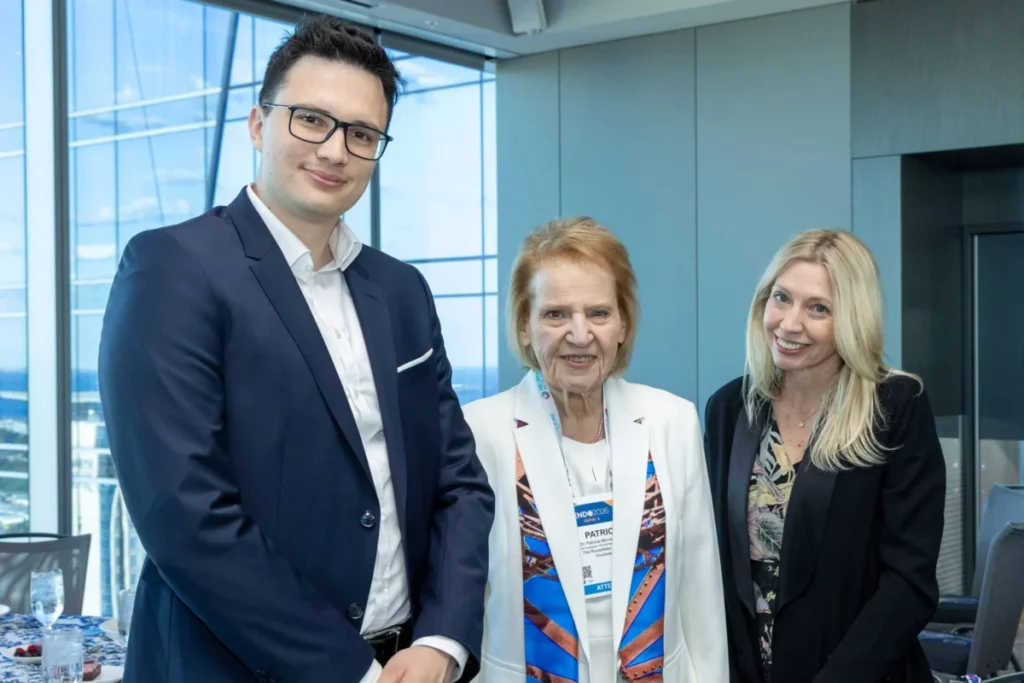
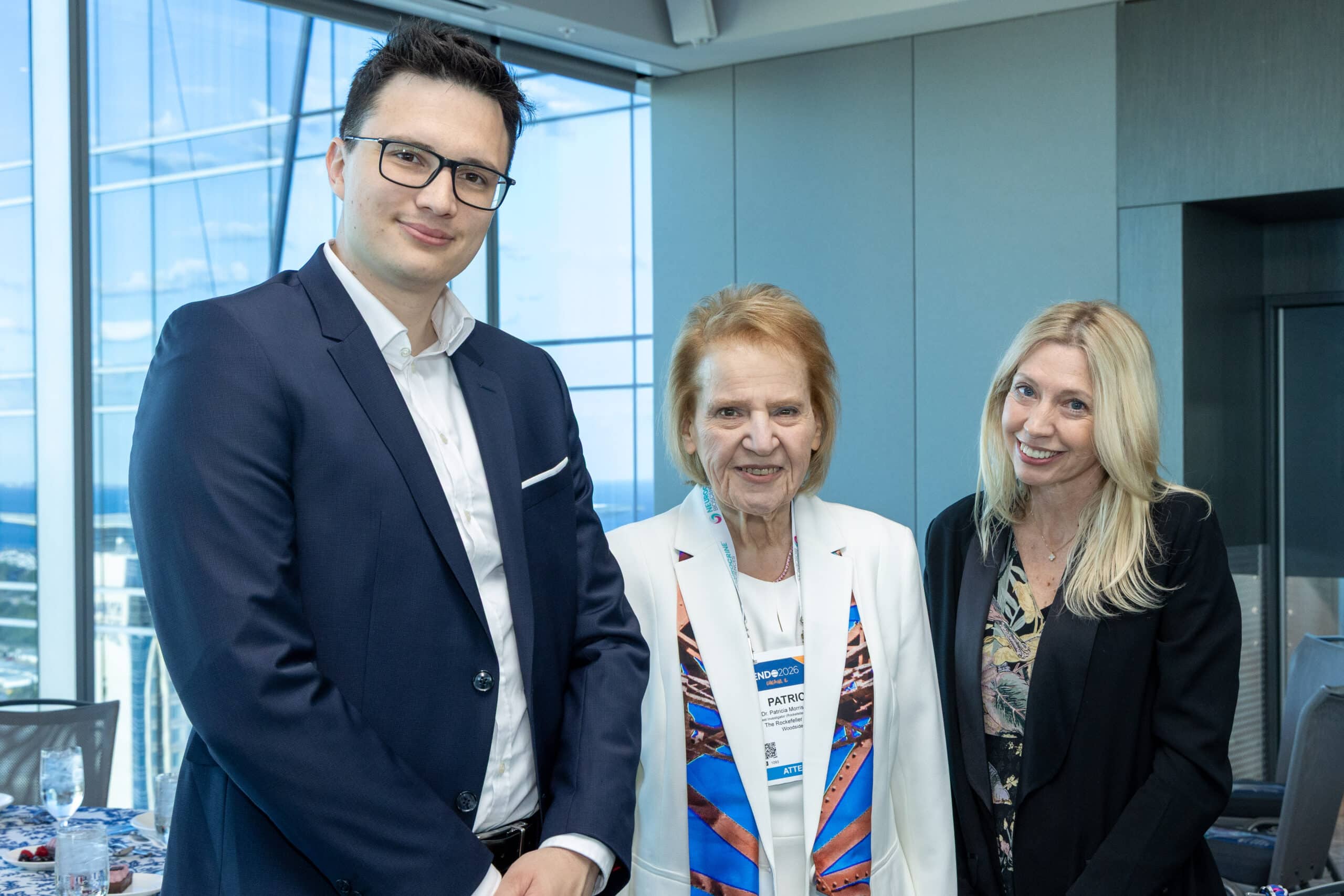
- Presentation at ENDO 2026 (June 2026): Dr. Herman presented the TABFAT findings in Chicago, participating in the Excellence in Endocrinology Dinner and connecting with global leaders in the field, including Endocrine Society President Carol Lange, PhD.
Official Responses and Professional Reflections
Reflecting on the honor, Dr. Herman expressed deep gratitude to his mentors and his family, noting that the award validates the "long nights, setbacks, and doubts" inherent in clinical research. He drew a parallel between his own career aspirations and the legacy of Dr. C. Wayne Bardin, an icon in endocrinology known for balancing clinical excellence, groundbreaking research, and family life.
"The award feels especially meaningful because Prof. Bardin’s career reflects the path of someone trying to excel as a physician, push research forward, and be present for one’s family all at once," Herman stated. "Seeing such an example in one of the giants of endocrinology feels like a quiet form of mentorship across time."
The Endocrine Society’s leadership highlighted the importance of Herman’s work in bridging the gap between clinical observation and mechanistic understanding. By identifying BAT activation as a component of tirzepatide’s success, the research provides a clearer roadmap for future drug development, potentially leading to therapies that specifically target thermogenic pathways in patients who are "low-responders" to traditional appetite suppressants.

Broader Impact and Future Directions
The implications of the TABFAT trial extend beyond a single drug. The research opens the door to a more tailored approach to obesity care. If BAT activity can be reliably measured and pharmacologically stimulated, clinicians might one day be able to prescribe "metabolic activators" based on a patient’s specific adipose tissue profile.
Dr. Herman is currently finalizing the data analysis for the TABFAT trial, with a full publication expected later this year. The next phase of his research involves moving beyond imaging to analyze adipose tissue biopsies. These deeper molecular analyses will look for specific genetic markers of "browning" and UCP1 expression, providing definitive proof of the cellular changes occurring in response to tirzepatide.
Furthermore, the team in Ljubljana is expanding its scope to study the effects of obesity pharmacotherapy on skeletal muscle status. Maintaining muscle mass during rapid weight loss is a critical challenge in modern obesity management, and the Slovenian team hopes to present detailed results on this front by 2027. Dr. Herman’s broader research pipeline also includes studies on postural orthostatic tachycardia syndrome (POTS), bone-metabolic interactions in polyendocrine metabolic ovarian syndrome, and endocrine adaptations to fasting.
Conclusion: A New Standard for International Collaboration
The recognition of Dr. Rok Herman at ENDO 2026 serves as a testament to the evolving nature of global endocrine research. As medical centers in Central and Eastern Europe continue to produce high-impact data, the international scientific community benefits from a more diverse range of clinical perspectives and patient populations.
For Dr. Herman, the ultimate goal remains the patient. "I quickly learned that becoming a strong researcher also makes you a better physician," he remarked. As the TABFAT trial moves toward publication, the medical community awaits further confirmation of how brown fat activation might be harnessed to combat the global obesity epidemic. With young physician-scientists like Herman at the forefront, the transition from treating symptoms to understanding and modulating fundamental human physiology seems closer than ever.