

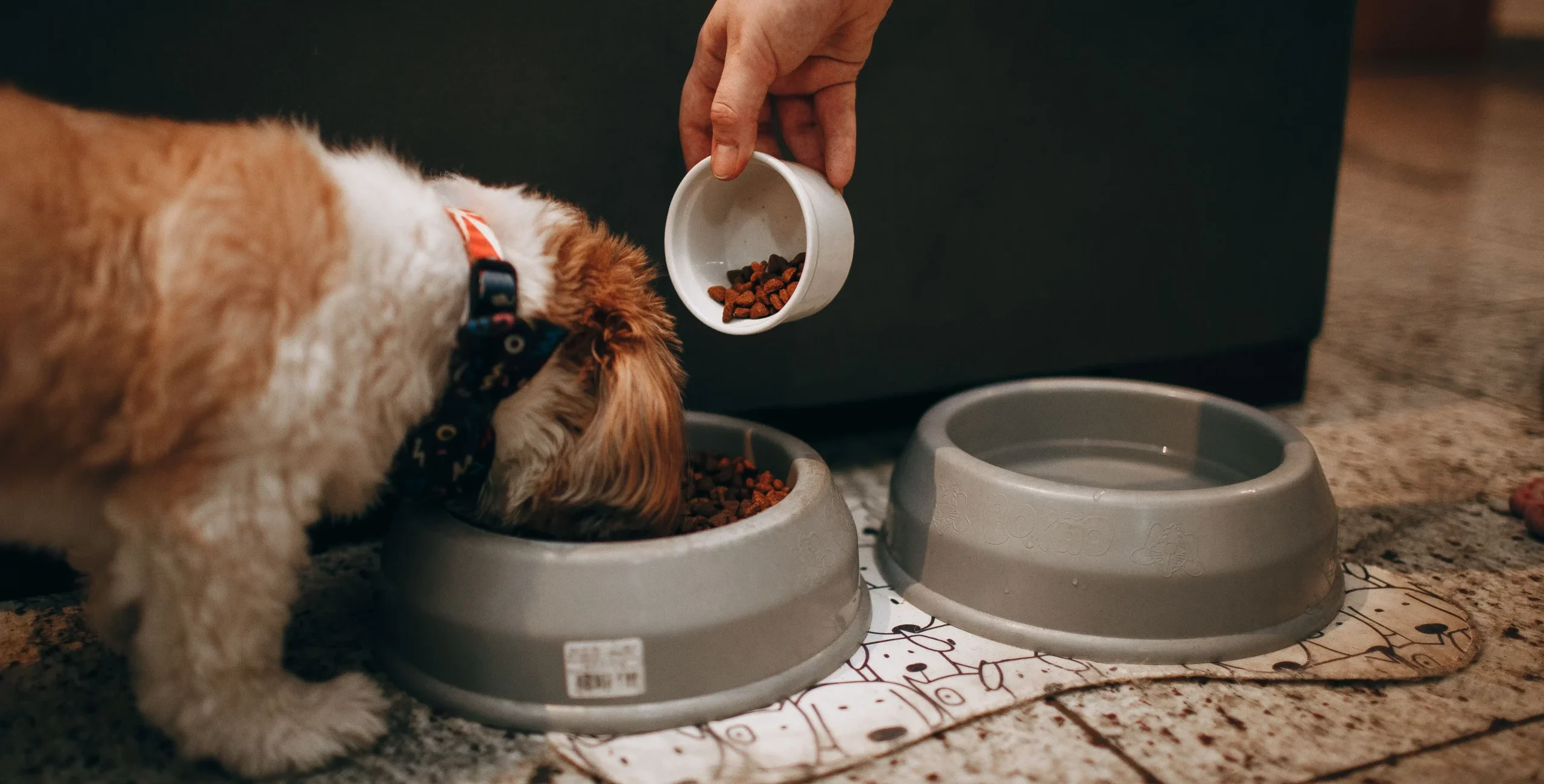
A comprehensive study published in the peer-reviewed journal Environmental Pollution has confirmed that microplastic contamination is a pervasive issue within the global pet food industry, transcending geographical boundaries and manufacturing standards. The research, titled "The Occurrence and Characterization of Microplastics in Dry Pet Food: Investigating Geographical Variations Between European and South American Markets," provides a detailed analysis of the plastic particles found in commercial pet diets across two continents. Led by a team of environmental scientists and veterinary researchers, the study underscores a growing crisis in animal nutrition that has shifted from a theoretical concern to a documented environmental health hazard. According to the findings, pets are inadvertently consuming hundreds of synthetic polymer fragments daily, raising significant questions regarding the long-term biological impact of these materials on domestic animals.
The investigation focused on dry pet food samples obtained from markets in Ecuador and Spain, representing a cross-section of the South American and European pet food industries. The results were startlingly consistent: regardless of the country of origin, every sample tested contained measurable levels of microplastics. However, the study identified a significant disparity in contamination levels based on how the food was sold. Samples obtained from bulk containers—loose food sold in open bins or large unsealed bags—contained significantly higher concentrations of microplastics compared to food stored in factory-sealed, multi-layered packaging. This suggests that atmospheric deposition and secondary contamination during handling play a major role in the plastic load found in the final product.
Quantitative Findings and Geographical Variations
The data collected from the study allows for a calculated estimate of daily exposure for average-sized companion animals. In South America, the research indicated that an average dog consumes approximately 500 pieces of microplastic per day through a standard dry food diet. In Spain, while the numbers were slightly lower, the exposure remained substantial, with dogs consuming roughly 400 pieces per day from sealed bags. These figures represent a baseline of exposure that does not account for additional plastic intake from toys, water bowls, or environmental dust, suggesting that the cumulative daily ingestion for many pets could be significantly higher.
The characterization of the particles revealed a variety of polymer types, including polyethylene (PE), polypropylene (PP), and polyethylene terephthalate (PET). These materials are commonly used in both food processing machinery and the packaging itself. The size of the particles found typically fell within the range of 50 to 500 micrometers, a size category that is small enough to be easily ingested but large enough to potentially interact with the gastrointestinal lining and the gut microbiome.
A Chronology of Microplastic Discovery in Pet Health
The recognition of microplastics as a threat to pet health has evolved rapidly over the last decade. While environmental microplastics were first identified in marine ecosystems in the early 2000s, their presence in terrestrial food chains and specific consumer products like pet food is a more recent area of academic focus.
- 2004: Marine biologist Richard Thompson coins the term "microplastics" to describe plastic fragments smaller than five millimeters.
- 2018: The first major study identifies microplastics in human stool samples, sparking a wave of research into the ingestion of plastics via the food chain.
- 2021: Researchers at New York University (NYU) Grossman School of Medicine publish a study finding that the concentration of microplastics in the feces of pet dogs and cats is significantly higher than in human feces, suggesting that pets have a higher relative exposure rate.
- 2023: Pilot studies begin investigating the presence of nanoplastics—particles smaller than one micrometer—in processed animal proteins used in pet food manufacturing.
- 2025: Several independent laboratories report that "ultra-processed" pet foods show higher plastic counts than fresh or minimally processed alternatives, likely due to the high-friction extrusion processes used in kibble production.
- 2026: The Environmental Pollution study provides definitive evidence of the global scale of the problem, linking manufacturing and retail practices to the volume of plastic ingestion.
Pathways of Contamination in the Manufacturing Process
The enrichment of pet food with microplastics is rarely the result of intentional additives; rather, it is a byproduct of the modern industrial food system. Experts point to several critical points in the supply chain where plastic can enter the product. The primary source is the raw material itself. Many pet foods utilize "rendered" products—animal tissues that have been processed at high temperatures. If these materials include plastic ear tags from livestock or are transported in plastic containers that degrade under heat, the resulting meal becomes contaminated at the source.
The second major pathway is the extrusion process. Dry kibble is manufactured using high-pressure extruders that force dough through metal dies. The internal components of these machines, including gaskets and seals, are often made of synthetic polymers that can shed microscopic fragments due to mechanical wear and tear. Furthermore, the packaging process contributes to the load. The friction of kibble rubbing against the plastic linings of bags during shipping and handling can slough off micro-fragments that adhere to the oily surface of the food.
Finally, the study’s findings regarding bulk food sales highlight the impact of environmental fallout. In retail environments where food is sold in open bins, the kibble acts as a "sink" for airborne microplastics, which are ubiquitous in indoor environments where synthetic carpets, upholstery, and clothing are present.
Biological Implications and Veterinary Concerns
Dr. Karen Shaw Becker, a prominent figure in proactive veterinary medicine, has noted that the volume of research on this topic has become nearly impossible for clinicians to ignore. The biological concern lies in the "trojan horse" effect of microplastics. These particles are not chemically inert; they can leach endocrine-disrupting chemicals (EDCs) such as bisphenol A (BPA) and phthalates directly into the animal’s digestive tract.
Furthermore, microplastics have a high surface-area-to-volume ratio, allowing them to absorb heavy metals and persistent organic pollutants (POPs) from the environment. When a dog or cat ingests these particles, they are not just consuming plastic, but a concentrated dose of environmental toxins. Preliminary studies in rodents have shown that chronic ingestion of microplastics can lead to intestinal inflammation, alterations in the gut microbiota, and potential translocation of the smallest particles into the bloodstream, where they may deposit in the liver or kidneys.
Veterinary pathologists are increasingly concerned about the inflammatory response triggered by these foreign bodies. "The gut is the first line of defense for the immune system," says an anonymous source within the American Veterinary Medical Association (AVMA). "If the intestinal lining is constantly being abraded by microscopic plastic fragments or exposed to the chemical leachates they carry, we could be looking at a primary driver for the rising rates of inflammatory bowel disease (IBD) and metabolic disorders in the modern pet population."
Industry and Regulatory Responses
The response from the pet food industry has been one of cautious acknowledgment. Organizations such as the Pet Food Institute (PFI) have stated that they are "monitoring the emerging science" and remain committed to product safety. However, current regulatory frameworks, including those managed by the U.S. Food and Drug Administration (FDA) and the European Food Safety Authority (EFSA), do not currently have established "safe" limits for microplastic concentration in animal feed.
Industry insiders suggest that the cost of testing for microplastics is a significant barrier to widespread change. High-resolution spectroscopy required to identify and count these particles is expensive and time-consuming. Without a regulatory mandate, many manufacturers are hesitant to adopt these testing protocols. Nevertheless, some "premium" and "human-grade" pet food brands have begun to market themselves as "plastic-aware," opting for glass or BPA-free packaging and sourcing ingredients from supply chains that minimize the use of synthetic materials.
Environmental advocacy groups are calling for a fundamental shift in how pet food is produced. Suggestions include the implementation of stainless-steel processing lines, the elimination of plastic-lined bulk storage, and a transition toward biodegradable or inert packaging materials.
Broader Impact and Future Implications
The findings of the 2026 study serve as a bellwether for the broader issue of plastic pollution in the terrestrial food chain. If pet food—a product that is highly regulated and processed in controlled environments—is this heavily contaminated, it suggests that the global food supply is more saturated with synthetic polymers than previously understood.
For pet owners, the implications are practical and immediate. The study’s data regarding bulk food suggests that consumers can reduce their pets’ exposure by avoiding loose-bin purchases and opting for food stored in high-quality, sealed containers. Additionally, the move toward less processed diets—such as fresh, freeze-dried, or home-prepared meals—may offer a way to bypass the contamination risks associated with high-friction industrial extrusion.
As research continues, the focus is expected to shift toward the long-term epidemiological effects of microplastic ingestion. With the average lifespan of a dog being 10 to 13 years, the cumulative intake of hundreds of thousands of plastic particles represents a significant longitudinal experiment in animal health. Scientists are now calling for more rigorous studies to determine whether a "safe" level of microplastic exposure exists, or if the pet food industry must undergo a radical detoxification to ensure the health of the world’s companion animals.
In the coming years, the pet food sector may face increased pressure to provide transparency regarding the plastic content of its products. Much like the movement for grain-free or organic options, "microplastic-free" could become the next major frontier in pet nutrition marketing and safety standards. For now, the evidence suggests that the problem is too large to ignore, and the path forward will require a combination of technological innovation, regulatory oversight, and consumer vigilance.
