







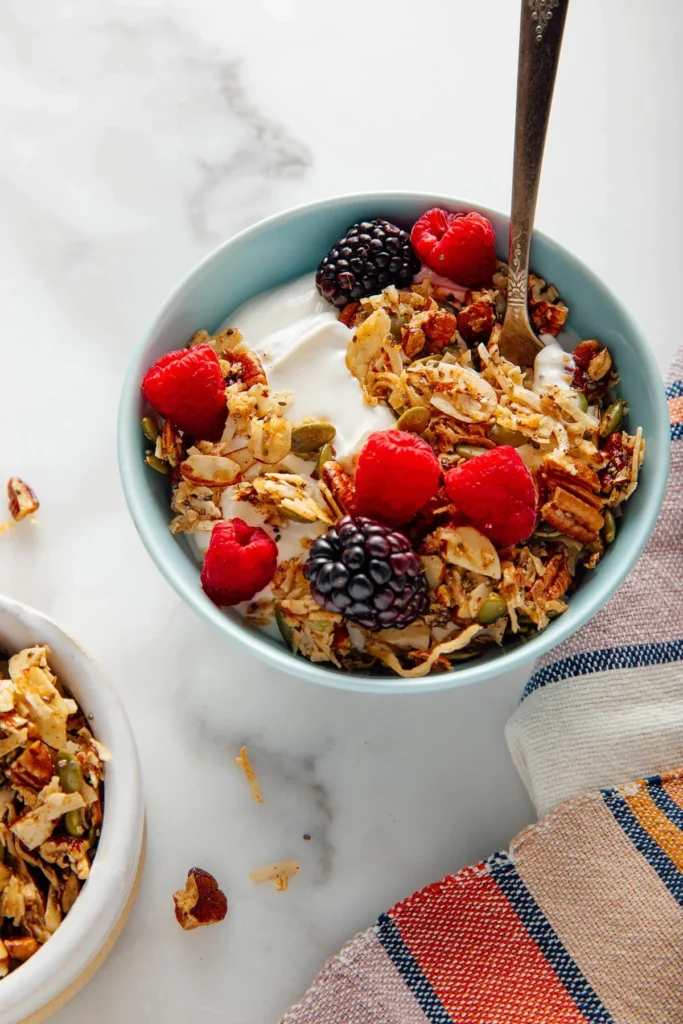
The culinary landscape continues to evolve, with a notable shift towards specialized dietary options catering to a diverse range of health needs and preferences. Among these innovations, grain-free granola has cemented its position as a compelling alternative to its traditional oat-based counterparts, offering a sweet, nutty crunch that resonates with a growing segment of the population. This development reflects broader trends in nutrition, highlighting an increased focus on blood sugar management, digestive health, and the exploration of diverse nutrient sources beyond conventional grains. What began as a niche offering, often developed out of personal necessity, is now a widely recognized and appreciated component of modern healthy eating, available from artisanal producers to mainstream grocery shelves.
The Genesis of Grain-Free Eating: A Response to Evolving Health Insights
The concept of grain-free eating, while seemingly modern, has roots in various dietary philosophies that emphasize whole, unprocessed foods and a reduction in carbohydrate intake. For many, the transition to a grain-free diet is not merely a preference but a response to specific health challenges. Conditions such as celiac disease, non-celiac gluten sensitivity, and irritable bowel syndrome (IBS) often necessitate the exclusion of grains like oats, wheat, and barley. Beyond these, a significant driver for adopting grain-free principles stems from the management of metabolic conditions, particularly blood sugar regulation. Gestational diabetes, for instance, a condition affecting approximately 2% to 10% of pregnancies in the United States annually, frequently prompts individuals to adopt stricter carb-conscious eating strategies. It was precisely this personal health imperative that led many, including influential food bloggers and recipe developers, to explore and champion grain-free alternatives, transforming their daily breakfasts and snacks. The experience of managing gestational diabetes, often described as a challenging period, underscored the critical need for satisfying yet nutritionally appropriate food options that do not compromise flavor or texture.

The journey to create palatable grain-free alternatives often begins with adapting established recipes. Granola, a breakfast and snack staple celebrated for its versatility and satisfying crunch, presented a particular challenge. Traditional granola relies heavily on oats for its structure and bulk. Innovators in the grain-free space, drawing inspiration from leading nutrition experts, began experimenting with nutrient-dense nuts, seeds, and coconut as foundational ingredients. This creative process often involves numerous iterations to achieve the desired texture—a balance of crispness, cluster formation, and rich flavor—without the binding properties of oats. The original recipe for many grain-free granolas can be traced back to pioneering works in prenatal nutrition, such as "Real Food for Pregnancy" by dietitian Lily Nichols, a publication that has significantly influenced carb-conscious eating during pregnancy. This highlights a broader trend where evidence-based nutritional guidance directly informs culinary innovation, leading to practical, delicious solutions for specific dietary needs.
Nutritional Profile and Health Benefits of Grain-Free Granola
The appeal of grain-free granola extends beyond dietary restrictions, offering a distinct nutritional profile that contributes to overall well-being. Unlike its oat-heavy counterparts, which derive a significant portion of their calories from carbohydrates, grain-free versions typically emphasize healthy fats, plant-based proteins, and fiber from nuts, seeds, and coconut. For example, a typical serving of grain-free granola, featuring ingredients like almonds, pecans, walnuts, pepitas, and shredded coconut, provides an excellent source of monounsaturated and polyunsaturated fats—beneficial for heart health and satiety. These healthy fats play a crucial role in nutrient absorption and can contribute to sustained energy levels, preventing the sharp blood sugar spikes often associated with high-carbohydrate breakfasts.
Moreover, the inclusion of various nuts and seeds significantly boosts the micronutrient content. Almonds are rich in Vitamin E, magnesium, and manganese; pecans offer antioxidants and zinc; walnuts are renowned for their omega-3 fatty acids; and pepitas (pumpkin seeds) provide iron, magnesium, and plant protein. Chia and flax seeds, often incorporated for their nutritional density, further enhance the fiber and omega-3 content. Fiber is paramount for digestive health, promoting regularity and supporting a healthy gut microbiome. The higher protein and fat content also contribute to greater satiety, helping to reduce overall calorie intake throughout the day and support weight management goals.
The "minimally sweetened" aspect is another key advantage. While traditional granolas can often be laden with refined sugars, grain-free versions frequently rely on natural sweeteners like maple syrup or honey, used sparingly to enhance flavor without excessive sugar content. This aligns with public health recommendations to reduce added sugars, making grain-free granola a more favorable choice for individuals monitoring their sugar intake, including those with diabetes or pre-diabetes. The careful selection of ingredients means that consumers can enjoy a satisfying crunch and sweet flavor without compromising their nutritional objectives.
Market Trends and Consumer Demand for Specialized Diets
The burgeoning market for grain-free products underscores a significant shift in consumer priorities, driven by increased health awareness and a desire for personalized nutrition. According to market research, the global grain-free products market is projected to grow substantially, with reports indicating a Compound Annual Growth Rate (CAGR) of over 6% between 2023 and 2030. This growth is fueled by several factors, including the rising prevalence of dietary intolerances and allergies, the growing popularity of low-carbohydrate diets such as Keto and Paleo, and an overall consumer preference for natural, wholesome ingredients.
Within this broader trend, grain-free granola has carved out a robust niche. Consumers are increasingly seeking breakfast and snack options that are not only delicious but also align with their specific health regimens. The convenience of pre-made grain-free granola, or the satisfaction of preparing a homemade batch, offers a practical solution for busy individuals striving to maintain a healthy lifestyle. The market has responded with a proliferation of brands offering various grain-free granola options, catering to different taste preferences and price points. This competitive landscape encourages continuous innovation, with manufacturers exploring new ingredient combinations and flavor profiles to meet evolving consumer demands.
Furthermore, the influence of social media and health-focused communities has played a pivotal role in popularizing grain-free eating. Bloggers, influencers, and online health coaches frequently share recipes and testimonials, creating a vibrant ecosystem that supports and encourages individuals on their dietary journeys. This collective endorsement has transformed grain-free products from obscure health foods into mainstream pantry staples, demonstrating the power of community-driven health movements.
Expert Insights on Dietary Shifts and Grain-Free Options
Nutrition experts largely acknowledge the benefits of incorporating grain-free options into certain diets, particularly for individuals with specific health needs. Dr. Eleanor Vance, a leading dietitian specializing in metabolic health, notes, "For patients managing conditions like gestational diabetes or type 2 diabetes, controlling carbohydrate intake is crucial. Grain-free granola, with its emphasis on healthy fats, protein, and fiber from nuts and seeds, can be an excellent tool for blood sugar stabilization. It provides satiety and nutrient density without the significant carb load of traditional granolas." She further emphasizes the importance of reading labels and understanding ingredient lists, even in health-focused products, to ensure alignment with individual dietary goals.
Similarly, Dr. Marcus Thorne, a food scientist with expertise in alternative ingredients, comments on the innovation in the grain-free sector: "The development of grain-free staples like granola showcases remarkable ingenuity. Formulating a product that delivers on texture and flavor without traditional binders like oats requires a deep understanding of ingredient functionality. The use of coconut, chia, and flax seeds not only replaces the bulk of grains but also contributes unique textural elements and a powerful nutritional boost." He points out that the adaptability of these recipes allows for customization, a feature highly valued by today’s health-conscious consumer.
However, experts also caution against viewing grain-free as universally superior. "While beneficial for many, grain-free diets are not inherently healthier for everyone," explains registered nutritionist Sarah Chen. "Whole grains offer their own spectrum of nutrients and fiber. The key is balance and personalization. For those without specific grain sensitivities or metabolic issues, a diet that includes diverse whole grains alongside nuts, seeds, fruits, and vegetables remains a cornerstone of good health. Grain-free granola serves as an excellent option within a broader, varied dietary approach." These statements highlight the nuanced perspective required in modern nutrition, where individualized needs dictate optimal dietary choices.
Crafting Grain-Free Granola: Ingredients and Innovation
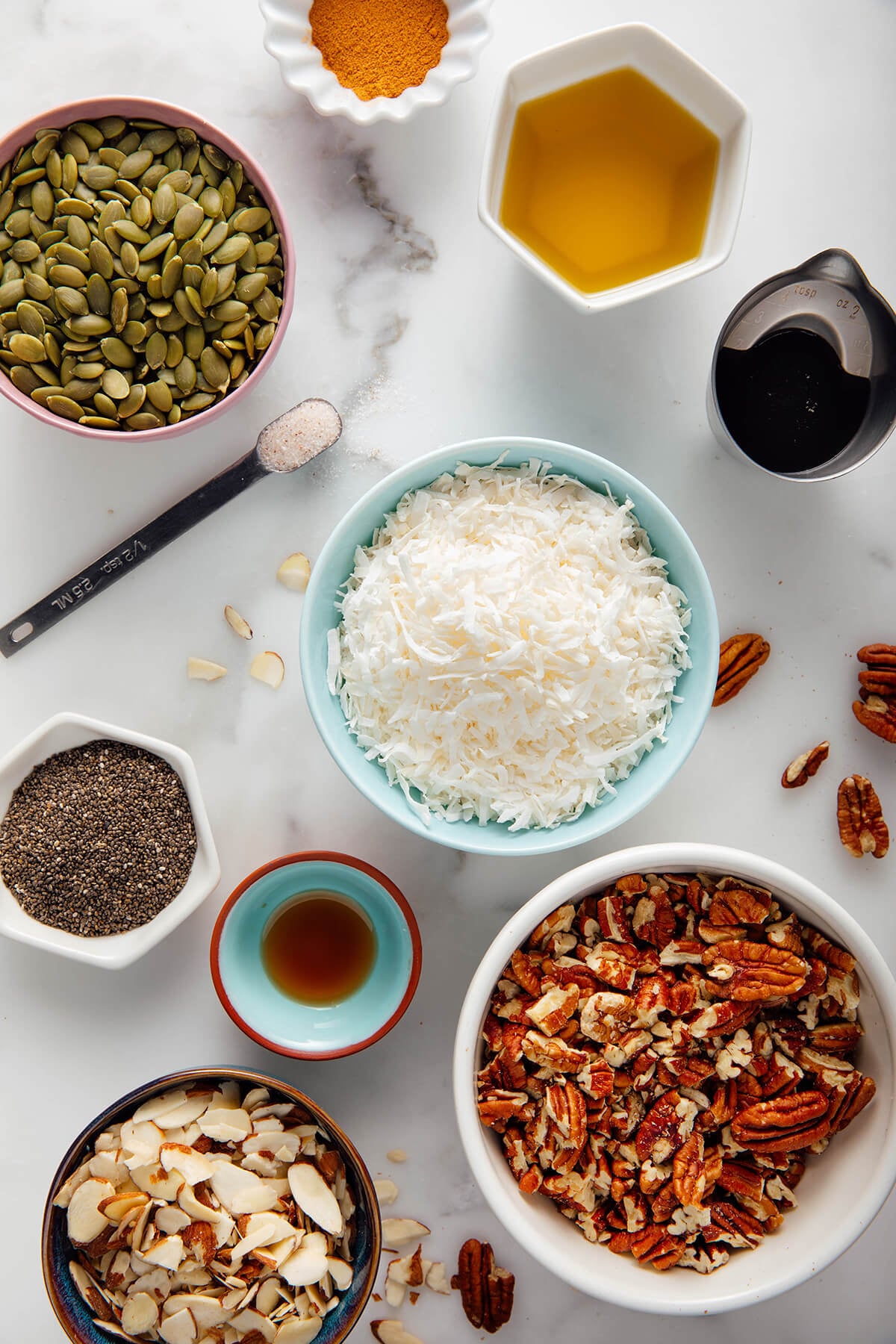
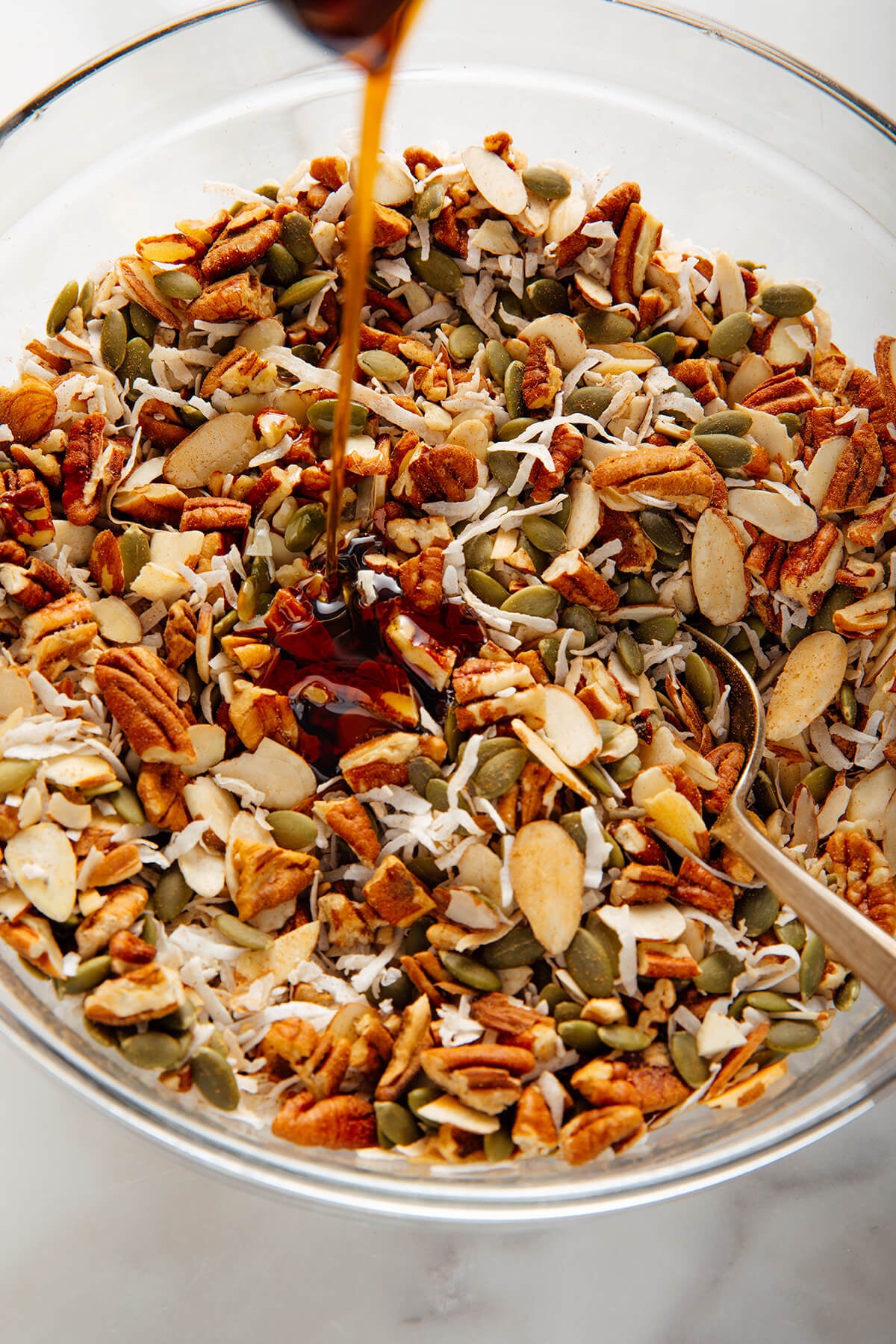
The beauty of grain-free granola lies in its adaptability and the rich tapestry of ingredients that can be utilized. The core components typically include a diverse mix of nuts and seeds, providing a robust flavor base and textural complexity. Common choices include sliced almonds, pecans, walnuts, and pepitas, often complemented by finely shredded coconut. The careful selection of these ingredients is crucial; ensuring they are fresh and free from rancidity is paramount to achieving a superior flavor profile. Rancid nuts can impart an unpleasant bitterness that can ruin an entire batch.
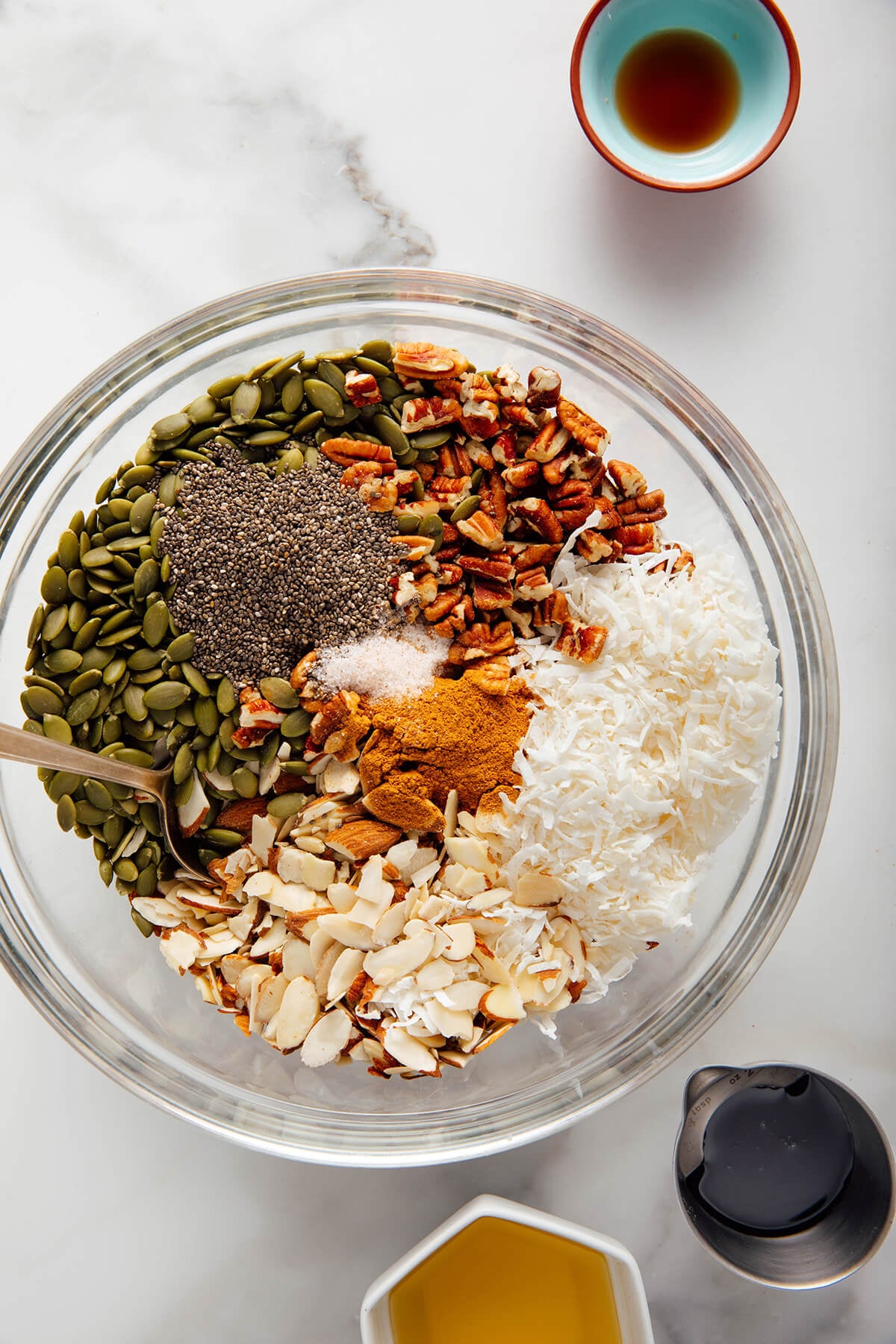
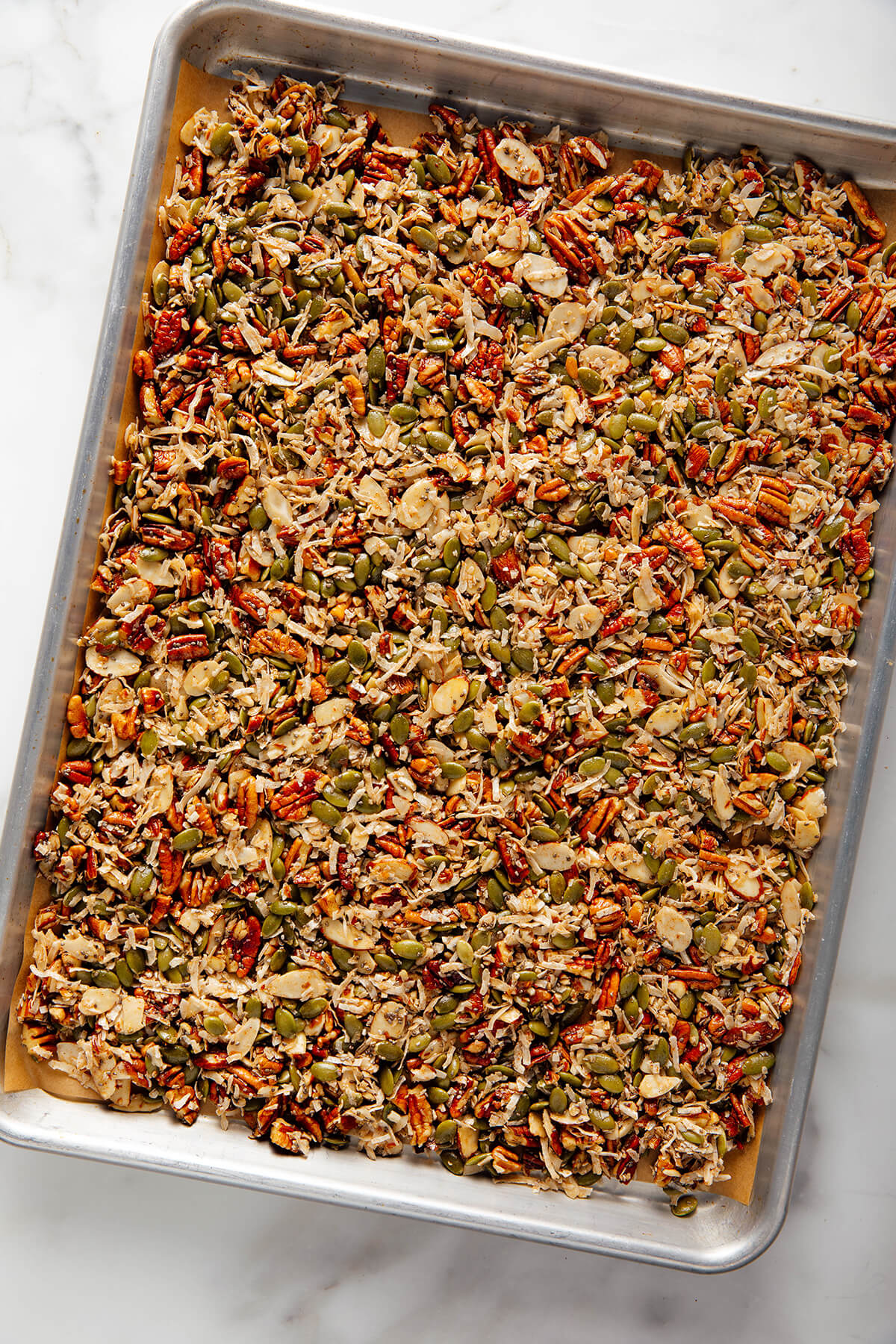
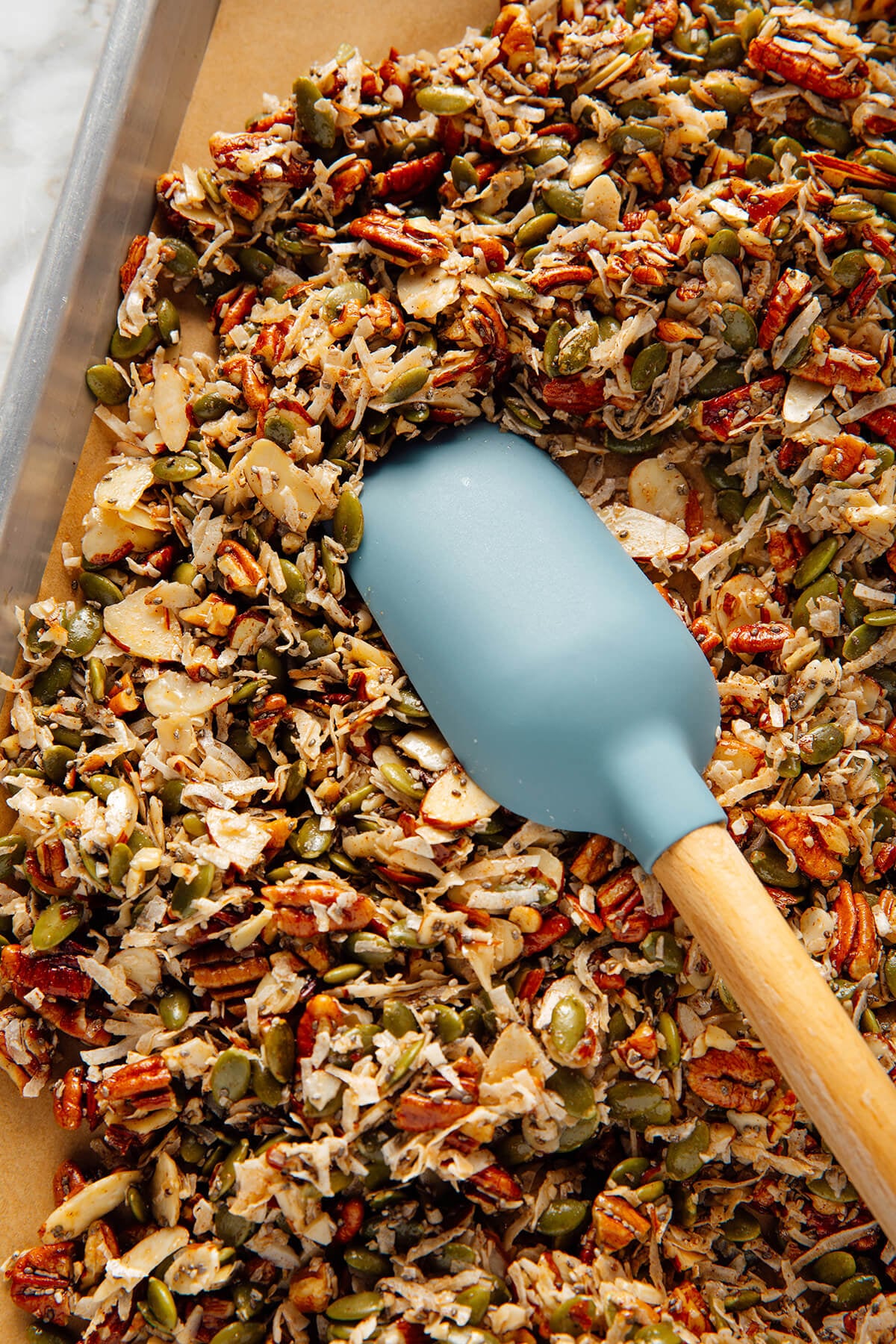
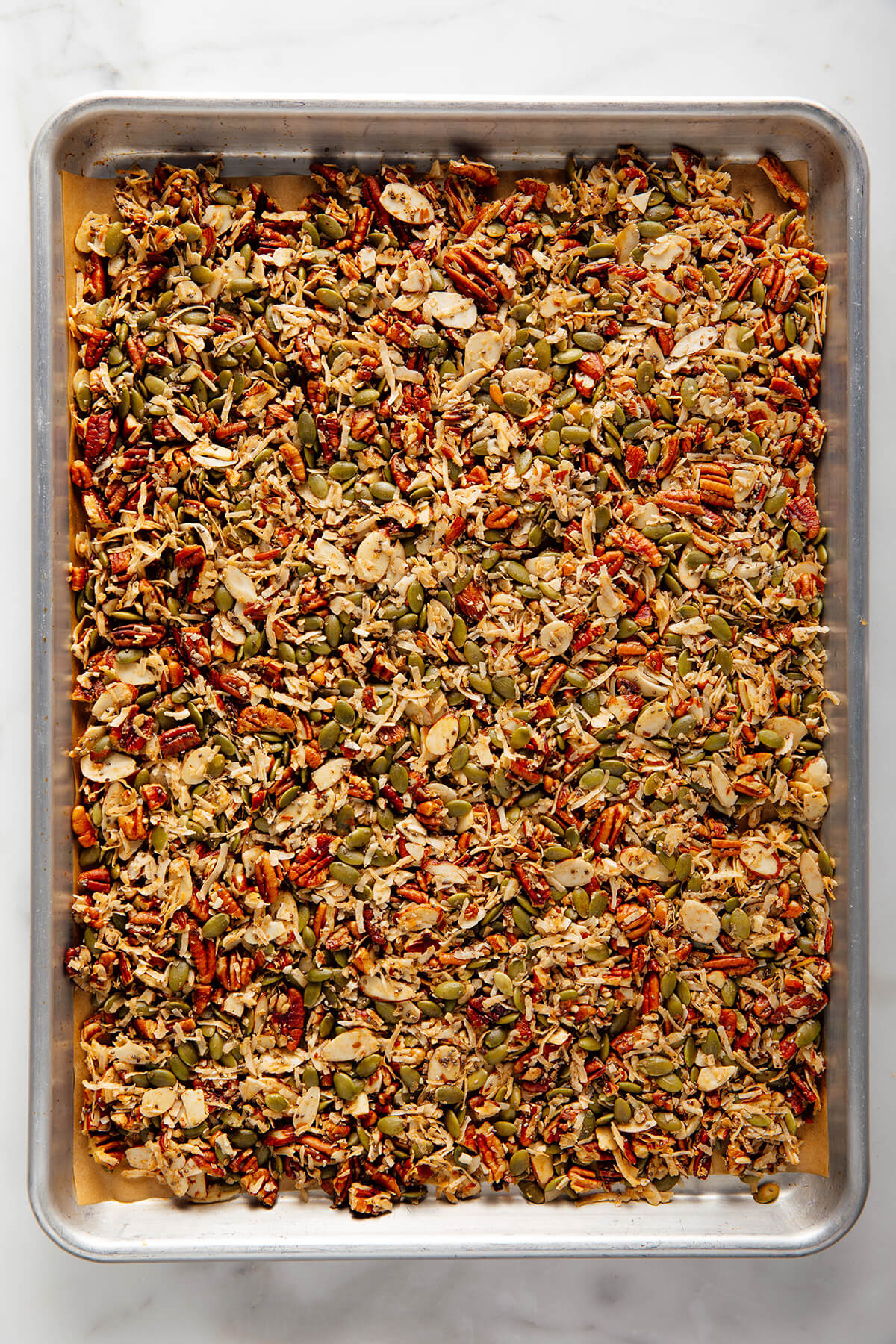
The process of making grain-free granola involves combining these dry ingredients with a binding agent and sweetener, usually a blend of healthy oil (like coconut oil or olive oil) and a natural syrup (such as maple syrup or honey). These binders not only provide sweetness but also contribute to the desired cluster formation and crispness after baking. Spices, like cinnamon or pumpkin spice blend, can be added to enhance the flavor, offering seasonal variations or simply a warmer, more aromatic experience. The cooking method typically involves baking at a moderate temperature until golden brown and crisp, with occasional stirring to ensure even toasting. A critical tip for achieving satisfying clumps, a hallmark of good granola, is to allow the mixture to cool completely on the baking sheet before breaking it apart. This allows the binders to fully set, creating delightful clusters.
Innovation in grain-free granola also extends to accommodating specific allergies or preferences. For instance, individuals with nut allergies can substitute nuts with additional seeds like sunflower seeds or more pepitas, ensuring a safe yet equally delicious product. The choice between maple syrup (for vegan options) and honey allows for further dietary alignment. The flexibility of this recipe allows home cooks to experiment with different ratios and additions, such as dried fruits (added after baking to prevent burning), cacao nibs, or different spice blends, creating a truly personalized granola experience.
Serving Suggestions and Broader Implications
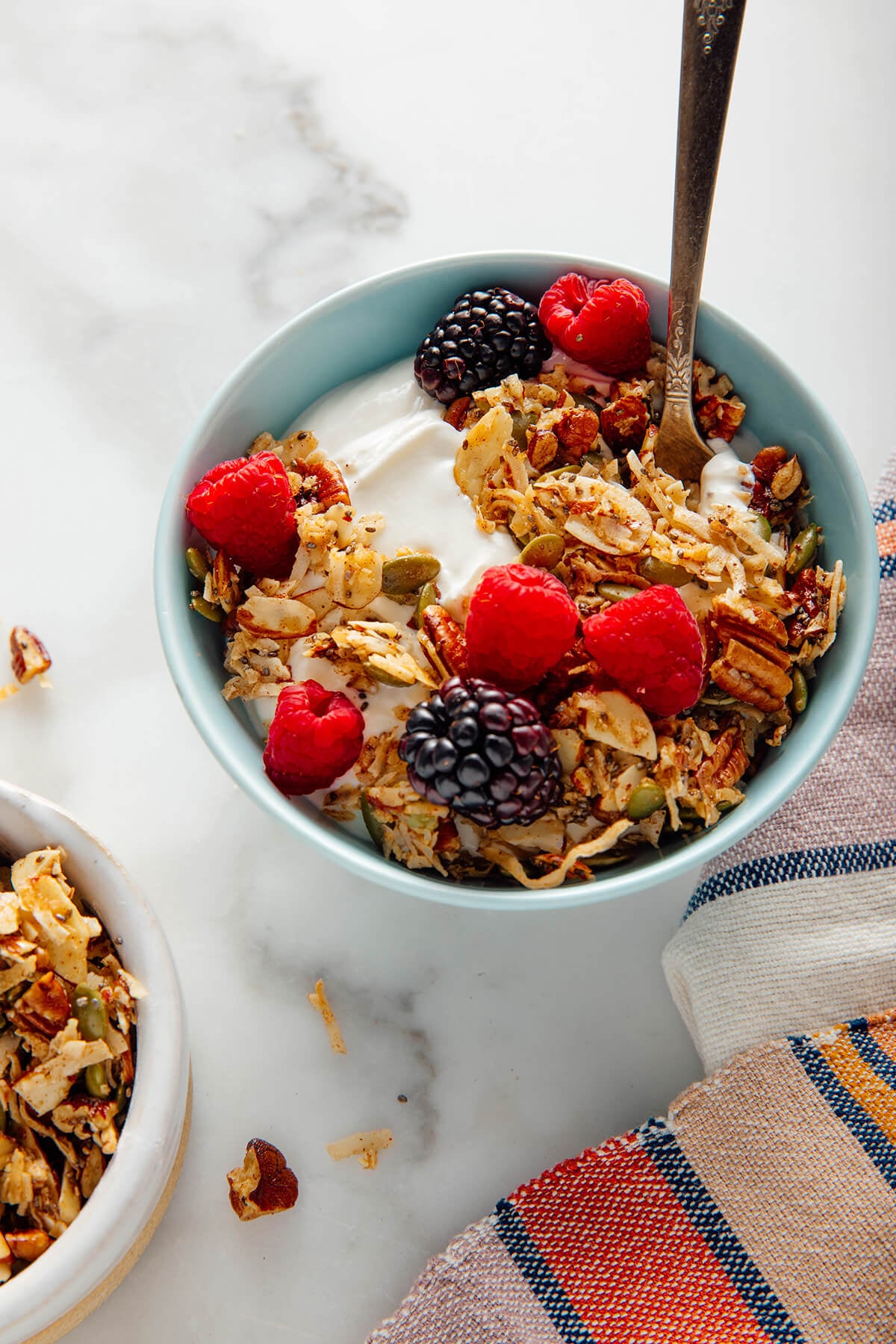
Grain-free granola is incredibly versatile, making it an excellent addition to various meals and snacks. A few spoonfuls can transform a simple breakfast into a nutrient-packed delight. It pairs exceptionally well with Greek yogurt, providing a satisfying contrast in texture and an extra boost of protein. It can also be sprinkled over smoothie bowls, adding crunch and healthy fats, or used as a topping for baked apples or warm oatmeal (for those who consume oats). For a quick and nutritious snack, it can be enjoyed on its own, offering sustained energy between meals. Its ability to elevate everyday dishes underscores its value as a kitchen staple for many.
The rise of grain-free granola and similar specialized food products carries broader implications for the food industry and public health. It signifies a growing consumer demand for transparency in food labeling, a greater understanding of ingredient sourcing, and a willingness to explore alternatives that align with individual health philosophies. This trend is likely to drive further innovation in the food sector, pushing manufacturers to develop more diverse, nutrient-dense, and allergen-friendly options. For public health, the increased availability of such products supports efforts to combat diet-related diseases by offering palatable solutions for managing conditions like diabetes, celiac disease, and obesity. As dietary science continues to advance and consumer awareness deepens, grain-free granola stands as a testament to the power of culinary adaptation in meeting the evolving nutritional needs of a diverse global population. The journey from a personal dietary necessity to a widespread culinary trend illustrates a dynamic interplay between health research, food innovation, and consumer empowerment, promising an even more varied and health-conscious food future.