



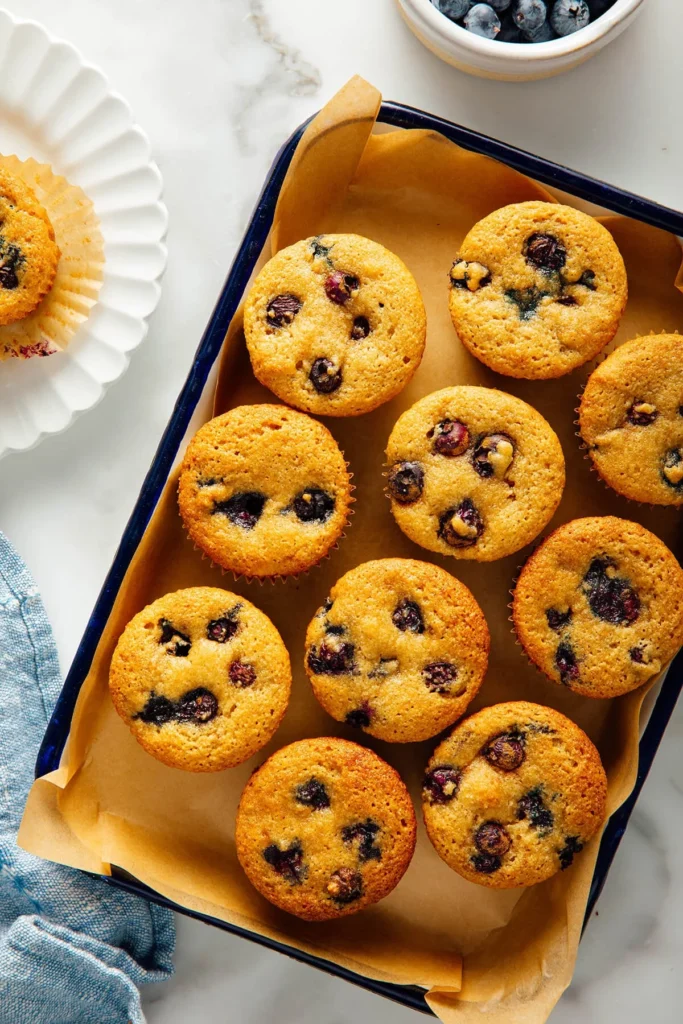
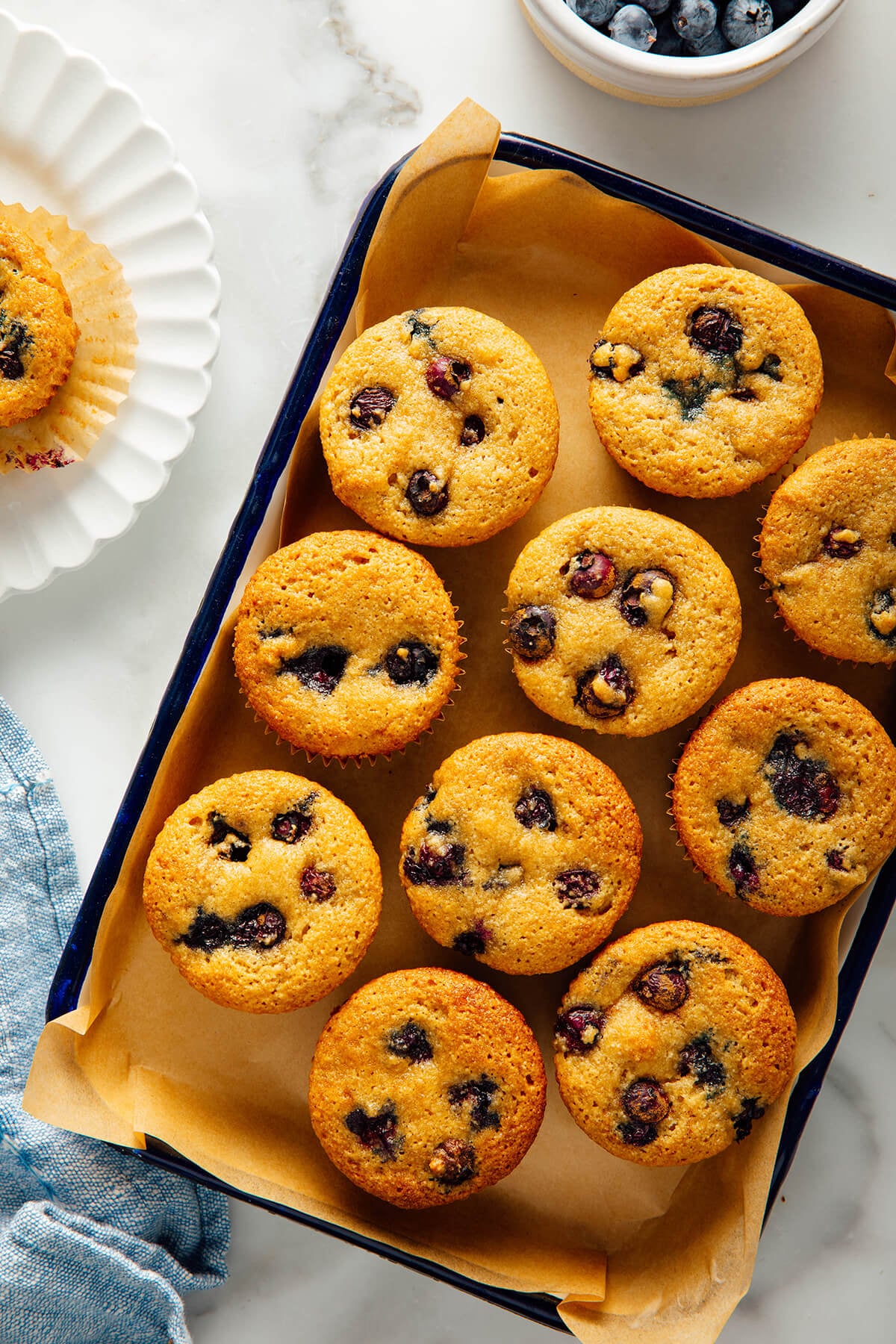
A new recipe for gluten-free almond flour blueberry muffins has emerged, promising to deliver the quintessential muffin experience without relying on traditional wheat-based flours, xanthan gum, or complex starch blends. Developed by Kathryne Taylor of the popular food blog Cookie and Kate, this innovative recipe is poised to challenge perceptions of gluten-free baking by achieving a texture and flavor profile remarkably similar to its conventional counterparts, while offering significant nutritional advantages. The creator highlights an extensive development process, involving over ten iterations, to perfect the delicate balance required for successful almond flour baking, ultimately yielding muffins that are golden on the outside, fluffy on the inside, and generously punctuated by jammy blueberries, all while maintaining a distinctly wholesome character.
The Evolution of Gluten-Free Baking and Almond Flour’s Ascent
The culinary landscape has witnessed a significant shift in recent decades, driven by increasing awareness of dietary sensitivities, particularly gluten intolerance and celiac disease, alongside a growing consumer preference for healthier, less processed food options. The global gluten-free market, valued at approximately $6.6 billion in 2022, is projected to reach over $14 billion by 2030, underscoring a sustained demand for innovative gluten-free products. This market expansion has spurred intense research and development in alternative flours and baking techniques.

Historically, gluten-free baking often struggled to replicate the elasticity, structure, and crumb provided by wheat gluten, leading to products that could be dense, crumbly, or overly gummy. Early gluten-free recipes frequently relied on a combination of various starches (like tapioca, potato, or cornstarch) and gums (such as xanthan or guar gum) to mimic gluten’s properties. While these blends offered a functional solution, they often lacked nutritional density and could impart a distinct flavor or texture that differentiated them from traditional baked goods. Consumers, increasingly health-conscious, began to scrutinize ingredient lists, seeking alternatives that were not only gluten-free but also inherently nutritious and made from simple, recognizable components.
It is within this evolving context that almond flour has risen to prominence. Derived from finely ground, blanched almonds, it offers a wealth of nutritional benefits, including high protein content, dietary fiber, healthy monounsaturated fats, and a lower carbohydrate count compared to wheat flour. Its inherent qualities—a delicate, slightly sweet flavor and a tendency to produce moist, tender baked goods—make it an attractive substitute. However, baking with almond flour presents its own set of challenges, primarily due to its unique absorption properties and fat content, which differ significantly from wheat flour. It absorbs less liquid and contains natural fats, necessitating careful adjustments to established recipes.
A Meticulous Development Process: Overcoming Baking Hurdles
The journey to perfect these almond flour blueberry muffins was, by the developer’s own admission, far from straightforward. Kathryne Taylor, known for her commitment to wholesome and delicious recipes, embarked on a rigorous trial-and-error process. This involved more than ten distinct attempts to achieve the desired texture and consistency, a testament to the complexities of transitioning a recipe from conventional wheat flour to a single-source gluten-free alternative like almond flour.
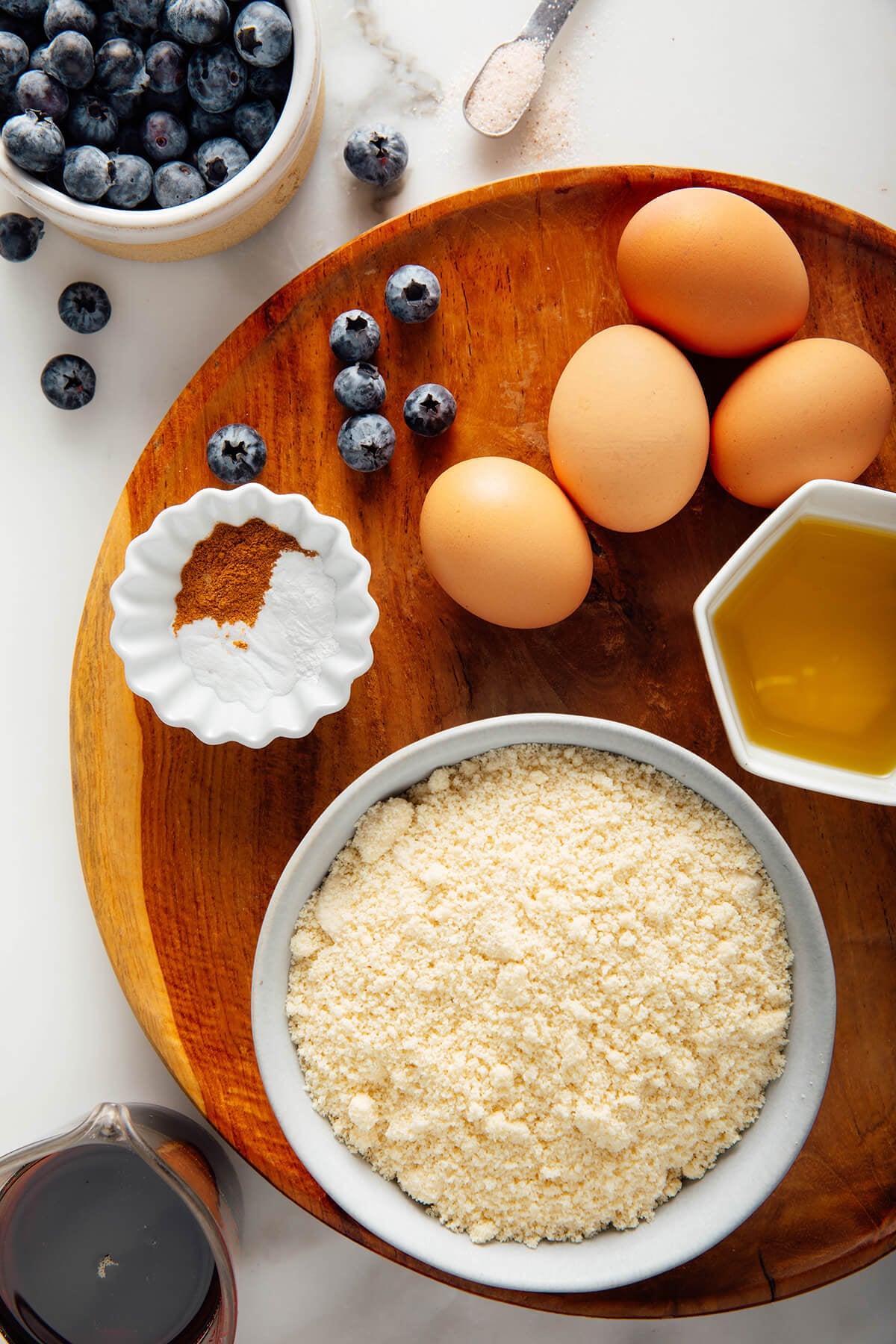
The primary technical hurdles revolved around the unique characteristics of almond flour. Unlike wheat flour, almond flour is less absorbent, meaning that simply swapping it into a traditional recipe would result in an overly wet batter. This necessitated a significant reduction in the liquid components of the recipe. Concurrently, almond flour’s natural fat content required a corresponding adjustment in added fats, such as olive oil or butter, to prevent the muffins from becoming greasy or overly dense.
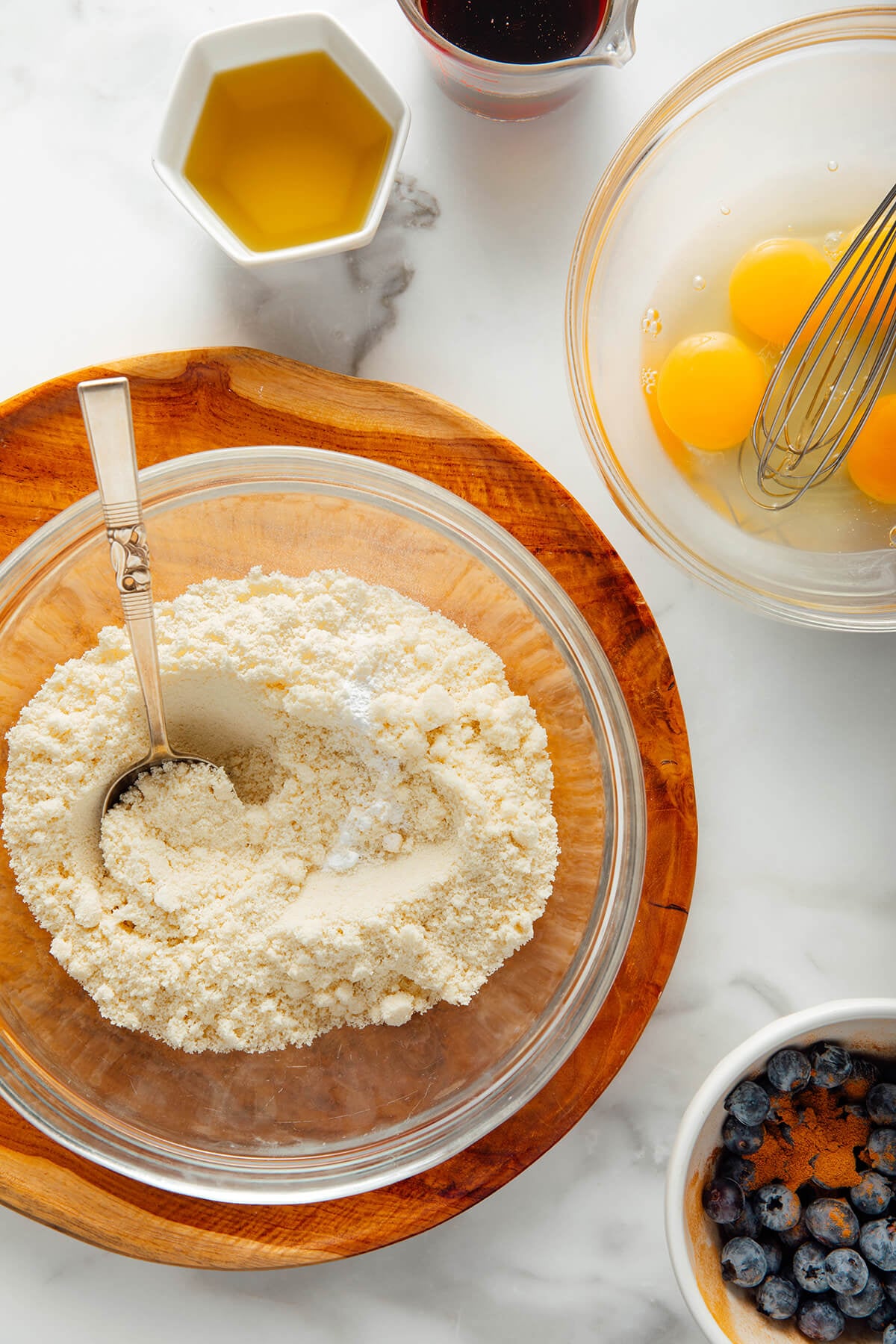
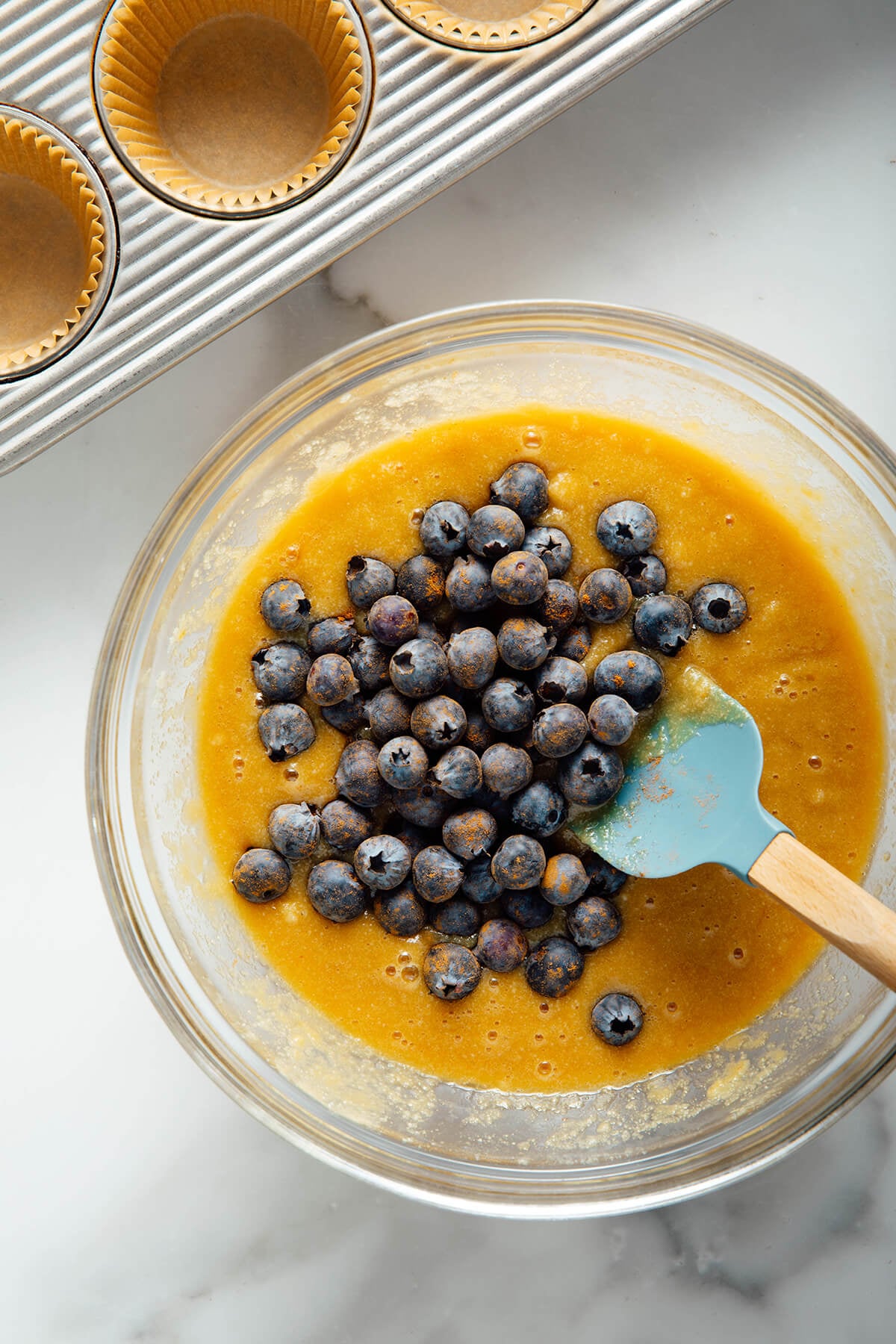
Beyond these fundamental adjustments, Taylor faced specific challenges common in muffin baking, particularly in gluten-free contexts. One persistent issue was the tendency of blueberries to sink to the bottom of the muffin batter, leading to an uneven distribution and often a soggy base. Traditional solutions, such as tossing berries in wheat flour, were incompatible with the gluten-free objective. After multiple unsuccessful attempts, an innovative solution emerged: tossing the blueberries in ground cinnamon. This technique proved remarkably effective, not only preventing the berries from sinking but also imparting a complementary flavor profile to the final product.
Another critical refinement addressed the aesthetic and chemical interactions within the batter. Baking soda, a common leavening agent, can react with the natural pigments in blueberries, potentially causing them to turn an unappetizing green around the edges when baked. To counteract this alkalinity and preserve the vibrant blue hue of the berries, the inclusion of lemon juice was found to be essential. This not only ensured visually appealing muffins but also added a bright, fresh flavor that enhanced the overall taste.
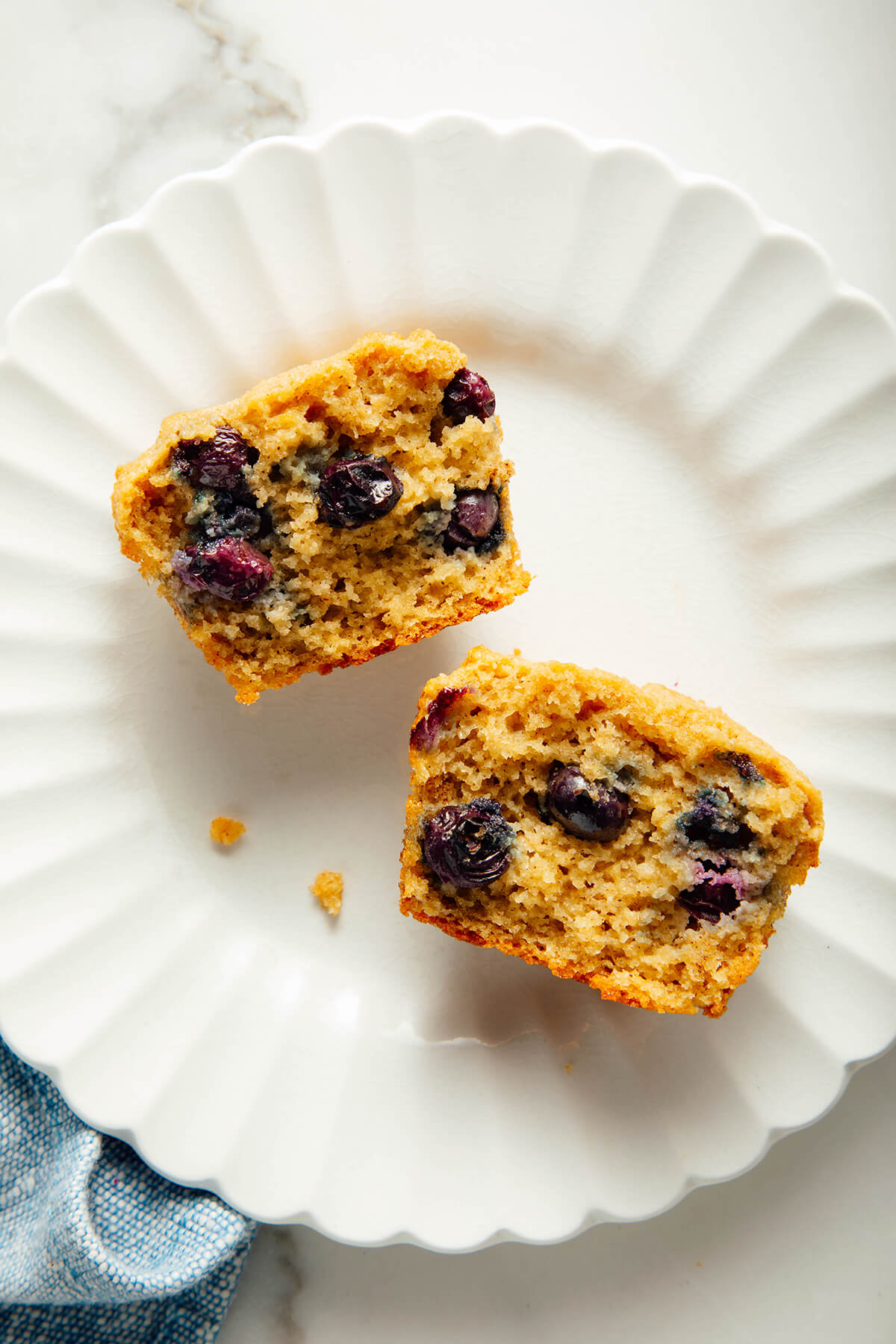
The structural integrity of the muffins also required careful consideration in the absence of gluten. Gluten provides the elastic network that gives baked goods their chewiness and prevents crumbling. To compensate for this, the recipe incorporates a higher-than-average quantity of eggs (four in total). Eggs serve as a natural binder and leavening agent, providing crucial structure and moisture, ensuring the muffins maintain their fluffy, tender crumb without any eggy aftertaste, a common concern when increasing egg content in baking.
This meticulous, iterative process highlights the scientific and artistic dedication required to innovate within the gluten-free baking sphere, moving beyond simple substitutions to fundamentally re-engineer a classic treat for a modern, health-conscious audience.
Nutritional Advantages and Ingredient Insights
The appeal of these almond flour blueberry muffins extends beyond their successful gluten-free adaptation; they are designed with wholesome ingredients that contribute to a superior nutritional profile. The core ingredient, fine blanched almond flour, is simply ground almonds, devoid of the added starches and binders often found in commercial gluten-free all-purpose blends. This commitment to single-source, nutrient-dense ingredients is a cornerstone of the recipe’s health benefits.
Almond flour naturally boasts a higher protein and fiber content than conventional wheat flours, contributing to increased satiety and better digestive health. It is also a good source of vitamin E, magnesium, and healthy monounsaturated fats, which are beneficial for heart health. For individuals monitoring carbohydrate intake, almond flour offers a significantly lower glycemic load, making these muffins a more favorable option than those made with refined wheat flour or starch-heavy gluten-free blends.
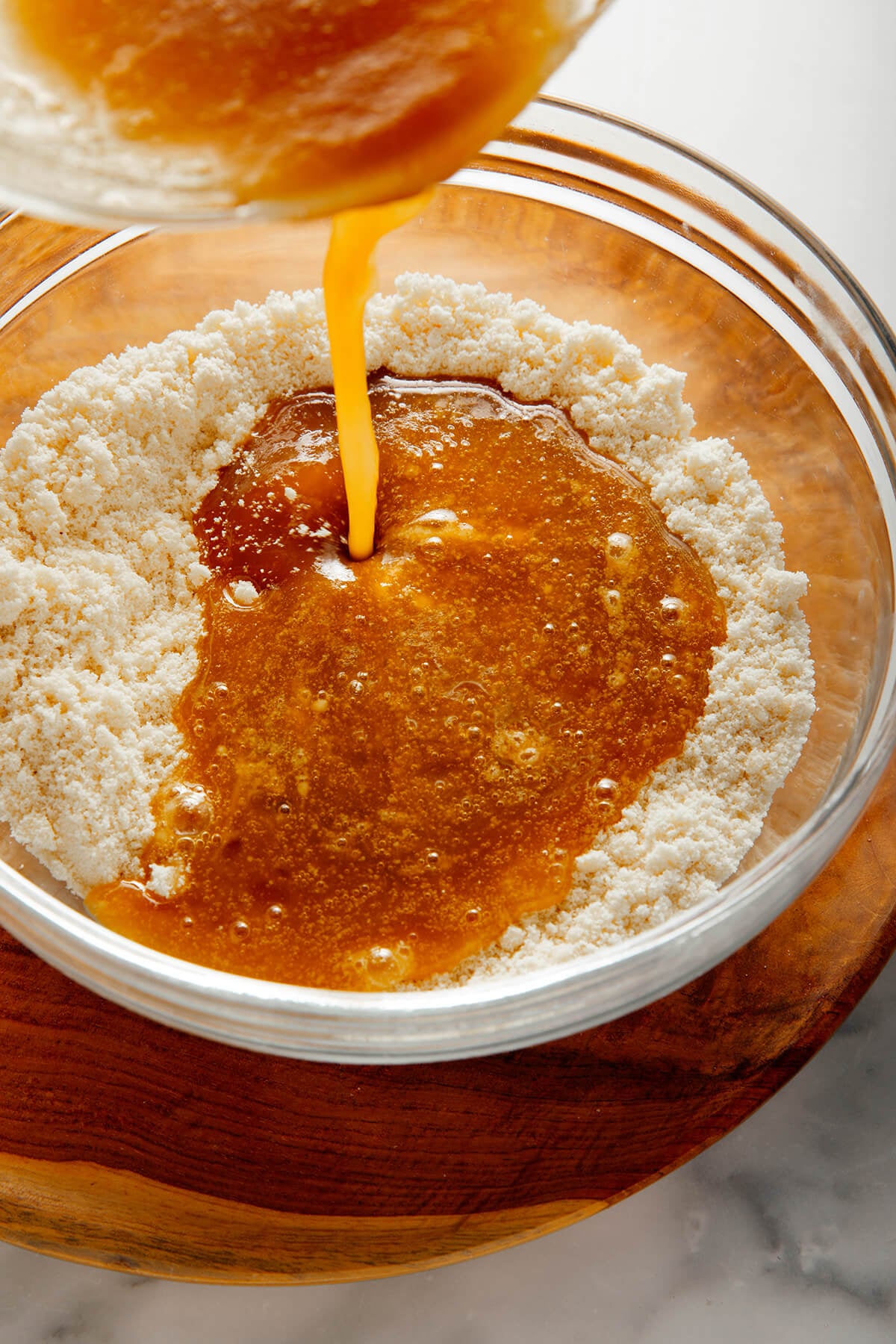
The choice of sweeteners also reflects a health-conscious approach. The recipe recommends pure maple syrup or honey, both natural sweeteners that offer distinct flavor profiles and, in the case of honey, additional health benefits such as antioxidants. Taylor notes a preference for maple syrup due to its subtle flavor, which allows other ingredients to shine, while honey provides a slightly more pronounced sweetness. Importantly, the inherent sweetness of almond flour itself, coupled with its ability to enhance other flavors, often allows for a reduction in the overall amount of added sweetener compared to wheat-based recipes, further contributing to the muffins’ wholesome character.
Regarding fats, the recipe offers a choice between mild extra-virgin olive oil and butter. The use of olive oil, particularly a mild variety, is a deliberate choice to incorporate healthier fats without imparting a noticeable olive flavor to the final product. Olive oil is rich in monounsaturated fats and antioxidants, aligning with contemporary dietary recommendations. For those who prefer a traditional flavor, butter remains an option, with the developer noting minimal difference in the end result’s texture or taste.
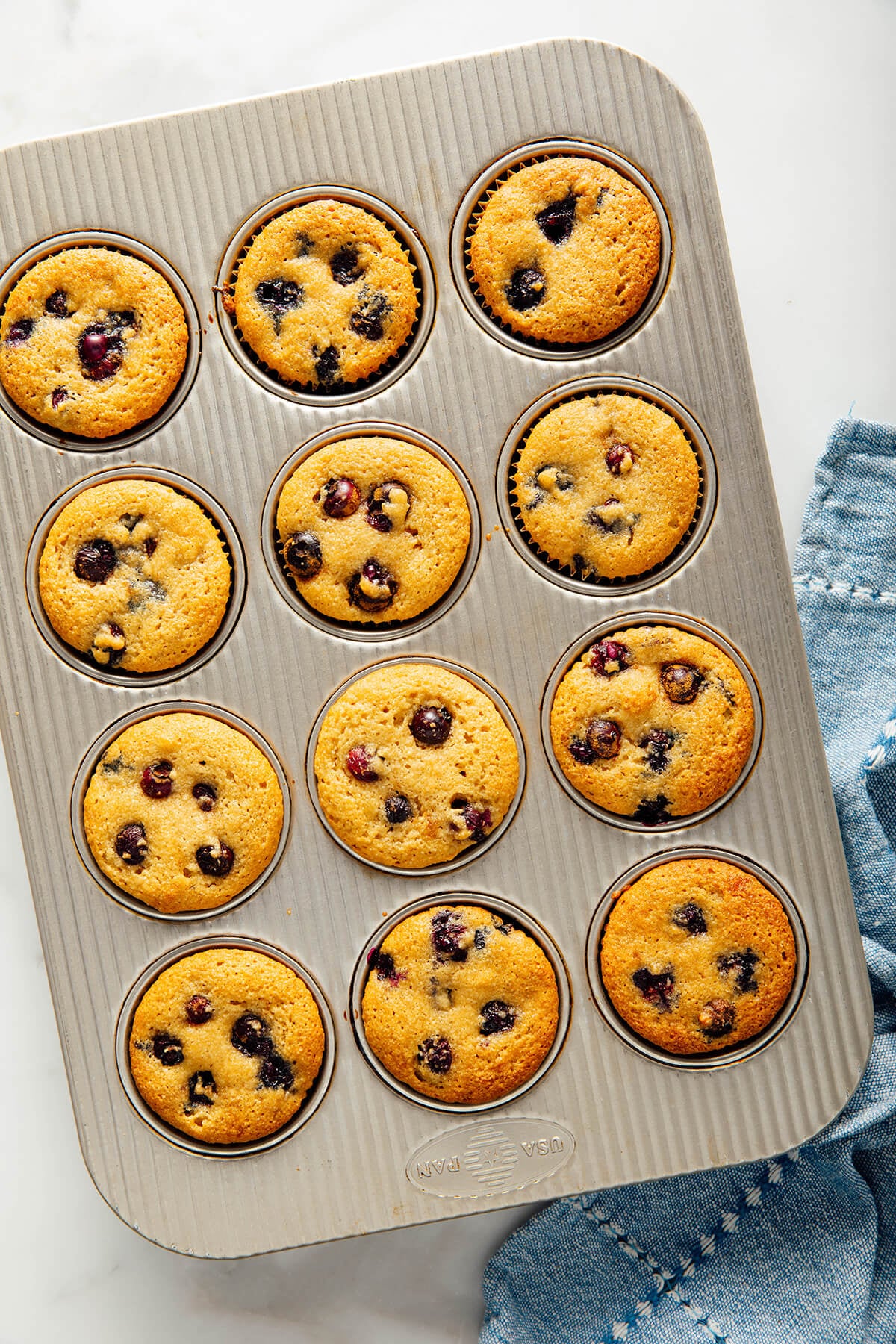
The use of both fresh and frozen blueberries provides flexibility for bakers. While fresh berries are noted to yield the best results, frozen blueberries (used directly from the freezer without defrosting) are a convenient and viable alternative. The only minor impact of frozen berries is a slight tinting of the batter and a few extra minutes in baking time, a small trade-off for year-round accessibility.
This meticulous selection of ingredients and the thoughtful considerations for their nutritional impact underscore the recipe’s dual promise: delivering a delightful treat that simultaneously supports a healthy lifestyle.
The Allure of Almond Flour: A Baker’s Perspective
Kathryne Taylor, the recipe’s developer, openly expresses her strong affinity for almond flour, even for those who do not strictly require a gluten-free diet. Her endorsement is rooted in three key benefits that she has identified through extensive baking experience: health, taste, and ease of use.
Firstly, Taylor emphasizes the inherent health advantages of almond flour. As a "carb-conscious baker," she actively avoids gluten-free all-purpose blends that rely heavily on added starches, which she views as offering minimal nutritional benefit. Instead, almond flour, being simply ground almonds, provides a nutrient-dense base. She further observes that baking with almond flour often allows for a reduction in added sweeteners, as the flour itself does not dull other flavors in the way traditional all-purpose or whole wheat flours can, allowing the natural sweetness of ingredients like blueberries to come forward more prominently.
Secondly, the taste and texture imparted by almond flour are significant factors in its appeal. Taylor notes that it consistently yields baked goods that are "wonderfully golden, tender and moist." Crucially, she highlights that the final product does not taste overtly of almond; rather, almond flour seems to enhance and allow "the other ingredients shine through more brightly." This ability to elevate the flavors of complementary ingredients, without dominating them, positions almond flour as a sophisticated choice for bakers seeking nuanced results. The extensive testing, involving over ten attempts, was specifically aimed at ensuring these muffins achieved this ideal balance of texture and flavor, confirming the developer’s dedication to quality.

Finally, the ease of use associated with almond flour makes it particularly appealing, even for novice bakers or those baking with children. A significant advantage is the absence of gluten, which eliminates the concern of overmixing. In traditional wheat flour baking, excessive mixing develops gluten, leading to tough, chewy baked goods. With almond flour, this risk is mitigated, as there is no gluten to develop, making the baking process more forgiving and less stressful. This characteristic makes it an ideal ingredient for collaborative baking experiences, such as those Taylor shares with her four-year-old daughter.
These three pillars—health, deliciousness, and simplicity—form the core of Taylor’s advocacy for almond flour, positioning it not just as a gluten-free alternative, but as a superior baking ingredient in its own right, capable of elevating both the process and the outcome of home baking.
Broader Implications for the Baking Community and Beyond
The introduction of these almond flour blueberry muffins carries several significant implications for the broader baking community, the gluten-free market, and consumer health trends.
For home bakers, this recipe offers a simplified yet sophisticated entry point into gluten-free baking. By demonstrating that exceptional results can be achieved with a single, wholesome gluten-free flour, without the need for complex blends or additives like xanthan gum, it demystifies the process. This approach can empower more individuals to experiment with gluten-free options, encouraging them to move away from highly processed alternatives and towards more natural, ingredient-focused recipes. The emphasis on technique and ingredient understanding, rather than reliance on pre-mixed solutions, fosters a deeper connection to the baking process.
In the commercial gluten-free sector, this recipe could serve as a benchmark for quality and ingredient transparency. As consumers become more discerning, products that mimic the taste and texture of traditional baked goods while maintaining a clean ingredient label are likely to gain traction. The successful development of a muffin that is both wholesome and genuinely delicious, without relying on common gluten-free fillers, sets a high standard that could influence future product development and marketing strategies within the industry.
Furthermore, this recipe aligns perfectly with prevailing health and wellness trends. The growing interest in low-carb, grain-free, and nutrient-dense diets means that recipes utilizing ingredients like almond flour are increasingly sought after. By providing a "treat" that fits within these dietary frameworks, it addresses the desire for indulgence without compromise, a key driver in the modern food market. The recipe’s emphasis on natural sweeteners and healthy fats further solidifies its position as a health-conscious option.
The iterative development process and the detailed explanation of challenges overcome also offer valuable lessons for aspiring food developers and home cooks alike. It highlights the importance of persistence, meticulous testing, and creative problem-solving in culinary innovation. The specific solutions, such as tossing blueberries in cinnamon to prevent sinking and using lemon juice to preserve color, are practical insights that can be applied to a wider range of baking endeavors.
In conclusion, these gluten-free almond flour blueberry muffins represent more than just a new recipe; they symbolize a significant step forward in the evolution of wholesome and accessible baking. By expertly navigating the complexities of almond flour, Kathryne Taylor has not only created a delicious and nutritious treat but has also provided a blueprint for future innovations, reinforcing the potential for simple, natural ingredients to redefine our expectations of gluten-free baked goods. This development stands as a testament to the power of thoughtful ingredient selection and diligent recipe development in satisfying both the palate and health-conscious demands of contemporary consumers.