








The realm of health and wellness product development, often dominated by discussions of botanical extracts, vitamin profiles, and bioavailability enhancers, is now experiencing a sonic revolution. SOUND Foods, a pioneering company founded by CEO Don Dillon, is harnessing the unseen power of ultrasonic waves to forge a new frontier in ingredient delivery. This innovative approach, moving beyond conventional manufacturing, promises to elevate the efficacy and palatability of dietary supplements and functional foods by creating a next-generation delivery format.
The core of SOUND Foods’ innovation lies in its proprietary use of ultrasonic waves, a technology that sounds as futuristic as it is groundbreaking. At the particle level, these high-frequency sound waves act as a sophisticated binding agent, meticulously connecting ingredients without the need for the high heat or harsh processing methods that can often degrade delicate active compounds. This method, which Dillon stumbled upon through personal health challenges and extensive research, offers formulators an unprecedented tool to integrate sensitive and potent ingredients into consumer-ready products.
Don Dillon’s journey to founding SOUND Foods is deeply rooted in his personal experiences. During his military service, Dillon encountered significant health issues that proved resistant to conventional treatments. It was through a dedicated focus on diet and nutrition that he began to see a reduction in his symptoms, igniting a passion for the potential of targeted nutritional interventions. This personal quest for wellness became the fertile ground from which his entrepreneurial vision grew.

The pivotal moment arrived in 2017 at SupplySide West, now known as SupplySide Global, a prominent industry trade show and educational event. It was here that Dillon encountered ultrasonic processing technology. Recognizing its potential, not only for his own health but for a broader spectrum of individuals seeking improved nutrition, he saw an opportunity that others, he believed, had overlooked. This encounter marked the genesis of SOUND Foods. Following this discovery, Dillon dedicated himself to securing the necessary patents, scaling the manufacturing process, and establishing the company’s first production line within a specialized dietary supplement facility. Now, SOUND Foods is poised to reintroduce this transformative technology to the public, returning to the very event that sparked its creation.
The Gentle Art of Sonic Binding: Preserving Potency and Enhancing Experience
The application of sound wave technology by SOUND Foods offers formulators two significant advantages: unparalleled gentleness in processing and remarkable flexibility in product design. Unlike traditional methods that rely on heat or extensive mechanical force, ultrasonic agglomeration operates at low temperatures and with minimal shear. This low-impact approach is crucial for preserving the integrity of heat-sensitive micronutrients, enzymes, and other delicate active compounds that are often compromised during conventional manufacturing. Instead of thermal energy, the process employs acoustic energy to precisely bind ingredient particles together.
This sonic binding process allows for the creation of products with diverse macronutrient profiles, offering a welcome alternative to the sugar syrups and other binders commonly used in agglomerated products like bars and bites. These conventional binders can often add unwanted calories, sugars, and potentially alter the flavor profile of the final product. By contrast, ultrasonic agglomeration facilitates the incorporation of protein, fiber, and high doses of active ingredients without these drawbacks.
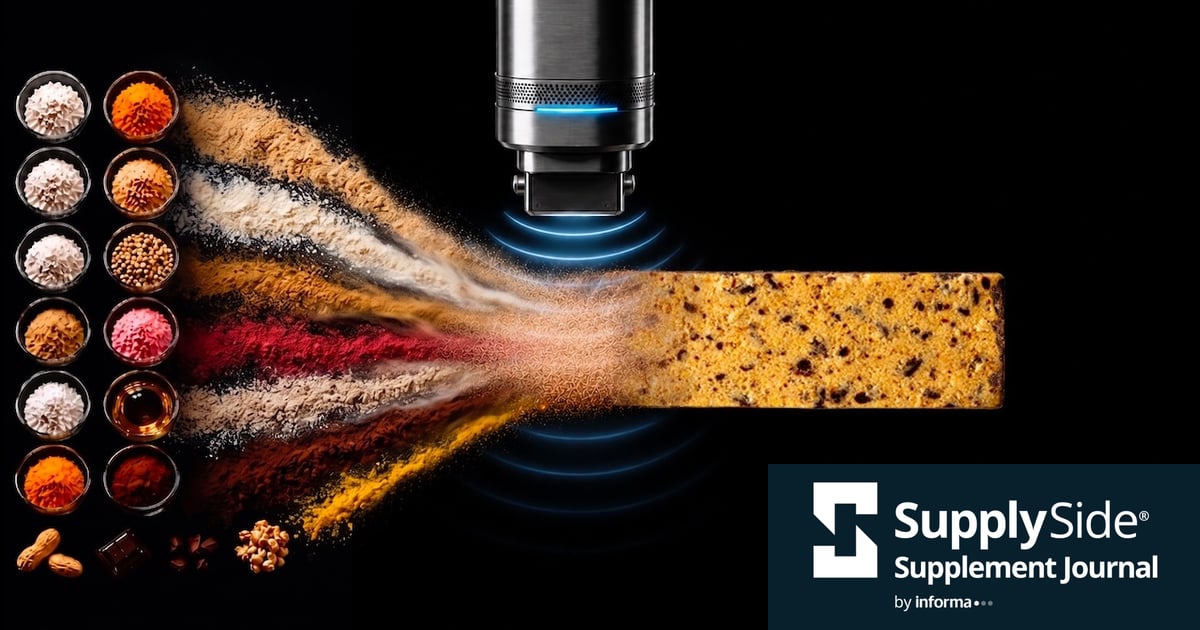
The scientific underpinning of this technology is known as "ultrasonic agglomeration," a process that has been explored in academic research but has seen limited commercial adoption until now. Its ability to maintain the chemical structure of ingredients while minimizing any impact on taste is a significant development for the food and supplement industries.
"We’re bringing a great experience – a snacking experience – to the supplement, because nobody likes to take a pill," Dillon explained, highlighting the consumer-centric benefit of this novel approach. "It makes it much easier, and much more enjoyable, to access advanced nutrition." This sentiment underscores the company’s mission to bridge the gap between the scientific efficacy of supplements and the consumer desire for convenient and palatable delivery formats.
A Versatile Tool for High-Dose and Sensitive Actives
The flexibility of ultrasonic agglomeration extends to its capability to incorporate a wide array of ingredients, from fine powders and viscous liquids to larger inclusions like protein crisps or dried fruit pieces. SOUND Foods asserts that they have yet to encounter an active ingredient that cannot be effectively integrated into their bar or bite formats using this technology.
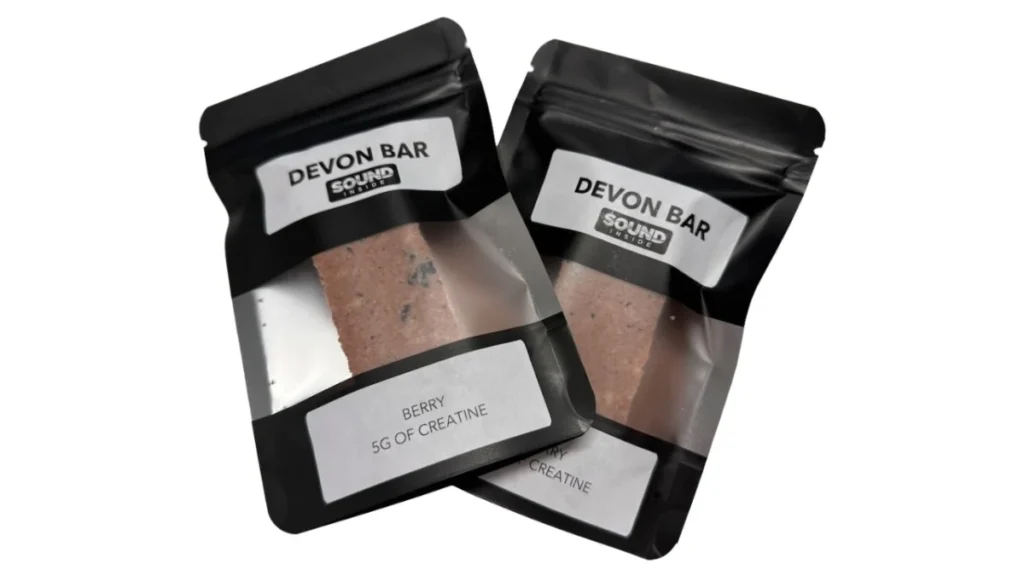
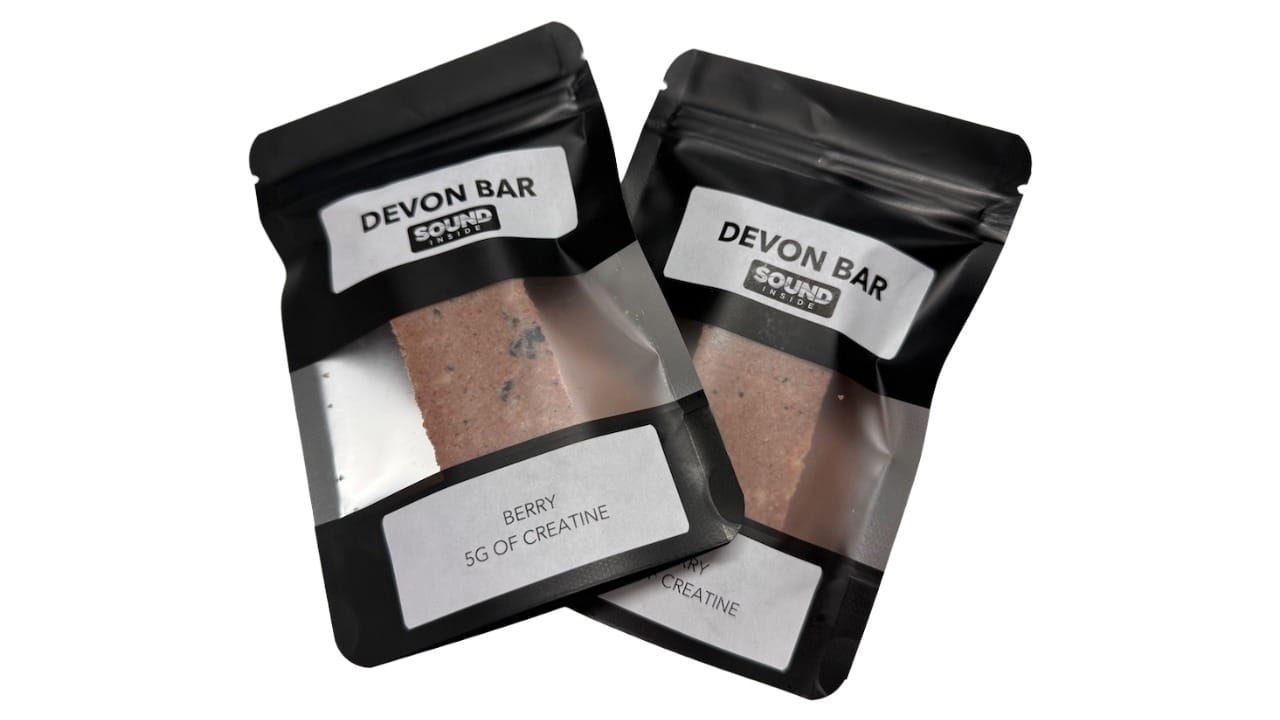
Ellie Boock, SOUND Foods’ Director of Business Development and the formulator behind a personalized "Devon" bar, shared specific insights into the product’s capacity. She noted that a single 60-70 gram bar can accommodate up to 25% active ingredients. As a demonstration, Boock successfully integrated a full 5-gram dose of creatine, a popular sports supplement, alongside 14 grams of protein, into one bar. This feat highlights the technology’s ability to deliver substantial dosages of active compounds in a single, convenient serving.
"We have very low water activity in our bars, and we get it to couple with great macros," Boock stated, referring to the product’s low moisture content, which is a key factor in shelf stability and the prevention of microbial growth. This low water activity is particularly beneficial for sensitive ingredients.
Derek Webber, President of SOUND Foods, further elaborated on the technology’s potential, emphasizing its efficacy with liposomal ingredients and probiotics. These are notoriously challenging ingredients to stabilize, often requiring specialized encapsulation or refrigeration. "We’re talking to some very large probiotic manufacturers with interest around this technology because we can get to a water activity level that is significantly low enough that these products will survive and be shelf-stable," Webber remarked. This capability could revolutionize the probiotic market, offering more robust and convenient consumer options.
The implications of this for shelf-stable probiotics are substantial. Many probiotic strains are sensitive to moisture and temperature fluctuations, limiting their incorporation into dry food products or requiring cold chain logistics. By achieving extremely low water activity, SOUND Foods’ technology could enable the development of shelf-stable probiotic-infused snacks and supplements, vastly expanding their accessibility and consumer appeal. This addresses a long-standing challenge in the nutraceutical industry, potentially unlocking new market segments and product categories.
Bridging the Divide: Science, Snacking, and the Future of Supplements
The potential applications for SOUND Foods’ ultrasonic agglomeration technology are exceptionally broad, according to Dillon. He envisions its impact extending across various health and wellness sectors, from promoting longevity and ensuring adequate nutrition for the elderly to supporting the performance and recovery needs of athletes. The possibilities, he suggests, are virtually limitless.
Boock also identified prenatal nutrition as a significant area where this processing method could make a profound difference. Ensuring expectant mothers and developing fetuses receive optimal and consistent nutrition is paramount, and SOUND Foods’ technology offers a way to deliver essential nutrients in a palatable and easily consumed format.
Ultimately, ultrasonic agglomeration serves as a critical bridge, connecting the scientific advancements in nutrition and supplementation with the everyday consumer’s desire for convenient and enjoyable snacking options. As Webber eloquently summarized, "Coupling nutrition and supplements is really what our niche is going to be." This focus on synergistic integration defines SOUND Foods’ strategic position in the market.
The broader implications of this technology are significant for the entire health and wellness industry. By offering a gentle, effective, and versatile method for ingredient delivery, SOUND Foods is poised to:
- Enhance Bioavailability: The precise binding of ingredients could potentially improve the absorption and utilization of active compounds within the body.
- Improve Palatability: The elimination of harsh binders and the potential for better ingredient integration can lead to more enjoyable products, increasing consumer adherence to supplement regimens.
- Expand Product Formats: This technology opens doors for innovative product development, moving beyond traditional pills and capsules to offer functional snacks, bars, and bites with precise nutritional profiles.
- Address Ingredient Stability: The ability to achieve low water activity offers a promising solution for stabilizing sensitive ingredients like probiotics and certain vitamins, extending shelf life and reducing the need for complex supply chain management.
- Support Personalized Nutrition: The flexibility of the technology allows for the creation of highly customized formulations, catering to specific dietary needs and health goals.
The scientific community’s ongoing exploration of ultrasonic agglomeration, as evidenced by research in journals like Food Chemistry, further validates the potential of this approach. While academic investigations have established its principles, SOUND Foods is at the forefront of translating this scientific understanding into tangible, market-ready products. Their commitment to innovation and their unique technological advantage position them as a key player in shaping the future of how we consume nutrition. The reverberations of this sonic innovation are likely to be felt across the health and wellness landscape for years to come.