

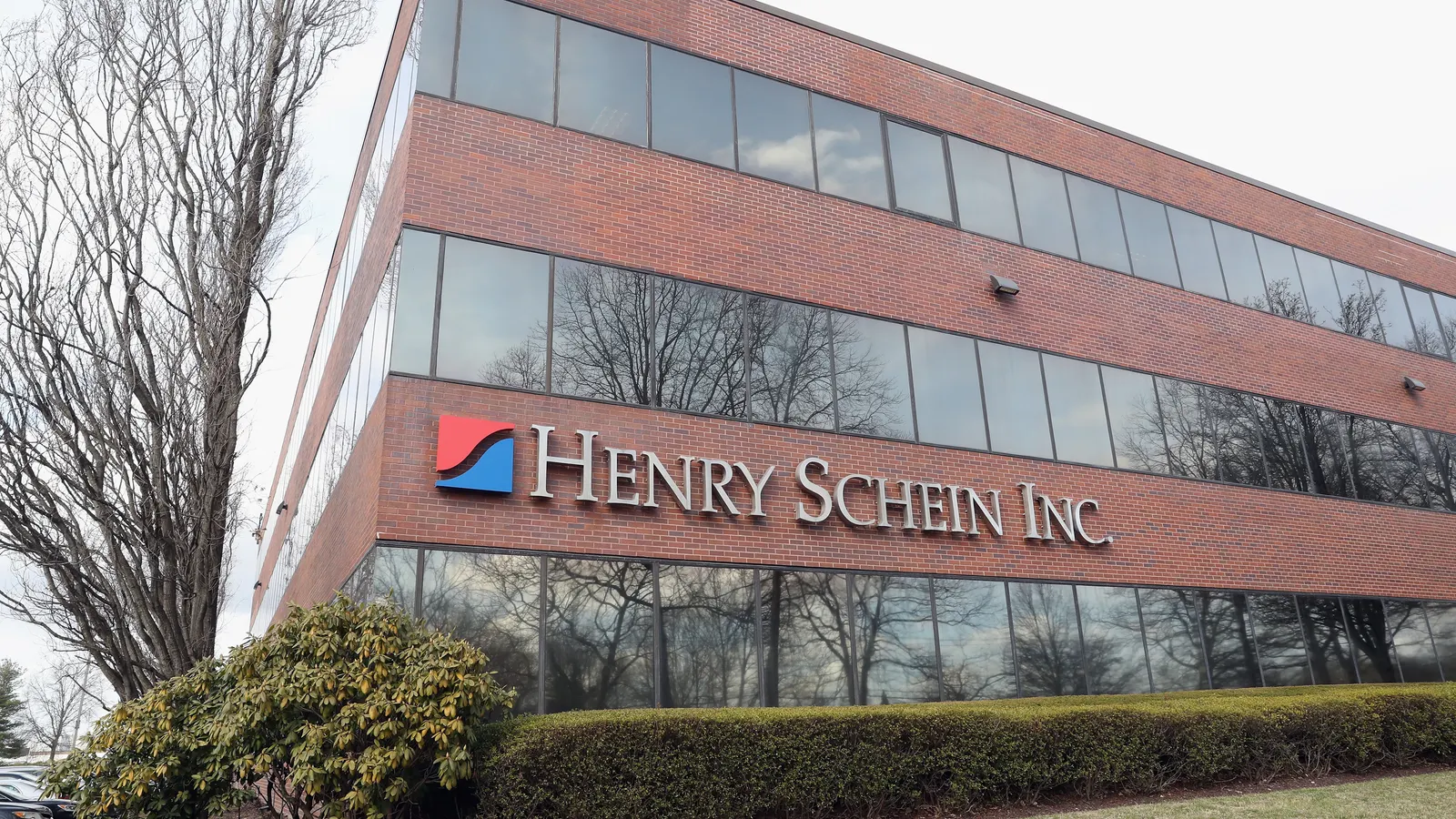
In a move that market observers characterize as a definitive break from decades of institutional tradition, Henry Schein, Inc. has announced a comprehensive reorganization of its executive leadership team. This strategic pivot, orchestrated by Chief Executive Officer Frederick M. Lowery, marks the most substantial shift in the company’s internal governance since Lowery assumed the top position earlier this year. The restructuring is designed to streamline operations, enhance decision-making speed, and align the global healthcare distributor’s management framework with its aggressive long-term financial targets, particularly those established following a significant capital infusion and strategic partnership with global investment firm KKR.
The Melville, New York-based company, which stands as a dominant force in the distribution of healthcare products to dental and medical practitioners, is currently navigating a period of profound transformation. With annual sales exceeding $13 billion, Henry Schein has long been a cornerstone of the healthcare supply chain. However, the recent leadership changes suggest that the organization is moving away from the legacy management style that defined the 35-year tenure of former CEO Stanley Bergman, opting instead for a model focused on rigorous operational efficiency and modernized business practices.
A New Mandate for Operational Excellence
The reorganization is viewed by industry analysts as a clear signal of Frederick Lowery’s intent to modernize the company’s internal architecture. Lowery, who joined Henry Schein in March 2026, brought with him a pedigree of high-level operational management from Thermo Fisher Scientific. During his time at Thermo Fisher, where he served as President of Laboratory Products and Bioproduction, Lowery was instrumental in managing complex global supply chains and driving growth in highly technical sectors.
According to Elizabeth Anderson, an analyst at Evercore ISI, the creation of this new leadership team is a pivotal moment for the company. In a note to clients, Anderson emphasized that Lowery’s willingness to overhaul the executive structure indicates that he is not tethered to the "traditional ways of doing business" that have historically characterized Henry Schein. This sentiment is echoed across the financial sector, where investors are looking for signs that the company can successfully transition from a founder-led culture to a more contemporary, data-driven corporate structure.
The restructuring is not merely about changing titles; it is about achieving specific financial milestones. When Henry Schein entered into an agreement to allow KKR to expand its ownership stake, the company committed to a roadmap intended to improve its operating income by more than $200 million over the next several years. Achieving such a significant bottom-line improvement requires a leadership team capable of identifying and eliminating redundancies while simultaneously fostering innovation in high-margin sectors, such as dental technology and value-added services.
The KKR Influence and the "Danaher" Factor
The shadow of KKR looms large over the current reorganization. In early 2025, KKR made a strategic $250 million investment in Henry Schein, a move that brought not only capital but also a new level of board-level oversight. As part of that agreement, William "Dan" Daniel, an executive adviser to KKR and a former high-ranking executive at Danaher Corporation, was elected to the board. Following Stanley Bergman’s retirement as chairman in May, Daniel was elected as the Independent Chairman of the Board.
The appointment of Daniel is particularly noteworthy due to his background at Danaher, a company renowned for the "Danaher Business System"—a lean management philosophy focused on continuous improvement and operational rigor. The influence of this philosophy is increasingly evident in Henry Schein’s recent moves. Alongside Daniel, Max Lin, a partner at KKR, also joined the board, ensuring that the interests of the investment firm are closely aligned with the company’s executive strategy.
This partnership with KKR is focused on "unlocking value" within the Henry Schein ecosystem. For years, the company has grown through aggressive acquisitions, amassing a vast portfolio of products and services. The current mandate, supported by the new leadership structure, is to integrate these disparate parts more effectively, leveraging the company’s massive scale to drive better margins in an increasingly competitive distribution landscape.
A Chronology of Transition
The current leadership overhaul is the culmination of a series of strategic moves that began in late 2024 and early 2025. To understand the magnitude of the current reorganization, it is essential to view it through the lens of the company’s recent timeline:
- January 2025: Henry Schein announces a strategic investment from KKR totaling $250 million. The company provides preliminary financial guidance and outlines a multi-year plan to boost operating income.
- May 2025: William "Dan" Daniel and KKR Partner Max Lin join the Henry Schein Board of Directors. The infusion of private equity expertise begins to influence the company’s long-term planning.
- March 2026: Frederick M. Lowery officially succeeds Stanley Bergman as CEO. Lowery’s arrival marks the first time in over three decades that a new individual has led the company.
- May 2026: Stanley Bergman retires from his role as Chairman of the Board. William Daniel is elected as Independent Chairman, completing the separation of the CEO and Chairman roles and solidifying a new governance era.
- August 2026: CEO Frederick Lowery announces the most significant executive reorganization in the company’s modern history, establishing a new leadership team designed to execute the "Schein 2026" strategic vision.
Strategic Implications and Market Dynamics
The reorganization comes at a critical time for the healthcare distribution industry. Henry Schein operates in a market characterized by tightening margins, the consolidation of dental practices into large Dental Support Organizations (DSOs), and a rapid shift toward digital dentistry. DSOs, in particular, demand higher levels of service, integrated technology solutions, and more sophisticated supply chain management than traditional independent practices.
By restructuring the executive team, Lowery is likely positioning the company to better serve these large-scale clients. The new leadership structure is expected to break down silos between the dental and medical divisions, allowing for a more unified approach to global procurement and digital transformation.
Furthermore, the company is under pressure to recover fully from external shocks, including a significant cybersecurity incident in late 2023 that disrupted operations and impacted financial results. The new executive team will be tasked with ensuring that the company’s infrastructure is not only efficient but also resilient against future technological and economic disruptions.
Financial Outlook and Upcoming Earnings
The market’s immediate focus is on Henry Schein’s second-quarter earnings report, scheduled for release this Tuesday. Investors will be looking for concrete evidence that the operational changes are beginning to bear fruit. Key metrics under scrutiny will include organic growth rates, progress on the $200 million operating income improvement goal, and the performance of the company’s technology and value-added services segment.
The technology segment, which includes practice management software and diagnostic equipment, is vital to the company’s future. These products often carry higher margins than traditional consumables and help "lock in" customer loyalty. A streamlined leadership team is expected to accelerate the rollout of cloud-based solutions and AI-driven diagnostic tools, which are becoming the new standard in dental care.
Conclusion: A Pivot Toward the Future
The executive reorganization at Henry Schein is more than a change in the organizational chart; it is a declaration of intent. For thirty-five years, the company grew and thrived under a consistent, stable leadership philosophy. However, the entry of KKR and the appointment of Frederick Lowery signify a new chapter defined by aggressive efficiency, lean management principles, and a modernized approach to the global healthcare market.
As the company prepares to report its latest financial results, the industry will be watching closely to see if this "new" Henry Schein can maintain its dominant market position while evolving into a more profitable and agile enterprise. With the guidance of a board influenced by KKR and a CEO seasoned in the high-stakes environment of life sciences, Henry Schein is betting that this radical departure from tradition is exactly what is needed to thrive in the next decade of healthcare distribution.
