

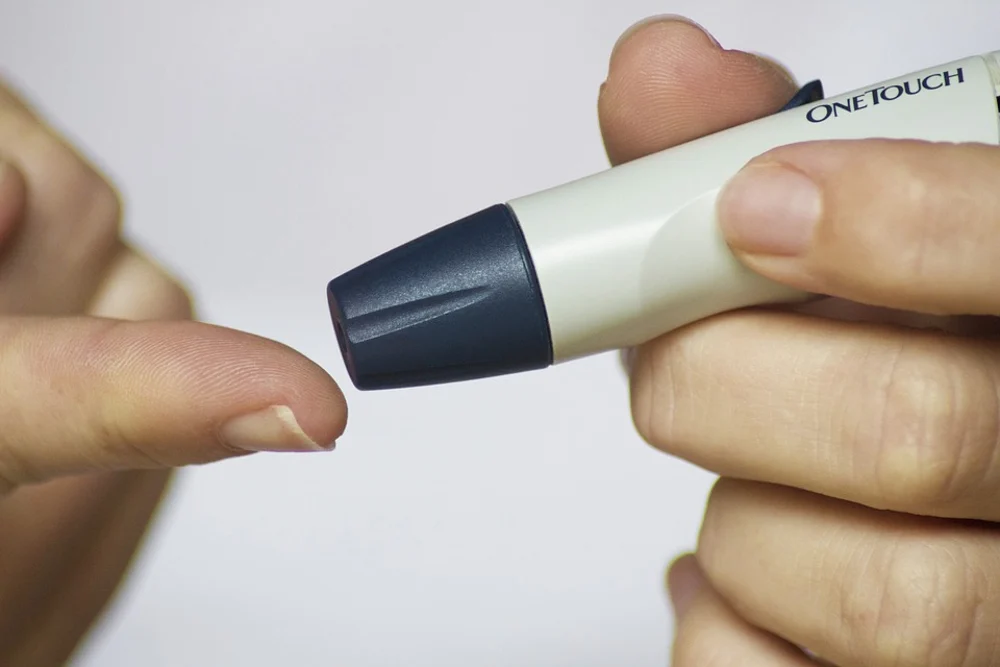
A landmark study has provided the first direct experimental evidence in humans that the common industrial chemical Bisphenol A (BPA) can significantly impair insulin sensitivity, even when consumed at levels currently deemed safe by regulatory bodies. This finding, presented by researchers from California Polytechnic State University at the American Diabetes Association’s 84th Scientific Sessions, challenges decades of regulatory assumptions regarding the safety of chemical additives in food and beverage packaging. While previous research has long linked BPA exposure to metabolic disorders in animal models and epidemiological surveys, this controlled human trial offers a definitive look at the acute physiological responses to the chemical, raising urgent questions about the rising rates of Type 2 diabetes and metabolic syndrome in the global population.
The Scale of BPA Ubiquity and Human Exposure
Bisphenol A is an organic synthetic compound belonging to the group of diphenylmethane derivatives and fluorinated derivatives. Since its commercialization in the 1950s and 1960s, it has become one of the highest-volume chemicals produced worldwide. Its primary application lies in the production of polycarbonate plastics—clear, tough plastics used for water bottles, food storage containers, and medical devices—and epoxy resins, which serve as protective coatings for the interior of metal food and beverage cans.
The chemical stability of BPA is not absolute; it is known to leach from packaging into food and liquids, particularly when containers are heated or subjected to acidic environments. Consequently, human exposure is nearly universal. According to the National Institute of Environmental Health Sciences (NIEHS), biomonitoring data indicates that BPA is present in the urine of more than 90 percent of the United States population. Despite its prevalence, the U.S. Food and Drug Administration (FDA) has historically maintained that the low levels of BPA found in food are safe for the general public, a stance that is increasingly being scrutinized in light of new clinical data.
The Cal Poly Study: Methodology and Findings
The recent investigation led by Dr. Todd Hagobian and his team at Cal Poly San Luis Obispo sought to bridge the gap between animal studies and human clinical reality. The researchers conducted a randomized, double-blinded, crossover trial involving 40 healthy adults. The participants were divided into two groups: one receiving a placebo and the other receiving a dose of BPA equivalent to 50 micrograms per kilogram of body weight per day. Notably, this dosage aligns exactly with the current "Reference Dose" or "safe" limit established by the U.S. Environmental Protection Agency (EPA) and the FDA.
After only four days of exposure, the results were stark. Participants in the BPA-treated group showed a significant decrease in insulin sensitivity compared to those in the placebo group. Insulin sensitivity refers to how effectively the body’s cells respond to insulin; when sensitivity decreases, the body must produce more insulin to keep blood sugar levels stable. This condition, known as insulin resistance, is the primary precursor to Type 2 diabetes and is a major component of metabolic syndrome, which includes hypertension and obesity.
The study suggests that the acute introduction of BPA interferes with the body’s glucose metabolism pathways with surprising speed. This provides a potential "missing link" for public health experts trying to understand why metabolic diseases continue to rise even as some segments of the population improve their dietary and exercise habits.
A Chronology of BPA Regulation and Scientific Concern
The history of BPA is marked by a tension between industrial utility and toxicological concern. The chemical was originally synthesized in 1891, and by the 1930s, it was investigated for use as a synthetic estrogen. However, it was eventually bypassed for that purpose in favor of diethylstilbestrol (DES). In the 1950s, the discovery that BPA could be polymerized into durable plastics led to its massive industrial expansion.
- 1988: The EPA established the reference dose (RfD) for BPA at 50 µg/kg/day, based on early toxicological studies that focused primarily on overt signs of toxicity rather than subtle endocrine disruption.
- 2008: Concerns regarding BPA in baby bottles led to a significant public outcry. Major retailers began voluntarily removing BPA-containing baby products from their shelves.
- 2012: The FDA officially banned the use of BPA in baby bottles and sippy cups, though it maintained that the ban was based on industry abandonment of the chemical rather than a definitive finding of harm.
- 2018: The FDA released the results of the CLARITY-BPA study (Consortium-Based Science Using Regulatory Acceptance Criteria to Study BPA), which initially concluded that BPA was safe at current exposure levels. However, independent academic scientists criticized the study for overlooking low-dose effects on the brain and prostate.
- 2023: The European Food Safety Authority (EFSA) drastically re-evaluated BPA safety, lowering the Tolerable Daily Intake (TDI) by a factor of 20,000, setting it at 0.2 nanograms per kilogram of body weight. This move highlighted a growing divide between American and European regulatory perspectives.
The Mechanism of Metabolic Disruption
BPA is classified as an endocrine-disrupting chemical (EDC). Its molecular structure allows it to mimic the hormone estrogen, binding to and activating estrogen receptors throughout the body. In the context of insulin sensitivity, the mechanism is particularly complex. BPA exposure has been shown to affect the pancreatic beta cells, which are responsible for insulin production.
When BPA mimics estrogen, it can trigger an overproduction of insulin, a state called hyperinsulinemia. Over time, the body’s peripheral tissues—such as muscle and liver cells—become desensitized to these high levels of insulin. Furthermore, BPA has been shown to promote oxidative stress and inflammation in adipose (fat) tissue. This chronic low-grade inflammation further inhibits insulin signaling, creating a feedback loop that leads toward permanent metabolic dysfunction.
The Cal Poly study is significant because it demonstrates that these biological shifts occur not over years of chronic exposure, but within a matter of days. This suggests that even intermittent exposure to high-BPA meals or products could have a fluctuating but detrimental impact on a person’s metabolic health.
Supporting Data: The Economic and Public Health Context
The implications of these findings are compounded by the current scale of the diabetes epidemic. According to the Centers for Disease Control and Prevention (CDC), over 38 million Americans have diabetes, and approximately 97 million adults have prediabetes. The annual economic cost of diagnosed diabetes in the U.S. is estimated at $412 billion, including $306 billion in direct medical costs.
If industrial chemicals like BPA are contributing even a small percentage to the decline of insulin sensitivity across the general population, the public health burden is immense. Data from the American Chemistry Council indicates that global BPA production exceeds 5 million metric tons annually. While some manufacturers have shifted to "BPA-free" alternatives, such as Bisphenol S (BPS) and Bisphenol F (BPF), emerging research suggests these analogs may have similar or even more potent endocrine-disrupting effects, a phenomenon often referred to as "regrettable substitution."
Official Responses and Stakeholder Reactions
The reaction to the Cal Poly study has been divided along predictable lines. Public health advocates and endocrinologists have hailed the research as a "wake-up call." Dr. Robert Gabbay, the Chief Scientific and Medical Officer for the American Diabetes Association, noted that identifying environmental factors that contribute to insulin resistance is crucial for developing comprehensive prevention strategies.
Conversely, industry groups, including the American Chemistry Council (ACC), typically emphasize the totality of the evidence. Historically, the ACC has argued that BPA is rapidly metabolized and eliminated from the human body, preventing it from reaching concentrations that could cause harm. They often point to the FDA’s current stance as the gold standard for safety.
However, the FDA itself is under increasing pressure. Following the EFSA’s drastic reduction in safe limits, several consumer advocacy groups filed a formal petition to the FDA to reconsider the safety of BPA in food-contact applications. The FDA is currently in the process of reviewing new data, and the Cal Poly study is expected to be a pivotal piece of evidence in that ongoing assessment.
Broader Impact and Future Implications
The revelation that low-dose BPA exposure can impact insulin sensitivity has broad implications for food safety policy and clinical practice. For healthcare providers, it suggests that diet and exercise may not be the only factors to consider when managing a patient’s metabolic profile; environmental "obesogens" and endocrine disruptors may also play a role.
From a policy perspective, the study adds weight to the argument for a "precautionary principle" in chemical regulation. If a chemical used in 90% of the population is found to affect a core biological process like insulin signaling at currently legal levels, the threshold for "safe" exposure may need to be fundamentally redefined.
As the scientific community continues to analyze these findings, the focus is likely to shift toward more comprehensive human trials and a deeper investigation into BPA-free alternatives. For the time being, the study serves as a rigorous scientific confirmation of a long-held suspicion: that the invisible chemicals in our modern environment are active participants in our internal biology, often with consequences that we are only beginning to quantify.
Recommendations for Risk Mitigation
While systemic change requires regulatory intervention, researchers and public health experts suggest several evidence-based steps for individuals looking to reduce their BPA exposure and potentially protect their insulin sensitivity:
- Prioritize Fresh Foods: Reducing the consumption of canned goods is one of the most effective ways to lower BPA intake, as the epoxy liners of cans are a primary source of leaching.
- Avoid Heating Plastics: BPA and its analogs are more likely to migrate into food when plastics are microwaved or placed in the dishwasher.
- Glass and Stainless Steel: Transitioning to glass or stainless steel containers for food storage and water can significantly decrease the daily chemical burden.
- Check Labels Wisely: While "BPA-free" is a positive step, consumers should remain cautious of plastics labeled with recycling codes 3 or 7, which may contain BPA or similar bisphenols.
In conclusion, the Cal Poly study marks a shift in the discourse surrounding environmental health. By providing experimental evidence of BPA’s impact on human insulin sensitivity, it moves the conversation from theoretical risk to documented physiological change, demanding a re-evaluation of how industrial chemicals are integrated into the global food supply.
