

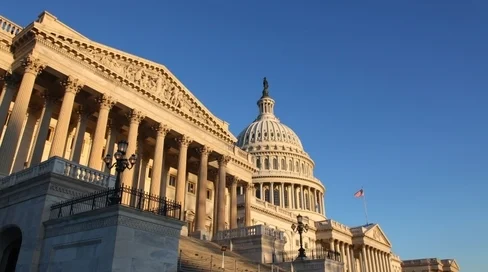
In a significant shift toward prioritizing nutritional security and agricultural reform, Representative Chellie Pingree (D-Maine) announced on September 14, 2026, the impending launch of the "Fix Our Food Caucus." Speaking before a capacity audience of organic farmers, food industry executives, and policy advocates at the Organic Trade Association’s (OTA) annual gathering in Washington, D.C., Pingree detailed a legislative vision that aims to bridge the gap between agricultural production and public health. The bipartisan caucus is designed to serve as a central hub in the House of Representatives for policy discussions surrounding the modernization of the American food system, with a specific focus on making healthy, sustainably produced food accessible to all socioeconomic demographics.
Pingree, a long-time member of the House Agriculture Committee and a pioneer in organic farming herself, emphasized that the initiative is a response to shifting voter priorities. During her remarks, she noted that the traditional view of healthy or organic food as a luxury for the wealthy is increasingly contradicted by market data and constituent feedback. The congresswoman asserted that food quality and safety have moved to the forefront of the American political consciousness, transcending partisan lines and urban-rural divides.
Legislative Background and Representative Pingree’s Advocacy
Representative Chellie Pingree’s involvement in food policy is deeply rooted in her personal background as an organic farmer on North Haven, an island off the coast of Maine. Since entering Congress in 2009, she has been a vocal advocate for small and mid-sized farms, local food systems, and sustainable agricultural practices. Her legislative history includes significant contributions to multiple iterations of the Farm Bill, where she has consistently pushed for increased funding for the National Organic Program and the expansion of the Gus Schumacher Nutrition Incentive Program (GusNIP), which helps low-income consumers purchase fresh produce.
The announcement of the Fix Our Food Caucus follows several years of heightened scrutiny regarding the U.S. food supply. Between 2022 and 2025, a series of supply chain disruptions, coupled with rising concerns over food additives and the environmental impact of industrial farming, created a political environment ripe for reform. Pingree’s move to formalize this caucus represents an effort to institutionalize these concerns within the halls of Congress, ensuring that food policy is treated not merely as a subset of trade or commodities, but as a critical pillar of national health and security.
A Chronology of the Fix Our Food Initiative
The path to the 2026 announcement of the Fix Our Food Caucus began in the wake of the 2023 Farm Bill debates, where a growing faction of lawmakers expressed dissatisfaction with the status quo of agricultural subsidies.
- Late 2024: Initial discussions began among a small group of bipartisan legislators regarding the need for a dedicated forum to discuss "food as medicine" and soil health.
- Spring 2025: Representative Pingree and several colleagues from both sides of the aisle conducted a series of "listening sessions" with young families and medical professionals to identify the most pressing concerns regarding the American diet.
- January 2026: Preliminary framework for the caucus was drafted, focusing on three core pillars: transparency in labeling, the reduction of ultra-processed foods in school lunches, and the diversification of the American produce supply.
- September 14, 2026: Representative Pingree officially announces the launch of the caucus during the Organic Trade Association’s annual gathering, signaling a formal push for legislative action in the upcoming 2027 Farm Bill cycle.
Supporting Data: Debunking the Elitism Myth
Central to Representative Pingree’s address was the refutation of the "elitist" label often applied to the organic and natural food movements. She cited internal data and broader economic statistics to illustrate that the demand for healthy food is a universal concern.
According to 2025 industry reports from the Organic Trade Association, the organic market in the United States surpassed $72 billion in annual sales, with the fastest growth occurring in mid-market grocery chains and discount retailers rather than high-end specialty stores. Furthermore, data from the U.S. Department of Agriculture (USDA) indicates that over 15% of all SNAP (Supplemental Nutrition Assistance Program) benefits are now spent on fresh produce, a significant increase from a decade ago.
"Young moms and young families are very concerned about what they’re feeding their children," Pingree stated during her remarks. "Every bit of data and statistics I see says that [the idea of it being an elitist movement] is not true."
Market research conducted in early 2026 supports this claim, showing that 74% of households with children under the age of 12 prioritize "clean labels" and "pesticide-free" products, regardless of their annual household income. The Fix Our Food Caucus intends to leverage this data to advocate for policies that lower the price point of organic goods through improved infrastructure and localized distribution networks.
The Bipartisan Strategy and Official Responses
While the full roster of the Fix Our Food Caucus has not yet been released, Pingree confirmed that the leadership will be bipartisan. This strategic move is intended to ensure that the caucus’s proposals can survive the often-polarized environment of the House of Representatives.
Potential Republican co-chairs are expected to include representatives from districts where regenerative agriculture and specialty crops are becoming economic drivers. Lawmakers from the "Corn Belt" and the Southeast have expressed growing interest in diversifying their states’ agricultural outputs to meet the rising demand for non-commodity crops.
In a statement following Pingree’s announcement, Tom Chapman, CEO of the Organic Trade Association, lauded the move. "The creation of this caucus marks a turning point in how Washington views the food on our plates," Chapman said. "For too long, food policy has been siloed. By bringing together a bipartisan group of lawmakers, Representative Pingree is ensuring that the voices of organic farmers and health-conscious consumers are heard at the highest levels of government."
While some industry groups representing large-scale conventional agriculture have expressed caution, citing concerns about potential over-regulation, the general response from the public health sector has been overwhelmingly positive. The American Academy of Pediatrics and various nutrition advocacy groups have signaled their intent to provide the caucus with expert testimony regarding the link between diet and chronic childhood illnesses.
Health Implications and the Cost of the American Diet
A primary driver for the Fix Our Food Caucus is the escalating cost of diet-related illnesses in the United States. Fact-based analysis suggests that the economic burden of obesity, type 2 diabetes, and cardiovascular disease—all of which are heavily influenced by the consumption of ultra-processed foods—exceeds $1.1 trillion annually.
The caucus aims to address these issues by:
- Reforming School Nutrition: Updating the standards for the National School Lunch Program to reduce sodium and added sugars while increasing fresh, locally sourced ingredients.
- Soil Health and Pesticide Reduction: Encouraging farming techniques that reduce chemical runoff and improve the nutrient density of the soil, which in turn improves the nutritional profile of the crops.
- Transparency in Labeling: Standardizing "natural" and "sustainable" labels to prevent consumer confusion and "greenwashing" by large food corporations.
Pingree noted that for many constituents, food is now their "No. 1 issue," not only because of inflation and the cost of groceries but because of the long-term health implications for their families. "They want to figure out how to put healthy food on the table, and they want to know that we’re paying attention to that," she said.
Economic Impact and Future Outlook
The launch of the Fix Our Food Caucus is timed to influence the preliminary negotiations for the 2027 Farm Bill. By establishing a bipartisan coalition now, Pingree and her colleagues hope to shift the focus of the massive spending bill toward "climate-smart" agriculture and nutritional security.
The economic implications are substantial. By incentivizing the transition to organic and regenerative farming, the caucus could help create a more resilient food system that is less dependent on global supply chains and volatile synthetic fertilizer prices. Furthermore, by expanding the market for healthy foods to lower-income brackets, the caucus could stimulate job growth in the processing and distribution of specialty crops.
As the caucus begins its formal operations in the coming weeks, its first order of business will likely be a series of field hearings across the country. These hearings will aim to gather evidence on how federal policy can better support the "middle" of the food chain—the processors, distributors, and retailers who connect farmers to consumers.
Conclusion
Representative Chellie Pingree’s announcement of the Fix Our Food Caucus represents a calculated attempt to modernize the American legislative approach to agriculture. By centering the conversation on health, accessibility, and bipartisan cooperation, the caucus seeks to move beyond the traditional "Big Ag" versus "Small Farm" dichotomy. As the 2026 legislative session continues, the caucus will face the challenge of translating public concern for food quality into concrete policy changes that can withstand the pressures of corporate lobbying and fiscal constraints. However, with the backing of significant market data and a growing chorus of concerned parents, the "Fix Our Food" movement appears to have gained a permanent and influential foothold in the United States Capitol.
