









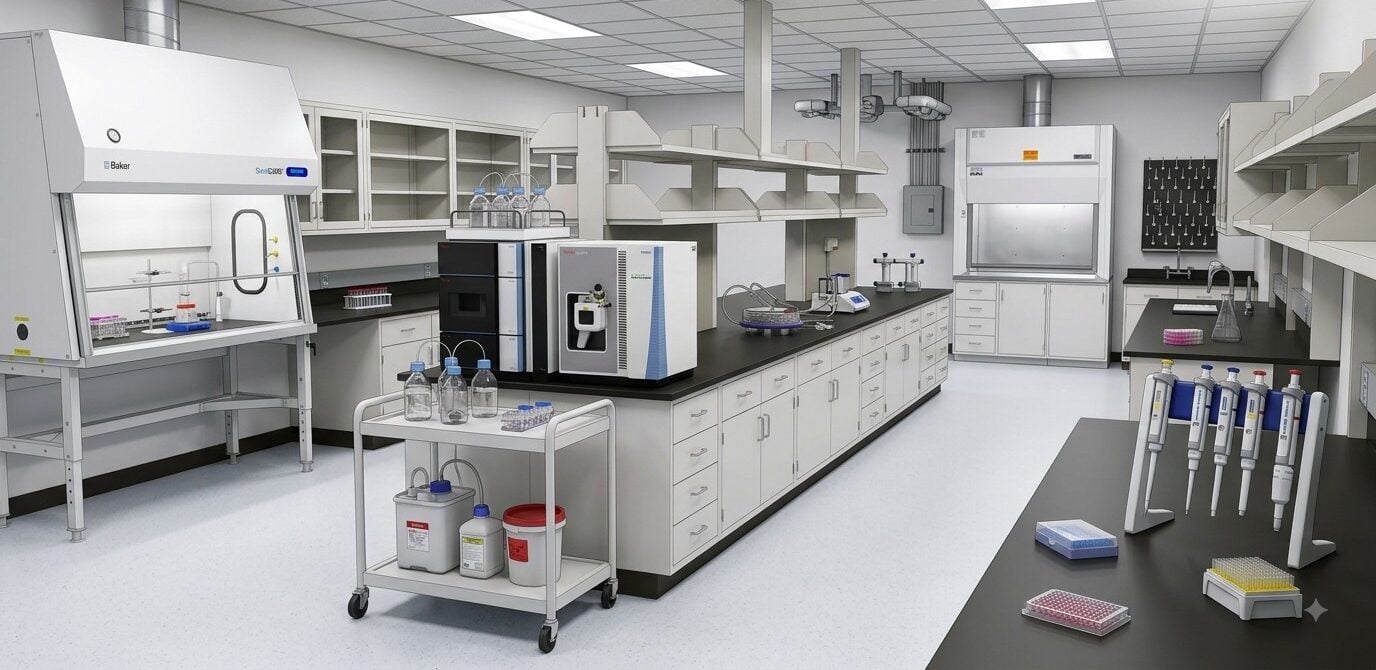
The field of endocrinology is currently undergoing a significant transformation driven by a new generation of laboratory technologies designed to meet the increasing demand for precision, speed, and reproducibility. In an era where the study of hormonal systems is becoming increasingly complex—covering everything from metabolic disorders and reproductive health to the long-term impacts of endocrine disruptors—the margin for error has narrowed to nearly zero. Researchers and clinicians are no longer satisfied with traditional diagnostic methods that may lack the sensitivity required to detect hormones at picogram levels. Consequently, the industry is seeing a rapid shift toward high-sensitivity mass spectrometry, advanced biosafety protocols, and ergonomic liquid handling systems that ensure data integrity while optimizing the productivity of the modern laboratory.
The Critical Role of Precision in Endocrine Research
Endocrinology is uniquely sensitive to laboratory conditions because the biological messengers it studies operate at exceptionally low concentrations. Unlike many other physiological markers, hormones like testosterone, estrogen, and various thyroid-stimulating compounds fluctuate based on circadian rhythms, stress levels, and minute environmental changes. Therefore, the tools used to measure these substances must be capable of distinguishing between chemically similar compounds with absolute certainty.
The evolution of these tools is not merely a matter of convenience; it is a response to the growing global burden of endocrine-related diseases. With the prevalence of diabetes, obesity-related hormonal imbalances, and thyroid dysfunctions on the rise, the pressure on diagnostic and research laboratories to provide faster and more accurate results has never been greater. This necessity has birthed a new standard in laboratory equipment, where "good enough" is being replaced by "absolute precision."

High-Throughput Analytical Power: The Thermo Scientific TSQ Quantis Plus
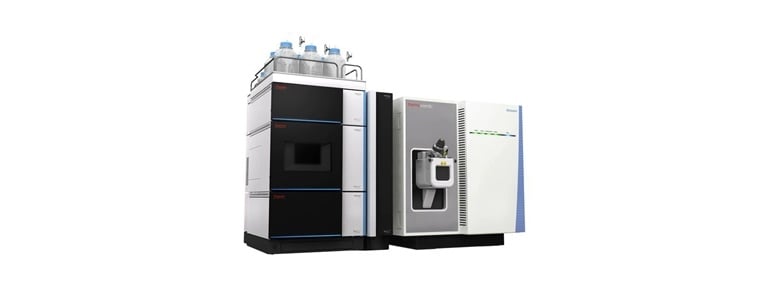
At the forefront of this technological shift is the Thermo Scientific TSQ Quantis Plus Triple Quadrupole Mass Spectrometer. In previous decades, many endocrinology labs relied heavily on immunoassays. While effective, immunoassays often suffer from cross-reactivity, where the test might mistake one steroid for another due to structural similarities. The TSQ Quantis Plus addresses this fundamental challenge by utilizing mass spectrometry to provide a molecular fingerprint of the sample.
Designed specifically for high-throughput environments, the system delivers fast, sensitive, and reliable targeted quantitation. Its advanced Selected Reaction Monitoring (SRM) acquisition speed allows researchers to scan for hundreds of different metabolites and hormones in a single run without losing sensitivity. This is particularly vital in endocrine research, where a single blood sample may need to be analyzed for a full panel of steroids or biomarkers. The broad dynamic range of the TSQ Quantis Plus ensures that both high-abundance and trace-level compounds are measured accurately, reducing the need for sample dilutions or re-runs.
Industry analysts note that the integration of intuitive software and pre-loaded method templates in such systems has democratized mass spectrometry. What was once a tool reserved for specialized physicists is now a mainstay in routine clinical and research labs, enabling seamless Liquid Chromatography-Mass Spectrometry (LC-MS/MS) workflows that support both complex method development and standardized daily testing.
Environmental Control and Safety: The Baker SterilGARD e3
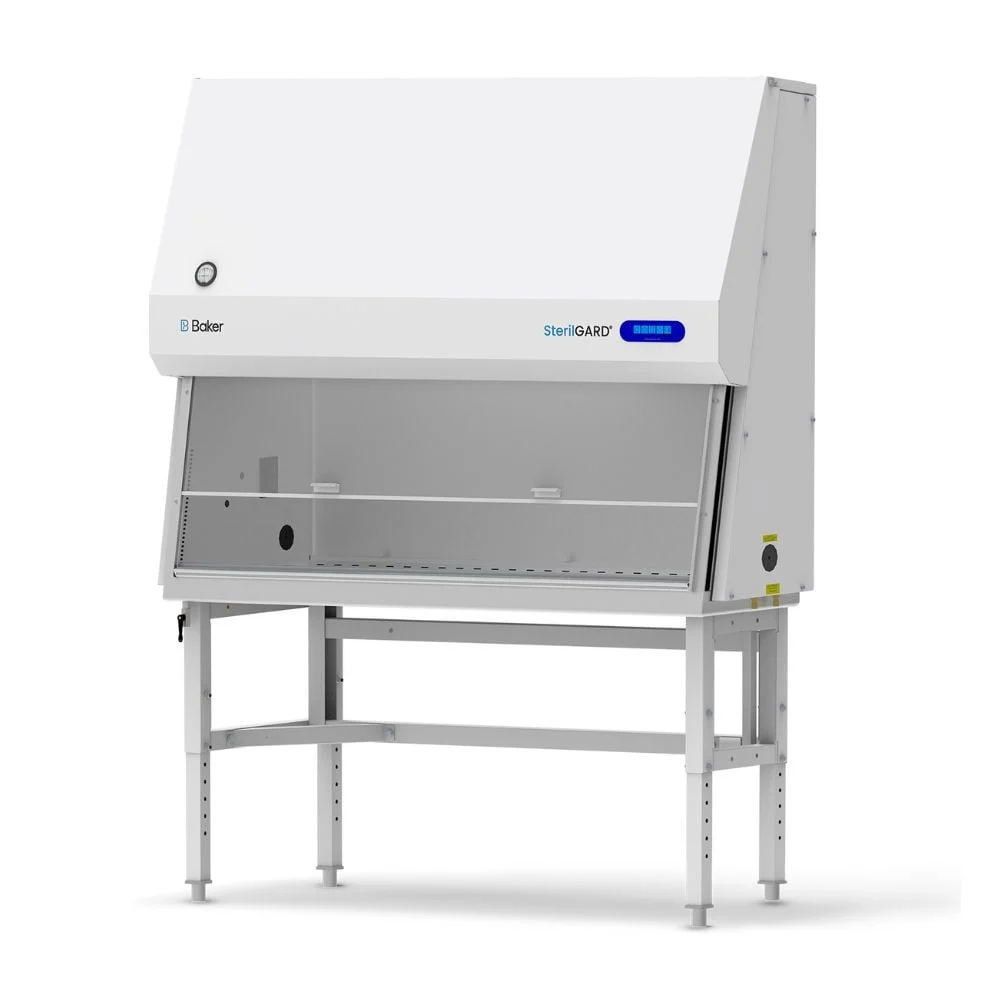
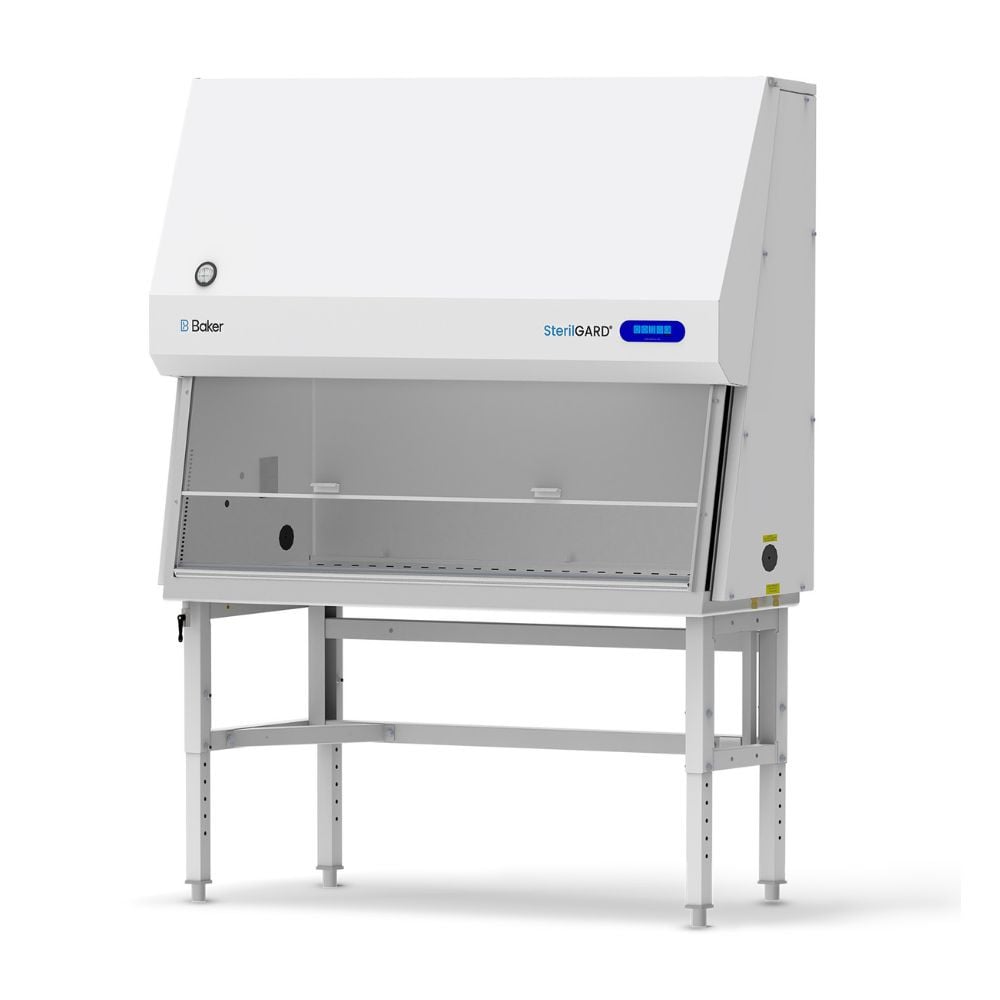
While analytical instruments capture the data, the integrity of that data often begins in the sample preparation phase. The Baker SterilGARD e3 Class II Type A2 Biosafety Cabinet represents a critical advancement in maintaining the sterile environments necessary for endocrine studies, particularly those involving cell culture and regenerative medicine. In endocrinology, researchers often study how specific hormones affect cell growth or gene expression. Contamination by bacteria, fungi, or even cross-contamination between different cell lines can lead to catastrophic data errors and the loss of months of research.
The SterilGARD e3 is engineered to provide a HEPA-filtered environment that protects the researcher, the sample, and the laboratory itself. Its design focuses on "ReadySAFE" technology, which ensures that the cabinet is operating at peak safety levels before work begins. For endocrinology labs, the reduction of airflow turbulence is perhaps the most critical feature. Stable, laminar airflow prevents the movement of particulates that could interfere with sensitive sample preparation, such as the isolation of pancreatic islets or the study of adrenal cell lines. By providing a consistent, controlled environment, these cabinets ensure that the biological responses observed in the lab are due to the experimental variables and not environmental contaminants.
The Human Element: Precision Liquid Handling with Eppendorf
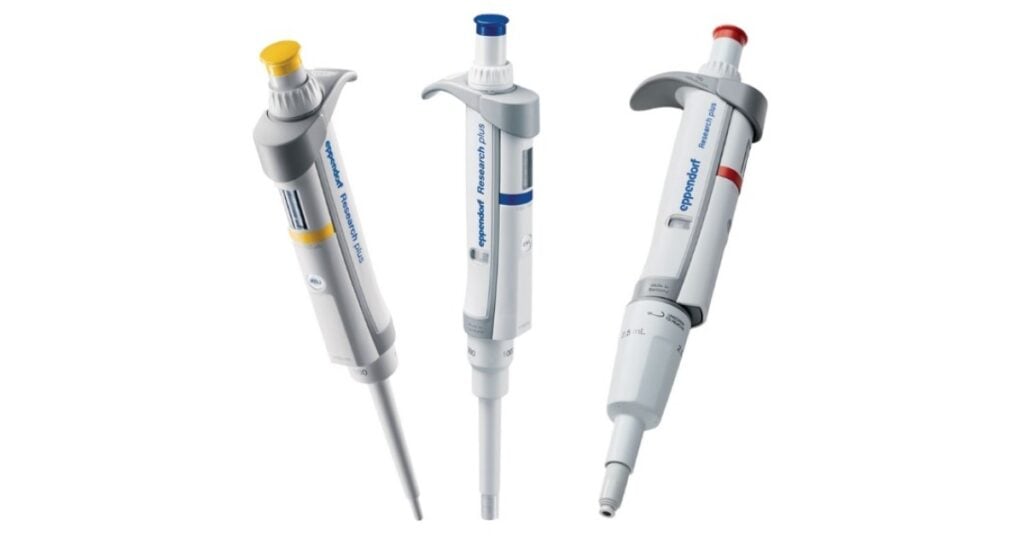
Despite the rise of automation, manual pipetting remains a fundamental task in the laboratory. However, the human element introduces a significant source of variability. The Eppendorf Research Plus Pipette addresses this by focusing on ergonomics and mechanical precision. In endocrine assays, where a deviation of even one microliter can skew a concentration curve, the reliability of a pipette is paramount.
The Research Plus is designed to be lightweight and requires minimal force to operate, which is a direct response to the high rates of Repetitive Strain Injury (RSI) among laboratory professionals. Beyond ergonomics, its construction from advanced materials like Fortron allows it to withstand autoclaving and chemical exposure without losing calibration. This durability is essential for labs performing high-frequency hormone assays or molecular workflows, such as PCR-based studies of endocrine-related gene mutations. The ability to maintain high precision across thousands of repetitions is a key factor in achieving the "reproducible results" that modern scientific journals and regulatory bodies demand.
Infrastructure and Workflow: HEMCO UniLine Modular Lab Furniture
The physical layout of a laboratory is often overlooked, yet it dictates the efficiency of every movement within the workspace. HEMCO’s UniLine Modular Lab Furniture Systems reflect a shift toward "flexible" laboratory design. As research priorities in endocrinology shift—for example, moving from small-molecule research to large-molecule biologics—the physical space must be able to adapt.
Modular systems, including base and wall cabinets, mobile workstations, and configurable countertops, allow labs to be reconfigured without the need for expensive, time-consuming renovations. For a growing endocrinology department, this means the ability to add new mass spectrometry units or biosafety stations with minimal disruption to ongoing studies. The use of high-quality, chemically resistant materials in these furniture systems also ensures longevity in environments where caustic reagents are common. By optimizing the "turnkey" installation of these systems, HEMCO provides a foundation that supports a cohesive, streamlined setup, allowing scientists to focus on their research rather than logistical bottlenecks.
A Chronology of Progress: From Radioimmunoassays to Real-Time Quantitation
To understand the impact of these modern tools, one must look at the chronology of endocrinology lab technology. In the 1960s and 70s, the Radioimmunoassay (RIA) was the gold standard, winning its co-developer Rosalyn Yalow a Nobel Prize. RIA allowed for the measurement of hormones at levels previously thought impossible. However, RIA required the use of radioactive isotopes, which posed safety risks and disposal challenges.
By the 1990s, Enzyme-Linked Immunosorbent Assays (ELISA) became the dominant force, removing the need for radioactivity while maintaining high sensitivity. However, the 21st century has seen the rise of "The Mass Spec Era." The transition from antibody-based detection (ELISA) to mass-based detection (TSQ Quantis Plus) marks a major milestone in the chronology of the field. This shift, combined with the evolution of biosafety (Baker) and ergonomics (Eppendorf), has moved endocrinology from a "discovery" phase into a "precision" phase.
Supporting Data and Market Implications
Recent market data suggests that the global laboratory equipment market is expected to grow significantly over the next five years, with the endocrinology segment being a primary driver. According to industry reports, the demand for high-end analytical instruments like triple quadrupole mass spectrometers is rising at a compound annual growth rate (CAGR) of approximately 7.5%. This growth is fueled by an increase in funding for chronic disease research and a push toward personalized medicine, where hormone profiling is used to tailor treatments to individual patients.
Furthermore, the "cost of poor quality" (COPQ) in clinical labs is a major financial concern. Estimates suggest that laboratory errors can account for up to 70% of medical diagnostic errors. By investing in tools like the Eppendorf Research Plus and the Baker SterilGARD, institutions are effectively implementing a risk-mitigation strategy. The initial capital expenditure on high-quality equipment is offset by the reduction in sample loss, re-testing costs, and potential diagnostic inaccuracies.
Expert Analysis: The Broader Impact on Public Health
The implications of these technological advances extend far beyond the laboratory walls. When endocrinology researchers have access to tools like the TSQ Quantis Plus, they can identify subtle endocrine-disrupting chemicals in the environment that were previously undetectable. This leads to better public health policy and more stringent regulations on industrial pollutants.
In the clinical realm, the speed and accuracy of modern lab tech mean that a patient with a suspected pituitary tumor or an adrenal disorder can receive a definitive diagnosis in days rather than weeks. The ability to perform high-confidence targeted quantitation means that therapeutic drug monitoring for hormone replacement therapies can be more precise, leading to fewer side effects and better patient outcomes.
As the field of endocrinology continues to evolve, the synergy between foundational infrastructure (HEMCO), sample preparation (Baker and Eppendorf), and advanced analysis (Thermo Scientific) will remain the cornerstone of scientific progress. These tools are not just equipment; they are the catalysts for the next generation of medical breakthroughs, ensuring that the data generated today can be trusted to inform the treatments of tomorrow. In a discipline where the smallest variation can change a life, the pursuit of precision is the most important mission of all.