








The historical trajectory of cabbage soup is deeply rooted in practicality and necessity. For centuries, across Eastern Europe, particularly in regions like Russia, Poland, and Ukraine, cabbage soup (known variously as shchi, kapuśniak, or kapustnica) served as a dietary cornerstone, especially during harsh winters. It was a dish born of availability and endurance, utilizing an inexpensive, hardy vegetable that could be stored for long periods. Its preparation was often communal, stretching meager resources to feed families and communities. Over time, as culinary landscapes diversified, cabbage soup, while remaining a comfort food in many cultures, sometimes fell out of favor in mainstream Western cuisine, occasionally being stigmatized by associations with austere, flavorless dieting. However, the current shift towards mindful eating, sustainable food choices, and cost-effective home cooking has paved the way for its modern-day resurgence, moving beyond its historical image to embrace a vibrant, flavorful identity. This particular iteration, with its distinct Italian twist, exemplifies this evolution, shedding any lingering perceptions of blandness by introducing a fresh, acidic profile.

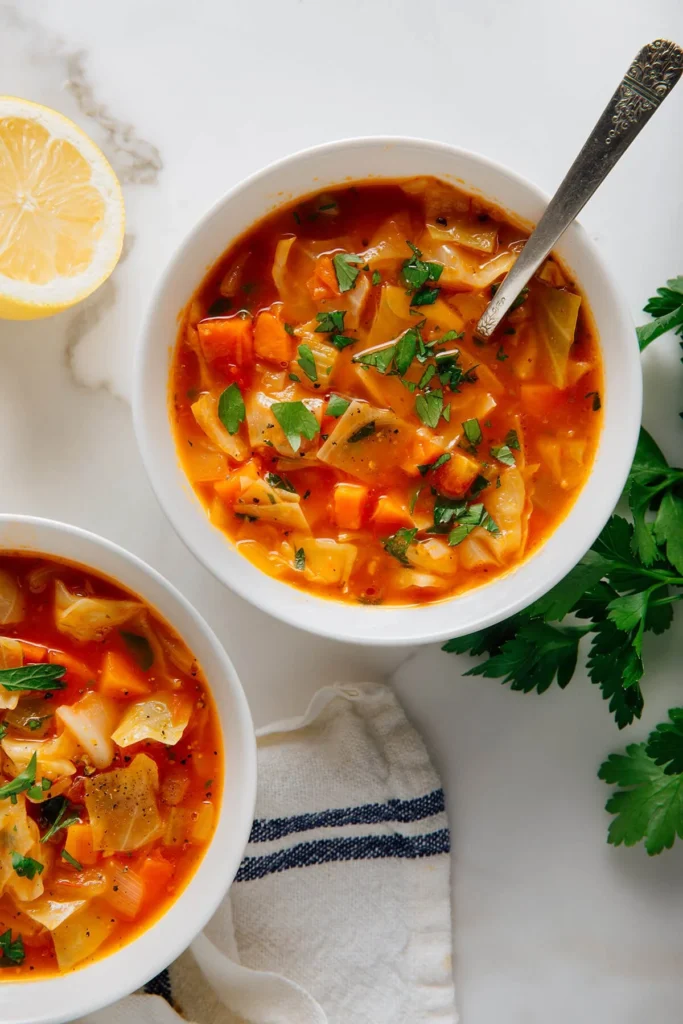
At the heart of this culinary transformation are foundational ingredients that speak to both taste and economy. The recipe commences with a classic Italian soffritto or battuto base: carrots, onion, and celery, meticulously sautéed in a generous drizzle of olive oil until tender. This initial step is crucial, as it builds a rich aromatic foundation, extracting deep, sweet flavors from the vegetables before any liquid is introduced. Following this, fresh garlic and dried oregano are added, infusing the pot with quintessential Mediterranean notes that elevate the soup beyond its rustic origins. The inclusion of these aromatics, while simple, demonstrates a sophisticated understanding of flavor layering, moving the dish from merely nourishing to genuinely delightful.
The star ingredient, green cabbage, then takes center stage. A small head of cabbage, chopped and added to the pot, undergoes a remarkable metamorphosis. As it cooks, it "sweats excess moisture," dramatically reducing in volume and transforming from a crisp, fibrous vegetable into something "silky soft." This textural evolution is key to the soup’s appeal, ensuring a pleasant mouthfeel that complements the liquid broth. The final touches of crushed tomatoes and lemon juice are not merely additions but pivotal flavor architects. The tomatoes contribute a savory depth and natural sweetness, while the lemon juice provides a critical "welcome acidity," acting as a bright counterpoint that prevents the soup from becoming heavy or one-dimensional. This acidic finish is what truly "brings this simple soup to life," creating a vibrant and balanced profile that challenges preconceived notions of cabbage soup.


Beyond its revamped flavor, the primary driver behind cabbage soup’s renewed popularity is its undeniable nutritional prowess. Cabbage, a member of the cruciferous vegetable family alongside broccoli, kale, and Brussels sprouts, is unequivocally a superfood. Its nutritional profile is remarkably dense, offering a wide array of vitamins, minerals, and dietary fiber essential for human health. Notably, it is an excellent source of Vitamin K, vital for blood clotting and bone health, and Vitamin C, a powerful antioxidant that supports immune function. It also provides significant amounts of B vitamins, potassium, manganese, and a host of other micronutrients.
The health benefits extend far beyond basic nutrient provision. Cabbage is celebrated for its potent anti-inflammatory properties, attributed to compounds like sulforaphane and indole-3-carbinol, which have been extensively studied for their role in reducing chronic inflammation, a known contributor to numerous diseases. Its high fiber content, comprising both soluble and insoluble types, is instrumental in promoting digestive health. Soluble fiber aids in regulating blood sugar and cholesterol levels, while insoluble fiber adds bulk to stool, facilitating regular bowel movements and preventing constipation. This dual action supports a healthy gut microbiome, which is increasingly recognized as central to overall well-being. Furthermore, cruciferous vegetables are often highlighted in dietary recommendations for their potential role in cancer prevention, with research suggesting that their unique compounds may help detoxify carcinogens and inhibit tumor growth. From a practical standpoint, cabbage is a champion of accessibility: it is remarkably inexpensive, widely available, and boasts an impressive shelf life, often lasting for weeks when stored correctly in the crisper drawer, making it a reliable and economical choice for consistent healthy eating. Its ease of preparation, from peeling to slicing, further adds to its appeal, yielding a substantial quantity from a single head.

The economic implications of embracing dishes like this cabbage soup are particularly pertinent in today’s global landscape, marked by fluctuating food prices and an increased cost of living. Ingredients such as cabbage, carrots, onions, and celery are consistently among the most affordable produce items, offering high nutritional value at a fraction of the cost of many other vegetables or protein sources. This makes cabbage soup an invaluable tool for households looking to manage their food budgets effectively without compromising on health or flavor. Food economists and public health officials increasingly advocate for the integration of such staple, nutrient-dense vegetables into daily diets as a strategy for enhancing food security and promoting accessible nutrition across socio-economic strata. By prioritizing dishes that maximize the utility of cost-effective ingredients, consumers can build more resilient and sustainable eating habits.
From a public health perspective, the promotion of vegetable-centric recipes like this cabbage soup aligns perfectly with broader dietary guidelines aimed at increasing overall vegetable consumption. Many Western diets remain deficient in essential plant-based nutrients, contributing to a rise in diet-related chronic illnesses. Encouraging the consumption of cruciferous vegetables, in particular, offers a straightforward and enjoyable way to address these nutritional gaps. Nutritionists frequently emphasize that integrating diverse vegetables into meals is paramount for long-term health, and the versatility of cabbage—whether raw in slaws, caramelized when roasted, or tender in soups—makes it an ideal candidate for achieving this goal. "Embracing humble vegetables like cabbage is not just about saving money; it’s about investing in long-term health and enjoying truly delicious, wholesome food," states a hypothetical nutritionist, underscoring the dual benefits.

Integrating this light and healthy cabbage soup into a balanced meal plan requires strategic consideration, as it is primarily a vegetable-dense side dish rather than a standalone complete meal due to its relatively low protein and calorie content. Culinary experts suggest treating it as a vibrant accompaniment that can lighten a heavier main course or round out a protein-based dish. For instance, pairing it with a hearty, protein-rich salad, such as a Farro and Kale Salad with Goat Cheese, creates a satisfying soup-and-salad combination. The soup also harmonizes beautifully with classic comfort foods, serving as a fresh counterpoint to a Favorite Grilled Cheese Sandwich or alongside a cheesy pizza, whether a traditional Ultimate Veggie Pizza or a more gourmet Butternut Squash Pizza with Arugula-Pepita Pesto.
For those adhering to specific dietary preferences, this recipe holds particular appeal. As written, the soup is entirely vegan, dairy-free, egg-free, gluten-free, and nut-free, making it an inclusive option for a wide range of dietary needs and allergies. To transform it into a more substantial vegan meal, one can easily incorporate a can of rinsed and drained chickpeas, adding a crucial protein boost and enhancing its satiety. This versatility further cements its status as a modern culinary staple, adaptable to various lifestyles and culinary pairings, from Hummus Quesadillas to a Best Vegan Lasagna for a complete plant-based feast. For a wintery vegetarian brunch or lunch, serving it alongside a Butternut Squash Frittata with Fried Sage offers a delightful and wholesome combination.

The renewed appreciation for cabbage soup signals a broader trend in gastronomy: a return to foundational ingredients, an emphasis on health and sustainability, and a creative reimagining of traditional dishes. This particular Italian-inspired cabbage soup exemplifies how a humble vegetable can be elevated through thoughtful preparation and judicious seasoning, providing a delicious, economical, and nutritionally robust option for any meal. Its evolution from a basic survival food to a celebrated component of contemporary healthy eating underscores the enduring power of simple ingredients and the innovative spirit of modern cooking. As consumers continue to prioritize well-being and smart budgeting, dishes like this vibrant cabbage soup are poised to remain at the forefront of culinary conversations, proving that wholesome eating can indeed be both accessible and profoundly satisfying.