









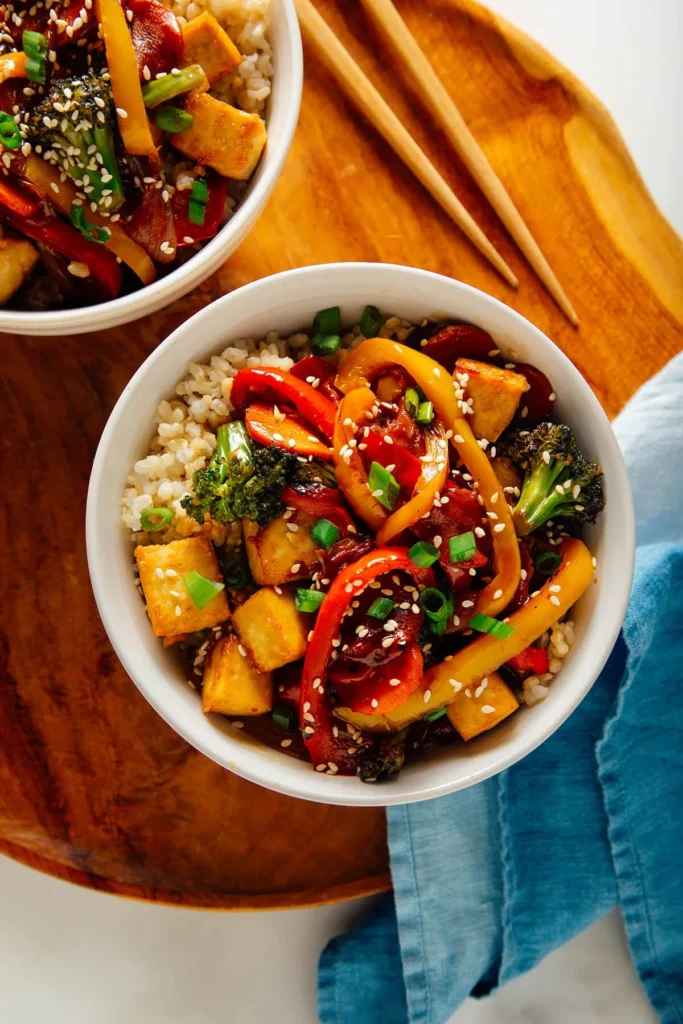
The culinary landscape for home cooks is undergoing a significant transformation, marked by the emergence of adaptable cooking techniques that demystify complex dishes and prioritize accessibility without compromising flavor or nutritional value. A prime example of this evolution is the increasingly popular vegetable stir-fry method, championed by various culinary platforms, which deftly bypasses the traditional requirements of a high-heat wok for a more conventional large skillet. This innovative approach, designed for everyday kitchens, yields perfectly fork-tender, seared vegetables enveloped in a savory, glossy sauce, offering a vibrant, healthy alternative to conventional takeout and a versatile foundation for diverse meals.
The Historical Tapestry of Stir-Frying and Its Modern Adaptation
Stir-frying, a cooking technique with roots deeply embedded in Chinese culinary history, emerged centuries ago as a practical method for rapidly cooking food over high heat, primarily to conserve fuel. The traditional approach, known as chǎo (炒), involves tossing ingredients quickly in a pre-seasoned wok over an intense flame, a process that imparts a distinctive smoky aroma and flavor known as wok hei (鍋氣) or "breath of the wok." Achieving true wok hei and mastering the rapid movements required for consistent cooking demands significant practice, specialized equipment (a large wok with a powerful burner), and a degree of skill often beyond the reach of the average home cook.

For many Western kitchens, the high heat, specialized woks, and potential for smoke associated with traditional stir-frying present considerable barriers. Standard home stovetops often lack the BTU output necessary to maintain the extreme temperatures required, leading to vegetables that steam rather than sear, resulting in a less desirable texture. Furthermore, the smoke generated by oil cooking at such high temperatures can easily trigger residential smoke detectors, detracting from the home cooking experience. These challenges have long limited the widespread adoption of authentic stir-fry techniques in non-specialized settings, pushing many towards pre-made sauces and less dynamic cooking methods.
An Ingenious Solution for the Contemporary Kitchen
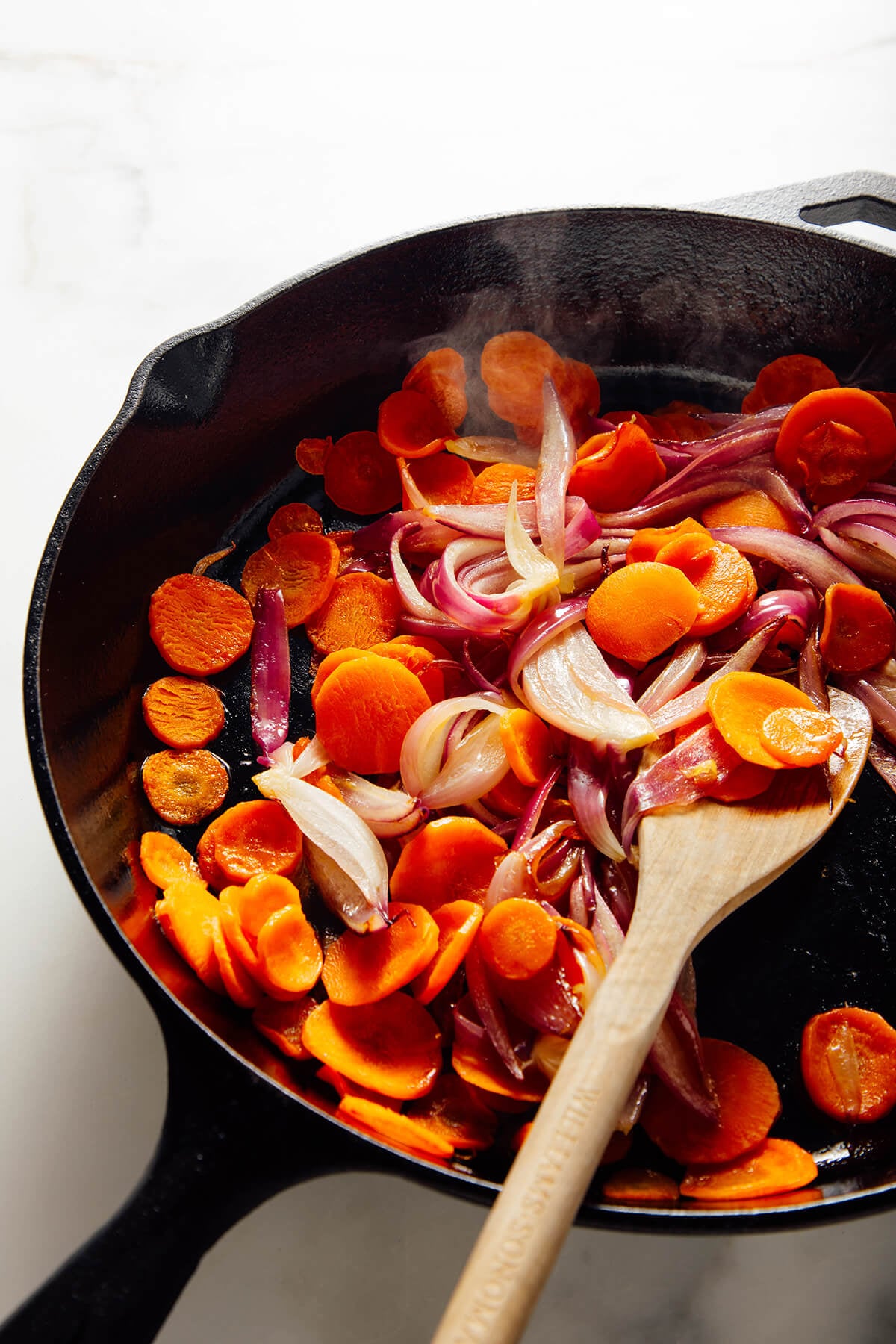
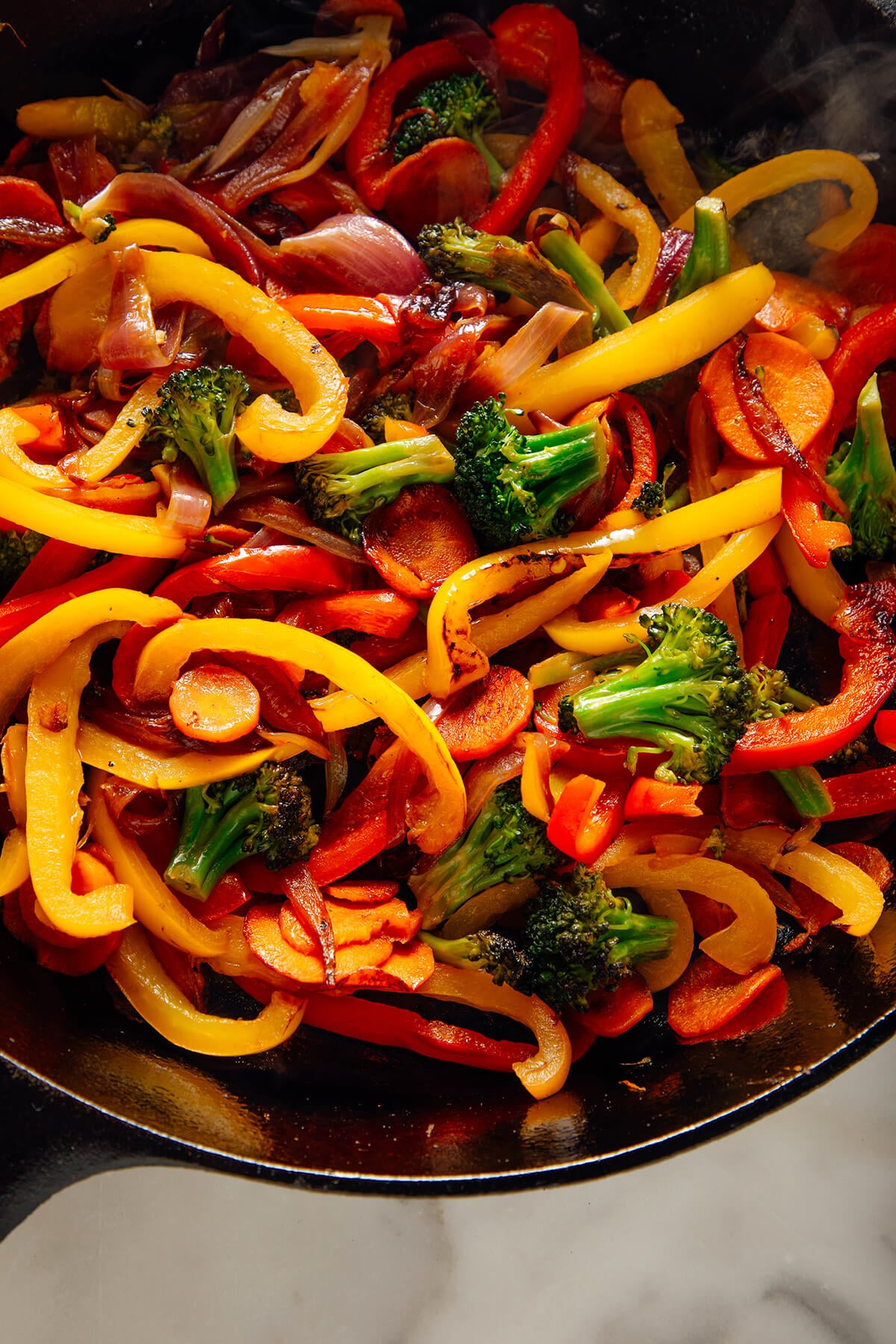
Recognizing these limitations, culinary innovators have developed adapted stir-fry techniques that deliver comparable results using standard kitchen equipment. The method gaining traction involves utilizing a large skillet—preferably cast iron or stainless steel for optimal heat retention and distribution—over medium-high heat. The critical deviation from tradition lies in a brief, strategic steaming phase, achieved by covering the pan after the initial searing of vegetables. This allows the vegetables to cook through without burning, creating a tender interior while still developing desirable browned surfaces. This two-stage cooking process—initial searing followed by a covered steam—mimics aspects of professional cooking by controlling moisture and heat more effectively in a domestic environment.
This adapted technique draws parallels with other successful home-cooking innovations, such as methods for achieving perfectly cooked fajita vegetables in a skillet. By embracing the capabilities of common kitchenware and understanding the principles of heat transfer and moisture control, home cooks can now achieve textures and flavors previously thought exclusive to specialized setups. The result is vegetables that are simultaneously tender-crisp and beautifully seared, offering a superior culinary experience compared to merely steamed or soggy alternatives.
The Science of Flavor and Texture in the Adapted Stir-Fry
The success of this skillet-based stir-fry method is rooted in fundamental culinary science. The initial medium-high heat phase in an uncovered skillet allows for the Maillard reaction to occur, leading to the desirable browning and complex flavor development on the surface of the vegetables. This non-enzymatic browning reaction, involving amino acids and reducing sugars, is responsible for the rich, savory notes and appealing aroma that characterize well-cooked vegetables. Without sufficient initial heat, vegetables would release too much water, boiling rather than searing, and failing to develop these crucial flavors.
The subsequent covering of the pan traps steam, effectively creating a brief steaming environment. This steam rapidly cooks the interior of the vegetables, ensuring they become fork-tender while retaining a slight crispness. This controlled steaming prevents the vegetables from overcooking and becoming mushy, a common pitfall in less precise stir-fry methods. The rapid, sequential application of dry heat (searing) and moist heat (steaming) ensures both surface browning and thorough cooking, striking a balance that produces a superior texture.
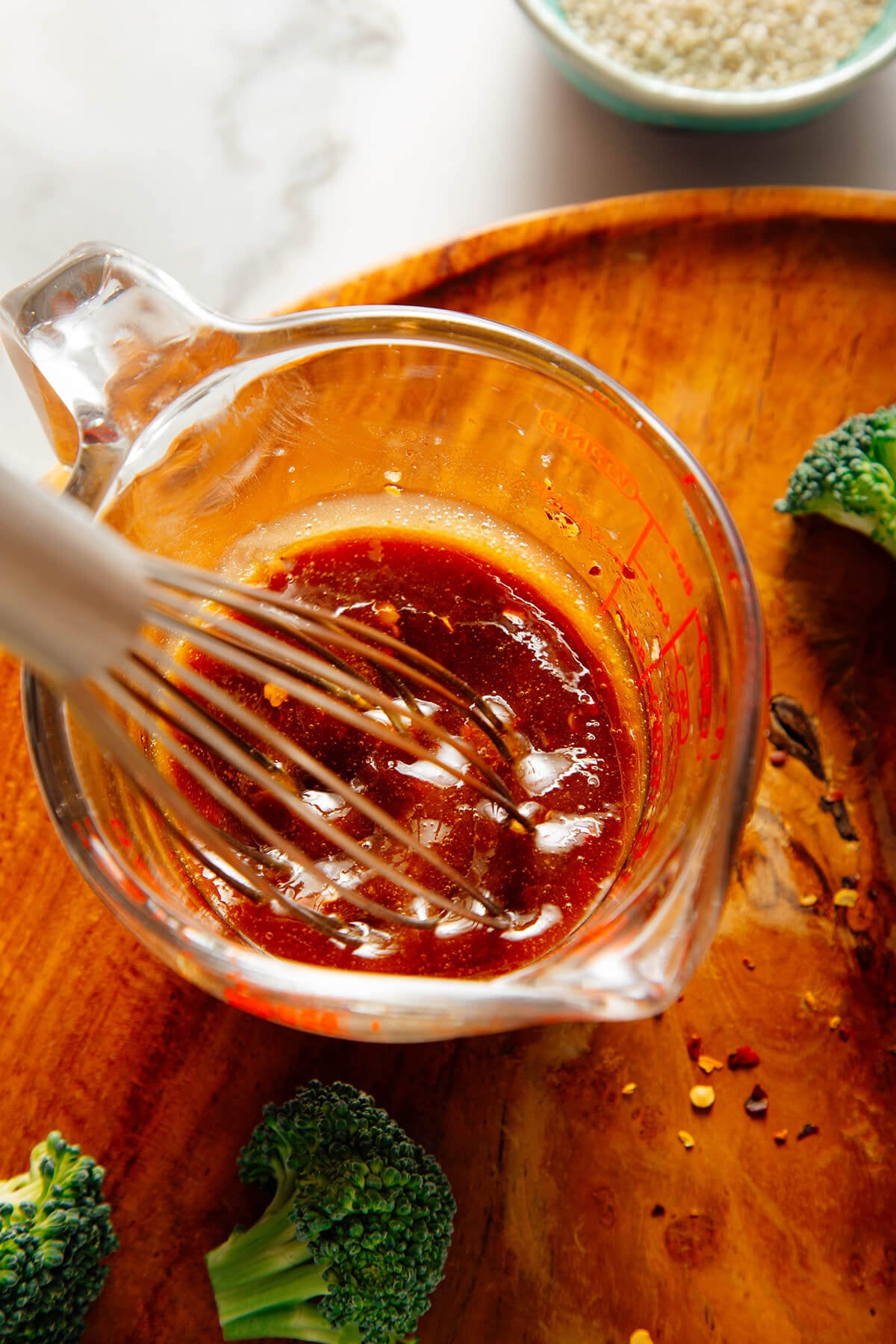
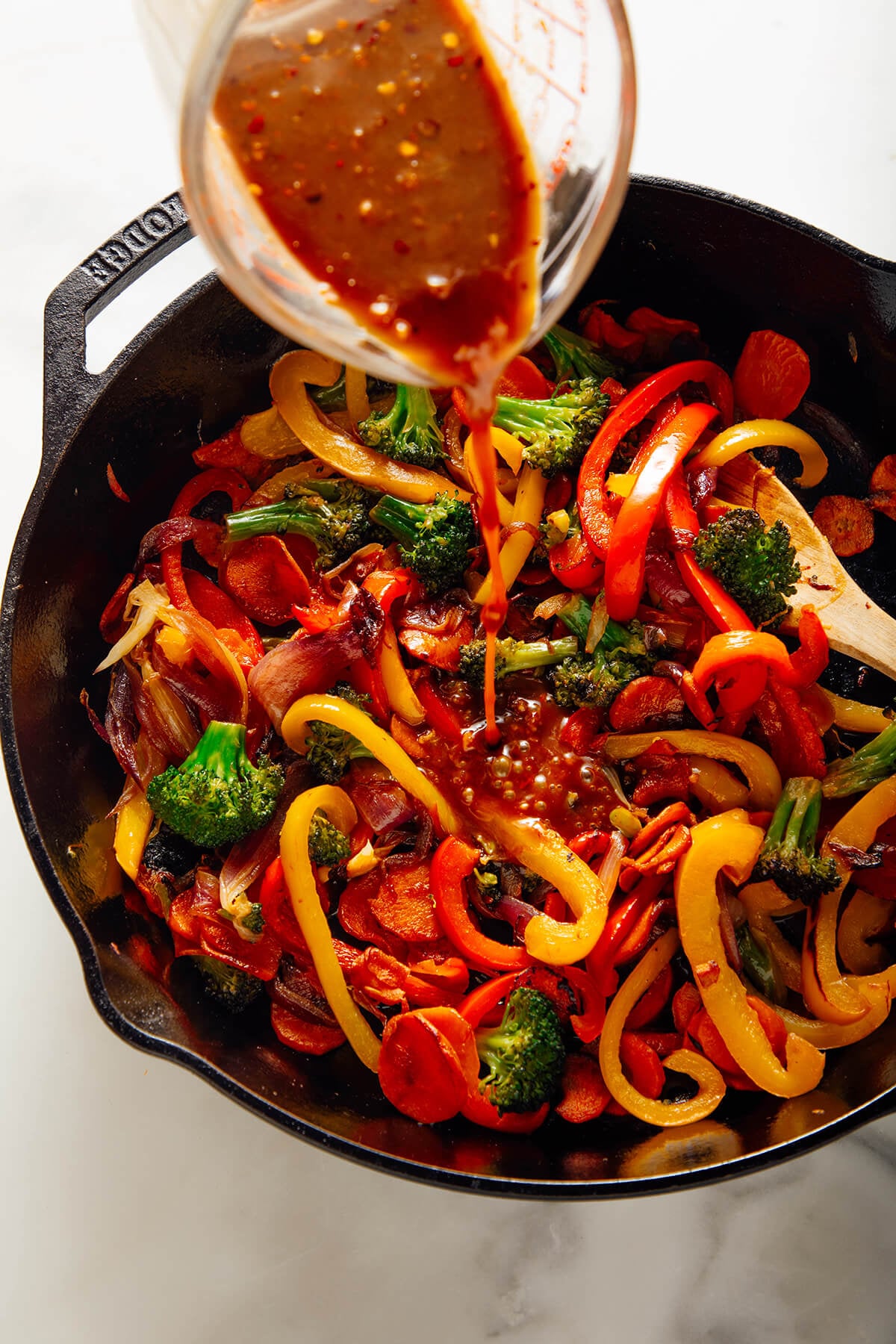
The accompanying glossy sauce, often leaning savory rather than overly sweet, plays a vital role in unifying the dish. Typically composed of ingredients like tamari or soy sauce, ginger, garlic, a touch of sweetener, and a thickener like cornstarch, the sauce is added at the end, coating the cooked vegetables and creating a cohesive, flavorful finish. The cornstarch, when heated, gelatinizes and thickens the liquid, allowing it to cling to the vegetables, enhancing both flavor delivery and visual appeal. This controlled application ensures the sauce contributes to the dish without making the vegetables watery or masking their natural flavors.
Nutritional Superiority and Health Implications
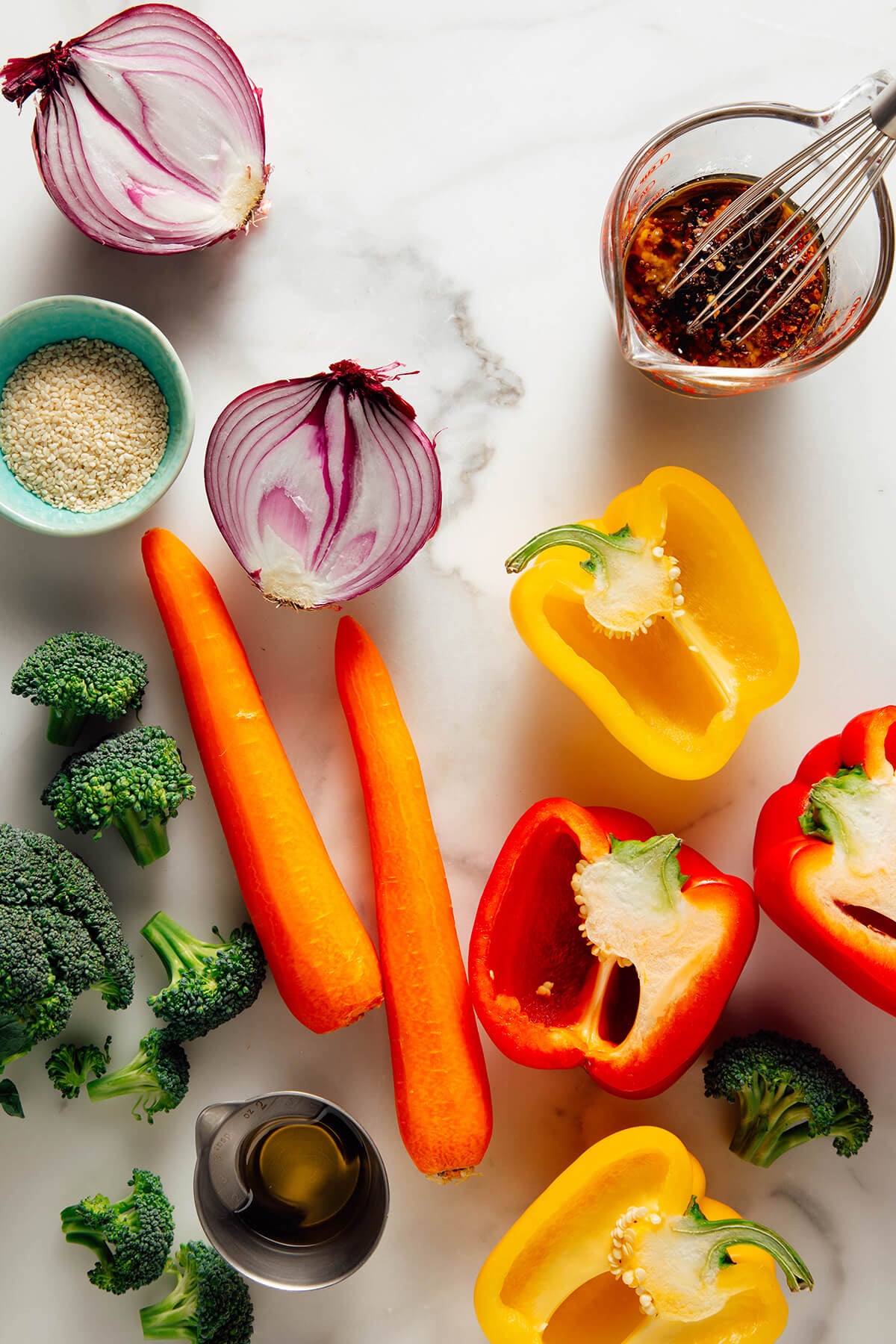
A significant advantage of this home-prepared vegetable stir-fry is its profound nutritional benefit compared to many takeout options. A typical stir-fry, featuring a vibrant array of vegetables like broccoli, bell peppers, carrots, and red onion, provides a rich source of essential vitamins, minerals, and dietary fiber. Broccoli is renowned for its Vitamin C, Vitamin K, and sulforaphane content, a powerful antioxidant. Bell peppers contribute significantly to Vitamin C and Vitamin A, while carrots are an excellent source of beta-carotene, crucial for vision and immune function. Red onions add quercetin and other antioxidants.
By preparing stir-fry at home, individuals gain complete control over ingredients, allowing for healthier oil choices (e.g., sesame oil, avocado oil), reduced sodium levels, and the omission of artificial additives often found in commercial sauces. A 2022 study published in the Journal of the Academy of Nutrition and Dietetics highlighted that individuals who frequently cook meals at home tend to consume fewer calories, less fat, and less sugar overall, leading to better weight management and reduced risk of chronic diseases. The estimated nutritional data for a typical vegetable stir-fry often shows it to be low in saturated fat and cholesterol, while being calorie-efficient and nutrient-dense, especially when paired with whole grains like brown rice and lean proteins.
Furthermore, the adaptability of this dish makes it suitable for various dietary needs. It can be easily prepared to be vegan, gluten-free (using tamari instead of soy sauce), nut-free, and dairy-free, making it an inclusive option for diverse households. This level of customization is rarely available in pre-made or restaurant versions, underscoring the health advantage of home preparation.
Versatility: Seasonal Adaptations and Meal Integration
The inherent flexibility of the vegetable stir-fry recipe is one of its most compelling attributes. While a combination of broccoli, bell pepper, carrot, and red onion offers a classic, visually appealing, and nutritionally robust base, the recipe actively encourages seasonal variations. This not only keeps the dish fresh and exciting but also promotes the consumption of locally sourced produce, supporting regional agriculture and potentially reducing the carbon footprint associated with food transportation.
For instance, in spring, ingredients like asparagus, snap peas, and bok choy can be incorporated. Summer harvests might feature zucchini, green beans, or corn. Fall lends itself to heartier vegetables such as Brussels sprouts, sweet potatoes (cut into small cubes), or even thinly sliced cabbage. Winter options could include kale, collard greens, or parsnips. The only consistent recommendation is to retain the aromatic foundation provided by ingredients like red onion, garlic, and ginger, which are crucial for the overall flavor profile.
While the technique is adaptable to many vegetables, some caution is advised. For example, some experts suggest that very watery vegetables or those with unique textures like mushrooms might not benefit optimally from the initial steaming phase and may be better suited to traditional high-heat wok cooking or cooked separately to prevent excessive moisture release. This highlights the importance of understanding vegetable characteristics when experimenting with adaptations.
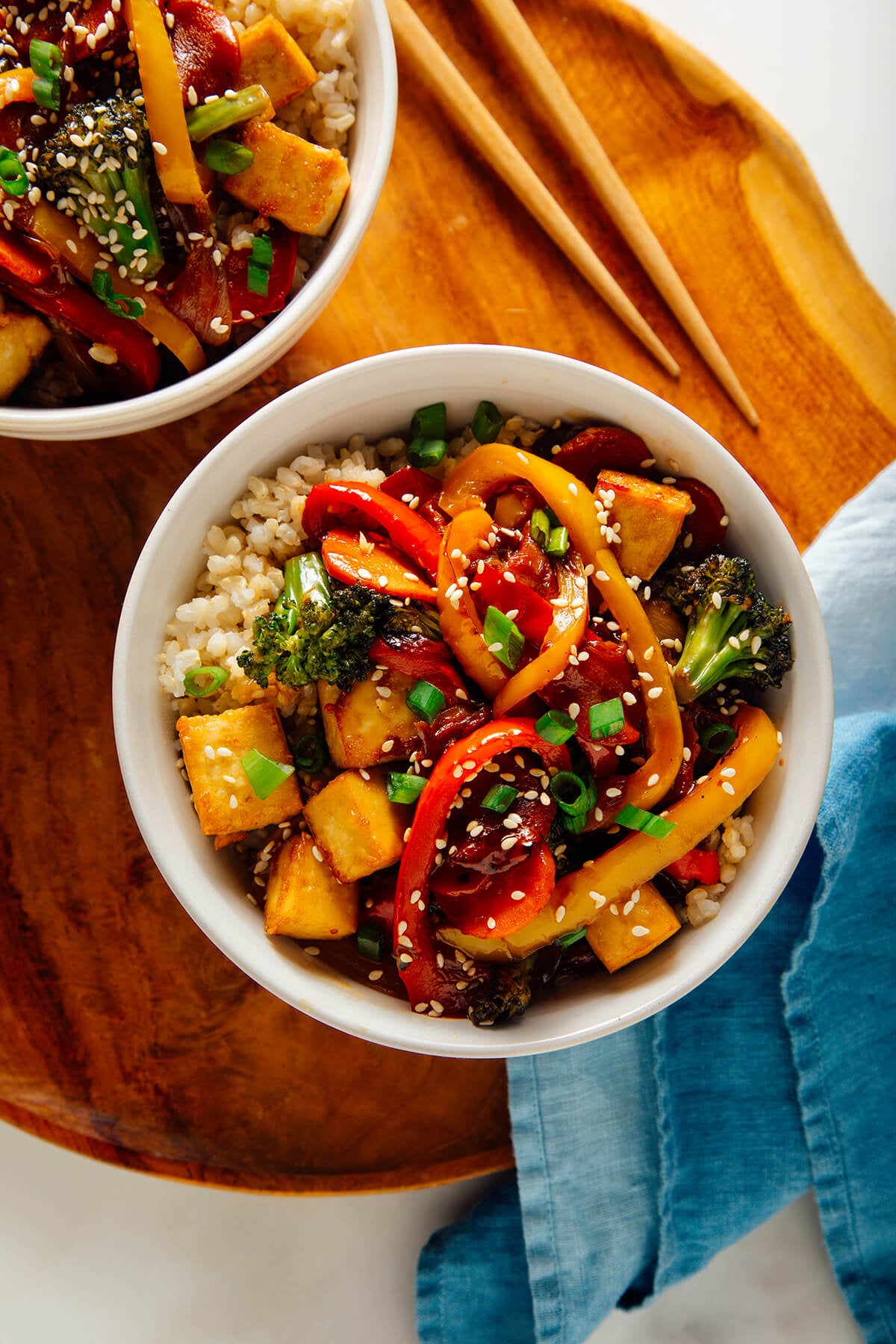
Beyond its vegetable flexibility, the stir-fry offers remarkable serving versatility. It functions excellently as a standalone side dish, adding color and nutrients to any meal. However, it effortlessly transforms into a complete main course when paired with complementary elements. Serving it over fluffy brown rice provides complex carbohydrates and additional fiber. The addition of protein, such as crispy baked tofu, adds a satisfying vegetarian component. For those who consume eggs, fried or scrambled eggs can provide a quick and easy protein boost. Other protein choices, including chicken, shrimp, or beef (cooked separately and added at the end), further expand its mealtime potential.
The Economic and Environmental Case for Home Stir-Frying
The shift towards home-cooked stir-fries also carries significant economic and environmental implications. From an economic standpoint, preparing meals at home is almost invariably more cost-effective than regularly purchasing takeout or dining out. The bulk purchase of fresh vegetables and pantry staples like soy sauce and oil generally results in a lower per-serving cost. This financial benefit is particularly relevant in periods of economic strain, where household budgets are tightly managed.
Environmentally, home cooking, especially when utilizing seasonal and local produce, can lead to a reduced ecological footprint. It often minimizes packaging waste associated with takeout containers and delivery services. Furthermore, by actively choosing seasonal ingredients, consumers indirectly support sustainable farming practices and reduce the energy consumption involved in transporting out-of-season produce from distant regions. This aligns with a growing global consciousness regarding food sustainability and responsible consumption.
The Broader Impact: Fostering Culinary Confidence and Health
The popularization of accessible cooking methods like this adapted stir-fry is part of a larger trend towards demystifying cooking and fostering greater culinary confidence among home cooks. In an era where many individuals feel intimidated by elaborate recipes or lack the time for extensive meal preparation, straightforward yet effective techniques are invaluable. Culinary educators and food bloggers frequently highlight the importance of approachable recipes in encouraging more people to cook from scratch, thereby improving public health outcomes and food literacy.
Nutritionists consistently advocate for increased vegetable intake, and recipes that make vegetables appealing and easy to prepare are crucial tools in achieving this goal. By offering a delicious, healthy, and convenient way to consume a wide variety of vegetables, this stir-fry method directly contributes to public health initiatives promoting balanced diets.
The timeline of home cooking evolution has seen continuous adaptation. From early agrarian societies relying on simple, hearth-based cooking, through the industrial revolution that brought processed foods and convenience, to the modern era’s renewed emphasis on fresh, whole ingredients, the core need for practical, nourishing meals remains. The rise of digital platforms and food blogs has played a pivotal role in disseminating these innovative techniques, creating a global community of home cooks sharing knowledge and inspiration. This digital democratization of culinary knowledge is accelerating the adoption of methods that balance traditional flavors with modern convenience.
Future Outlook and Conclusion
The future of home cooking appears increasingly to lie in the intersection of tradition and innovation. Techniques that respect the essence of classic dishes while adapting them to contemporary lifestyles and kitchen capabilities are poised for continued growth. The accessible vegetable stir-fry method stands as a testament to this principle, demonstrating that delicious, healthy, and authentic flavors can be achieved without specialized equipment or extensive culinary training.
By offering a practical solution for preparing vibrant, nutritious meals, this adapted stir-fry technique not only empowers individuals to take control of their dietary health but also fosters a deeper engagement with the culinary process. It signifies a positive shift towards more mindful eating, greater food independence, and a broader appreciation for the simple yet profound pleasure of a freshly prepared meal, all achievable within the confines of a standard home kitchen. This development underscores an ongoing commitment within the culinary world to make healthy, flavorful cooking accessible to everyone, one skillet at a time.