

The persistent challenge of reducing belly fat, particularly the more dangerous visceral fat, remains a significant health concern for many individuals worldwide. While exercise is undeniably a critical component of any weight management strategy, a comprehensive understanding of dietary choices stands paramount. In a recent disclosure, Tara Collingwood, MS, RDN, CSSD, LD/N, ACSM-CPT, widely recognized as "The Diet Diva" and co-author of Flat Belly Cookbook for Dummies, unveiled her expert recommendations for everyday foods that can significantly contribute to shrinking abdominal fat. Collingwood, a Board-Certified Sports Dietitian with extensive experience in nutrition and fitness, emphasizes that while no single food is a magic bullet, integrating specific nutrient-dense options into a balanced diet can profoundly impact fat loss around the midsection. This expert insight provides a practical, evidence-based roadmap for individuals aiming to improve their metabolic health and achieve a leaner physique.
Understanding Belly Fat and Its Health Implications
Before delving into specific food recommendations, it is crucial to understand the nature of belly fat. Abdominal fat exists in two primary forms: subcutaneous fat, which lies just beneath the skin, and visceral fat, which surrounds internal organs. While both can contribute to an enlarged waistline, visceral fat is metabolically active and poses greater health risks. Accumulation of visceral fat is strongly linked to an increased risk of chronic diseases, including type 2 diabetes, heart disease, certain cancers, and metabolic syndrome. It actively secretes inflammatory compounds and hormones that can negatively impact blood sugar regulation, cholesterol levels, and blood pressure. Therefore, dietary interventions aimed at reducing belly fat are not merely cosmetic but are fundamental for long-term health and disease prevention. The foods recommended by Collingwood are chosen for their ability to combat inflammation, regulate blood sugar, promote satiety, and support overall metabolic function, directly addressing the physiological mechanisms behind fat accumulation.
The Seven Everyday Foods for Belly Fat Reduction

Collingwood’s recommendations focus on readily available, versatile foods that can be easily incorporated into daily meals. Each selection offers a unique profile of nutrients and bioactive compounds that contribute to fat loss and improved health.
1. Avocados: The Power of Monounsaturated Fats
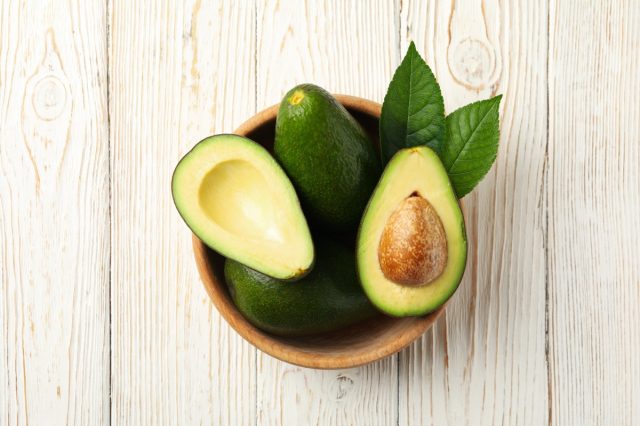
Avocados top Collingwood’s list, lauded for their rich content of monounsaturated fatty acids (MUFAs). "Loaded with healthy fats (monounsaturated), avocados help regulate blood sugar, reduce cravings, and keep you feeling full longer, aiding in belly fat reduction," Collingwood states. This assertion is strongly supported by nutritional science. MUFAs, particularly oleic acid, have been shown to help manage appetite by signaling satiety to the brain, thereby reducing overall caloric intake. Furthermore, studies published in journals like Diabetes Care have indicated that diets rich in MUFAs can help prevent abdominal fat distribution and improve insulin sensitivity, a key factor in preventing fat storage around the waist.
Beyond MUFAs, avocados are an excellent source of dietary fiber, with a medium avocado providing approximately 10 grams. Fiber plays a crucial role in digestive health, promoting regularity and contributing to a feeling of fullness. This dual action of healthy fats and fiber makes avocados a powerful ally in weight management. They also contain a plethora of vitamins and minerals, including potassium, vitamin K, vitamin C, vitamin B6, and folate, all essential for various bodily functions and metabolic efficiency.
Incorporating avocados into one’s diet is simple and versatile. They can be sliced into salads, mashed into guacamole or avocado toast, blended into smoothies for a creamy texture, or even served as a simple side dish with eggs or grilled proteins. However, due to their calorie density (approximately 240 calories per medium avocado), portion control is advised. A typical serving might be one-quarter to one-half of an avocado, ensuring the benefits are reaped without excessive caloric intake.
2. Eggs: Protein Powerhouse for Metabolism
Eggs, a breakfast staple for many, are highlighted by Collingwood as a superb choice for weight loss due to their high-quality protein content. "Packed with high-quality protein, eggs promote satiety, stabilize blood sugar, and help your body burn more calories for digestion (the thermic effect of food)," she explains. This statement underscores several key mechanisms. Protein is known to be the most satiating macronutrient, meaning it keeps individuals feeling full for longer periods compared to carbohydrates or fats, thus reducing subsequent caloric intake.
The "thermic effect of food" (TEF) refers to the energy expended by the body to digest, absorb, and metabolize nutrients. Protein has a significantly higher TEF than carbohydrates or fats, meaning a larger percentage of its calories are burned during digestion. This metabolic boost, however small, contributes to a greater overall calorie expenditure. A study published in the Journal of the American College of Nutrition found that consuming eggs for breakfast could enhance weight loss in overweight individuals following a calorie-restricted diet.
Moreover, eggs are a nutritional powerhouse, providing essential amino acids, vitamins D and B12, choline (crucial for brain health and fat metabolism), and selenium. While eggs do contain fat and cholesterol, modern nutritional science generally agrees that dietary cholesterol has less impact on blood cholesterol levels for most healthy individuals than previously thought. To manage caloric and fat intake while maximizing protein, Collingwood suggests mixing whole eggs with egg whites. This strategy allows for increased protein volume without significantly increasing the overall calorie count, making eggs an adaptable food for various dietary needs.
3. Berries: Antioxidant-Rich Fiber Boosters
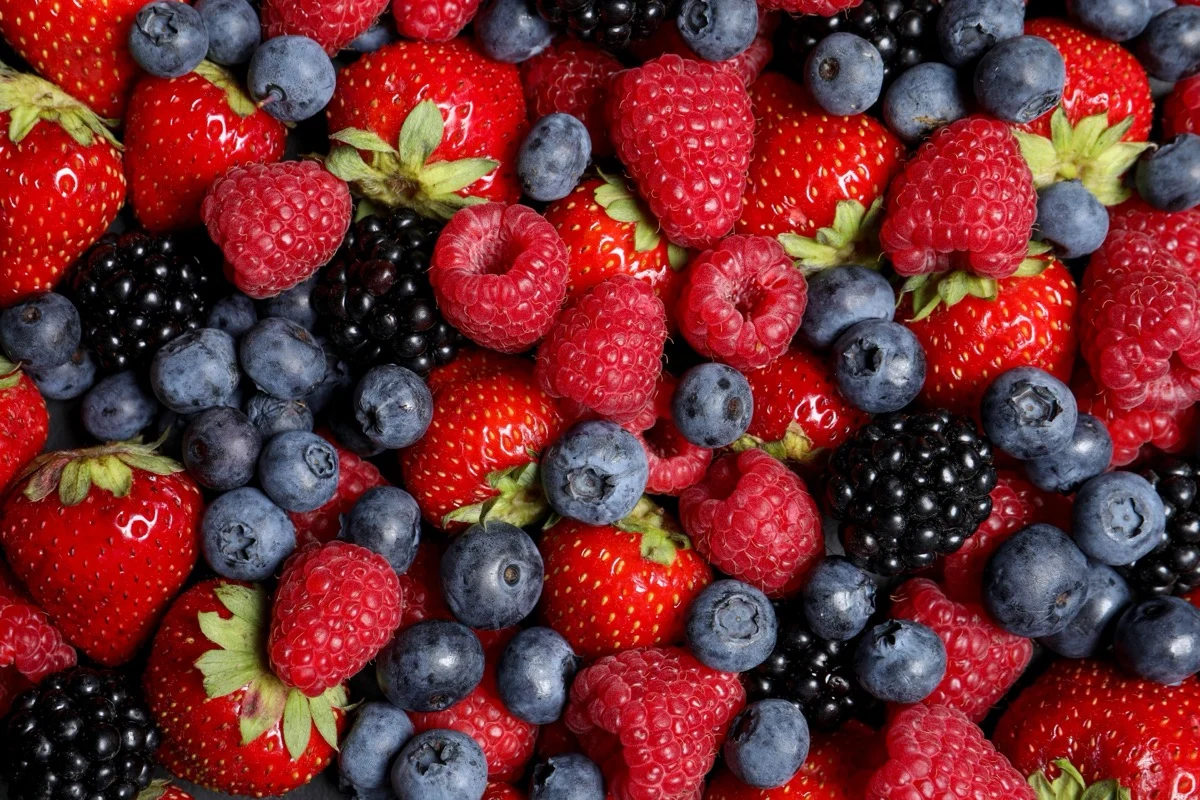
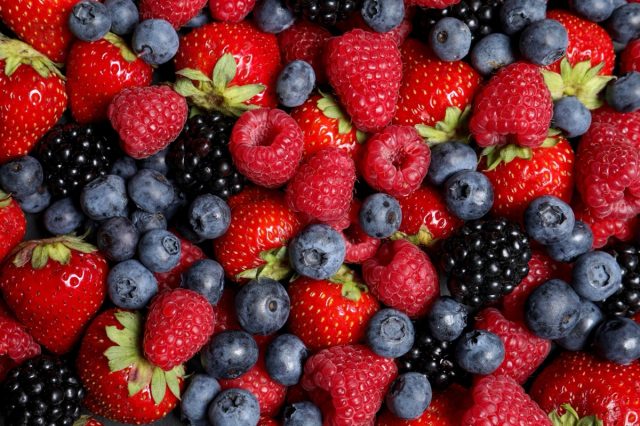
Berries, including blueberries, strawberries, and raspberries, are another excellent food for shrinking belly fat, according to Collingwood. "Berries are low in calories and high in fiber and antioxidants, which fight inflammation and support fat loss, especially around the belly," she states. This emphasizes their dual benefit: caloric efficiency and potent anti-inflammatory properties.
Chronic inflammation is increasingly recognized as a contributing factor to visceral fat accumulation and insulin resistance. The high concentration of antioxidants, such as anthocyanins (which give berries their vibrant colors), flavonoids, and vitamin C, helps neutralize free radicals and reduce oxidative stress throughout the body. By mitigating inflammation, berries can indirectly support a healthier metabolic environment conducive to fat loss.
Their high fiber content (e.g., raspberries boast about 8 grams of fiber per cup) aids in digestive health, promotes satiety, and helps regulate blood sugar levels, preventing the spikes and crashes that can lead to cravings and overeating. Furthermore, berries have a relatively low glycemic index, meaning they cause a slower, more gradual rise in blood sugar, which is beneficial for weight management and overall health.

Berries are incredibly versatile and delicious. They can be enjoyed fresh or frozen, as a standalone snack, added to yogurt, oatmeal, or cereal, or blended into nutrient-rich smoothies. Their natural sweetness can also satisfy cravings for sugary treats, making them a healthier alternative.
4. Olive Oil: The Mediterranean Secret to Healthy Fats
Olive oil, particularly extra virgin olive oil (EVOO), is a cornerstone of the Mediterranean diet and is championed by Collingwood for its fat-burning potential despite being a fatty food. It’s a "healthy fat that helps control appetite and supports fat metabolism," she notes. "A drizzle on salads or in cooking can make a difference without overloading calories."
EVOO is predominantly composed of MUFAs, similar to avocados, which contribute to satiety and improved metabolic health. Beyond MUFAs, EVOO is rich in polyphenols, powerful antioxidants and anti-inflammatory compounds that protect against cellular damage and may reduce the risk of chronic diseases. The anti-inflammatory effects of EVOO can also play a role in reducing visceral fat, as chronic inflammation is often linked to its accumulation.
Research, including studies on the Mediterranean diet, consistently shows a correlation between regular consumption of olive oil and improved cardiovascular health, better blood sugar control, and favorable body composition, including reduced abdominal adiposity. The fats in olive oil also facilitate the absorption of fat-soluble vitamins (A, D, E, K) from other foods, enhancing the nutritional value of meals.
While beneficial, olive oil is calorie-dense (about 120 calories per tablespoon), so mindful consumption is key. It’s best used in moderation for dressing salads, drizzling over cooked vegetables, or light sautéing rather than deep-frying. Opting for extra virgin olive oil ensures the highest concentration of beneficial compounds, as it is minimally processed.
5. Nuts: Nutrient-Dense Snacking for Satiety
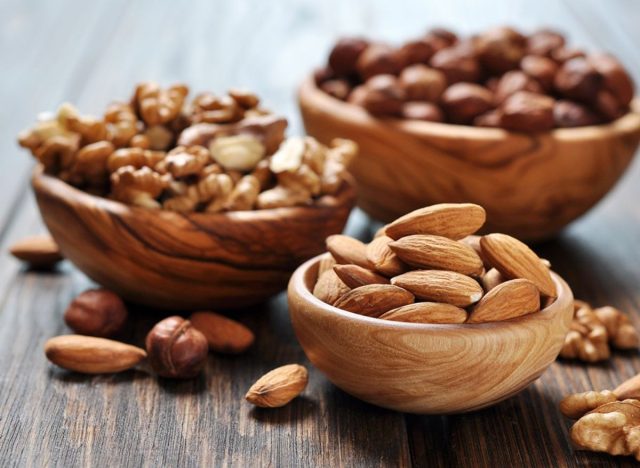
Nuts, encompassing varieties like almonds, walnuts, and pistachios, are another healthy fat source recommended by Collingwood to aid fat loss. "Rich in healthy fats and protein, nuts help curb cravings, stabilize blood sugar, and promote a healthy metabolism. Just stick to a small handful per day!" she advises. This emphasis on portion control is crucial, given their caloric density.
Nuts provide a powerful combination of healthy fats (MUFAs and polyunsaturated fats), plant-based protein, and fiber, all of which contribute to prolonged satiety and help prevent overeating. Their fiber content also supports digestive health and blood sugar regulation. Beyond macronutrients, nuts are packed with essential micronutrients such as magnesium (vital for over 300 enzymatic reactions, including energy production and blood sugar control), selenium, vitamin E, and various B vitamins.
Numerous studies have linked regular nut consumption to a reduced risk of heart disease, improved cholesterol profiles, and better weight management outcomes, despite their caloric content. The unique matrix of fats, fiber, and protein in nuts appears to promote satiety and potentially increase resting energy expenditure, making them a beneficial addition to a weight-loss diet when consumed in moderation. For instance, almonds have been shown to reduce hunger and improve satiety. Walnuts are rich in omega-3 fatty acids, which have anti-inflammatory properties.
A small handful (approximately 1 ounce or 1/4 cup) makes for an ideal snack. They can also be sprinkled over salads, mixed into yogurt, or used as a crunchy topping for various dishes. Choosing raw or dry-roasted, unsalted nuts is preferable to avoid added sugars and excessive sodium.
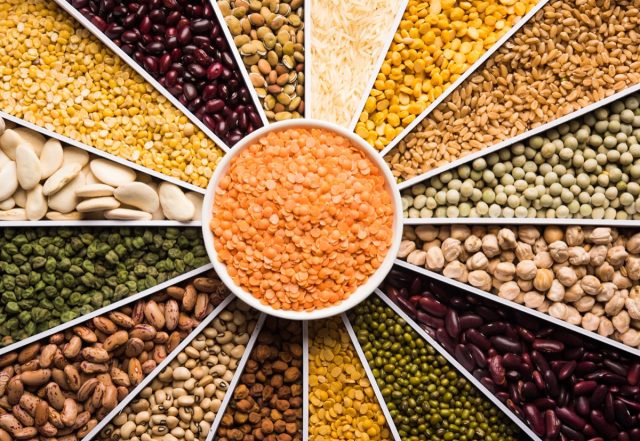
6. Beans and Lentils: Fiber and Protein Powerhouses
Beans (white, black, pinto, kidney) and lentils are championed by Collingwood as potent belly fat-blasting foods. "High in fiber and protein, they stabilize blood sugar and improve digestion, helping you feel full longer," she states. This highlights their impressive nutritional profile and their significant role in satiety and metabolic regulation.

Legumes are exceptionally rich in dietary fiber, both soluble and insoluble. Soluble fiber forms a gel-like substance in the digestive tract, slowing digestion and nutrient absorption, which helps to stabilize blood sugar levels and prolong feelings of fullness. Insoluble fiber adds bulk to stool, promoting regular bowel movements and preventing constipation, thereby reducing bloating. Beyond fiber, beans and lentils are excellent sources of plant-based protein, making them a valuable component of vegetarian and vegan diets, and a cost-effective alternative to meat.
They also contain resistant starch, a type of carbohydrate that functions like fiber, passing undigested through the small intestine and fermenting in the large intestine. This fermentation produces beneficial short-chain fatty acids (SCFAs) that nourish gut bacteria, improve gut health, and may have positive effects on metabolism and appetite regulation.
Studies have demonstrated that including legumes in the diet can lead to greater weight loss and improved body composition, particularly in the abdominal area. Their low glycemic index further supports blood sugar stability, preventing energy crashes and cravings.
Beans and lentils are incredibly versatile in the kitchen. They can be served as a hearty side dish, added to soups, stews, and chili, mixed into salads for an extra protein and fiber boost, or even blended into dips like hummus. Canned beans should be rinsed thoroughly to reduce sodium content.
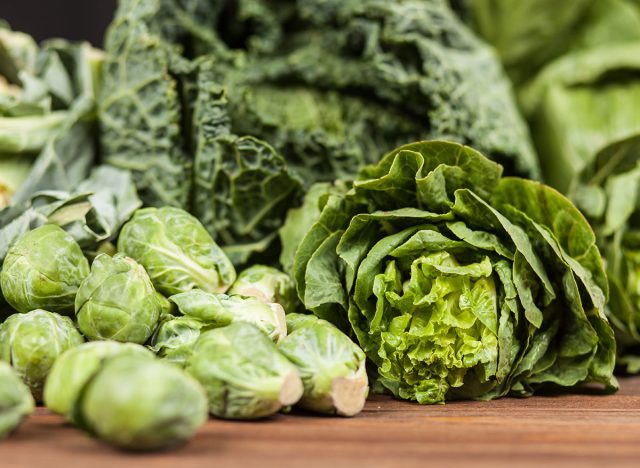
7. Leafy Greens: Nutrient-Dense, Calorie-Light Volume
Leafy greens, including spinach, kale, and arugula, are the final dietary recommendation from Collingwood for burning belly fat. "Low-calorie, nutrient-dense, and high in fiber—greens aid digestion, reduce bloating, and help create a calorie deficit for fat loss," she says. This encapsulates their triple threat against belly fat: high nutrient content, low caloric load, and fiber-rich bulk.
Leafy greens are among the most nutrient-dense foods available, offering an abundance of vitamins (K, A, C, folate), minerals (iron, calcium, magnesium), and phytonutrients with antioxidant and anti-inflammatory properties. Their extremely low-calorie count means that large volumes can be consumed, providing significant satiety without contributing substantially to caloric intake. This "volume eating" strategy is highly effective for weight loss, as it helps individuals feel full and satisfied on fewer calories, thereby naturally creating the calorie deficit required for fat loss.
The high fiber content in leafy greens further supports digestive health, preventing constipation and reducing bloating, which can visually reduce abdominal distension. The antioxidants and anti-inflammatory compounds found in greens also contribute to overall metabolic health, indirectly aiding in the reduction of visceral fat.
Incorporating more leafy greens into your diet is straightforward. They can form the base of vibrant salads, be sautéed as a flavorful side dish with garlic and olive oil, blended into smoothies (often without altering the taste significantly), or added to egg scrambles, soups, and stir-fries for an extra dose of nutrients. Experimenting with different types of greens can add variety and ensure a broad spectrum of nutrient intake.
A Holistic Approach: Beyond Just Food
Collingwood provides a crucial "bonus tip," emphasizing that "one food alone will not shrink belly fat. Combine these with hydration, exercise, and sleep for best results!" This underscores the scientific consensus that sustainable fat loss and overall health are the result of a multifaceted, holistic approach.
The Critical Role of Hydration
Adequate hydration is often overlooked but is fundamental to metabolic function. Water is essential for countless bodily processes, including nutrient transport, waste elimination, and temperature regulation. Drinking enough water can also aid in weight management by promoting satiety, sometimes being mistaken for hunger. Moreover, studies suggest that drinking water, especially before meals, can temporarily boost metabolism and increase calorie expenditure. Replacing sugary drinks with water is a simple yet powerful step towards reducing caloric intake and improving metabolic health.
The Indispensable Impact of Exercise
Physical activity is non-negotiable for effective and sustainable fat loss, particularly for targeting visceral fat. A combination of cardiovascular exercise and strength training offers the most comprehensive benefits. Cardiovascular exercise (e.g., running, swimming, cycling) burns calories, improves heart health, and can directly reduce visceral fat. Strength training builds and maintains muscle mass, which is metabolically active, meaning it burns more calories at rest than fat tissue. Increasing muscle mass can significantly boost resting metabolic rate, making it easier to maintain a calorie deficit over time. Furthermore, exercise helps improve insulin sensitivity, reducing the body’s tendency to store fat around the midsection.
The Unsung Hero: Quality Sleep
Sleep quality and duration have a profound, often underestimated, impact on weight management and belly fat. Chronic sleep deprivation disrupts key hormones that regulate appetite and metabolism. Ghrelin, the "hunger hormone," increases with insufficient sleep, leading to increased appetite and cravings, particularly for high-carbohydrate, high-fat foods. Conversely, leptin, the "satiety hormone," decreases, making it harder to feel full. Poor sleep also elevates cortisol levels, the stress hormone, which promotes fat storage, especially in the abdominal area. Aiming for 7-9 hours of quality sleep per night is crucial for hormonal balance, metabolic health, and effective weight loss.
Broader Implications and Sustainable Lifestyle Changes
The recommendations provided by Tara Collingwood are not just about temporary fat loss; they are about fostering sustainable lifestyle changes that lead to improved overall health. By integrating these nutrient-dense foods and adopting a holistic approach that includes adequate hydration, regular exercise, and sufficient sleep, individuals can achieve more than just a reduction in belly fat. They can expect improvements in energy levels, digestive health, blood sugar control, cardiovascular markers, and mental well-being.
The emphasis on whole, unprocessed foods aligns with general public health guidelines from organizations like the World Health Organization (WHO) and the U.S. Department of Agriculture (USDA), which advocate for diets rich in fruits, vegetables, lean proteins, and healthy fats. This approach moves beyond restrictive dieting to embrace a pattern of eating that is both enjoyable and beneficial for the long term.
It is important to remember that individual results may vary, and consistency is key. Consulting with a healthcare professional or a registered dietitian like Tara Collingwood can provide personalized guidance, especially for individuals with underlying health conditions or specific dietary needs. Ultimately, reducing belly fat is a journey towards better health, empowered by informed food choices and a commitment to a balanced lifestyle.
