

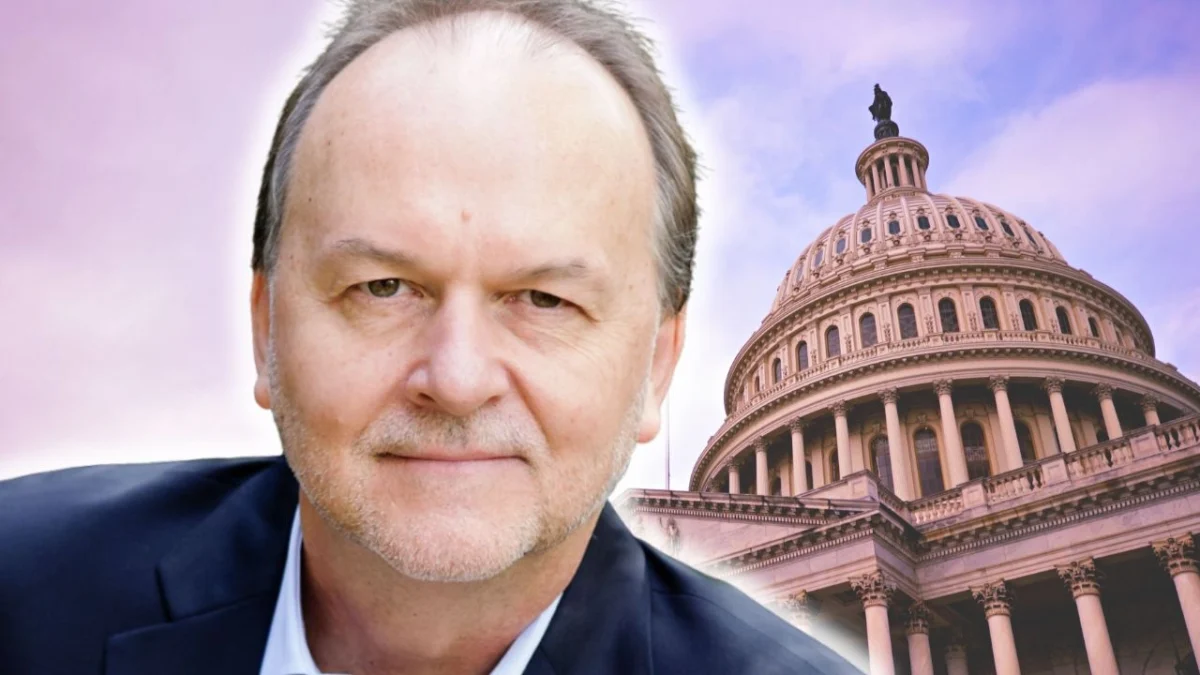
Loren Israelsen, a towering figure whose influence has shaped the dietary supplement industry for nearly five decades, has announced his impending retirement. After a distinguished career culminating in the leadership of the United Natural Products Alliance (UNPA), Israelsen will step down from his day-to-day responsibilities at the close of 2026. His departure marks the end of an era for a sector that has undergone profound transformation under his guidance. Before he transitions to his next chapter, Israelsen expressed a fervent desire for current stakeholders to grasp the significance of the legacy they are inheriting, a legacy deeply intertwined with landmark legislation and a persistent commitment to industry integrity.
Founding the United Natural Products Alliance and Shaping an Industry
Israelsen, the president and founder of UNPA, established the organization in 1992. UNPA serves as a collective voice for a diverse array of dietary supplement companies. Its origins, however, trace back to a core group of Utah-based herbal dietary supplement manufacturers, including pioneers like Nature’s Sunshine and Nature’s Way, companies that emerged more than half a century ago. This foundation in the burgeoning natural products market set the stage for Israelsen’s extensive advocacy.
The UNPA’s inception was a direct response to the challenging regulatory climate that the industry faced. In the early 1990s, the Food and Drug Administration (FDA) was considering classifying herbal and nutritional supplements as either unsafe food additives or unapproved drugs. This regulatory uncertainty posed an existential threat to businesses that had already established themselves as vital components of consumer health and wellness. Israelsen recognized the urgent need for a unified front to protect consumer access to these products and to ensure a clear and reasonable regulatory framework.
The Transformative Power of DSHEA: A Cornerstone of Industry Growth
At the heart of Israelsen’s message to the current generation of industry leaders is the critical importance of the Dietary Supplement Health and Education Act (DSHEA), passed in 1994. He emphasizes that understanding the genesis and impact of DSHEA is fundamental to appreciating the industry’s present standing and future trajectory.
"We have to start with DSHEA. It was transformative," Israelsen stated in an interview with SupplySide Supplement Journal. He believes that the younger participants in the industry must be educated on the unique confluence of circumstances that led to DSHEA’s passage and the profound impact it has had. This historical context, he argues, is crucial for fostering a sense of stewardship and responsibility among those who now lead the sector.
Israelsen recounted the arduous political battles involved in securing DSHEA’s passage. "How [DSHEA] happened leaves an indelible impression on you for the rest of your life. How hard the hardball of politics can be. How hard these things can be to achieve," he reflected. This hard-won victory underscores the dedication and strategic acumen required to navigate the complexities of legislative advocacy.
However, Israelsen also expressed dismay regarding the current landscape, noting a rise in "ephemeral companies" that he believes are not upholding the standards of product integrity and scientific substantiation for health claims that were hard-won through the passage of DSHEA. This concern highlights a persistent tension between innovation and regulation within the industry, a challenge Israelsen has grappled with throughout his career.
A Legacy of Advocacy: Peers Reflect on Israelsen’s Impact
Industry peers widely acknowledge Israelsen’s pivotal role in shaping the dietary supplement landscape. Roy Upton, founder and head of the American Herbal Pharmacopoeia (AHP), described Israelsen as an "icon" for over four decades. "It is fair to say that DSHEA, the legislation that formalized continued consumer access to herbal and nutritional supplements, would not have happened without Loren’s previous relationship with Sen. Orrin Hatch, who, along with Congressman Bill Richardson and others, marshaled DSHEA into existence," Upton stated. This highlights Israelsen’s strategic ability to leverage relationships and build coalitions.
Mark Blumenthal, founder and executive director of the American Botanical Council (ABC), first met Israelsen over 45 years ago in a consulting capacity and has collaborated with him ever since. Blumenthal underscored Israelsen’s far-reaching influence, noting his involvement in the founding of the American Herbal Products Association (AHPA). Blumenthal also expressed personal gratitude, crediting Israelsen with helping to secure the funding that enabled him to establish ABC and develop its publication, HerbalGram, into a leading resource for the herbal industry.
"Loren is clearly one of the principal architects of DSHEA – if not the key person who crafted it – and the resulting ability of the herb and dietary supplement industry to grow, mature and flourish into the multi-billion-dollar market that it is today," Blumenthal remarked. "Everyone who has been in the business of producing and marketing dietary supplements in the United States since 1994 owes an enormous debt of gratitude to Loren." This sentiment encapsulates the profound and lasting impact of Israelsen’s contributions.
Frank Lampe, who has collaborated with Israelsen in various capacities, including at UNPA and with New Hope Natural Media (a precursor to Informa Markets), predicts that Israelsen’s name will feature prominently in any definitive history of the dietary supplement industry. Lampe lauded Israelsen’s foresight and his ability to address complex issues, citing initiatives such as resolving regulatory safety concerns, championing quality and accountability, fostering collaborations between industry and integrative medicine, exploring opportunities in China, and even investigating the potential of artificial intelligence long before it became a mainstream topic. "Always thoughtful, inquisitive, and a trusted thought leader, Loren and his work with UNPA leave large shoes to fill," Lampe added.
Jon Benninger, vice president of health and nutrition at Informa Markets, recalled how Israelsen’s early advocacy inspired him and countless others to unite in advocating for consumer access to natural products. "He united us around an important mission and showed us just how powerful we can be when we have good ideas and a fierce commitment to them," Benninger said. "His legacy will be much more than the incredible passage of DSHEA. It will be proving that our natural products industry can and will change the world for the better."
Danica Cullins, executive vice president of health and nutrition at Informa, offered a personal testament to Israelsen’s mentorship. "Loren Israelsen has been a guiding force – blending wisdom, friendship and unparalleled expertise," she stated. "Our Friday conversations are a masterclass in global insights, from supply chain intricacies to introductions that have transformed my network. Loren’s ability to connect people and ideas is unmatched, and his generosity in sharing his time and knowledge is a gift I deeply treasure."
The Genesis of DSHEA: A Timeline of Advocacy and Political Acumen
The passage of DSHEA in 1994 was not a singular event but the culmination of years of effort, strategic maneuvering, and a favorable political climate. The industry faced a critical juncture in the late 1980s and early 1990s as the FDA began to intensify its scrutiny of dietary supplements.
- Early 1990s: The FDA’s stance hardened, leading many in the industry to believe their products were at risk of being banned or severely restricted. This period saw the formation of informal coalitions and early advocacy efforts aimed at preserving consumer access.
- 1991-1992: A series of crucial meetings took place, laying the groundwork for a legislative solution. These discussions often involved industry leaders, legal experts, and government liaisons.
- Strategic Alliance with Sen. Orrin Hatch: Israelsen’s prior working relationship with Senator Orrin Hatch (R-Utah) proved instrumental. Hatch, a powerful figure in the Senate, became a key champion for the industry, recognizing the economic and health benefits of dietary supplements for his constituents and the nation. Israelsen credits Hatch’s unwavering commitment and willingness to withstand criticism as vital to the bill’s progress.
- Bipartisan Support: Recognizing the need for broader political backing, advocates sought and secured support from key Democrats, including Congressman Bill Richardson (D-New Mexico) and Senator Tom Harkin (D-Iowa). This bipartisan coalition was essential for navigating the often-partisan landscape of Congress.
- The Final Push (1994): As the legislative session neared its end, the fate of DSHEA hung in the balance. Israelsen recounted how Senator Hatch insisted that no one leave Washington until a resolution was reached.
- Parliamentary Maneuvers: In a dramatic turn of events, DSHEA was nearly removed from the legislative agenda. Senator Hatch reportedly engaged in a crucial negotiation with Senator Howard Metzenbaum (D-Ohio), who had initially ordered the bill’s removal at the behest of opponents. The exchange, which involved the fate of Metzenbaum’s judicial nominees, ultimately led to DSHEA’s reinstatement.
- Passage and Signing: DSHEA was passed by Congress in the final hours of the session and signed into law by President Bill Clinton on October 15, 1994. While the final vote was technically unanimous through a voice vote, Israelsen cautioned that significant opposition existed, and the descendants of those lawmakers remain in Congress today, underscoring the ongoing need for vigilance.
The Impact of DSHEA: A Thriving Industry and Evolving Landscape
The passage of DSHEA fundamentally altered the trajectory of the dietary supplement industry. It established a clear regulatory framework that balanced consumer protection with access to a wide array of products. This legislation provided the legal foundation for the industry to expand, innovate, and mature into the multi-billion-dollar market it is today.
Data illustrates the dramatic growth:
- Market Size: The U.S. dietary supplement market has expanded exponentially since 1994. From an estimated $5 billion market, it has grown to exceed $60 billion by 2025, offering over 100,000 distinct products.
- Safety and Quality: Despite occasional criticisms, the industry, under the framework of DSHEA, has largely maintained a strong reputation for quality and safety. The number of reported deaths associated with properly manufactured dietary supplements since 1994 is in the hundreds, a stark contrast to the estimated 250,000 annual fatalities attributed to adverse pharmaceutical drug events in the U.S., which rank as the third-leading cause of death. This comparison highlights the relative safety profile of the supplement industry.
Israelsen’s vision extended beyond immediate legislative victories. UNPA, under his leadership, has been proactive in addressing emerging challenges and opportunities. These include:
- Regulatory Modernization: Continuously engaging with regulatory bodies to refine and update safety standards.
- Scientific Integrity: Advocating for robust scientific substantiation of health claims.
- Global Market Access: Facilitating industry understanding and access to international markets, notably China, a complex but increasingly vital economic landscape for supplements.
- Technological Integration: Exploring the role of emerging technologies like AI in product development and consumer engagement.
Looking Ahead: A Hopeful Outlook for the Future of Supplements
Despite his impending retirement, Israelsen remains optimistic about the future of the dietary supplement industry. He believes that a new generation of leaders is emerging, equipped with the desire and insight to guide the sector forward.
"I do believe there is a cadre of younger people in the industry who want to know, who want to lead. It’s just that there are not many of us left in a position to share that legacy," he remarked.
Plans are underway to ensure the continuity of UNPA’s ongoing projects and initiatives, particularly in areas like market access in China, which will be crucial for navigating geopolitical complexities.
In a statement released by UNPA, Israelsen conveyed his confidence in the industry’s continued prosperity. "The dietary supplement industry has grown beyond anything we imagined in the early 1990s," he stated. "Today there are strong organizations, talented leaders and a new generation of advocates prepared to guide the industry’s future."
He concluded his reflections with a poignant metaphor: "After 46 years in the dietary supplement industry, including 34 years leading UNPA, I am ready to explore the final chapter of my life. For four decades, I have been climbing the mountain of advocacy. I now feel the call to see what life looks like on the other side of the mountain. I close this long chapter with gratitude and a deep appreciation for the journey that brought us here and the people who traveled that road together."
UNPA has announced that its final member retreat will be held in mid-September, followed by its last member meeting during SupplySide Global in Las Vegas in October, marking the formal conclusion of Israelsen’s tenure. His retirement signifies the end of a significant chapter, but the foundations he helped build and the principles he championed will undoubtedly continue to shape the dietary supplement industry for years to come.
