

This week in the dynamic world of dietary supplements, a significant survey has illuminated consumer motivations behind creatine supplementation, with cognitive health taking center stage. Alongside these consumer insights, groundbreaking clinical trials on collagen peptides and fucoidan are revealing compelling health benefits, while industry players are actively announcing a wave of new ingredient and innovation launches. The supplement landscape continues to evolve, showcasing a robust interplay between scientific advancements, emerging consumer demands, and tangible product development.
Consumers Prioritize Cognitive Health in Creatine Supplementation
A recent comprehensive survey has revealed that nearly two-thirds of consumers are turning to creatine supplementation primarily for its perceived benefits on cognitive function. This finding, published in the Journal of the International Society of Sports Nutrition, challenges the long-held perception of creatine as solely a performance-enhancing supplement for athletes. The study, conducted by researchers from Oklahoma State University in collaboration with the dietary supplement tracking application SuppCo, involved over 2,100 individuals who regularly use creatine. The demographic breakdown of the survey participants was nearly evenly split between men and women, with an average age of 55, indicating a broader user base than traditionally assumed for this popular supplement.
While an overwhelming 98% of respondents expressed their intention to continue their creatine regimen, a more nuanced picture emerged regarding perceived efficacy. Only 55% of those surveyed reported experiencing a tangible benefit from their creatine use. This figure saw a notable decline among the significant segment of users (67.8%) who specifically endorsed creatine for cognitive health; in this subgroup, merely 35.6% reported a perceived improvement in cognitive function. The study authors astutely noted that this "cognitive expectation gap" might not necessarily point to a lack of efficacy but could instead stem from "a dose-translation issue rather than absence of efficacy." This suggests that consumers may be using creatine for cognitive benefits without adhering to dosages that have been clinically validated for such purposes, or that the specific formulations they are using are not optimized for neurological support.
The innovative methodology of this study, which gathered real-world data from a large and diverse group of supplement users across the United States, has been lauded by experts. Jordan Glenn, Ph.D., head of science at SuppCo, emphasized the value of these "untraditional" data sources. "We were able to get information and insights from people in the real world using these products, from all over the United States," Glenn stated in a LinkedIn post, highlighting the significance of capturing authentic consumer experiences. Furthermore, Glenn pointed to a critical observation that warrants further investigation: women reported experiencing more side effects from creatine use compared to men. This gender-based difference in reported adverse events underscores the need for more targeted research to understand potential physiological variations and optimize safe and effective supplementation strategies for all users.
Expanding the Scientific Horizon: Collagen and Fucoidan Show Promising Health Benefits

Beyond the insights into creatine, the scientific community is abuzz with new clinical data on other key supplement ingredients. Recent studies have further solidified the health-promoting properties of collagen peptides and fucoidan, pointing towards their potential in various therapeutic applications.
Collagen Peptides: Beyond Skin Deep
Collagen, the most abundant protein in the human body, is renowned for its role in maintaining skin elasticity, hair strength, and joint health. However, emerging research is expanding our understanding of its systemic benefits. Clinical trials are increasingly exploring the impact of hydrolyzed collagen peptides on muscle mass, bone density, and even cardiovascular health. For instance, recent meta-analyses have indicated that collagen supplementation, particularly when combined with resistance training, can lead to significant improvements in muscle strength and body composition. Furthermore, studies are investigating its potential to mitigate the effects of osteoarthritis and improve joint pain and function. The bioavailability of hydrolyzed collagen peptides, which are broken down into smaller amino acid chains, allows for efficient absorption and utilization by the body, facilitating these wide-ranging benefits. The market trend for collagen products, already robust, is expected to accelerate as more scientific evidence supports its multifaceted health contributions, appealing to a broader demographic seeking holistic wellness solutions.
Fucoidan: A Marine Marvel for Immune and Gut Health
Fucoidan, a sulfated polysaccharide derived from brown seaweeds such as wakame, kombu, and bladderwrack, is another ingredient garnering significant scientific attention. Historically used in traditional medicine, modern research is now validating its potent bioactivities. Clinical studies are demonstrating fucoidan’s significant immunomodulatory effects, suggesting its ability to enhance immune response and potentially aid in combating infections. Its antiviral and anti-inflammatory properties are also under intense scrutiny, with promising results in preclinical and early-stage human trials. Moreover, fucoidan is emerging as a valuable prebiotic, selectively feeding beneficial gut bacteria and promoting a healthier gut microbiome. This positive impact on gut health is intrinsically linked to overall well-being, influencing everything from digestion and nutrient absorption to mood and immune function. As research continues to unravel the complex mechanisms of fucoidan, its integration into functional foods and supplements targeting immune support and digestive wellness is anticipated to grow.
Industry Innovation: New Ingredients and Finished Products Emerge
The supplement industry remains a hotbed of innovation, with companies consistently introducing novel ingredients and finished products designed to meet evolving consumer needs. This week has seen several notable announcements reflecting this trend:
-
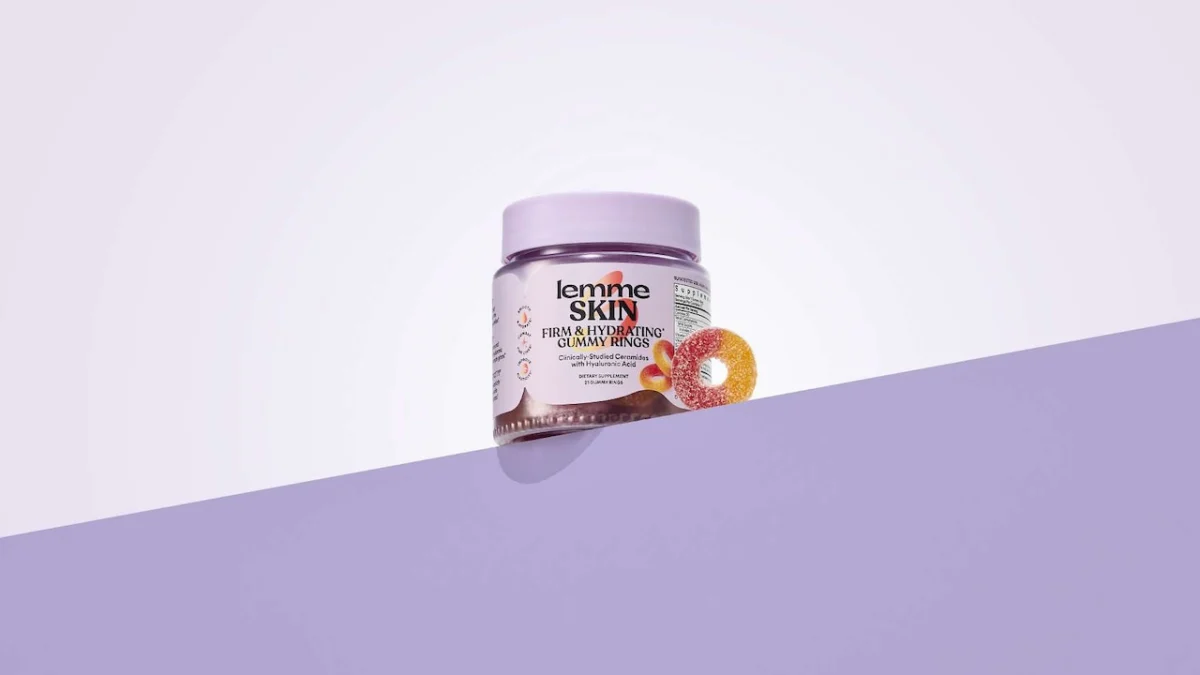
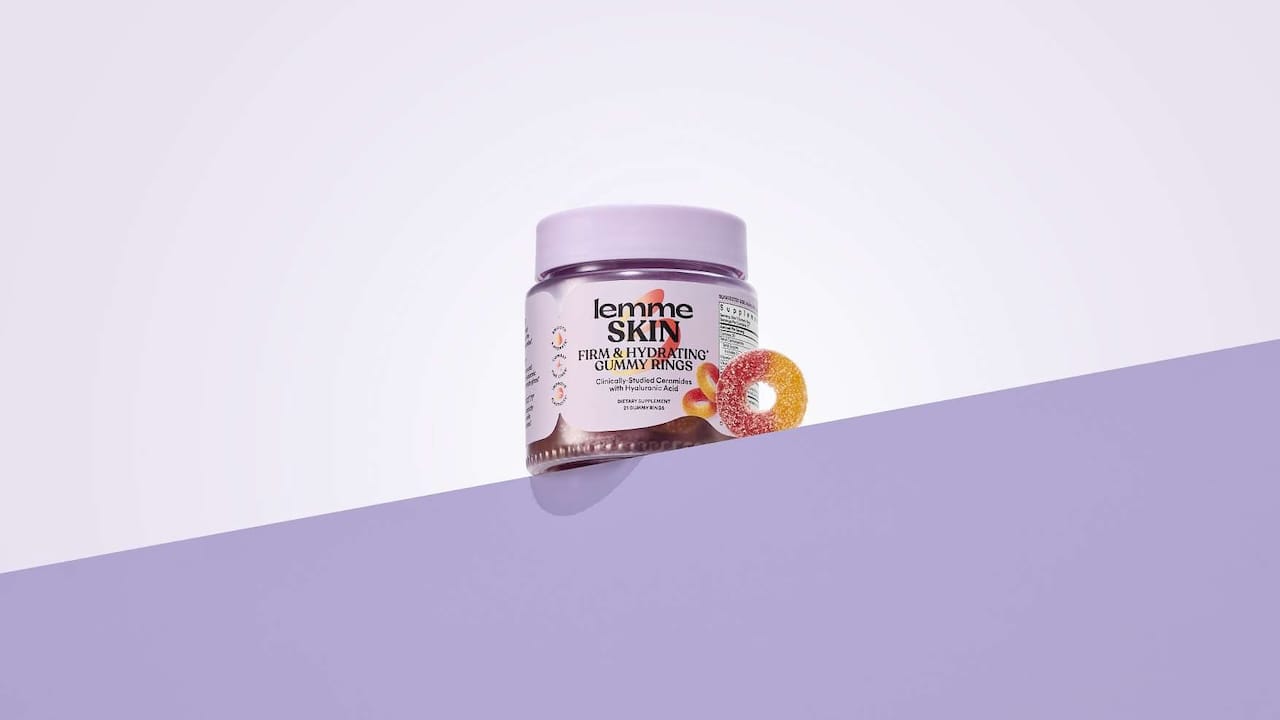
Lemme Launches Skin-Revitalizing Gummy Rings: The popular wellness brand Lemme has expanded its product line with the introduction of "Skin" gummy rings. These innovative gummies are formulated with a trio of scientifically backed ingredients known for their skin-nourishing properties: ceramides, hyaluronic acid, and sea buckthorn. Ceramides are essential lipids that form the skin’s natural barrier, crucial for hydration and protection. Hyaluronic acid is a humectant that draws moisture into the skin, contributing to a plump and hydrated appearance. Sea buckthorn is rich in antioxidants, vitamins, and essential fatty acids that support skin repair and regeneration. This launch targets the growing demand for ingestible beauty solutions that promote skin health from within, offering a convenient and enjoyable way for consumers to support their skin’s vitality. The appeal of gummy formats, particularly for ingredients that might otherwise be less palatable, continues to drive innovation in the finished product space.
-
Advancements in Ingredient Technology: Beyond finished products, there is a continuous drive towards developing more effective and bioavailable forms of existing ingredients. Companies are investing heavily in research and development to enhance ingredient delivery systems, improve stability, and increase absorption rates. This includes advancements in encapsulation technologies, nano-emulsions, and novel extraction methods. These innovations not only aim to boost the efficacy of supplements but also to reduce potential side effects and improve the consumer experience. The focus on scientifically validated ingredients and robust manufacturing practices remains paramount, ensuring product quality and consumer trust in an increasingly competitive market.
Looking Ahead: The Evolving Landscape of Supplementation
The confluence of consumer-driven insights, rigorous scientific research, and relentless industry innovation paints a vibrant picture of the supplement sector. The shift in consumer focus for creatine towards cognitive health highlights the need for the industry and scientific community to address these emerging demands with evidence-based solutions. The ongoing exploration of collagen and fucoidan promises to unlock new therapeutic avenues, further solidifying the role of dietary supplements in proactive health management. As the industry continues to mature, a commitment to transparency, scientific integrity, and consumer education will be crucial in navigating the complexities of the market and ensuring that consumers can make informed choices that support their health and well-being. The continuous dialogue between researchers, manufacturers, and consumers will undoubtedly shape the future of supplementation, driving further advancements and expanding the potential of these powerful natural compounds.
The industry is also keenly observing broader societal trends that impact supplement consumption. For example, the growing interest in women’s health and the potential impact of GLP-1 medications on appetite and nutrient absorption are creating new opportunities for product development and formulation strategies. Experts like Devon Gholam, Ph.D., an editor at SupplySide Supplement Journal, who brings nearly two decades of experience in the functional food and nutraceutical industry, are actively contributing to this discourse. Her passion for women’s health and her keen observation of industry shifts, from product development and technical sales to her current role in editorial, underscore the intellectual capital driving innovation in this space. The collaborative spirit within the nutraceutical community, fueled by a shared desire for knowledge and credible science, is a key enabler of this progress.
In summary, the supplement industry is experiencing a period of significant evolution. The growing consumer awareness and demand for scientifically supported products, coupled with continuous research and development, are paving the way for a more sophisticated and impactful future for dietary supplements. The insights gleaned from consumer surveys, the validation from clinical trials, and the tangible product innovations all contribute to a dynamic ecosystem dedicated to enhancing human health and wellness.
