








The landscape of women’s health supplements is undergoing a significant transformation, with the ancient Ayurvedic botanical shatavari (Asparagus racemosus) emerging as a powerful player. Moving beyond its traditional roots, shatavari is now prominently featured in a growing number of women’s hormonal health formulations, a trend underscored by compelling scientific evidence. Unlike fleeting fads, shatavari’s surge is supported by robust research, most recently highlighted by a new study on Aspurå, a standardized shatavari extract developed by Waleria Healthtech. Published in the esteemed Journal of Dietary Supplements, this research delves into the multifaceted benefits of shatavari in effectively managing the complex array of perimenopausal symptoms.
The Evolving Focus on Life Stages in Supplement Development
The amplified attention on women’s health by the supplement industry reflects a broader societal shift towards recognizing and addressing the unique needs of women throughout their lives. Brands are increasingly segmenting their offerings to cater to specific life stages, with perimenopause, the transitional phase leading up to menopause, becoming a particularly significant focus. This strategic approach, which aims to provide solutions earlier in a woman’s reproductive journey, can foster loyalty and lead to continued supplement sales in subsequent life phases.
Komal Baldwa, CEO and founder of Waleria Healthtech, articulates this market dynamic: "Consumers are actively seeking solutions that resonate with the specific life stage they are navigating and the distinct needs they are experiencing." This consumer-driven demand for personalized wellness solutions is a key catalyst for the innovation seen in the women’s health sector.

Baldwa further elaborates on shatavari’s historical significance: "Within Ayurvedic heritage, shatavari has long been revered as a Rasayana, a class of rejuvenating herbs traditionally associated with women’s reproductive health, vitality, and nourishment." She emphasizes that the herb’s historical application in women’s wellness extends far beyond its current prominent association with perimenopause and menopause, suggesting a rich tapestry of traditional uses yet to be fully explored by modern science. This deep historical context lends credibility to its contemporary applications.
Key Findings from the Latest Shatavari Research
The recent study on Aspurå, the standardized shatavari extract, offers significant insights into its efficacy for perimenopausal women. The research demonstrates shatavari’s ability to support women across multiple symptom domains, encompassing common complaints such as hot flashes, irritability, sleep disturbances, and fatigue. Baldwa highlights this broad spectrum of benefits as particularly exciting, noting, "These findings significantly strengthen the clinical evidence base for Aspurå in addressing perimenopause, a phase characterized by symptoms that can be both extensive and highly variable. This supports a more comprehensive and targeted approach to women’s health."
For product developers, this translates into a powerful opportunity to leverage a single botanical ingredient that addresses multiple consumer needs, all validated by clinical data. This efficiency in formulation can streamline product development and offer consumers a more concentrated and effective solution.
Unpacking the Studied Ingredient: Aspurå
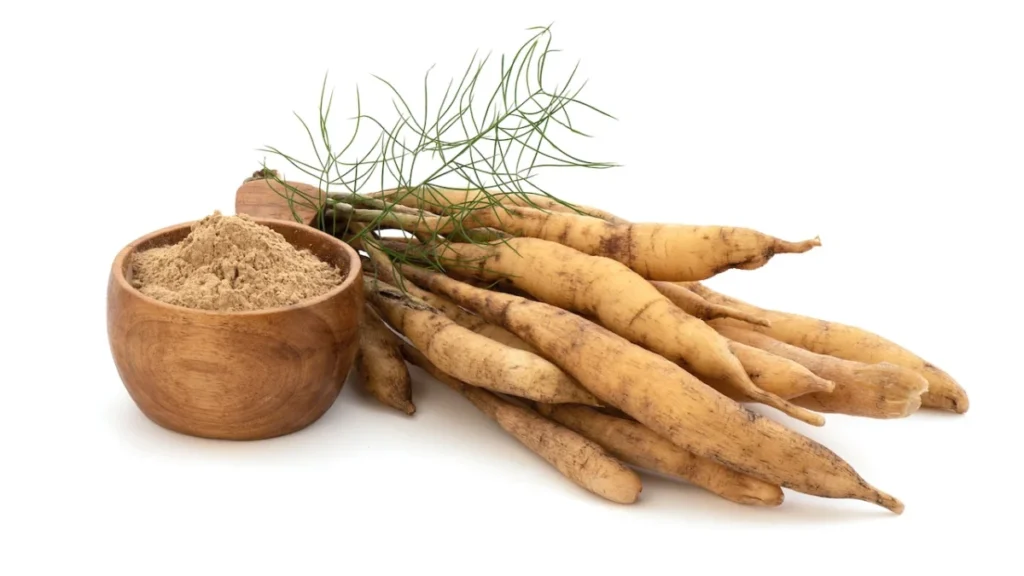
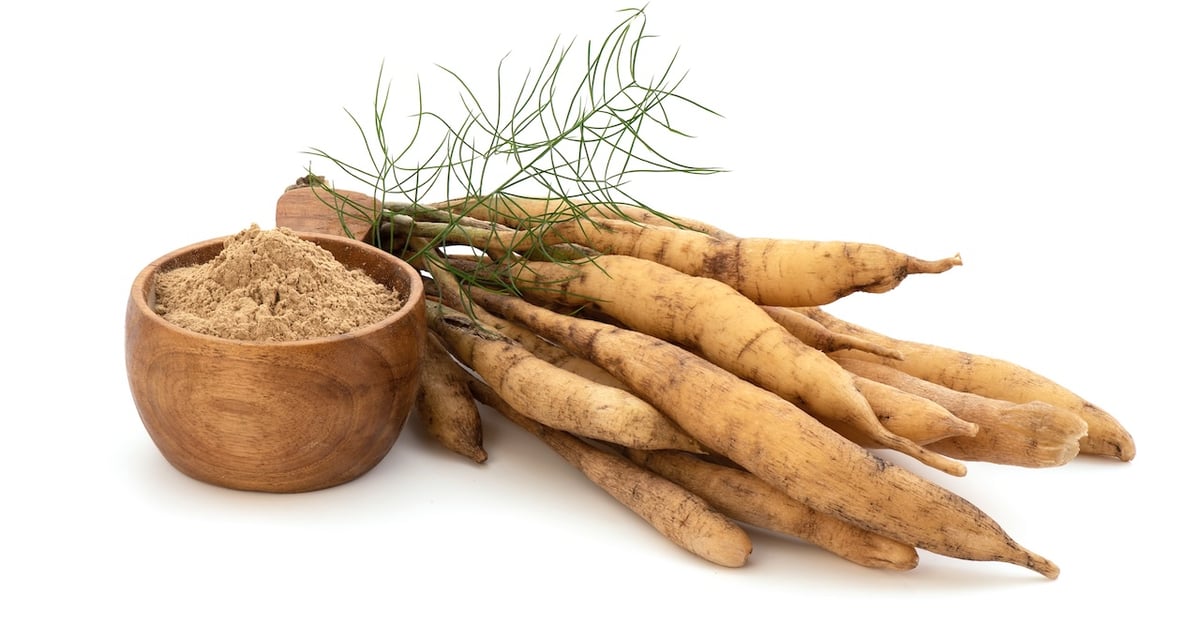
The clinical investigation focused on Aspurå, a meticulously developed standardized shatavari extract. This full-spectrum extract, derived from the root of the Asparagus racemosus plant, is standardized to contain 5% shatavarins, a key group of bioactive compounds believed to contribute to its therapeutic effects. The standardization process ensures consistency and potency, crucial factors for reproducible clinical outcomes and reliable product performance in the supplement market.
Delving into the Perimenopausal Clinical Trial Design
While the original article did not provide specific details about the clinical trial’s methodology, a comprehensive understanding of such research typically involves examining parameters like participant demographics, dosage of the shatavari extract, duration of the study, and the specific metrics used to assess symptom severity and quality of life. Future publications or supplementary materials would likely detail the number of participants, the inclusion and exclusion criteria, the placebo control used, and the frequency of data collection. The reported significant results suggest a well-designed study that was able to detect meaningful differences between the intervention and placebo groups.
Outcomes of the Shatavari Study: Tangible Improvements Reported
The results of the shatavari study presented a compelling case for its efficacy in managing perimenopausal symptoms. Women who supplemented with the standardized shatavari extract experienced a statistically significant reduction in symptom frequency compared to those in the placebo group. This effect was notably observed as early as two weeks into supplementation. Similarly, symptom intensity scores followed a parallel trend, with significant differences emerging after four weeks of consistent use.
Even concerning hot flashes, a notoriously challenging symptom for many perimenopausal women, the shatavari group demonstrated a more pronounced decrease in frequency starting from week four and continuing throughout the study period, compared to the placebo group.
Beyond symptom frequency and intensity, participants receiving shatavari reported notable improvements in several key areas impacting their quality of life. These included enhanced menopause-specific quality of life scores, reduced irritability, better sleep patterns (insomnia), diminished fatigue, and improved sexual function.
Crucially, the study also investigated the herb’s impact on hormonal balance. Shatavari supplementation was associated with an increase in estradiol and progesterone levels, two key hormones that typically decline during perimenopause and menopause. Concurrently, levels of follicle-stimulating hormone (FSH) and luteinizing hormone (LH), which often rise during this transition, were found to decrease in the shatavari group. Importantly, shatavari did not significantly alter testosterone levels, indicating a potentially targeted effect on the hormonal fluctuations most relevant to perimenopausal symptoms.
The safety profile of shatavari in this study was also reassuring. Participants reported no adverse events, and comprehensive blood tests revealed no detrimental changes in metabolic biomarkers, liver function, or kidney function, underscoring its safety for use in this population.
Building Upon a Foundation of Prior Research
The recent findings on Aspurå are not isolated but rather contribute to a growing body of scientific literature supporting shatavari’s therapeutic potential. Over recent months, numerous clinical trials have been published, investigating various branded extracts of shatavari and corroborating its benefits.
Previous reports from SupplySide Supplement Journal have highlighted studies demonstrating shatavari’s ability to balance hormones in menopausal women, alleviate symptoms in both menopausal and perimenopausal individuals, and work synergistically with fenugreek to address menopausal discomfort. Further research suggests potential applications for shatavari in managing polycystic ovary syndrome (PCOS) parameters and even improving post-partum lactation.
Baldwa indicates that ongoing research is expanding shatavari’s therapeutic horizon. Current studies are exploring its effects in postmenopausal women and those experiencing premenstrual syndrome (PMS), with new endpoints including fatigue and libido. This suggests a trajectory towards positioning shatavari not just as a perimenopausal solution but as a comprehensive botanical ally for women’s health across a wider spectrum of life stages and concerns.
"Rather than solely asking, ‘Where can shatavari fit beyond menopause?’, we perceive a much larger opportunity," Baldwa states, shifting the paradigm to a more expansive question: "How can we develop clinically validated shatavari solutions tailored for every stage of a woman’s health journey?" This forward-thinking perspective underscores the potential for shatavari to become a cornerstone ingredient in women’s wellness.
Broader Implications for the Supplement Industry and Women’s Health
The growing body of evidence supporting shatavari’s efficacy, particularly in addressing the complex hormonal shifts of perimenopause, has significant implications for the supplement industry. It validates the trend of focusing on life-stage-specific formulations and provides product developers with a scientifically backed ingredient that can cater to a well-defined and growing consumer need. The multi-faceted benefits of shatavari—from symptom relief to hormonal support and improved quality of life—make it an attractive ingredient for brands seeking to offer comprehensive solutions.
For consumers, this scientific validation offers greater confidence in selecting supplements that can genuinely address their health concerns. The move towards evidence-based formulations ensures that women are not just opting for trendy ingredients but for botanicals with a demonstrable track record of efficacy and safety.
The research also highlights the potential for synergistic formulations. As seen with fenugreek, shatavari can be combined with other ingredients to create more potent and targeted remedies. This opens avenues for innovation in developing sophisticated supplement blends designed to meet the diverse needs of women at different points in their lives.
Furthermore, the ongoing research into shatavari’s effects on conditions beyond menopause, such as PMS and post-partum support, indicates a broadening understanding of its therapeutic applications. This expansive research agenda suggests that shatavari’s role in women’s health is likely to continue to grow, potentially solidifying its position as a foundational botanical for women’s well-being. The emphasis on "clinically relevant shatavari solutions for every stage of women’s health" signifies a commitment to scientific rigor and a consumer-centric approach that is poised to shape the future of the women’s health supplement market.
The journey of shatavari from ancient Ayurvedic practice to a modern-day powerhouse in women’s health supplements is a testament to the enduring wisdom of traditional medicine when validated by contemporary scientific inquiry. As research continues to unfold, the comprehensive potential of this remarkable herb is only beginning to be fully realized, promising a brighter and healthier future for women navigating the natural transitions of life.