

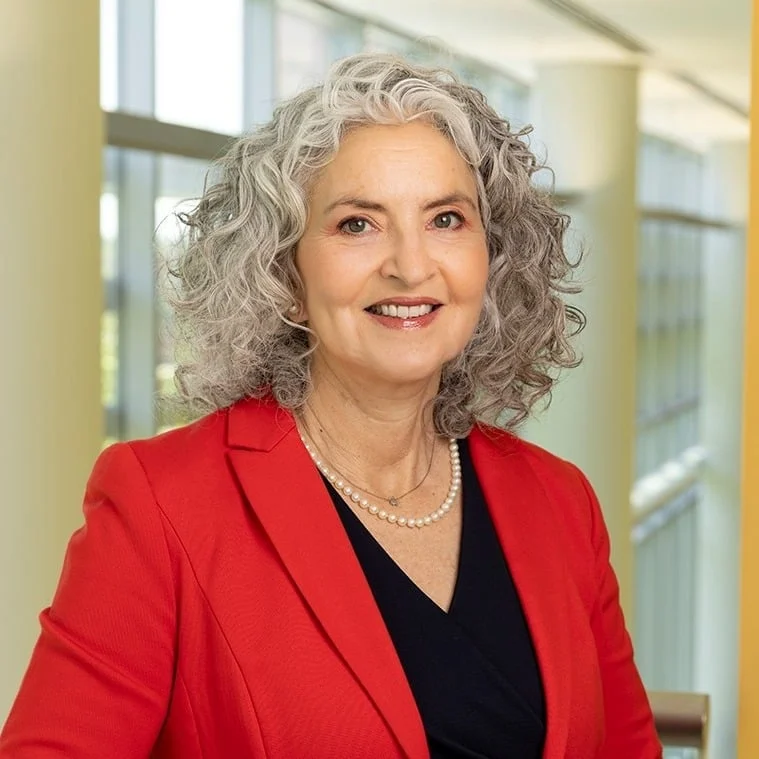
The Endocrine Society has officially announced the appointment of Nanette Santoro, MD, as its president for the 2026–2027 term. Dr. Santoro, a distinguished figure in reproductive endocrinology and the E. Stewart Taylor Chair of Obstetrics & Gynecology at the University of Colorado School of Medicine, is slated to succeed Carol Lange, PhD, in June 2026. The formal transition of leadership will take place during the Society’s flagship annual meeting, ENDO, held in Chicago, Illinois. This appointment marks a significant milestone for the organization as it prepares to navigate a complex landscape of healthcare advocacy, workforce shortages, and rapidly evolving biomedical research.
Dr. Santoro’s journey to the presidency of the world’s oldest and largest organization dedicated to hormone research and clinical care is rooted in a career spanning over four decades. Known for her pioneering work in the transition to menopause and her commitment to the mentorship of the next generation of scientists, her leadership comes at a time when the field of endocrinology faces both unprecedented scientific opportunities and systemic challenges in clinical practice.
A Career Defined by Interdisciplinary Excellence
Dr. Santoro’s path to medicine was not a foregone conclusion. At the age of 16, she found herself at a crossroads between two distinct callings: creative writing and medicine. A recipient of the Joyce Carol Oates Award for her short stories in high school, Santoro initially harbored ambitions of becoming a professional novelist. However, as a potential first-generation college graduate, financial considerations and a desire to contribute to the betterment of mankind led her toward a more structured and accelerated professional path.
She enrolled in a rigorous six-year combined BS/MD program at Rensselaer Polytechnic Institute and Albany Medical College. This decision was driven by a practical desire to minimize the financial burden on her family while fast-tracking her entry into the medical profession. It was during this intensive training period that her interest in the endocrine system began to take shape.
Her focus sharpened during her residency at Beth Israel Medical Center, where she was mentored by Dr. Nelly Szlachter, a reproductive endocrinologist who had trained at New York University. Dr. Szlachter’s enthusiasm for the field—which she described as "the greatest field"—proved infectious. This mentorship steered Dr. Santoro toward a fellowship at Massachusetts General Hospital (MGH), where she joined the Reproductive Endocrine Unit. This period at MGH coincided with a golden age of reproductive science, particularly the discovery of the pulsatile nature of Gonadotropin-Releasing Hormone (GnRH) secretion. This fundamental discovery opened new avenues for treating infertility and understanding the hormonal fluctuations that govern the human reproductive cycle.
Scientific Contributions and the Perimenopause Breakthrough
Throughout her career, Dr. Santoro has been a primary driver of research into the physiological changes women experience as they approach menopause. Her work has been instrumental in shifting the medical understanding of perimenopause from a period of simple hormonal decline to one characterized by complex and often erratic hormonal fluctuations.
In collaboration with colleagues, Dr. Santoro utilized daily urinary assays to monitor hormone levels in women over extended periods. Her focus on premature menopause and the transition to natural menopause led to a discovery that she recalls as a pivotal moment in her career. Upon analyzing data from perimenopausal women, she observed hormone levels that were "all over the place," defying the expected patterns of the time. This finding, which she initially questioned and repeatedly verified through further testing, became a cornerstone of modern menopause research. It provided a scientific explanation for the varied and often severe symptoms women experience during the menopausal transition, such as hot flashes, sleep disturbances, and mood changes.
Her research has had a direct impact on clinical practice. Dr. Santoro has served as an author on two of the Endocrine Society’s Women’s Reproductive Health Clinical Practice Guidelines and chaired the Society’s Scientific Statement on bioidentical hormones. These documents serve as the gold standard for clinicians worldwide, ensuring that hormone therapy and reproductive care are based on rigorous, peer-reviewed evidence.
Leadership Within the Endocrine Society
Dr. Santoro’s history with the Endocrine Society began during her fellowship, making the organization her "professional home" for decades. Her previous roles within the Society have been extensive, including a tenure as Vice President of Clinical Science. This background has provided her with a deep understanding of the Society’s internal operations and its role as a bridge between laboratory research and patient care.
The Endocrine Society, founded in 1916, represents more than 18,000 scientists, physicians, educators, and students in more than 120 countries. As president, Dr. Santoro will oversee an organization that is central to addressing global health issues, including diabetes, obesity, thyroid disorders, and reproductive health. Her presidency is expected to emphasize the clinical application of endocrine research, particularly in areas that have historically been underserved or misunderstood.
The Mentorship Legacy
In 2016, the Endocrine Society honored Dr. Santoro with the Laureate Award for Outstanding Mentorship, a testament to her dedication to fostering new talent. Her approach to mentorship is notably interdisciplinary. She currently mentors junior faculty across various fields, including psychology, epidemiology, and physiology, often utilizing virtual platforms to connect with scholars across the United States.
One of her most prominent mentees is Dr. Rebecca Thurston, a former president of the Menopause Society whose background is in epidemiology and psychology. Dr. Santoro’s ability to teach the nuances of hormonal science to those outside the traditional endocrine path highlights her belief that endocrinology is a foundational science that touches nearly every aspect of human health.
Dr. Santoro is also a mentor for the Building Interdisciplinary Research Careers in Women’s Health (BIRCWH) program, an NIH K12-funded initiative. This program is designed to bridge the gap between basic science and clinical application in women’s health, a mission that aligns perfectly with Dr. Santoro’s own career trajectory. She has noted that mentoring general OB/GYNs is particularly challenging but rewarding, as it requires distilling decades of specialized knowledge into actionable clinical insights for those who cover the entire breadth of women’s health.
Addressing the Endocrinology Workforce Crisis
One of the most pressing issues Dr. Santoro will face during her presidency is the growing shortage of endocrinologists. Data from the Association of American Medical Colleges (AAMC) and various subspecialty reports indicate a significant "pipeline" problem. As the global prevalence of endocrine-related chronic diseases—such as Type 2 diabetes and metabolic syndrome—continues to rise, the number of new fellows entering the field has not kept pace with the demand.
Dr. Santoro has expressed a clear intention to revitalize this pipeline. She views the current period of change in healthcare as an opportunity rather than a deterrent. "Even though a lot of the change seems adverse, there’s always opportunity," she has stated. Her goal is to demonstrate the vitality and fascination of the field to medical students and residents, emphasizing that endocrinology is critical to improving the quality of life for millions of people.
Advocacy and the Future of the Field
In an era of political and economic turbulence, Dr. Santoro recognizes the necessity of robust advocacy. The Endocrine Society has become increasingly active in the public policy sphere, advocating for research funding from the National Institutes of Health (NIH), addressing the rising cost of insulin, and speaking out on environmental endocrine disruptors.
Dr. Santoro foresees a need for the Society to amplify its voice to ensure that the importance of endocrine conditions is recognized by policymakers. "I foresee a lot of advocacy that’s really necessary to keep endocrinology in the game here," she noted. Her vision involves making the Society’s presence known in diverse scientific and political arenas, ensuring that the expertise of its members informs public health decisions.
The transition to her presidency in 2026 will occur at a time when the medical community is also grappling with the integration of artificial intelligence in diagnostics and the shift toward personalized medicine. Dr. Santoro’s background in research and her experience as a department chair at the University of Colorado position her well to lead the Society through these technological shifts.
Conclusion and Strategic Outlook
As Nanette Santoro prepares to take the helm of the Endocrine Society in 2026, her appointment represents a blend of continuity and forward-looking leadership. By combining her deep-rooted history with the Society and her extensive clinical and research expertise, she is poised to address the dual challenges of scientific advancement and workforce sustainability.
Her presidency will likely be defined by three key pillars: the promotion of evidence-based women’s health, the expansion of interdisciplinary mentorship, and aggressive advocacy for the field of endocrinology. For a doctor who once considered a life as a novelist, the next chapter of her career as President of the Endocrine Society promises to be her most impactful story yet—one written not in fiction, but in the advancement of human health and the empowerment of the next generation of medical leaders.
