









The ketogenic diet, characterized by a drastic reduction in carbohydrate intake and a compensatory increase in fat consumption, fundamentally alters the body’s metabolic landscape. This shift from glucose to fat and ketone bodies as primary fuel sources can profoundly impact an individual’s physiological state, often necessitating adjustments in nutrient intake and potentially creating specific nutritional gaps. While proponents laud the diet for its efficacy in weight management, blood sugar control, and potential neurological benefits, the transition and maintenance phases can present unique challenges. Dietary supplements, often referred to as "keto vitamins" or "keto enhancers," have emerged as popular tools designed to bridge these nutritional discrepancies, ease the adaptation process, support energy levels, and enhance overall well-being alongside a well-formulated diet and consistent exercise regimen. These supplements can be particularly beneficial for those new to the ketogenic lifestyle, individuals with high activity levels, or anyone finding it difficult to meet their micronutrient requirements solely through food.
The Ketogenic Transition and Nutritional Demands
The ketogenic diet has a rich history, initially developed in the 1920s as a therapeutic intervention for epilepsy. Its re-emergence in mainstream health and wellness over the last two decades has been driven by increasing interest in low-carb eating for weight loss and various health optimization goals. The core principle involves inducing a metabolic state called ketosis, where the liver converts fats into ketone bodies—beta-hydroxybutyrate (BHB), acetoacetate, and acetone—to fuel the brain and body.

This metabolic shift, while beneficial for many, often comes with an initial adjustment period known as the "keto flu." Symptoms can range from fatigue, headache, and irritability to muscle cramps, nausea, and brain fog. These symptoms are primarily attributed to electrolyte imbalances and dehydration as the body sheds excess water and sodium due to reduced insulin levels. Moreover, restricting entire food groups, particularly certain fruits, vegetables, and whole grains, can inadvertently lead to deficiencies in essential vitamins, minerals, and fiber if not meticulously planned. Recognizing these potential hurdles, the market for targeted ketogenic supplements has flourished, offering a diverse array of products designed to smooth the transition and support long-term adherence to the diet.
Key Supplements for Keto Optimization
Several categories of supplements are frequently recommended within the ketogenic community, each targeting specific physiological needs or aiming to enhance the diet’s effects.
1. Exogenous Ketones: Accelerating Ketosis
When following a ketogenic diet, the liver naturally produces ketone bodies from the breakdown of fats; these are termed endogenous ketones. Exogenous ketones, conversely, are ketone bodies supplied to the bloodstream via external supplements, typically in the form of beta-hydroxybutyrate (BHB) salts or esters. These oral supplements are marketed as a means to rapidly elevate blood ketone levels, offering a potential shortcut to achieving ketosis or deepening an existing ketogenic state.
The primary benefit often cited for exogenous ketones is their ability to provide an immediate energy boost, particularly useful before workouts or during periods of mental fatigue. They can also play a crucial role in alleviating the unpleasant symptoms of the "keto flu" during the initial adaptation phase by providing an alternative fuel source when the body is still learning to efficiently produce its own ketones. Some research suggests that exogenous ketones may influence appetite regulation by potentially lowering ghrelin, the "hunger hormone," thereby aiding in calorie control. However, it is critical to understand that while they can temporarily increase ketone levels, they do not directly accelerate fat loss independently of a caloric deficit. They serve as a fuel source, and excessive intake without corresponding energy expenditure could negate weight loss efforts.
Dosages vary depending on the product formulation and individual goals. Clinical trials have explored doses ranging from 6-12 grams of BHB salts or 20-25 grams of BHB esters, demonstrating safety and efficacy in raising blood ketone levels. Consumers are advised to select products free from unnecessary fillers, binders, or hidden carbohydrates that could disrupt ketosis. Products like Perfect Keto Exogenous Ketone Capsules, offering pure BHB salts, or Perfect Keto Base, a flavored powder sweetened naturally, exemplify options designed to support ketone levels without undesirable additives.
2. MCT Oil & Powder: Rapid Energy and Cognitive Fuel
Medium-chain triglycerides (MCTs) represent a unique class of fats that are metabolized differently from longer-chain fats. Due to their shorter chain length, MCTs are rapidly absorbed from the gut and transported directly to the liver via the portal vein, where they are quickly converted into ketone bodies through beta-oxidation. This efficient metabolic pathway allows MCTs to provide a swift and sustained energy source for both the brain and muscles, bypassing the lymphatic system and adipose tissue storage that often characterize longer-chain fatty acids.
MCTs are naturally found in foods such as coconut oil, butter, and some dairy products, but supplements in the form of oil or powder offer a concentrated and convenient way to increase intake. Many individuals incorporate MCT oil or powder into their morning coffee, smoothies, or shakes to enhance mental clarity, boost energy, and promote satiety. The most commonly studied and beneficial MCTs are caprylic acid (C8) and capric acid (C10), known for their superior ketogenic properties.
While MCT oil is highly effective, MCT powder is often preferred by those sensitive to digestive upset, as it tends to be gentler on the stomach. It also mixes more easily into various beverages, both hot and cold. It is recommended to start with a small dose, such as one teaspoon per day, and gradually increase to one tablespoon to allow the digestive system to adapt and avoid potential gastrointestinal discomfort. Perfect Keto MCT Oil Powder, derived from coconuts and free from added sugars or artificial ingredients, is an example of a product designed to support ketosis, mental acuity, and sustained energy.
3. Collagen: Structural Support and Gut Health
Collagen is the most abundant protein in the human body, forming the fundamental "glue" that provides structural integrity to skin, hair, nails, joints, bones, and connective tissues. Despite its omnipresence, modern diets often fall short in providing adequate collagen, even with the inclusion of collagen-rich foods like bone broth and high-quality meats.
Supplementing with grass-fed collagen peptides provides the necessary amino acid building blocks (particularly glycine, proline, and hydroxyproline) to support the body’s natural collagen synthesis. This helps maintain joint comfort, promotes muscle health, and strengthens connective tissues, which is especially important for active individuals or those experiencing age-related decline. Collagen is highly bioavailable, meaning it is readily absorbed and utilized by the body, contributing to reduced inflammation and the repair of stressed cells.
Many collagen supplements, such as Perfect Keto Grass-Fed Collagen Peptides, also incorporate MCTs, creating a synergistic blend ideal for the ketogenic diet. The combination provides steady energy and supports smoother ketosis from MCTs, while collagen strengthens the body from within, all while maintaining a low blood sugar impact and aligning with keto dietary goals.
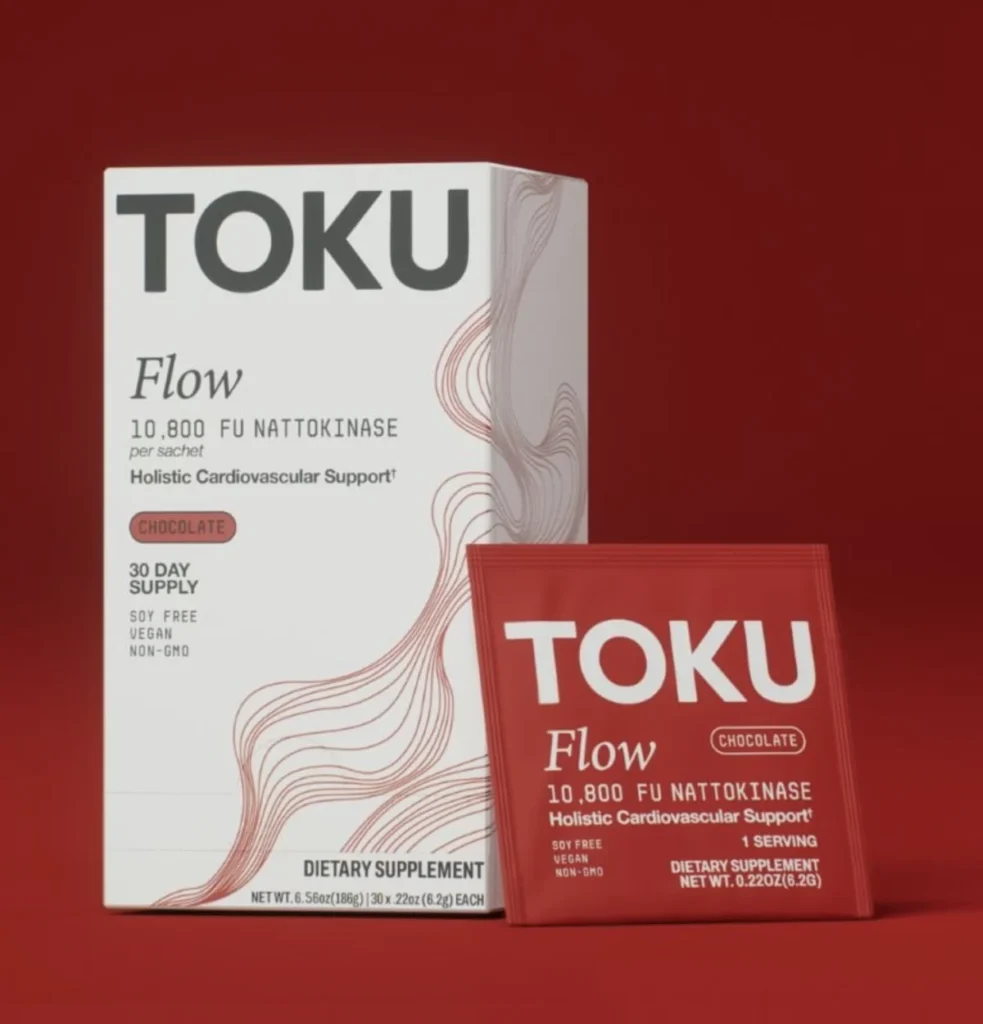
4. Toku Flow (Nattokinase): Cardiovascular and Circulatory Wellness
Maintaining optimal cardiovascular health is paramount, and a ketogenic lifestyle, while generally beneficial, can still benefit from targeted support for circulation. Efficient blood flow is crucial for nutrient delivery, waste removal, and managing inflammation throughout the body. Toku Flow is a specialized daily powdered supplement designed to promote clear and efficient blood flow and circulation, featuring nattokinase as its powerhouse ingredient.
Nattokinase is a natural enzyme derived from natto, a traditional Japanese fermented soybean dish. It has been extensively studied for its profound cardiovascular benefits, primarily due to its fibrinolytic activity—the ability to break down fibrin, a protein involved in blood clot formation. Nattokinase also exhibits anti-platelet effects and can influence blood pressure regulation.
A significant 12-month clinical study involving over 1,000 participants highlighted the efficacy of nattokinase. A daily dose of 10,800 Fibrinolytic Units (FU) of nattokinase, combined with 180 mcg of Vitamin K2, demonstrated remarkable improvements, including a 39.1% enhancement in coronary plaque health, a 25% increase in carotid artery flexibility, and reductions in total cholesterol and triglycerides. This emphasizes the importance of clinical dosing, as many commercially available nattokinase supplements offer significantly lower doses (e.g., 2,000 FU per serving), which may not yield the same therapeutic benefits.
Toku Flow can be easily integrated into any hot or cold beverage, taken at any time of day, and complements a keto lifestyle by supporting long-term vitality and overall cardiovascular wellness, ensuring that vital nutrients reach organs and muscles efficiently.
5. Electrolytes: Preventing "Keto Flu" and Maintaining Hydration
Electrolytes are essential minerals, including sodium, potassium, magnesium, and chloride, that carry an electric charge when dissolved in body fluids. They play critical roles in numerous physiological processes, such as regulating fluid balance, nerve impulse transmission, muscle contraction, and maintaining proper pH levels.
On a ketogenic diet, the body undergoes a natural diuretic effect. As carbohydrate intake decreases, insulin levels drop, signaling the kidneys to excrete more sodium and water. This increased fluid loss can rapidly deplete essential electrolytes, often leading to the debilitating symptoms of the "keto flu," including muscle cramps, headaches, brain fog, fatigue, and digestive issues. Alcohol consumption can further exacerbate this effect, necessitating even greater attention to hydration and electrolyte replenishment.
Replenishing electrolytes is crucial for preventing these symptoms and supporting proper hydration and recovery. Recommended daily amounts vary by individual factors such as age, sex, and activity level. For instance, the recommended daily intake for potassium is approximately 3,400 mg for adult males and 2,600 mg for adult females, while the upper recommended limit for sodium is generally 2,300 mg per day. While electrolytes can be obtained from foods like avocados, leafy greens, and salmon, many find supplementation to be a more convenient and consistent method. Perfect Keto Daily Electrolytes are specifically formulated to rebalance, rehydrate, and support individuals on ketogenic and other low-carbohydrate diets. It is imperative for individuals with pre-existing conditions like kidney disease or high blood pressure to consult their healthcare provider before significantly increasing electrolyte intake, as excess sodium or potassium can pose serious health risks.
6. Omega-3 Fatty Acids (Fish or Krill Oil): Balancing Inflammation and Heart Health
Omega-3 fatty acids, particularly eicosapentaenoic acid (EPA) and docosahexaenoic acid (DHA), are polyunsaturated fats deemed essential because the human body cannot produce them and must obtain them through diet. They are fundamental for maintaining optimal heart, brain, and metabolic health. On a ketogenic diet, where fat intake is high, ensuring a healthy balance between omega-3 and omega-6 fatty acids becomes particularly important, as many common keto foods like nuts, seeds, and certain oils are rich in omega-6s.
A favorable omega-3 to omega-6 ratio is critical for modulating inflammatory responses, supporting healthy cholesterol levels, and maintaining smooth metabolic function. Omega-3s contribute to cell membrane fluidity, are precursors to anti-inflammatory signaling molecules (eicosanoids), and play vital roles in neurological development and function. For individuals whose diet does not regularly include fatty fish such as salmon, sardines, or mackerel, supplementation becomes a practical way to ensure adequate intake.
Both fish oil and krill oil provide EPA and DHA. However, krill oil often contains these fatty acids in a phospholipid form, which may enhance their bioavailability. Additionally, krill oil naturally contains astaxanthin, a potent antioxidant that protects the delicate omega-3s from oxidation and offers additional anti-inflammatory and cellular protective benefits. A general recommendation for overall health is 250-500 mg of combined EPA and DHA daily, with higher doses of 1,000-3,000 mg per day potentially offering greater benefits for cardiovascular disease risk reduction and metabolic health.
7. Protein Powders: Muscle Preservation and Satiety
While the ketogenic diet is high in fat, adequate intake of high-quality protein is equally crucial. Protein is essential for maintaining lean muscle mass, supporting post-exercise recovery, and promoting satiety, which can significantly aid in dietary adherence and weight management. Despite the emphasis on fat, neglecting protein can lead to muscle catabolism, especially during periods of caloric restriction.
For individuals engaged in resistance training, sufficient protein intake is vital to maximize muscle repair, growth, and overall athletic performance. Keto-friendly protein supplements include whey protein isolate, collagen peptides, and various plant-based powders such as pea, rice, or hemp protein. Whey protein isolate is rapidly digested, making it an excellent choice for immediate post-workout recovery due to its high concentration of branched-chain amino acids (BCAAs). Collagen, as discussed, supports connective tissues and gut health. Combining different protein sources can ensure a comprehensive amino acid profile.
Experts generally recommend a daily protein target range of 1.2-2.0 grams per kilogram of body weight, depending on an individual’s lifestyle, activity level, and specific goals. For optimal results in muscle protein synthesis, aiming for 20-40 grams of protein within one to two hours after exercise is often advised, with total daily protein distributed across meals. When selecting a protein powder, consumers should prioritize low-carb, unsweetened formulas free from fillers or added sugars. Products like Perfect Keto Whey Protein can effectively help individuals meet their daily protein requirements and support recovery, particularly when dietary intake alone proves challenging.
8. Nootropic Blends: Enhancing Cognitive Function
Many individuals adopting a ketogenic diet report experiencing enhanced mental clarity, sharper focus, and improved cognitive function. This phenomenon is often attributed to the brain’s efficient utilization of ketone bodies, which provide a stable energy source and may exert neuroprotective and anti-inflammatory effects. For those seeking an additional cognitive edge, nootropic blends, often referred to as "smart drugs," are designed to complement these benefits by supporting memory, focus, and mental energy.
Nootropic blends typically combine several active ingredients known for their cognitive-enhancing properties. Common components include L-theanine (an amino acid found in green tea, known for promoting calm focus), Ginkgo Biloba (traditionally used to support cerebral blood flow), Bacopa Monnieri (an adaptogen linked to memory improvement), DHA (an omega-3 fatty acid critical for brain structure and function), and MCTs (for rapid brain fuel). Studies suggest that synergistic combinations of these ingredients may lead to benefits such as improved cerebral circulation and enhanced cognitive function.
It is important to acknowledge that while the individual components of nootropic blends often have scientific backing, the evidence for the efficacy of specific blends can be more limited, and individual responses may vary significantly. The nootropic market is continuously evolving, and more robust, large-scale human trials are often needed to definitively establish the long-term benefits of complex formulations. For those interested in exploring these benefits, Perfect Keto Nootropic offers a blend that combines exogenous ketones, MCTs, and grass-fed collagen to fuel cognitive activities and enhance mental clarity within a ketogenic framework.
Navigating the Supplement Market: Safety and Regulation
The dietary supplement industry, particularly within niche markets like ketogenic products, operates under different regulatory frameworks than pharmaceutical drugs. In the United States, the Food and Drug Administration (FDA) regulates supplements as a category of food, not medication, meaning they do not undergo the same rigorous pre-market approval process. This necessitates a proactive approach from consumers to prioritize safety and quality when selecting products.
Key Considerations for Safe and Effective Supplement Selection:
- Third-Party Certifications: Look for certifications from reputable organizations like NSF International, USP Verified, or Informed-Sport. These certifications indicate that the product has been tested for purity, potency, and absence of contaminants (e.g., heavy metals, pesticides, undeclared ingredients) and that it contains the ingredients listed on the label in the declared amounts.
- Transparent Labeling: Choose brands that clearly list all ingredients, including active compounds and any inactive fillers or binders. Avoid "proprietary blends" where individual ingredient amounts are not disclosed, as this can obscure potency and potential allergens.
- Ingredient Quality and Sourcing: Research the source and quality of ingredients. For example, grass-fed collagen, MCTs from coconuts, and sustainably sourced omega-3s are indicators of higher quality.
- Absence of Unnecessary Additives: Opt for products free from artificial sweeteners, colors, flavors, or excessive fillers, as these can sometimes interfere with ketosis or cause digestive issues.
- Reputation and Reviews: Consider the brand’s reputation and read independent reviews, though always with a critical eye.
Expert Perspectives and Long-Term Implications
Nutritionists and healthcare professionals generally advocate for a "food first" approach, emphasizing that a well-formulated ketogenic diet should be the primary source of nutrients. Supplements, while potentially beneficial, are intended to supplement and not replace whole foods. Registered dietitians often stress the importance of personalized nutrition, recommending that individuals consult with a healthcare provider or a dietitian before starting any new supplement regimen, especially if they have underlying health conditions, are pregnant or breastfeeding, or are taking medications.
The rapid growth of the keto supplement market underscores both consumer demand and the industry’s responsiveness. However, this expansion also highlights the critical need for increased consumer education and potentially more stringent regulatory oversight. Ensuring product integrity and accurate labeling is crucial to protect consumers from misleading claims or potentially harmful ingredients.
From a long-term health perspective, the implications of sustained ketogenic diets are still being actively researched. While initial studies are promising for various metabolic markers, the role of supplements in supporting the long-term sustainability and safety of the diet is an evolving area. For example, ensuring adequate micronutrient intake and supporting cardiovascular health with supplements like nattokinase or omega-3s could be vital for individuals committed to the ketogenic lifestyle for extended periods.
Safety Considerations and Potential Side Effects:
Even natural keto supplements can cause side effects or interact with medications. It is paramount to use them judiciously and under professional guidance.
- Digestive Issues: High doses of MCTs or exogenous ketones, particularly when introduced too quickly, can lead to gastrointestinal distress such as nausea, diarrhea, bloating, or stomach cramps.
- Electrolyte Imbalances: While electrolytes are essential, excessive intake, especially of sodium or potassium, can be dangerous for individuals with kidney disease or certain cardiovascular conditions like hypertension. Symptoms of electrolyte imbalance can include nausea, fatigue, headaches, and even cardiac irregularities.
- Medication Interactions: Certain supplements can interact with prescription medications. Nattokinase and omega-3 fatty acids, for example, can have blood-thinning effects and should be used with extreme caution or avoided by individuals on anticoagulant medications (e.g., warfarin). Blood sugar-lowering supplements, if used in conjunction with diabetes medications, could potentially cause hypoglycemia.
- Quality and Contaminants: Due to the less stringent regulation of supplements, there is a risk of products containing undeclared ingredients, contaminants, or inaccurate dosages. This risk is mitigated by choosing third-party certified products.
The Bottom Line
The ketogenic diet offers a powerful metabolic strategy for various health goals, but its unique demands can create specific nutritional challenges. The best keto supplements are not magic pills for weight loss or instant health, but rather strategic tools that can help individuals navigate the transition into ketosis, mitigate adverse symptoms like the "keto flu," maintain energy levels, and fill potential nutrient gaps. They function most effectively when integrated into a holistic approach that prioritizes a nutrient-dense, well-formulated ketogenic diet, regular physical activity, and consistent healthy habits.
For those who have optimized their foundational diet and exercise routines, incorporating targeted supplements can simplify the ketogenic lifestyle, enhance workout performance, and contribute to more stable energy levels and overall well-being. Options such as Perfect Keto Base for exogenous ketone support, Perfect Keto Whey Protein for muscle maintenance, and Perfect Keto MCT Oil Powder for rapid energy are examples of products designed to complement a ketogenic regimen naturally and effectively. Always consult with a healthcare professional or a registered dietitian before initiating any new supplement to ensure it aligns with individual health needs and existing medical conditions.