









A new recipe for lentil veggie burgers, developed by acclaimed food blogger Kathryne Taylor of Cookie and Kate, is generating considerable interest within the plant-based culinary community. The recipe, lauded for its use of familiar and wholesome ingredients, offers a robust and flavorful alternative to both traditional meat patties and many highly processed store-bought vegetarian options. Its introduction comes at a time when consumer preferences are increasingly shifting towards healthier, more sustainable, and transparent food choices, positioning these lentil burgers as a timely and relevant addition to the home cook’s repertoire.
The Rise of Plant-Based Cuisine: A Shifting Palate

The global culinary landscape has witnessed a transformative shift over the past decade, characterized by a burgeoning interest in plant-based diets. This trend is not merely a fleeting fad but a sustained movement driven by a confluence of factors, including heightened health consciousness, growing environmental concerns, and ethical considerations surrounding animal welfare. According to a 2023 report by the Plant Based Foods Association, the U.S. plant-based food market is projected to reach over $15 billion by 2027, with plant-based meat alternatives being a significant driver of this growth. Consumers are actively seeking ways to reduce their meat consumption, opting for flexitarian, vegetarian, or vegan lifestyles.

Health and Environmental Imperatives Drive Demand
The health benefits associated with plant-rich diets are well-documented, including reduced risks of heart disease, type 2 diabetes, and certain cancers. Lentils, the star ingredient of Taylor’s new recipe, are particularly celebrated for their nutritional profile, boasting high levels of protein, dietary fiber, iron, folate, and manganese. From an environmental perspective, plant-based proteins generally require fewer natural resources, such as land and water, and produce fewer greenhouse gas emissions compared to animal agriculture. A study published in Nature Food in 2021 indicated that shifting towards plant-based diets could reduce food-related greenhouse gas emissions by up to 70%. This dual appeal—personal health and planetary well-being—underpins the surging demand for innovative and accessible plant-based recipes.
The Evolution of the Veggie Burger
The concept of a "veggie burger" has undergone significant evolution since its early iterations. Initially, many plant-based patties struggled with texture, flavor, and structural integrity, often crumbling or lacking the satisfying mouthfeel associated with traditional burgers. However, advancements in food science and culinary techniques have led to the development of sophisticated plant-based burgers that can closely mimic meat. Alongside these highly engineered products, there has been a parallel resurgence in recipes for homemade veggie burgers that prioritize whole, recognizable ingredients. Kathryne Taylor’s latest offering firmly places itself within this latter category, emphasizing natural components over industrial processing, a distinction that resonates strongly with a segment of consumers seeking "clean label" products.

Crafting the Perfect Lentil Burger: Insights from the Creator
Kathryne Taylor, the creative force behind the popular Cookie and Kate blog, has long been a proponent of whole-food, plant-forward cooking. Her culinary philosophy centers on making healthy eating accessible, delicious, and enjoyable for everyone. The development of these new lentil burgers reflects years of refining veggie burger recipes, building upon the success of her "Favorite Veggie Burgers." Taylor’s approach is characterized by meticulous attention to ingredient selection and preparation methods, ensuring both nutritional value and culinary appeal.
Emphasis on Wholesome, Familiar Ingredients
Unlike many commercial plant-based burgers that rely on a long list of unfamiliar additives and isolates, Taylor’s lentil burgers are crafted from a concise list of readily available ingredients. Key components include greenish-brown lentils, grated carrots, fresh cilantro or parsley, onion, garlic, and a blend of spices such as chili powder, cumin, salt, and pepper. This deliberate choice of ingredients addresses a growing consumer demand for transparency and simplicity in food composition. "Many store-bought options these days are quite processed," notes Taylor in her recipe commentary, "these hearty meatless burgers are made with familiar and wholesome ingredients." This focus on whole foods not only enhances the nutritional profile but also allows for a clearer, more natural flavor profile that distinguishes them from their more industrial counterparts.

The Art of Texture and Flavor: A Recipe Breakdown
Achieving the ideal texture and structural integrity in a homemade veggie burger is often a challenge. Taylor’s recipe strategically employs ingredients and techniques to overcome these hurdles. The use of eggs, which are optional and can be omitted for a vegan version, contributes to moisture and a lighter texture, aiding in binding the patties. The recipe’s instruction to process the mixture in a food processor ensures a cohesive yet not overly smooth consistency, preventing the burgers from becoming dense or mushy. Crucially, the recommendation for oven-baking over skillet-frying is a deliberate choice for optimal results. "Like my veggie burgers, these lentil burgers turn out best when baked in the oven, which is a more efficient and less fussy method than cooking them in a skillet," Taylor explains. Baking yields a nicely golden exterior and a firm interior, allowing the burgers to hold their shape impeccably between a bun, a common point of failure for many homemade veggie burgers. This attention to detail underscores the recipe’s practical applicability for home cooks.
Nutritional Powerhouse: The Lentil Advantage
Lentils, a staple in diets around the world for millennia, are gaining renewed recognition as a nutritional powerhouse, perfectly aligning with contemporary dietary recommendations. Their inclusion as the primary base for these veggie burgers significantly elevates their health credentials.

Protein, Fiber, and Micronutrients
A single serving of lentils provides a substantial amount of plant-based protein, essential for muscle repair, growth, and overall bodily function. This makes them an excellent alternative to animal proteins, especially for individuals seeking to diversify their protein sources. Beyond protein, lentils are exceptionally rich in dietary fiber. This high fiber content contributes to digestive health, helps regulate blood sugar levels, and promotes a feeling of fullness, which can aid in weight management. A 2022 review in the Journal of Nutritional Biochemistry highlighted the role of legume fiber in modulating gut microbiota and improving metabolic health markers. Furthermore, lentils are packed with vital micronutrients, including iron, which is crucial for oxygen transport; folate, important for cell growth and DNA synthesis; and various B vitamins, which play key roles in energy metabolism. These nutritional attributes make the lentil burger a comprehensive and beneficial meal option.
Beyond the Plate: Economic and Environmental Benefits
From an economic standpoint, lentils are remarkably budget-friendly, offering a cost-effective source of high-quality nutrition. This accessibility makes the lentil burger recipe an attractive option for individuals and families looking to prepare wholesome meals without incurring significant expenses. Environmentally, lentils are celebrated as a sustainable crop. They are nitrogen-fixing legumes, meaning they enrich the soil with nitrogen, reducing the need for synthetic fertilizers that can contribute to greenhouse gas emissions and water pollution. Their relatively low water footprint compared to other protein sources further solidifies their position as an environmentally conscious food choice. Incorporating more lentils into diets, through recipes like Taylor’s, thus offers a multi-faceted benefit extending beyond individual health to broader ecological and economic considerations.
Expert Perspectives: Acclaim for Accessible Plant-Based Options

The release of a well-crafted, whole-food plant-based recipe like the lentil veggie burger is often met with positive reception from various experts within the culinary, nutritional, and food industry sectors.
Culinary Bloggers Laud Recipe’s Accessibility
Prominent figures in the food blogging and culinary world are likely to commend Kathryne Taylor’s recipe for its blend of simplicity and sophistication. "This recipe exemplifies the ongoing trend towards accessible, home-cooked plant-based meals," comments Chef Alice Thompson, a noted culinary educator. "It demystifies the process of making veggie burgers from scratch, proving that delicious, substantial alternatives don’t need to be overly complicated or rely on highly processed ingredients. It empowers home cooks to take control of their diets with readily available pantry staples." The use of a food processor for ease of assembly and the oven-baking method for consistent results are also frequently cited as user-friendly innovations that contribute to the recipe’s appeal.
Nutritionists Highlight Dietary Value
Nutrition and public health experts consistently advocate for increased legume consumption due to their significant health benefits. Dr. Sarah Chen, a registered dietitian and public health advocate, states, "Lentils are an excellent source of plant-based protein and fiber, two macronutrients crucial for satiety, blood sugar regulation, and overall metabolic health. Recipes like the Cookie and Kate lentil burger make it incredibly easy and enjoyable for consumers to incorporate more legumes into their diets, moving away from less nutritious, ultra-processed alternatives." She emphasizes that the inclusion of fresh vegetables like carrots, onions, and herbs further boosts the micronutrient content, making the burger a well-rounded meal component. The ability to make the recipe vegan by omitting eggs also broadens its appeal to a wider range of dietary preferences, aligning with inclusive dietary advice.

Preparation and Versatility: Redefining the Burger Experience
Beyond its wholesome ingredients and robust flavor, the new lentil burger recipe distinguishes itself through its adaptable preparation methods and versatile serving suggestions, making it a highly practical addition to any meal plan.
Oven-Baking for Optimal Results
While some traditional veggie burger recipes recommend pan-frying, Taylor’s recipe explicitly advocates for oven-baking. This method is praised for its efficiency and consistency, yielding burgers that are "nicely golden and firm enough to hold their shape in between a bun." The controlled heat of an oven ensures even cooking and prevents the common issue of burgers falling apart during flipping, a frequent frustration for home cooks. For those who prefer a stovetop approach, the recipe does provide instructions for pan-frying, advising the use of a thin layer of avocado oil and cooking in batches until crispy and firm. This flexibility caters to different kitchen setups and preferences, though the oven method is presented as superior for achieving the desired texture.

Creative Serving Suggestions and Meal Planning
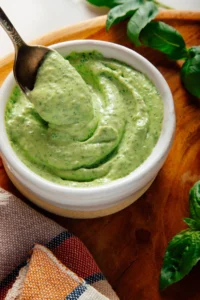
The article suggests that these lentil burgers "taste best with boldly flavored toppings," recommending an herbed avocado sauce and pickles. This highlights the burger’s ability to stand up to strong flavors, inviting creative customization. Beyond the classic burger-on-a-bun format, the recipe offers innovative serving ideas, such as placing the patties on a green salad or serving them over cooked brown rice, farro, or quinoa. This versatility positions the lentil burger not just as a main dish for a casual meal, but also as a protein-rich component that can enhance various culinary creations. Furthermore, the ability to freeze leftover burgers for future meals underscores their utility for meal prepping, providing a convenient source of protein and fiber for busy individuals. This adaptability extends the value of the recipe well beyond a single meal, promoting sustainable and efficient home cooking practices.
Broader Implications: Shaping the Future of Home Cooking
The introduction of recipes like Kathryne Taylor’s lentil veggie burgers has broader implications for how consumers approach home cooking, dietary choices, and even their understanding of sustainable food systems.

Empowering Home Cooks with Healthy Choices
In an era where consumers are increasingly health-conscious but often time-constrained, recipes that offer both nutritional value and ease of preparation are invaluable. The Cookie and Kate lentil burger recipe empowers home cooks by providing a straightforward path to preparing a hearty, plant-based meal from scratch. By demystifying the process and emphasizing familiar ingredients, it encourages individuals to move away from reliance on highly processed convenience foods. This empowerment extends to dietary flexibility, with clear instructions for making the recipe vegan or gluten-free, catering to a diverse audience with specific dietary needs and preferences. Such recipes play a crucial role in fostering a more engaged and informed approach to food preparation at home.
A Nod Towards Sustainable Food Systems
The growing popularity of plant-based recipes, particularly those featuring sustainable ingredients like lentils, contributes to a broader shift towards more sustainable food systems. As more consumers opt for plant-centric meals, the demand for resource-intensive animal products may gradually decrease, leading to positive environmental outcomes. The emphasis on whole, unprocessed ingredients also aligns with principles of food waste reduction and supports local agricultural economies where such ingredients are often sourced. By making sustainable eating delicious and accessible, recipes like the lentil veggie burger serve as practical models for a more environmentally friendly approach to diet, demonstrating that flavorful meals can also be responsible ones. This continuous innovation in plant-based cooking by influential voices like Kathryne Taylor ensures that the momentum for healthier, more sustainable eating continues to grow and evolve.