







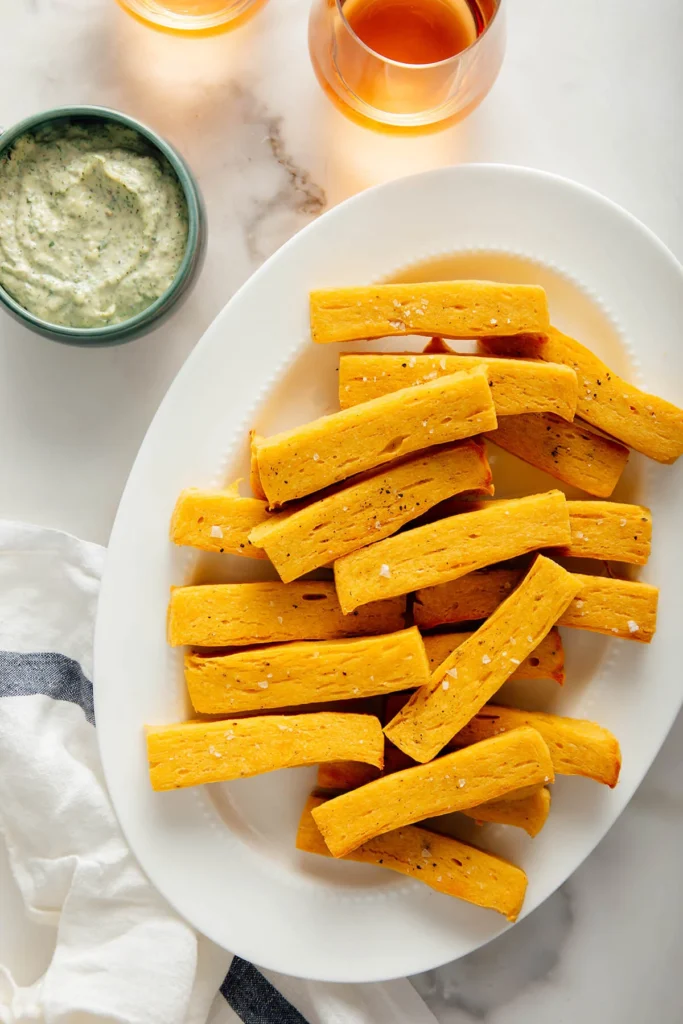
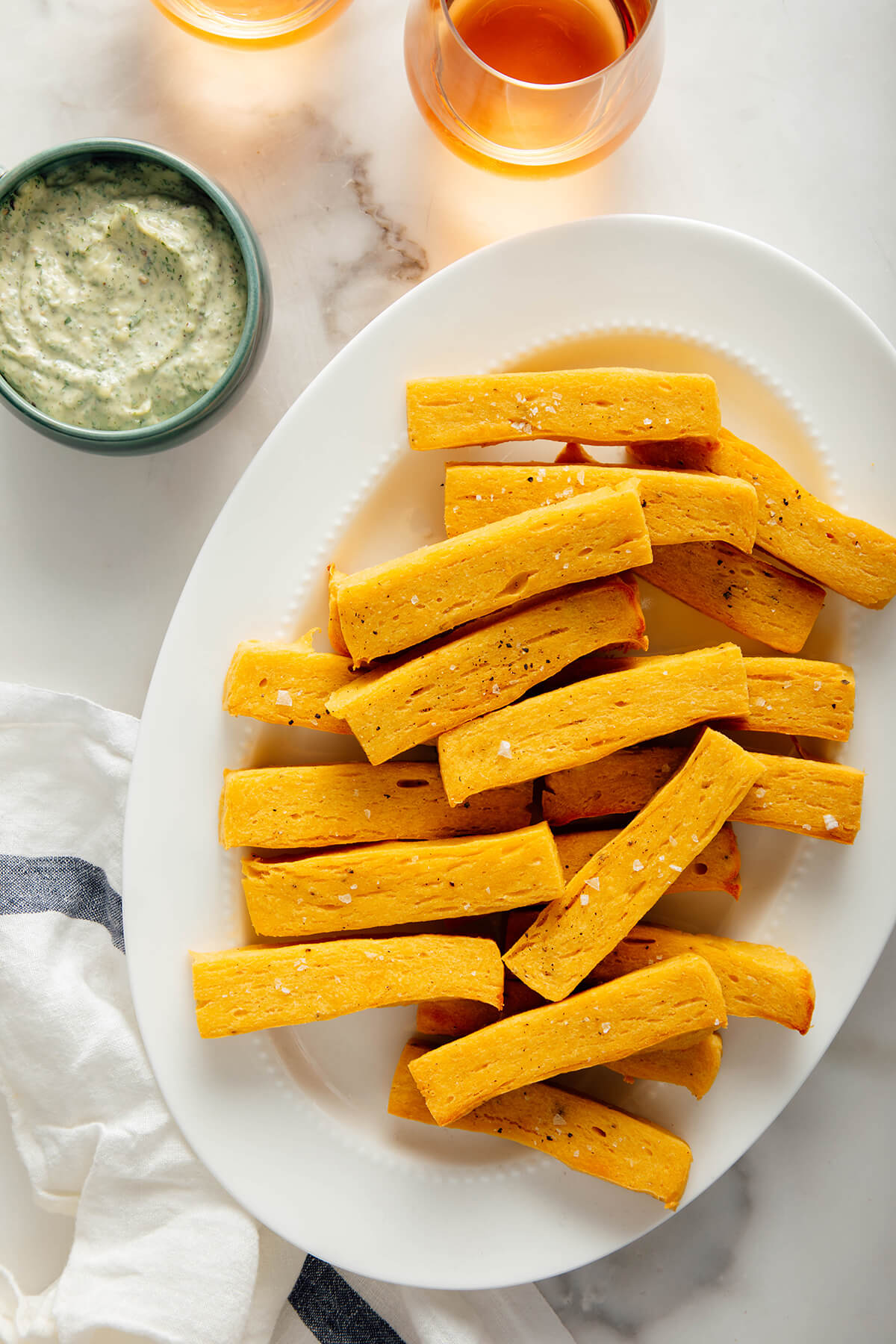
Originating from the sun-drenched region of Provence, France, panisses represent a unique and increasingly popular culinary delight, distinguishing themselves as an irresistible alternative to traditional potato fries. These delectable chickpea-based fritters offer a captivating textural contrast: a remarkably crisp, golden exterior yielding to a pillowy-soft, almost creamy interior, often likened to a delicate polenta. Beyond their captivating taste and texture, panisses are gaining recognition for their superior nutritional profile, providing a hearty source of protein, dietary fiber, and beneficial monounsaturated fats, positioning them as a healthier indulgence in the realm of fried snacks.
A Provençal Delicacy with Ancient Roots
Panisses are more than just a snack; they are a direct culinary descendant of ancient Mediterranean traditions, specifically rooted in the historical use of chickpea flour. This staple ingredient has been a cornerstone of diets across the Mediterranean basin for millennia, valued for its robust flavor, versatility, and nutritional density. In Provence, panisses have long been a cherished street food and appetizer, embodying the region’s simple yet profound culinary philosophy that celebrates fresh, local ingredients. Their presence in local markets and bustling bistros underscores their deep integration into Provençal culture, often served hot and generously salted, perhaps alongside a cool glass of local rosé wine, offering a quintessential taste of the French Riviera.
The appeal of panisses lies not only in their immediate sensory pleasure but also in their historical lineage. They belong to a family of chickpea flour-based preparations found across the Mediterranean, including socca from Nice, France, and farinata from Liguria, Italy. While sharing common ingredients and a fundamental preparation method – a thin batter cooked until set – each regional variation boasts distinct characteristics in thickness, texture, and serving traditions. Socca is typically a very thin, crepe-like pancake, often cooked in wood-fired ovens, while farinata presents a similar, slightly thicker consistency. Panisses, however, are unique in their two-stage preparation, first cooked into a firm block, then cut into strips or shapes and fried or baked, transforming them into the familiar "fry" format that provides their signature crisp-tender appeal. This evolution highlights a shared culinary heritage, where humble ingredients are transformed through ingenious techniques into beloved regional specialties.
Crafting Panisses: Simplicity Meets Culinary Artistry
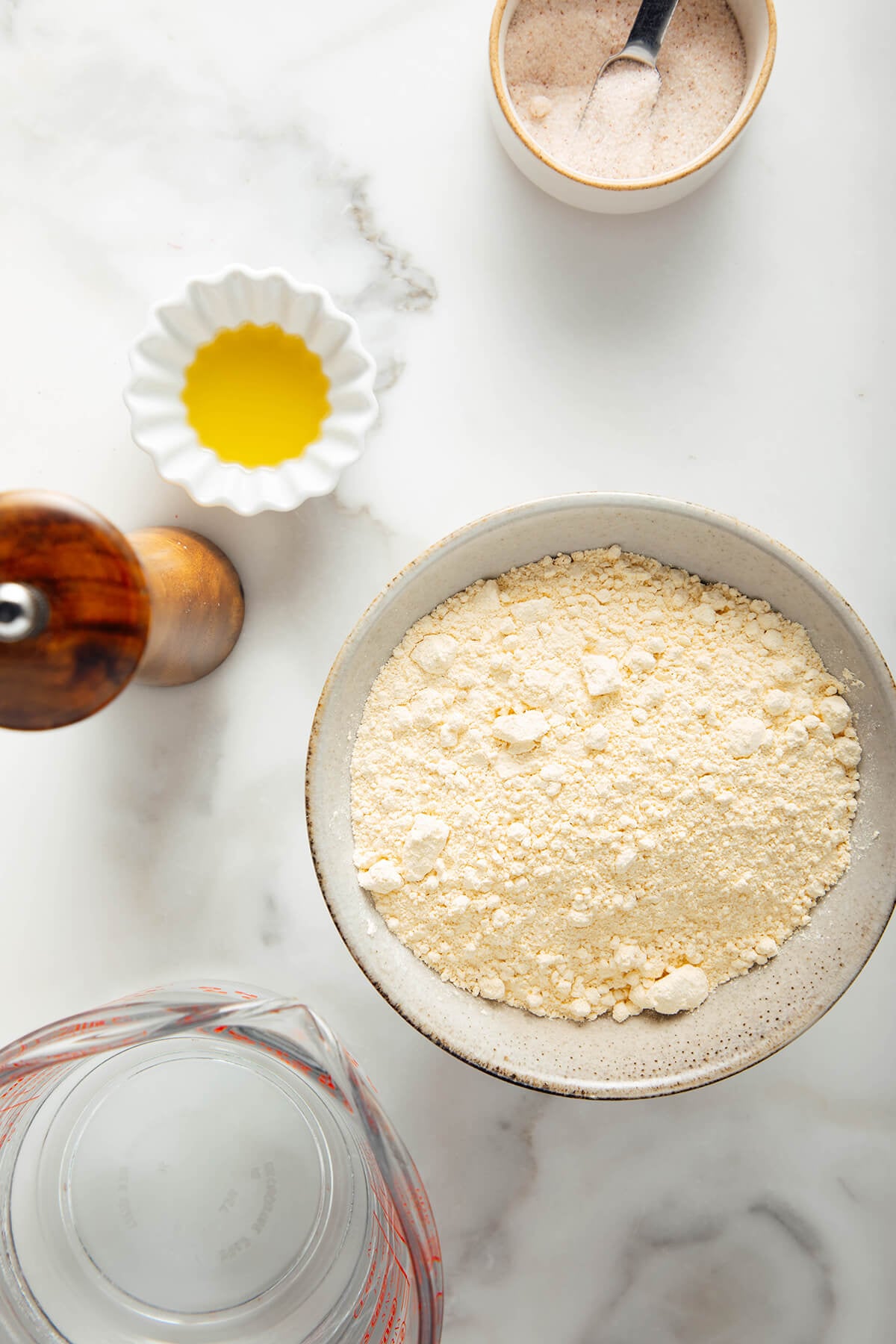
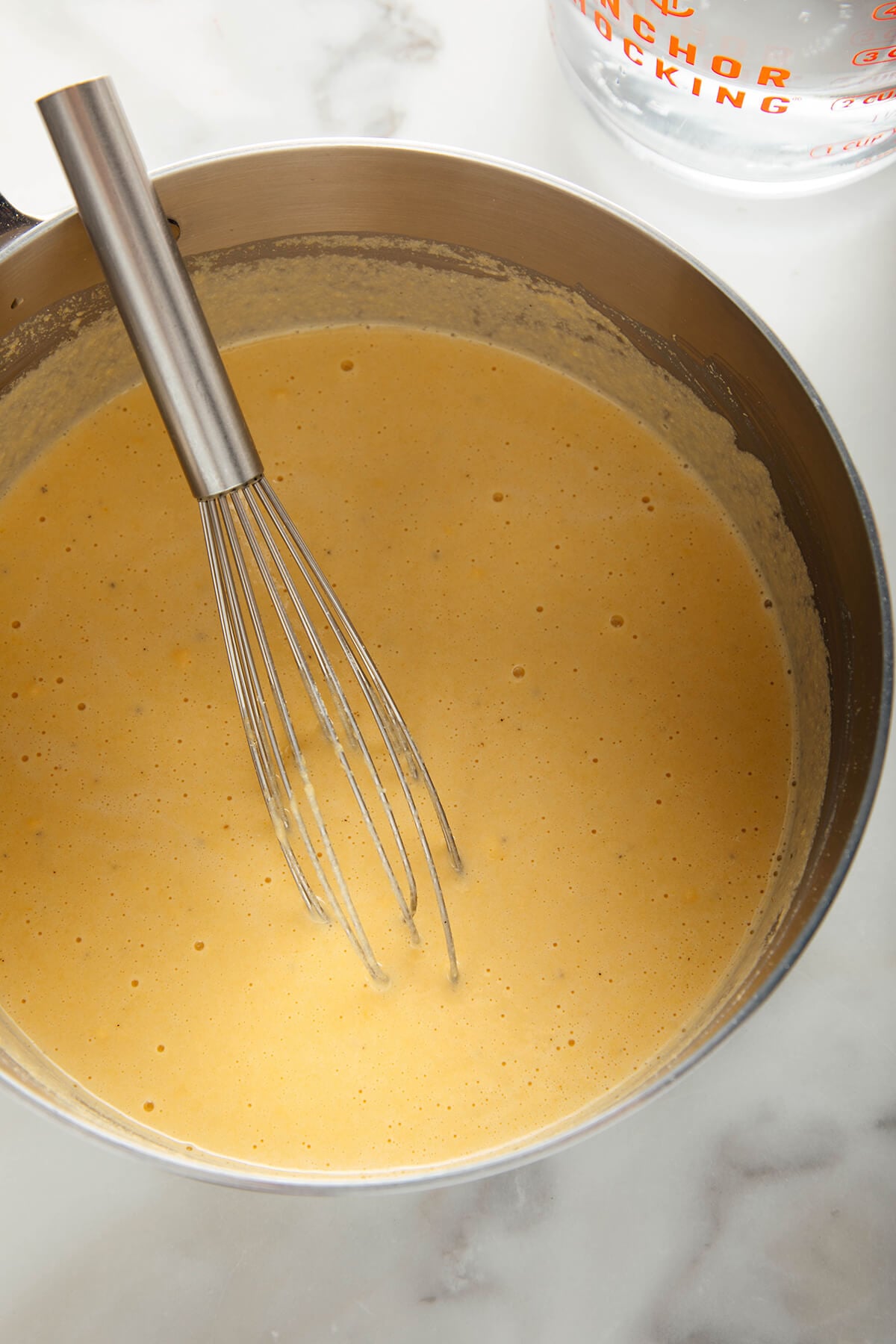
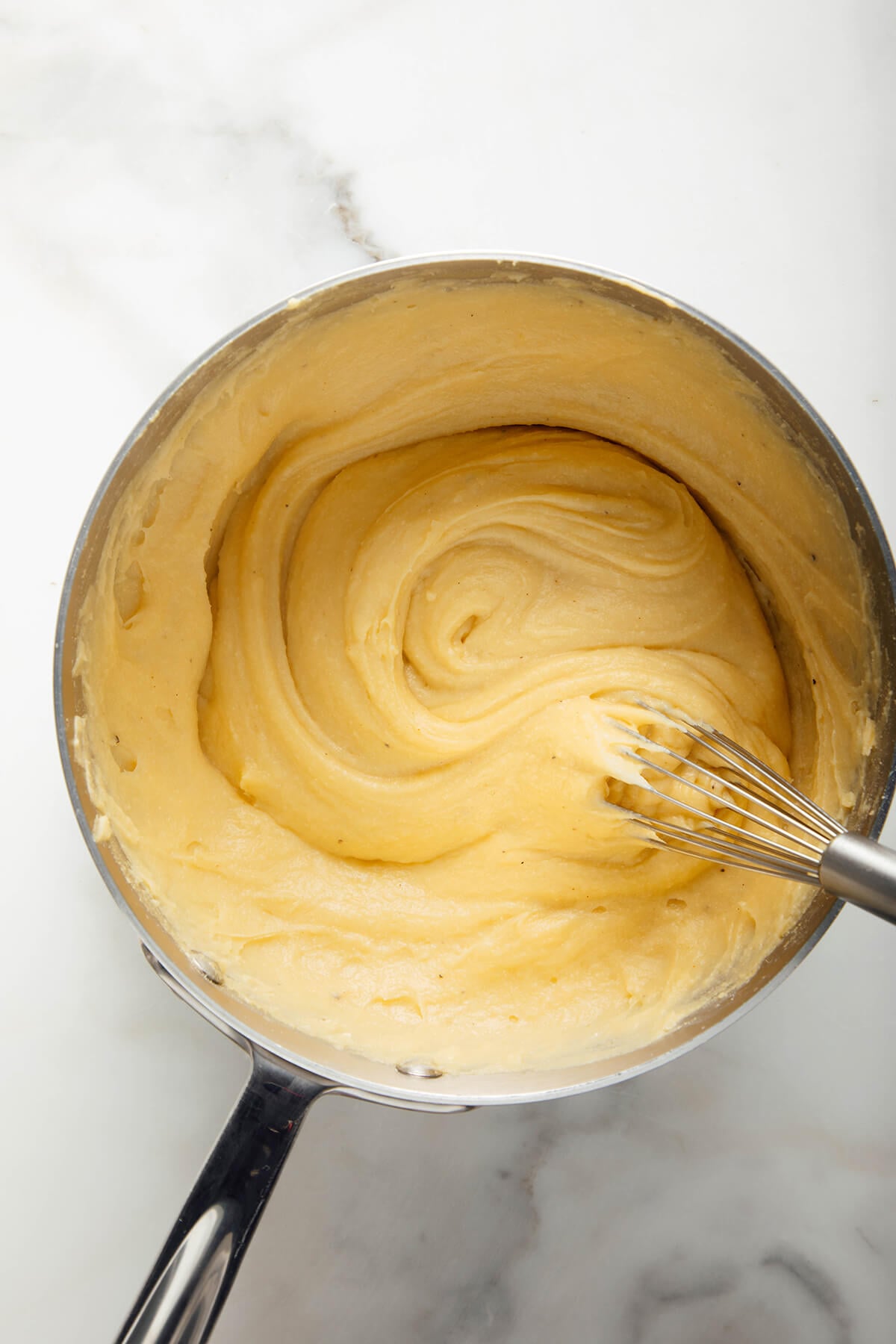
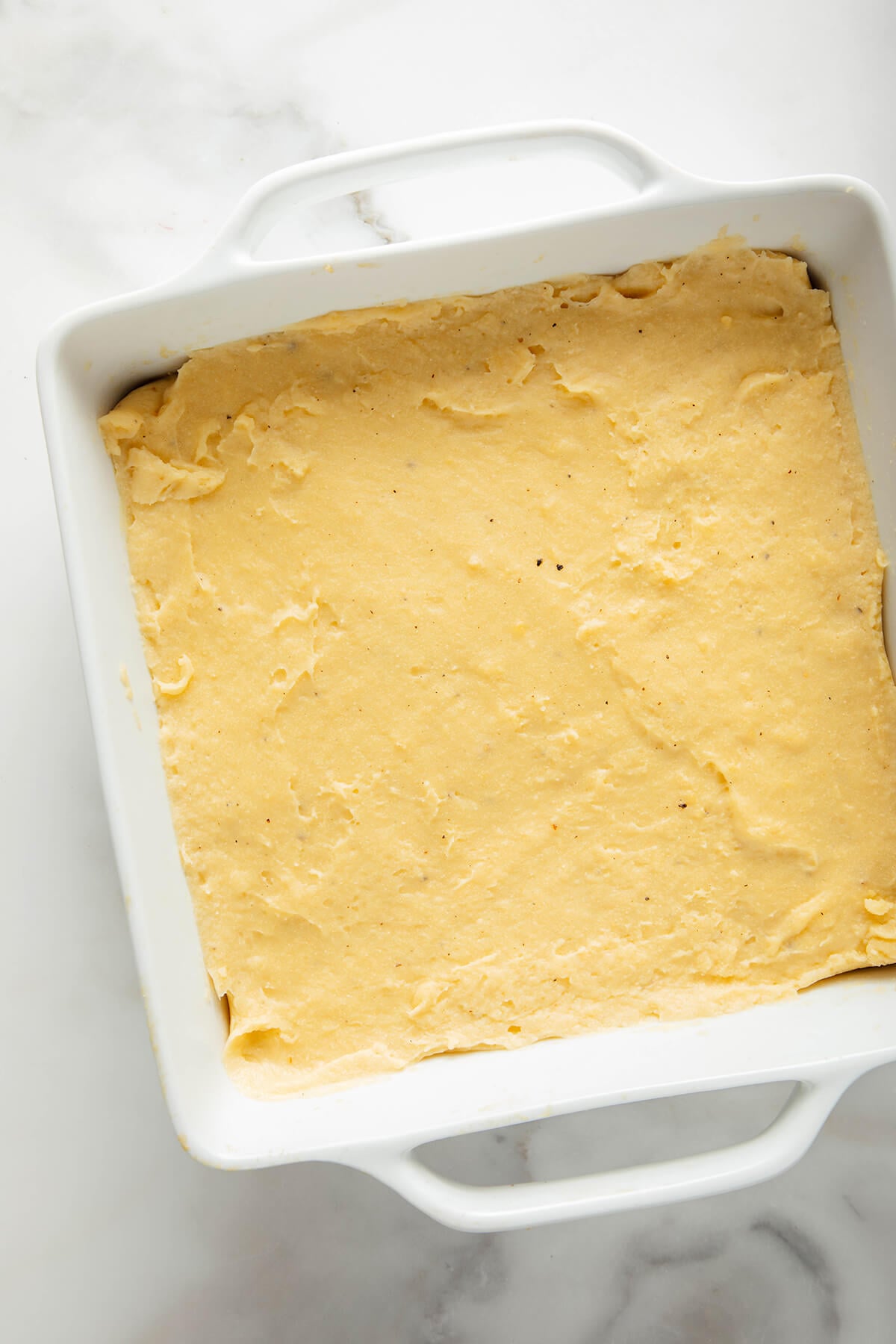
The ingredient list for panisses is remarkably straightforward: chickpea flour, water, olive oil, and a touch of salt and pepper. This simplicity, however, belies the artisanal skill involved in their preparation, a process that, while not inherently difficult, requires attention to detail and a multi-step approach. The initial stage involves whisking chickpea flour with water, often heated, to create a smooth, thick batter. This batter is then cooked, similar to polenta, until it achieves a firm, spreadable consistency. Once cooked, it is typically poured into a shallow dish or pan and allowed to cool and set completely, often overnight or for several hours, until it becomes solid enough to be cut. This cooling and setting phase is crucial for developing the characteristic texture and ensuring the panisses hold their shape during the final cooking stage.
Once the chickpea mixture has firmed up, it is cut into strips, rectangles, or other desired shapes, resembling traditional potato fries. It is at this point that the cook chooses their preferred method of achieving the final, golden crispness.
Traditional Frying vs. Modern Baking: A Dual Approach
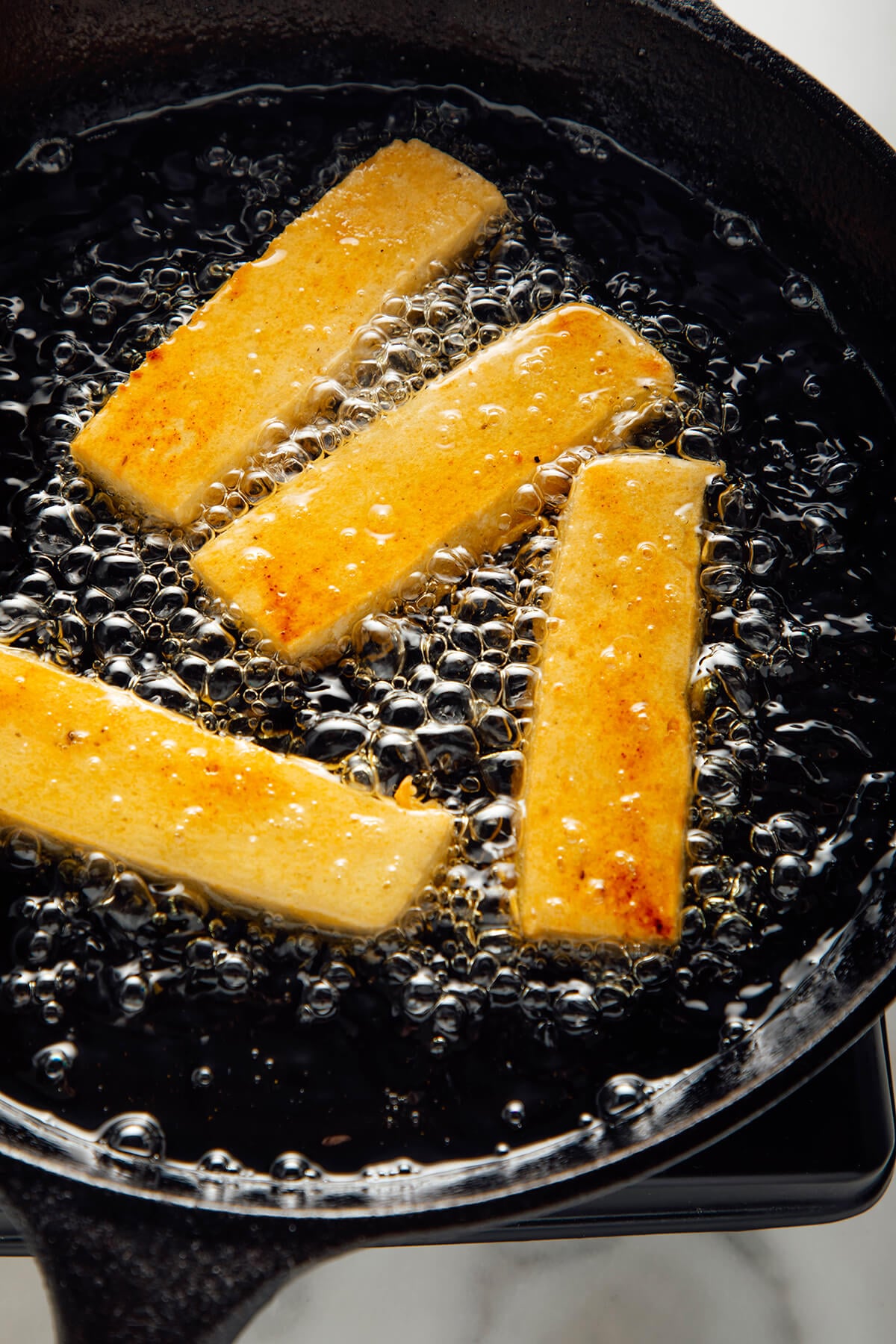
Historically, panisses are pan-fried in olive oil or a blend of olive oil and a higher smoke point vegetable oil. This method, when executed correctly, imparts an unparalleled depth of flavor and an extra-crispy, beautifully golden exterior. However, frying can be a finicky process, demanding close supervision to prevent the oil from overheating and potentially smoking, particularly when using extra-virgin olive oil, which has a relatively lower smoke point. Culinary experts often recommend using oils with higher smoke points, such as avocado oil, for frying to mitigate these challenges and ensure a consistent, safe cooking experience. The result is a deeply flavorful, intensely crisp panisse that captures the authentic taste of Provençal street food.
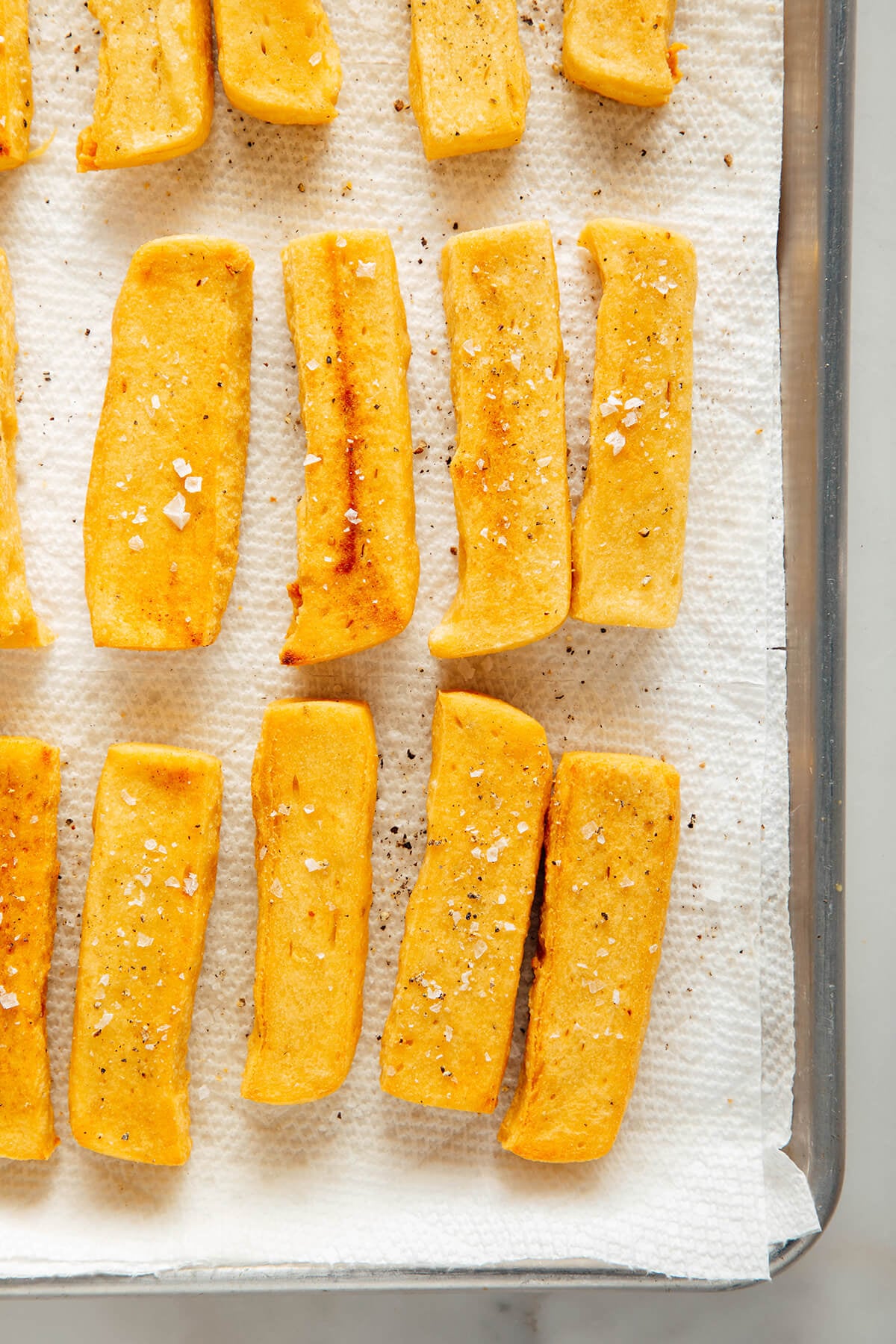
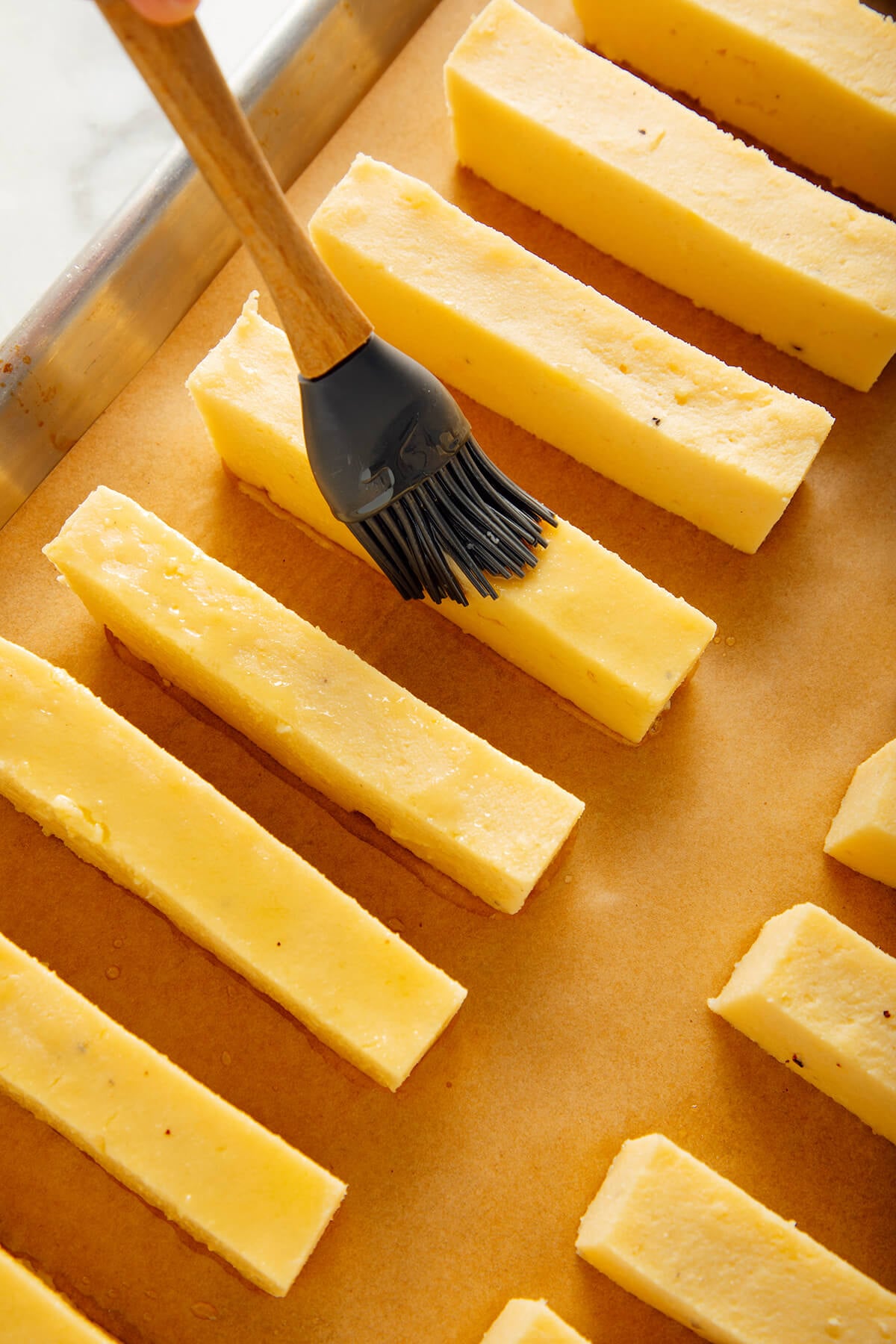
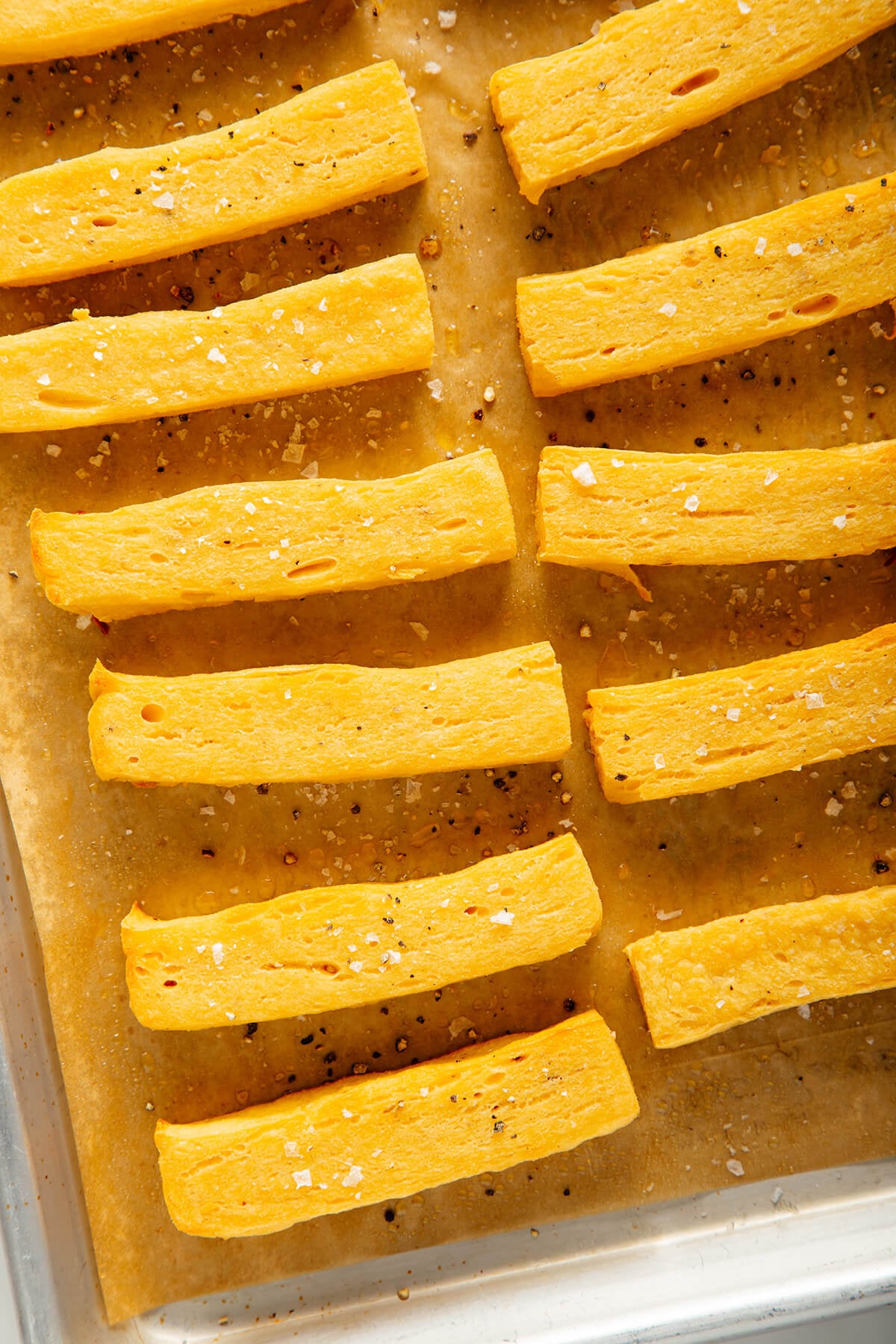
For those seeking a less hands-on approach or a slightly lighter alternative, baking has emerged as a popular and equally effective method. The baked version of panisses offers a convenient, less fussy process while still delivering a satisfyingly crisp and evenly golden exterior. The preparation involves brushing the raw panisse strips generously with olive oil before baking them until golden on one side. A crucial technique for maximizing crispness in the baked method, as discovered through extensive recipe development, involves flipping the panisses midway through cooking and drizzling additional olive oil along their length. This targeted application of oil helps achieve a texture remarkably close to their fried counterparts, ensuring a truly irresistible crunch. While baking typically takes longer than frying, the reduced need for constant attention makes it an appealing option for home cooks and busy kitchens.
Nutritional Superiority: A Healthier Indulgence
One of the most compelling aspects of panisses, particularly in an era of increasing health consciousness, is their impressive nutritional profile. Unlike traditional potato fries, which are primarily composed of simple carbohydrates and often deep-fried in less healthy oils, panisses offer a robust blend of macronutrients. Chickpea flour, the primary ingredient, is a powerhouse of plant-based protein and dietary fiber. A single serving of panisses can contribute significantly to daily protein intake, essential for muscle repair and satiety, and provides ample fiber, which aids digestion, helps regulate blood sugar levels, and contributes to feelings of fullness.
Furthermore, the judicious use of olive oil, especially extra-virgin olive oil, imbues panisses with beneficial monounsaturated fats. These healthy fats are known for their cardiovascular benefits, including helping to lower bad cholesterol levels and reduce the risk of heart disease. When compared directly to conventional potato fries, panisses offer a more balanced nutritional package. They typically have a lower glycemic index due to the complex carbohydrates and fiber in chickpeas, leading to a more gradual rise in blood sugar. Moreover, chickpea flour is naturally gluten-free, making panisses an excellent option for individuals with celiac disease or gluten sensitivity, aligning with a growing demand for inclusive dietary choices. This makes panisses not just a delicious snack, but a genuinely healthful one, appealing to both gourmands and health advocates alike.
Serving Panisses: Versatility on the Plate
The versatility of panisses extends well beyond their preparation methods, influencing how they can be incorporated into a meal. In their native France, warm panisses are traditionally enjoyed with a crisp, cool glass of rosé, a pairing that epitomizes the relaxed elegance of Provençal dining. Beyond this classic combination, panisses serve beautifully as a sophisticated appetizer, a component of a larger tapas spread, or a unique side dish alongside a light meal. Their mild, earthy flavor and satisfying texture make them an excellent canvas for a variety of accompaniments.
The Art of the Dip: Enhancing the Panisse Experience
While delicious on their own, panisses truly shine when paired with a creamy dipping sauce. Culinary experts agree that a silky, mayo-based sauce provides an ideal counterpoint to the crisp-tender texture of the chickpea fries. The options for enhancing the panisse experience through dips are abundant and diverse, catering to a wide range of palates. Classic French aioli, a garlic-infused mayonnaise, is a natural choice, echoing the Mediterranean roots of the dish. Other popular options include a vibrant Creamy Basil Sauce, offering herbaceous freshness, or a robust Romesco, with its rich tomato and nut base. For those who appreciate a bit of heat, a harissa-spiked mayonnaise adds a tantalizing kick. Lemon-herb dips, often featuring fresh parsley, chives, or dill, provide a bright, zesty contrast. The key is to select a sauce that complements the panisse’s subtle flavor without overpowering it, creating a harmonious blend of tastes and textures.
Panisses can also be integrated into more substantial meals. They pair exceptionally well with a variety of fresh salads, adding a hearty, gluten-free crunch. As part of a Mediterranean-style mezze platter, alongside olives, hummus, roasted vegetables, and crusty bread, they contribute a unique texture and flavor profile. Their adaptability allows them to transition seamlessly from a casual snack to a refined component of a multi-course dining experience.
Panisses Beyond Provence: A Global Culinary Journey
In recent years, the appeal of panisses has transcended the borders of Provence, finding a place on menus in international culinary hotspots. Their emergence in tapas restaurants in cities like Kansas City, as noted by enthusiastic diners, signifies a growing global appreciation for authentic regional specialties that also cater to contemporary dietary trends. This expansion is largely driven by several factors: the increasing interest in plant-based and gluten-free dining, the broader movement towards Mediterranean cuisine recognized for its health benefits, and a general consumer desire for unique and flavorful culinary experiences.
Modern chefs are embracing panisses not just as a traditional item but as a versatile ingredient for innovative culinary creations. They are being adapted into gourmet appetizers, incorporated into deconstructed dishes, and even reimagined with various spices and seasonings to suit diverse palates. This global journey of panisses underscores their universal appeal and their potential to become a staple in international gastronomy, much like their potato counterparts. Their simple yet satisfying nature, coupled with their inherent health advantages, positions them perfectly for continued growth in popularity across cultures and continents.
Practical Considerations for Home Cooks and Restaurants
While panisses offer a delightful culinary experience, their preparation requires a certain dedication, making them an ideal project for a leisurely weekend or an evening when time is not a constraint. The multi-step process, from preparing the initial batter and allowing it to set, to the final frying or baking, necessitates patience. However, the effort is amply rewarded with a truly unique and delicious result.
For future enjoyment, panisses can be prepared in advance and stored. They maintain their quality in the refrigerator for up to five days, and for longer-term planning, they can be frozen for up to six months. When ready to serve, reheating them is straightforward; a quick warm-up in the microwave or a few minutes in a hot oven can restore much of their original texture. Expert tips for optimal results include ensuring the chickpea batter is cooked thoroughly until very firm before cooling, allowing adequate time for the block to set completely for clean cuts, and, crucially, sufficient salting after cooking to elevate their flavor profile to seriously amazing levels. The choice of oil for frying or baking also plays a significant role in both flavor and crispness, with avocado oil recommended for frying due to its high smoke point, and careful drizzling for baking to achieve that irresistible crunch.
The Broader Impact: Sustaining Culinary Heritage in a Modern World
The rising prominence of panisses serves as a compelling example of how traditional, regional dishes can transcend their origins and capture the attention of a global audience. Their journey from the humble kitchens of Provence to international dining tables highlights a broader trend: a renewed appreciation for culinary heritage, simple ingredients, and wholesome preparation methods. In an increasingly interconnected world, panisses stand as a testament to the enduring appeal of authentic flavors and the potential for ancient foods to meet modern dietary preferences.
As consumers continue to seek out healthier, plant-based, and gluten-free options, panisses are perfectly positioned to become a beloved staple. They not only offer a delicious and satisfying alternative to less nutritious snacks but also encourage an exploration of Mediterranean culinary traditions. Their enduring appeal underscores the idea that sometimes, the simplest ingredients, when prepared with care and tradition, can yield the most extraordinary and impactful culinary experiences, enriching both our palates and our understanding of global food culture.