






The global dietary supplement industry, long reliant on intricate international supply chains, finds itself at a critical juncture. Recent years have starkly illuminated the inherent fragilities of these networks, compelling a reevaluation of ingredient sourcing strategies. Tariffs, escalating transportation costs, pervasive geopolitical instability, and the concentration of raw material production in specific geographic regions are collectively disrupting ingredient availability, extending lead times, and driving up costs. This precarious environment has elevated supply chain risk reduction to a renewed priority, particularly for herbs and botanicals, as identified in the 2026 NBJ Supplement Business Report. Companies are grappling with the potential for significant delays and shortages of essential raw materials originating from major sourcing hubs in India and Asia, prompting a search for innovative solutions.
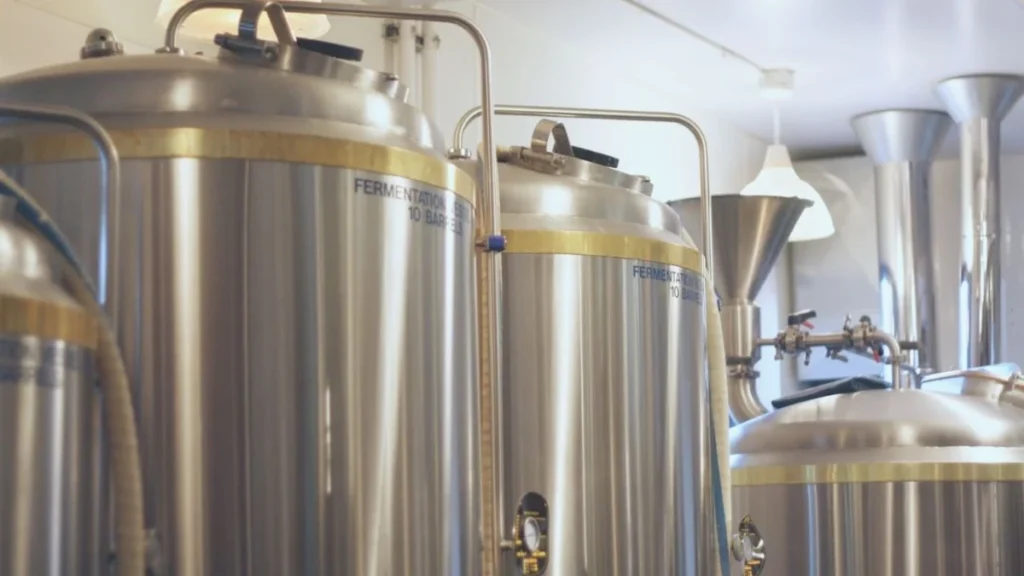
Against this backdrop of supply chain volatility, precision fermentation is emerging as a compelling alternative route for the production of select dietary supplement ingredients. Market research forecasts indicate a period of rapid growth for this biotechnology, fueled by advancements in synthetic biology, microbial engineering, and process optimization that are continually expanding its application scope. However, these optimistic growth projections should not be misconstrued as an endorsement of precision fermentation as a universal solution applicable to every ingredient. The more pertinent and strategically crucial question for industry stakeholders is: when does this advanced production methodology genuinely translate into tangible business advantage?
Navigating the Complexities of Ingredient Production
For botanical ingredients, it is imperative to view precision fermentation not as a wholesale replacement for traditional agriculture and extraction, but rather as a complementary tool within a broader toolkit. Cultivation and extraction remain the most relevant and economically viable methods for producing a vast array of ingredients and complex botanical preparations that capture the synergistic benefits of whole plant compounds. Precision fermentation, therefore, represents an expansion of capabilities, offering a novel approach for specific ingredient challenges.

At its core, precision fermentation involves identifying a target molecule of interest and then engineering a microorganism, such as yeast or bacteria, to efficiently produce it. This biological factory is then cultured under controlled conditions. Following the fermentation process, the desired molecule is separated from the microbial biomass and purified to meet stringent quality specifications. It is crucial to understand that the microorganism itself is the production system, not the final ingredient delivered to the consumer. The objective is not to replicate an entire plant or a broad botanical extract, but rather to isolate and produce a specific molecule found within nature through an alternative, controlled manufacturing pathway. This nuanced understanding is key to determining where precision fermentation can genuinely create value.
A Problem-Centric Approach to Technology Adoption
A strategic and effective evaluation of precision fermentation’s applicability begins by focusing on the underlying business problem, rather than being driven solely by the allure of the technology itself. Three fundamental considerations—supply, quality, and viability—provide a robust framework for this assessment.
Addressing Supply Chain Vulnerabilities
The first critical question is: Is there a demonstrable supply problem that precision fermentation can effectively solve? This involves a thorough examination of several factors. How concentrated is the target molecule within its traditional botanical source? Is there sufficient, reliable raw material readily available to meet global demand? How exposed is this conventional supply chain to inherent variability stemming from agricultural challenges, geographic limitations, or logistical disruptions?
These questions are particularly pertinent in the current global sourcing environment. Many companies are already implementing strategies to mitigate supply chain uncertainty, including diversifying their supplier base (multisourcing), increasing inventory levels to buffer against disruptions, and building greater flexibility into their product formulations. Precision fermentation can significantly expand the portfolio of available ingredients and offer a crucial alternative pathway for specific compounds where conventional supply chains are either constrained, prone to extreme variability, or facing existential threats, such as overharvesting or climate change impacts.
For instance, the sourcing of certain adaptogens, like Rhodiola rosea, has faced scrutiny due to concerns about overharvesting and the sustainability of wild-collection practices in its native regions. Precision fermentation offers a potential solution by enabling the production of key bioactive compounds, such as salidroside, in a controlled environment, thereby reducing reliance on potentially unsustainable agricultural practices. This shift can not only ensure a more stable supply but also contribute to conservation efforts.
Enhancing Quality and Consistency
The second crucial consideration revolves around whether an alternative production route can meaningfully improve the quality and consistency of the ingredient. The business case for precision fermentation often lies in its ability to deliver enhanced purity, superior batch-to-batch consistency, greater traceability, and more effective control over unwanted compounds and impurities. These factors become especially significant when an ingredient’s value proposition is centered on a precisely defined bioactive molecule rather than the broader, more variable characteristics of a traditional botanical extract.
A compelling example is hydroxytyrosol, a well-known phenolic compound naturally found in olives and olive oil, recognized for its antioxidant properties. A precision fermentation approach for hydroxytyrosol is not intended to replicate olive oil itself, which is a complex mixture of hundreds of compounds. Instead, it offers an alternative manufacturing route to produce a highly purified, precisely defined hydroxytyrosol ingredient that meets rigorous and consistent specifications. This is particularly valuable for applications where a specific, standardized dose of hydroxytyrosol is required for efficacy and where variability in natural sources could be a concern.
Similarly, for ingredients like curcuminoids derived from turmeric, while traditional extraction methods are established, precision fermentation could offer a route to isolate specific curcuminoids with higher purity or to produce them more consistently, reducing potential contaminants that might arise from agricultural or extraction processes. This focus on defined molecular entities allows for more precise dosing and potentially enhanced bioavailability, which are critical factors in the development of high-performance dietary supplements.
Ensuring Commercial Viability
Perhaps the most critical—and sometimes overlooked—question is whether the opportunity presented by precision fermentation can ultimately become commercially viable. Demonstrating that a microorganism can produce a desired molecule is merely the initial step. The journey to industrial-scale production is complex and requires extensive validation across different scales. This includes achieving sufficient productivity and yield from the microbial cultures, developing efficient and cost-effective downstream purification processes, establishing reproducible analytical specifications, and ensuring consistent batch-to-batch quality.
The economic feasibility must ultimately align with customer needs and market expectations. This means that the cost of goods produced via precision fermentation must be competitive with or offer a significant value proposition over conventionally sourced ingredients, considering the total cost of ownership, which includes not only raw material costs but also supply chain stability and quality assurance.
Furthermore, commercial readiness extends beyond manufacturing capabilities. A proactive approach must also encompass critical aspects such as safety assessments, the generation of robust scientific evidence to support the ingredient’s efficacy and safety, and the identification of the appropriate regulatory pathway for the finished ingredient. These elements should be considered early in the development process, rather than being treated as afterthoughts or insurmountable hurdles once the technology has been refined. For example, if a precision-fermented ingredient is intended for use in a regulated market, understanding the specific claims that can be made and the data required by regulatory bodies is paramount before significant investment in scaling up production.
Cultivating Trust Through Transparency and Evidence
As novel production technologies like precision fermentation enter categories historically rooted in botanical traditions, transparency will be the cornerstone of consumer and industry trust. Companies leveraging these advanced methods have a responsibility to communicate clearly and comprehensively about the ingredients they produce. This includes explicating precisely what the ingredient is, its botanical reference where relevant, the method by which it is produced, and the analytical and scientific evidence that substantiates the quality and efficacy of the finished material.
Precision fermentation should not serve to obscure an ingredient’s origins or its connection to natural compounds; rather, it should serve to clarify and simplify the production route. For consumers and formulators alike, understanding that a specific molecule, historically sourced from a plant, can now be reliably and sustainably produced through a controlled biological process can build confidence. This clarity is vital for differentiating between products and for fostering informed purchasing decisions.
Ultimately, the true opportunity in precision fermentation lies not merely in identifying an ever-expanding list of molecules that can be biologically produced. Instead, it is about discerning those ingredient challenges that are genuinely worth solving—challenges related to supply security, quality consistency, sustainability, or access to novel compounds—and then rigorously determining whether precision fermentation offers the most appropriate and effective pathway to address them.
For a significant number of ingredients, traditional cultivation and extraction will undoubtedly continue to represent the optimal and most economically sensible solution. However, for others, precision fermentation holds immense potential to provide complementary sourcing options, enhance ingredient consistency, ensure greater supply chain resilience, or grant access to molecules that are otherwise difficult or impossible to produce at scale using conventional methods. The most innovative and forward-thinking strategies within the dietary supplement industry will be those that possess the discernment to recognize these critical differences and leverage the right production technology for the right ingredient challenge, thereby ensuring both scientific advancement and business success.