

A comprehensive survey commissioned by NOW Foods, a prominent player in the dietary supplement industry, reveals a significant and enduring trend: consumers are increasingly integrating vitamins and dietary supplements into their daily routines to support their overall health and wellness. The findings, gathered in September 2025 by research firm Suzy, surveyed 2,024 individuals aged 18 to 65, offering a detailed snapshot of current consumer priorities and identifying emerging opportunities for brands and manufacturers in the rapidly evolving wellness landscape. The data underscores a sustained commitment to health, with a substantial majority of consumers reporting consistent supplement usage and a notable portion increasing their intake compared to the previous year.
The survey’s most striking revelation is the pervasive daily use of dietary supplements. A robust 76% of respondents affirmed that they take vitamins and dietary supplements every single day. The remaining quarter of participants reported a still-significant frequency of at least weekly supplement consumption. This high engagement indicates that dietary supplements are no longer considered an occasional health aid but a consistent component of many individuals’ health management strategies. Further emphasizing this trend, 44% of those surveyed stated they are taking more dietary supplements now than they were in the preceding year, while an additional 41% reported maintaining the same level of intake. This collective data points to a deepening consumer focus on proactive health and wellness, with supplements serving as a primary vehicle for achieving these goals.
Neil Edward Levin, Senior Nutrition Education Manager at NOW Foods, commented on the survey’s findings, stating, "Overall health remains a top priority when it comes to supplement use." This overarching sentiment is strongly supported by the survey data. When asked about the primary reasons for their supplement intake, 58% of respondents cited general health as their main driver. This foundational need is further complemented by other significant health objectives, painting a picture of consumers seeking holistic well-being.
Beyond general health, the survey identified several key areas of focus that are shaping supplement purchasing decisions. While specific rankings can fluctuate based on current health concerns and trends, the consistent demand for support in areas such as immune health, energy levels, and mood regulation highlights a multifaceted approach to wellness. The data also indicates a growing interest in more specialized health concerns, including healthy aging, cognitive function, and gut health. These areas represent not just current consumer interests but also potential avenues for innovation and product development within the dietary supplement market.
The survey’s exploration into specific product categories further illuminates consumer preferences. Multivitamins emerged as the most commonly used supplement type, followed by letter vitamins and probiotics. This preference for foundational nutritional support, combined with the growing interest in gut health, suggests a consumer base that values comprehensive wellness strategies. The continued popularity of probiotics aligns with the increasing awareness of the gut-brain axis and the critical role of a healthy microbiome in overall health.
Looking ahead to 2026, the survey projected that general health will continue to be the paramount priority for 55% of participants. This sustained emphasis on foundational wellness, coupled with the ongoing interest in immune support and energy levels, suggests a stable market demand for core supplement offerings. However, the insights also point towards evolving consumer needs and emerging opportunities. Levin noted that "mood, healthy aging, cognitive support and gut health are all areas of interest." These areas, along with the burgeoning fields of GLP-1 support and women’s health, are identified as strategic growth sectors for NOW Foods, indicating a proactive approach to aligning product development with consumer demand.
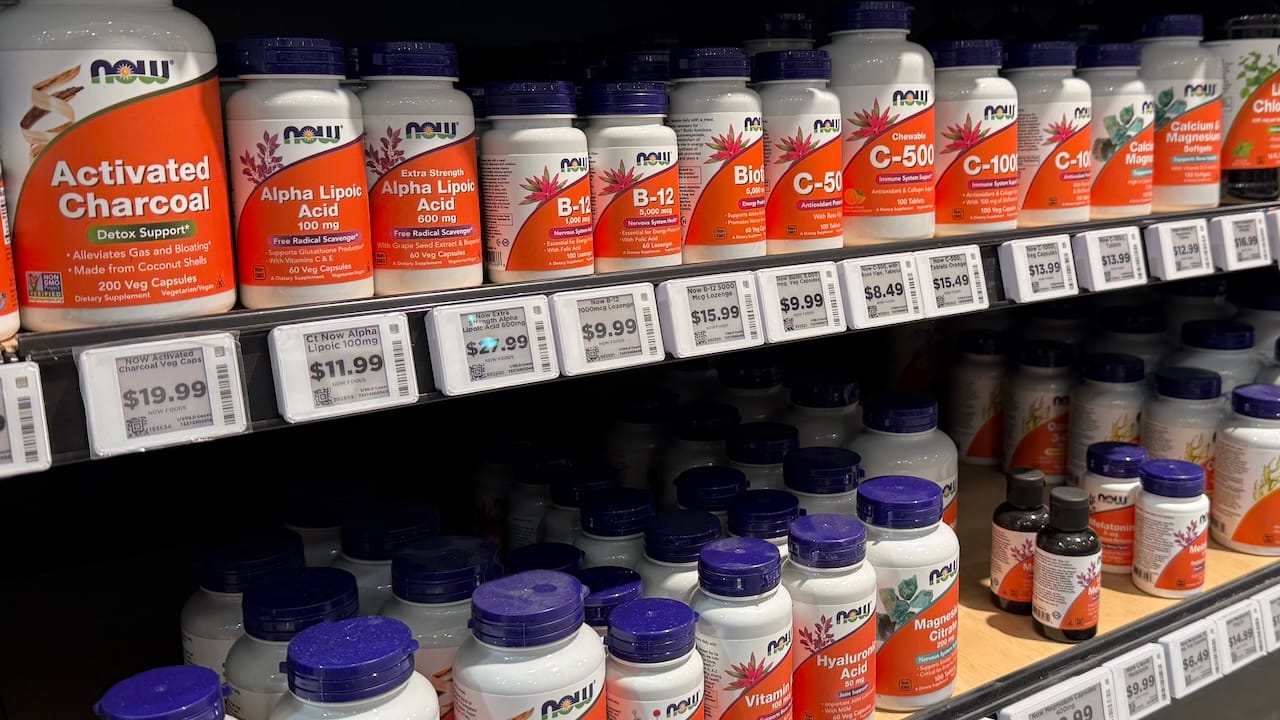
The survey also highlighted specific ingredients that are gaining traction and addressing these emerging needs. Levin mentioned magnesium, berberine, inositol, and alpha-lipoic acid as key ingredients relevant to metabolic health. These compounds are recognized for their potential to support various metabolic processes, including glucose regulation and energy metabolism, aligning with the growing consumer interest in metabolic wellness and weight management. Furthermore, the emergence of postbiotics as a potential area of growth, with Levin suggesting that "In 2026, we hope postbiotics outpace traditional probiotics in certain categories, particularly among consumers looking for consistency and stability," signals a move towards more advanced and targeted gut health solutions. This preference for postbiotics over traditional probiotics could be driven by their perceived stability and ability to deliver specific functional benefits.
A critical aspect of the survey focused on consumer concerns and barriers to supplement use. Efficacy, safety, quality, and confusion arising from an overwhelming array of choices were identified as the top three concerns among respondents. These findings are crucial for supplement brands aiming to build trust and foster long-term customer loyalty. The emphasis on efficacy and quality suggests that consumers are becoming more discerning and are seeking products that are not only convenient but also demonstrably effective and safe.
In response to these concerns, Levin emphasized the importance of "science and story" in ingredient selection. This dual approach allows brands to not only validate the effectiveness of their products through scientific evidence but also to connect with consumers on an emotional level by sharing compelling narratives around ingredient origins and benefits. The incorporation of science-backed branded ingredients into NOW Foods’ formulations, such as magnesium and creatine, exemplifies this strategy. Levin articulated that "Consumers are asking us questions that make it clear they want science-backed ingredients. They are also asking more questions about product testing and quality assurance processes to confirm that what they are buying is going to be effective and safe." This indicates a heightened consumer awareness and demand for transparency regarding product development and quality control.
The survey also shed light on factors that facilitate the adoption and maintenance of wellness habits. When asked what hinders them from starting a new wellness routine, cost and confusion over too many choices were cited as the primary obstacles. Conversely, the top motivators for staying on track with wellness goals included having a workout buddy or sharing results, app tracking, and social media inspiration. These insights present a clear opportunity for supplement brands to bridge the gap between consumer aspirations and practical implementation.
By leveraging educational content, digital tools, and community-building initiatives, brands can empower consumers to navigate the supplement landscape more effectively. The integration of apps that facilitate tracking and progress monitoring, coupled with engaging social media campaigns that offer inspiration and support, can transform supplement use from a solitary endeavor into a shared and motivating experience. As Levin suggested, by helping consumers understand the benefits of their products and by making the process of supplement use an engaging experience, brands can enhance their own market position while simultaneously contributing to their customers’ journey towards improved health and well-being. This holistic approach, which combines scientifically validated products with accessible education and supportive platforms, is poised to be a key differentiator in the competitive dietary supplement market.
The implications of the NOW Foods survey extend beyond immediate market trends. The consistent and increasing daily use of dietary supplements suggests a fundamental shift in consumer behavior, with individuals taking greater personal responsibility for their health. This trend is likely to be sustained, driven by an aging global population, increased awareness of preventative healthcare, and the growing accessibility of health information. For the industry, this presents an ongoing opportunity to innovate and to cater to an increasingly sophisticated consumer base that demands efficacy, transparency, and demonstrable value. The emphasis on science-backed ingredients and the growing interest in specialized health areas like metabolic and gut health indicate a maturing market where superficial claims are less likely to succeed, and where evidence-based solutions will be paramount. Furthermore, the identified barriers to wellness adoption—cost and confusion—highlight the need for brands to focus on affordability, clear communication, and educational support to ensure that the benefits of supplementation are accessible to a broader demographic. The future of the dietary supplement market, as painted by this survey, is one that prioritizes informed consumer choice, scientific integrity, and integrated wellness solutions.
