








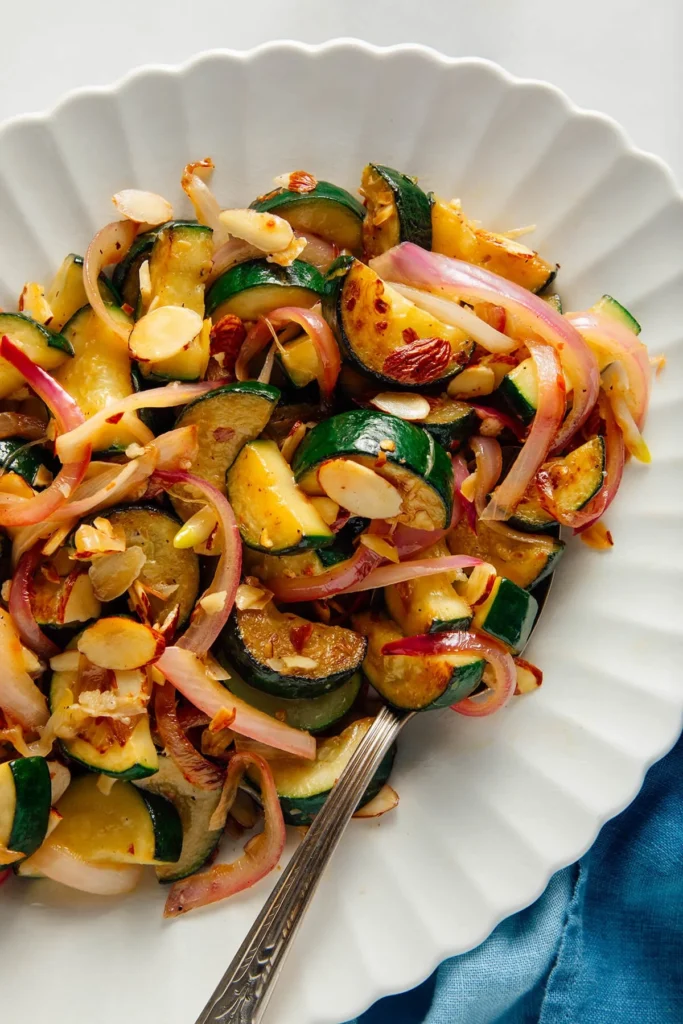
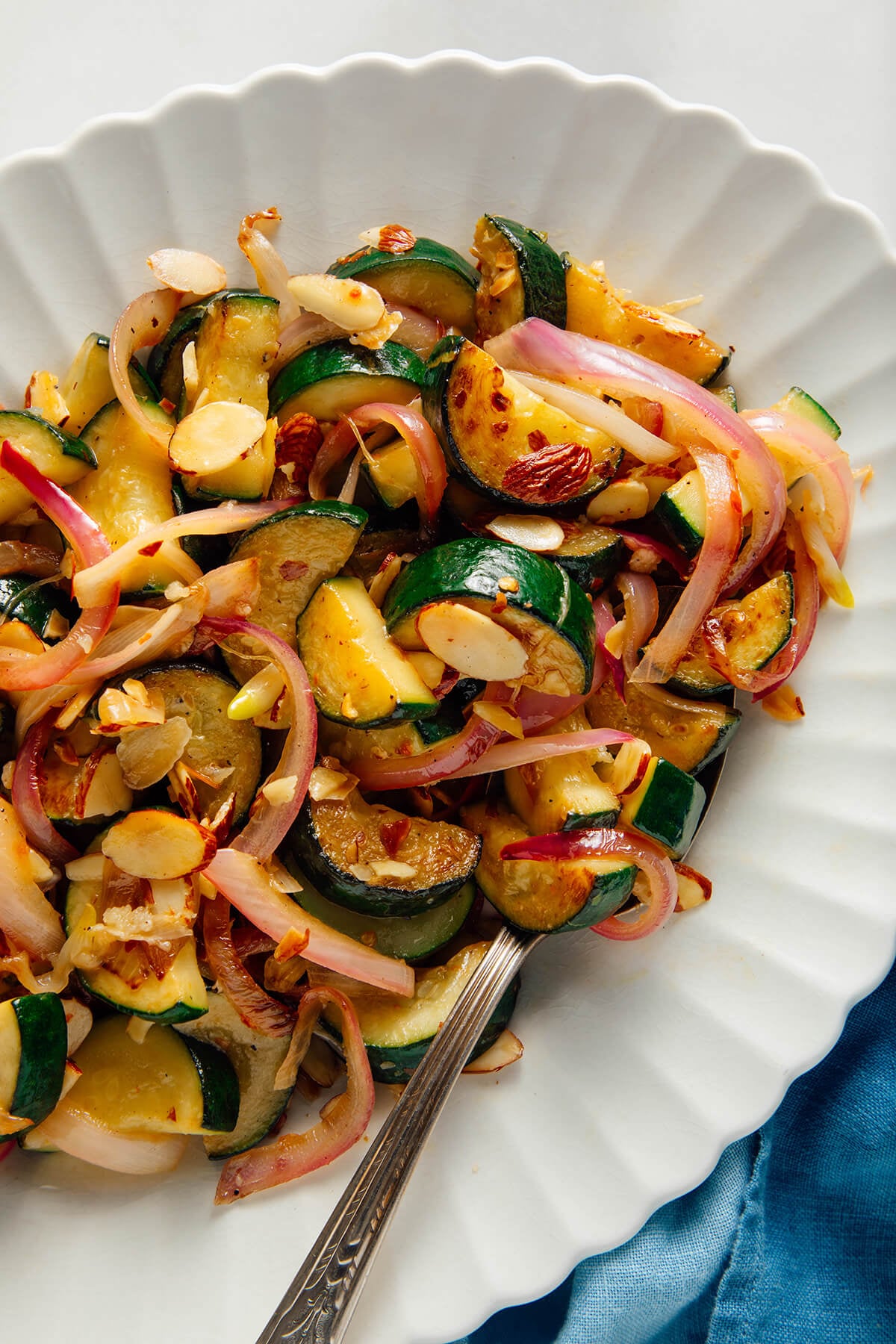
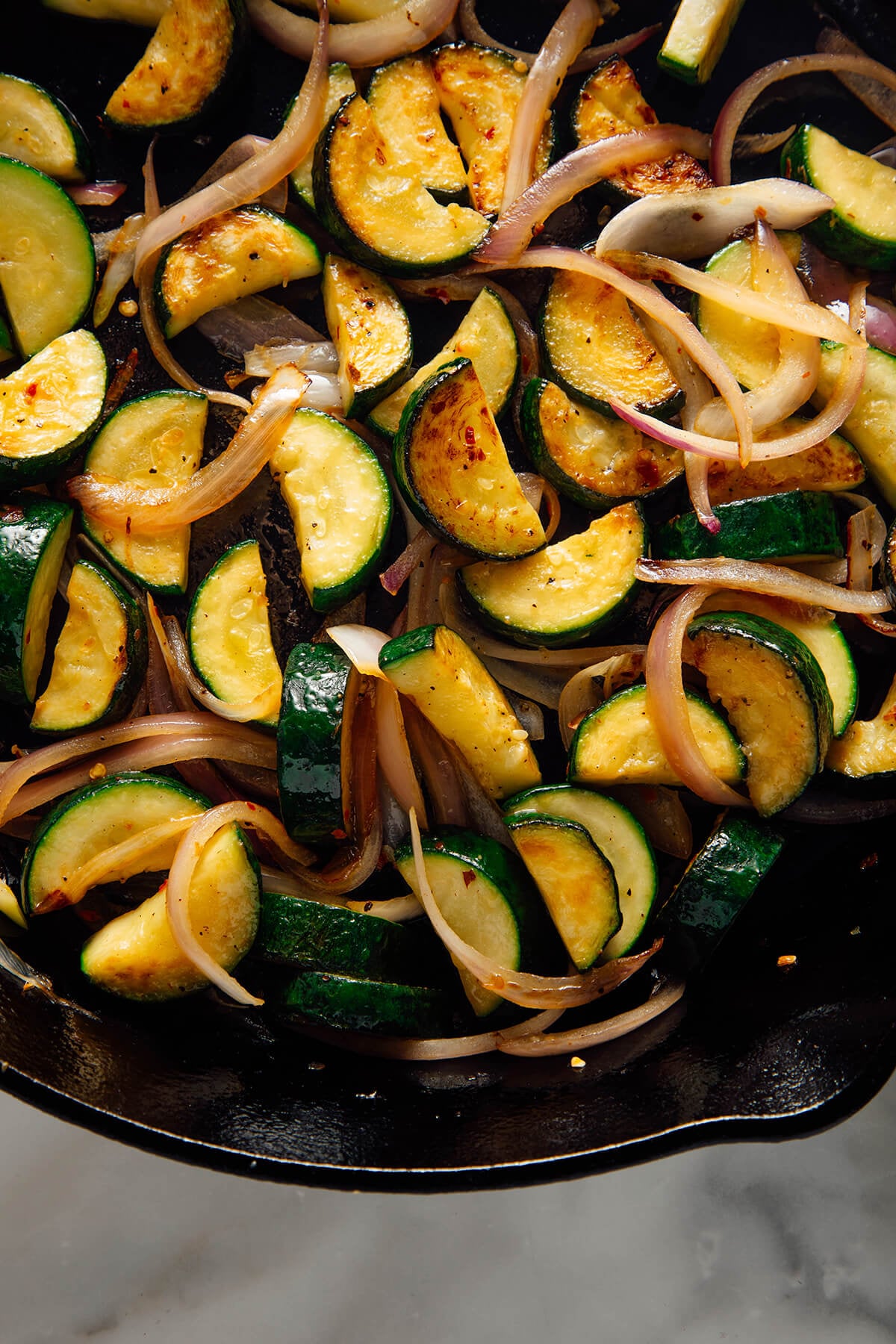
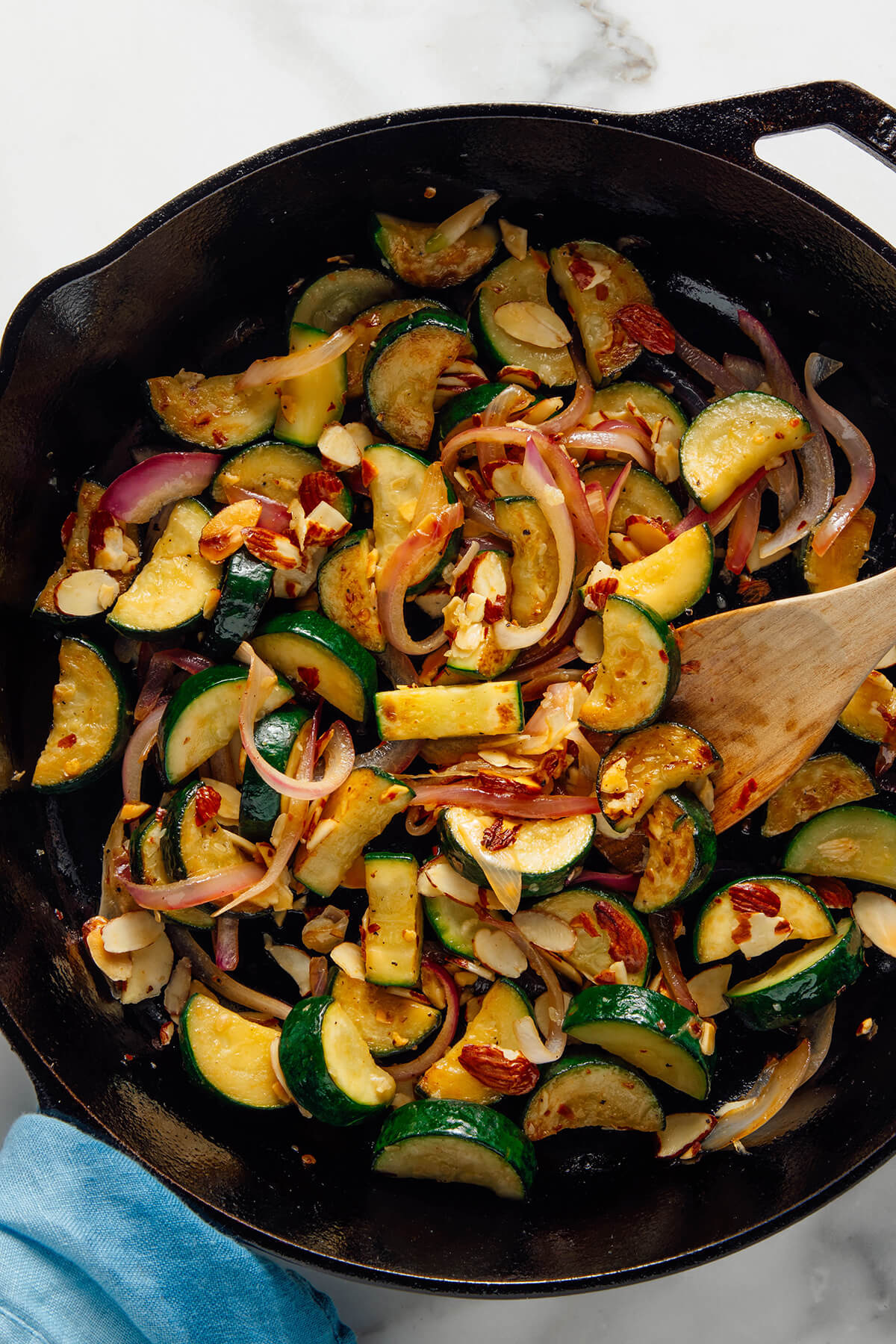
The culinary landscape is abuzz with the introduction of a new sautéed zucchini recipe, heralded by food enthusiasts as the "ultimate zucchini side dish" and a potential game-changer for summer meal planning. This innovative preparation method promises to transform the often-maligned zucchini into a vibrant, flavorful, and perfectly textured accompaniment, moving beyond the common pitfalls of mushiness or squeaky consistency that have deterred many diners. Developed and refined by a prominent culinary expert, the recipe centers on caramelized zucchini and red onion, complemented by toasted sliced almonds, fresh garlic, and a bright squeeze of lemon juice, creating a symphony of bold and harmonious flavors. Its timely unveiling is expected to resonate deeply with home cooks seeking fresh, light, and easy-to-prepare vegetable dishes throughout the warmer months.
The Genesis of a Summer Staple
The origins of this highly anticipated recipe can be traced back to an informal gathering in St. Louis last summer, where culinary blogger and cookbook author Kathryne Taylor was introduced to the foundational concept by a friend, Erika. The initial rendition, served alongside pasta and grilled fare on a back porch, left a lasting impression due to its exceptional taste and texture. Taylor, known for her meticulous approach to recipe development, recognized the potential to elevate this promising dish into a perfected version. Her subsequent efforts focused on addressing the common challenges associated with cooking zucchini, aiming to achieve a consistently browned exterior and tender interior without sacrificing structural integrity. This dedication to refinement culminated in the current recipe, which she describes as an improvement upon her friend’s original inspiration, akin to the popular "Green Beans Amandine" in its ability to transform a simple vegetable into a gourmet experience. The deliberate process of testing and iteration underscores a commitment to culinary excellence, ensuring that the final product not only tastes superb but also offers a foolproof method for home cooks.
A Masterclass in Zucchini Preparation: The Science of Sautéing
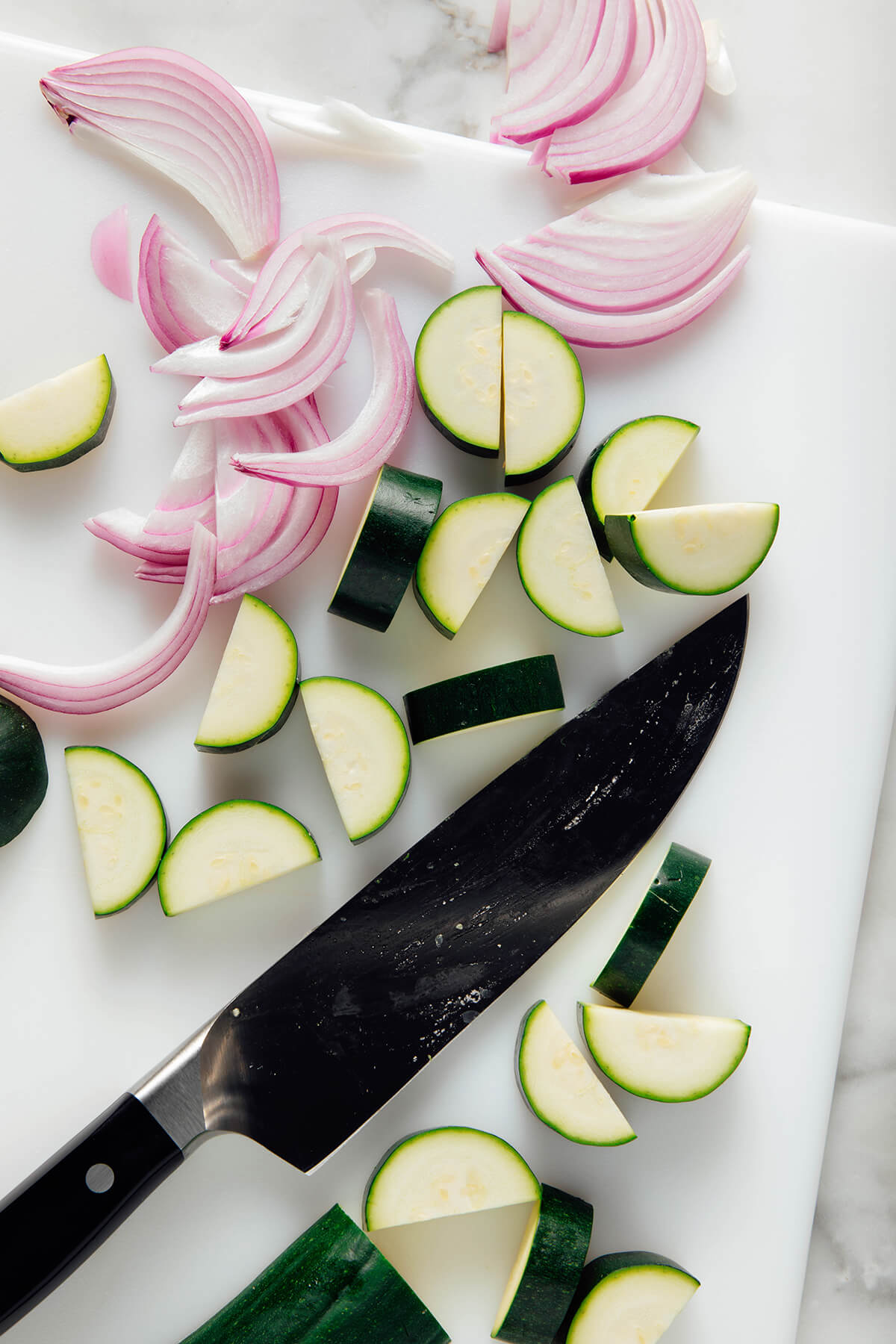
Central to the recipe’s success is its distinctive sautéing methodology, which sets it apart from other common zucchini preparations. Traditional roasting, for instance, often results in an internal mushiness by the time the exterior achieves desirable browning. This new method, however, prioritizes a balanced caramelization and tenderization, avoiding the textural compromises frequently encountered. The process begins with the careful preparation of the zucchini, cut into approximately half-inch wide chunks. This specific sizing is critical; it provides sufficient surface area for direct contact with the hot pan, facilitating the Maillard reaction—a complex chemical process responsible for the browning and development of rich, savory flavors—while allowing the interior to cook through evenly without disintegrating.
A key departure from many conventional zucchini recipes is the omission of pre-salting to draw out moisture. While salting is often recommended to prevent sogginess, Taylor’s extensive testing revealed that this step could lead to an overly salty final product, even after rinsing. Her perfected technique demonstrates that with proper heat management and chunk size, excess moisture is naturally released and evaporated during the cooking process, contributing to the desired caramelized texture rather than steaming the vegetable. This finding is corroborated by other culinary resources, such as The Kitchn, which also supports the efficacy of cooking zucchini without pre-salting to achieve superior texture and flavor.
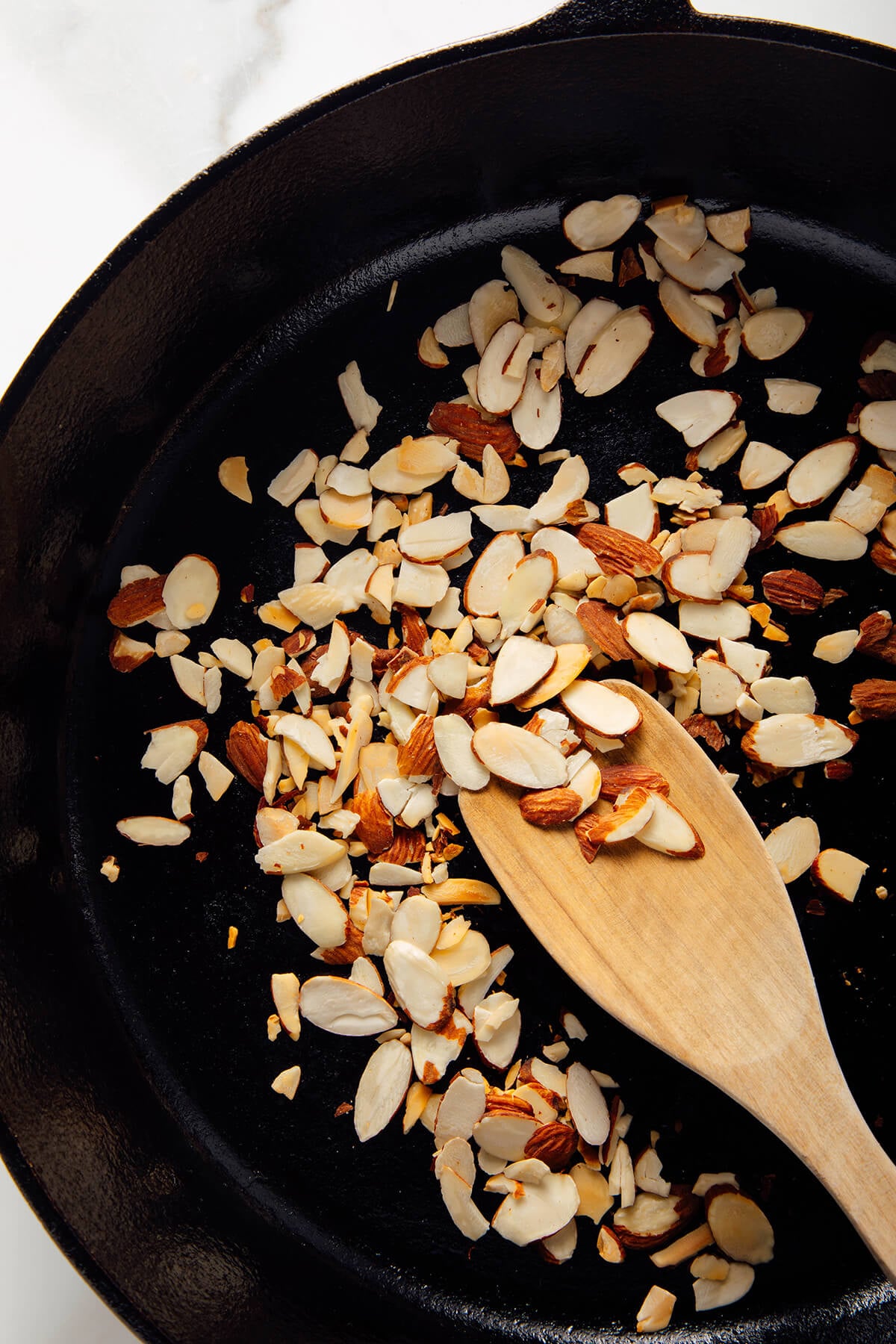
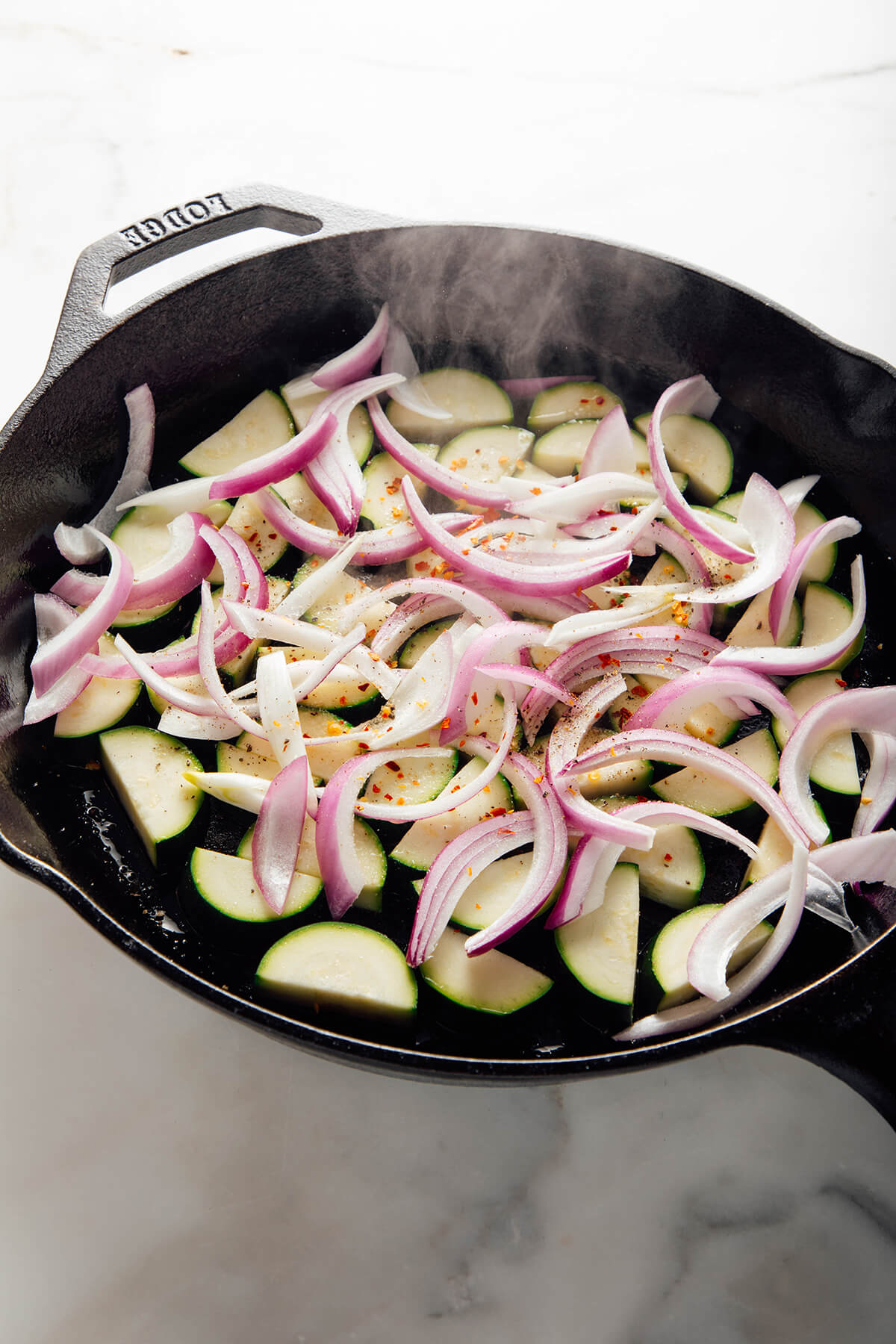
The cooking sequence also plays a vital role. If using almonds, they are toasted first in the same pan, a step that not only enhances their nutty flavor but also preheats the pan, ensuring optimal cooking conditions for the zucchini. Preventing overcrowding in the pan is paramount. Approximately one pound of zucchini, when cut, optimally fills a 12-inch pan. Overfilling would reduce direct contact with the heat source, causing the zucchini to steam rather than brown, leading to an undesirable limp texture. Furthermore, careful stirring is advised: an initial two-minute undisturbed cook time allows for initial browning, followed by stirring every minute or two thereafter. This intermittent stirring provides sufficient contact time for the zucchini pieces to caramelize on all sides, resulting in the signature browned and tender outcome. The method also includes a practical warning about oil splatters due to zucchini’s high moisture content, advising the use of tongs or a spatula for safety—a detail born from practical experience in the kitchen.
Key Ingredients and Their Culinary Contributions
Beyond the technique, the selection and interplay of ingredients are fundamental to the dish’s robust flavor profile. Each component serves a specific culinary purpose, contributing to the overall sensory experience.
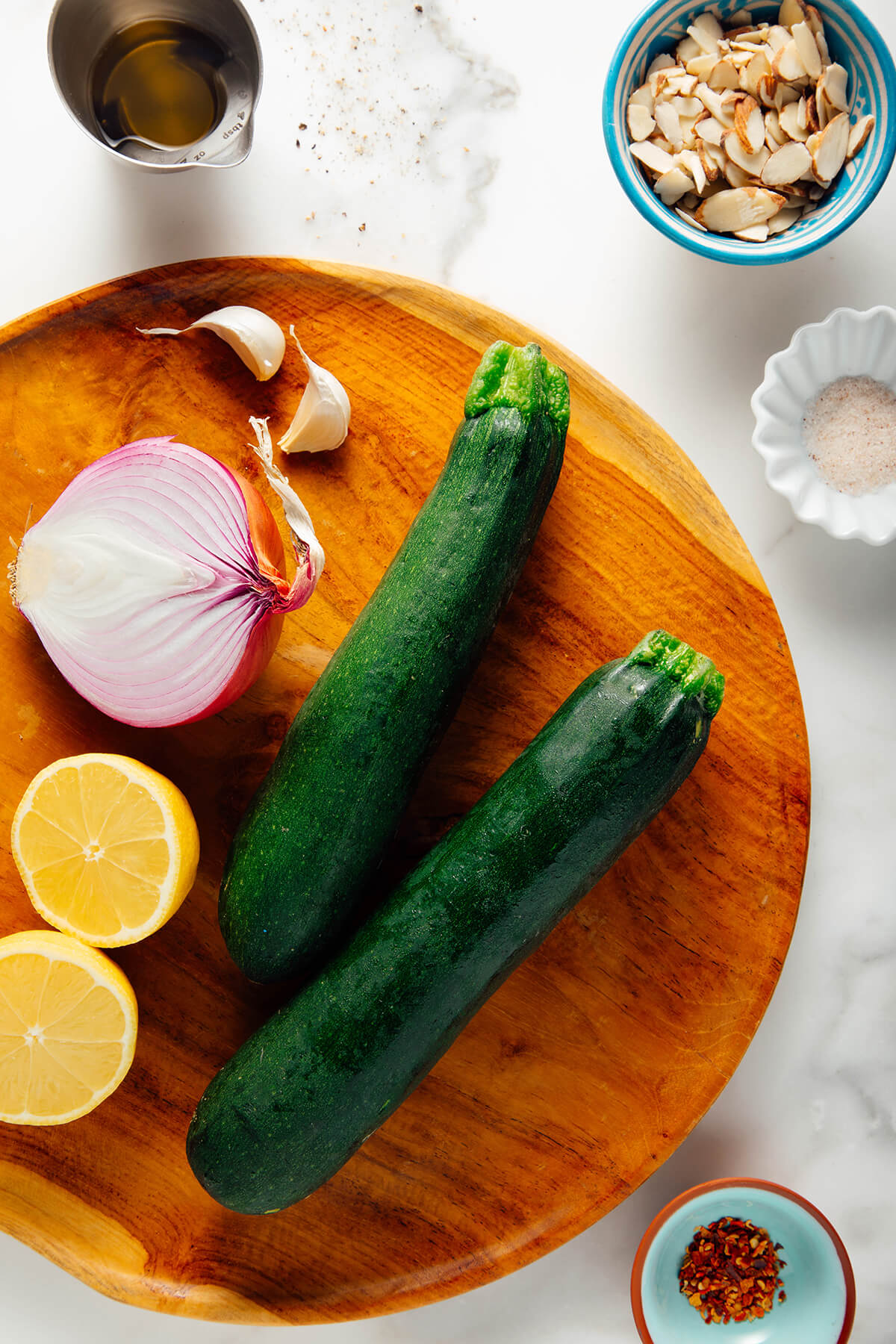
- Zucchini (Cucurbita pepo): The star ingredient, chosen for its mild flavor that readily absorbs other aromatics and its fibrous structure which, when properly cooked, yields a satisfying bite. Its high water content demands precise cooking to achieve caramelization without becoming watery, highlighting the importance of the specific sautéing method.
- Red Onion: Thinly sliced red onion caramelizes alongside the zucchini, adding a subtle sweetness and depth of flavor that complements the vegetable without overpowering it. The slight pungency of raw red onion transforms into a mellow, savory note upon cooking, contributing to the dish’s overall complexity.
- Toasted Sliced Almonds: These provide a crucial textural contrast, introducing a delicate crunch and nutty aroma that elevates the dish beyond a simple vegetable side. Toasting beforehand maximizes their flavor and crispness, enhancing the dish’s mouthfeel and aromatic profile.
- Fresh Garlic: A cornerstone of many savory dishes, fresh garlic infuses the zucchini with its characteristic pungent and aromatic qualities, enhancing the overall savory profile and adding a layer of classic Mediterranean flavor.
- Lemon Juice: A final squeeze of fresh lemon juice is indispensable. Its bright acidity cuts through the richness of the caramelized vegetables and nuts, adding a refreshing zest that awakens the palate and balances the flavors, providing a crucial finishing touch.
The synergy of these ingredients, combined with the refined cooking method, creates a dish that is both complex in flavor and approachable in preparation, making it an excellent addition to any culinary repertoire.
Dispelling Common Zucchini Misconceptions
For many home cooks, zucchini carries a reputation for being bland, watery, or difficult to cook to an appealing texture. This new recipe actively challenges these preconceived notions. By focusing on achieving optimal browning and tenderness, it directly confronts the "squeaky or mushy" textures often associated with poorly prepared zucchini. The specific instruction to cut zucchini into thicker, 1/2-inch chunks is a deliberate strategy to ensure the vegetable retains its structural integrity while allowing for thorough cooking and caramelization. This attention to detail in preparation demonstrates that zucchini, when treated with the right technique, can be a star rather than a mere filler. The article cites independent culinary sources, such as The Kitchn, which also advocate against pre-salting zucchini, reinforcing the validity of this refined approach and helping to shift public perception of the humble squash. This careful technique ensures that the zucchini’s natural mild sweetness is enhanced, rather than masked, by the accompanying flavors.
Nutritional Profile and Health Benefits
Beyond its culinary appeal, this sautéed zucchini dish offers significant nutritional benefits, aligning with growing consumer demand for healthy and delicious food options. Zucchini is a low-calorie vegetable, typically containing about 17 calories per 100 grams, making it an excellent choice for weight management. It is rich in essential vitamins and minerals, including:
- Vitamin A: Important for vision, immune function, and skin health, particularly in the form of carotenoids.
- Vitamin C: A powerful antioxidant that supports the immune system, aids in iron absorption, and is crucial for collagen production.
- Potassium: Crucial for maintaining fluid balance, nerve signals, and muscle contractions, contributing to cardiovascular health.
- Dietary Fiber: Aids in digestion, promotes gut health by feeding beneficial bacteria, and contributes to a feeling of fullness, which can assist in appetite control.
The inclusion of red onions adds further antioxidants and compounds like quercetin, which has anti-inflammatory properties and may support heart health. Garlic is renowned for its immune-boosting and cardiovascular benefits, attributed to compounds like allicin. Almonds contribute healthy monounsaturated fats, protein, and additional fiber, along with vitamin E (a potent antioxidant), magnesium, and other micronutrients, enhancing the dish’s overall nutritional density. The fresh lemon juice not only brightens the flavor but also provides an extra dose of Vitamin C. This combination makes the sautéed zucchini a nutrient-dense side dish that supports a balanced diet without compromising on taste, aligning perfectly with contemporary health and wellness trends.
Expert Endorsement and Anticipated Culinary Impact
The enthusiastic endorsement from its developer, Kathryne Taylor, positions this recipe as a significant culinary innovation. Her assertion that she will be making this sautéed zucchini "all summer long" signals a high level of confidence in its broad appeal and enduring quality. This sentiment is expected to resonate with a wide audience, from experienced home cooks to novice chefs looking for reliable and delicious vegetable preparations. The recipe’s ability to transform a common garden vegetable into a sophisticated side dish suggests a potential to elevate everyday meals and encourage greater consumption of vegetables. Culinary critics and food bloggers are likely to appreciate the simplicity of the ingredients combined with the meticulous technique that yields such impressive results. The anticipated reception is overwhelmingly positive, with many predicting it will become a go-to recipe for summer entertaining and family dinners alike. Its adaptability, as noted by the author, also allows for personalization, such as substituting pistachios for almonds or using different onion varieties, making it broadly appealing.
Seamless Integration into Summer Cuisine
Designed with summer in mind, the sautéed zucchini dish is praised for its light, flavorful profile and rapid cooking time—approximately 10 minutes—which prevents overheating the kitchen during warmer months. Its versatile flavor profile, characterized by fresh Mediterranean-style notes, allows it to pair exceptionally well with other seasonal produce such as tomatoes, corn, and basil. This adaptability makes it an ideal accompaniment for a diverse range of main courses, from grilled chicken and fish to pasta dishes and vegetarian entrees.
Serving suggestions include pairing it with:
- Grilled main courses: The caramelized notes complement smoky flavors from the grill, enhancing the overall barbecue experience.
- Pasta dishes: A light, flavorful addition that won’t weigh down a pasta meal, offering a fresh vegetable component.
- Summer salads: Adding warmth and texture to a crisp salad, transforming it into a more substantial dish.
- Grain bowls: Enhancing flavor and nutrition in a wholesome bowl, providing a hearty and healthy addition.
- Roasted chicken or fish: Providing a fresh, vibrant contrast to rich proteins, balancing the meal.
Furthermore, the dish reheats well, offering convenience for meal prepping and enjoying leftovers over several days, making it a practical choice for busy households. The recipe’s adaptability extends to ingredient substitutions as well, allowing for customization such as using roughly chopped roasted pistachios in place of the almonds, or a yellow or white onion instead of red. For those with nut allergies, the almonds can be omitted or replaced with pine nuts (technically seeds), ensuring inclusivity for various dietary needs.
Beyond the Plate: Broader Culinary and Market Implications
The emergence of such a meticulously crafted yet simple recipe has broader implications for the culinary world and consumer behavior. In an era where healthy eating and vegetable-forward diets are gaining prominence, recipes like this sautéed zucchini demonstrate that nutritious food can also be exceptionally delicious and satisfying. It contributes to a larger movement of demystifying vegetable cooking, providing accessible techniques that empower home cooks to achieve professional-level results with everyday ingredients. The focus on maximizing flavor and texture from a common vegetable highlights a trend towards valuing quality and technique over complexity.

From a market perspective, a popular recipe like this could stimulate demand for fresh zucchini during its peak season, potentially benefiting local farmers and agricultural markets. It underscores the economic viability of seasonal eating and the creative potential within abundant produce, encouraging consumers to embrace local and fresh ingredients. Moreover, the emphasis on a specific cooking method underscores the value of culinary education and the impact that refined techniques can have on food appreciation. This recipe serves as a testament to the idea that sometimes, the most revolutionary culinary innovations come from perfecting the preparation of the most humble ingredients. As consumers continue to prioritize both taste and health, dishes like this sautéed zucchini are not just passing trends but foundational elements in the evolving landscape of modern home cooking, cementing their place as indispensable summer staples. The anticipation surrounding this dish suggests it will not merely be a recipe but a culinary experience that encourages a deeper appreciation for the simple elegance of perfectly prepared vegetables.