

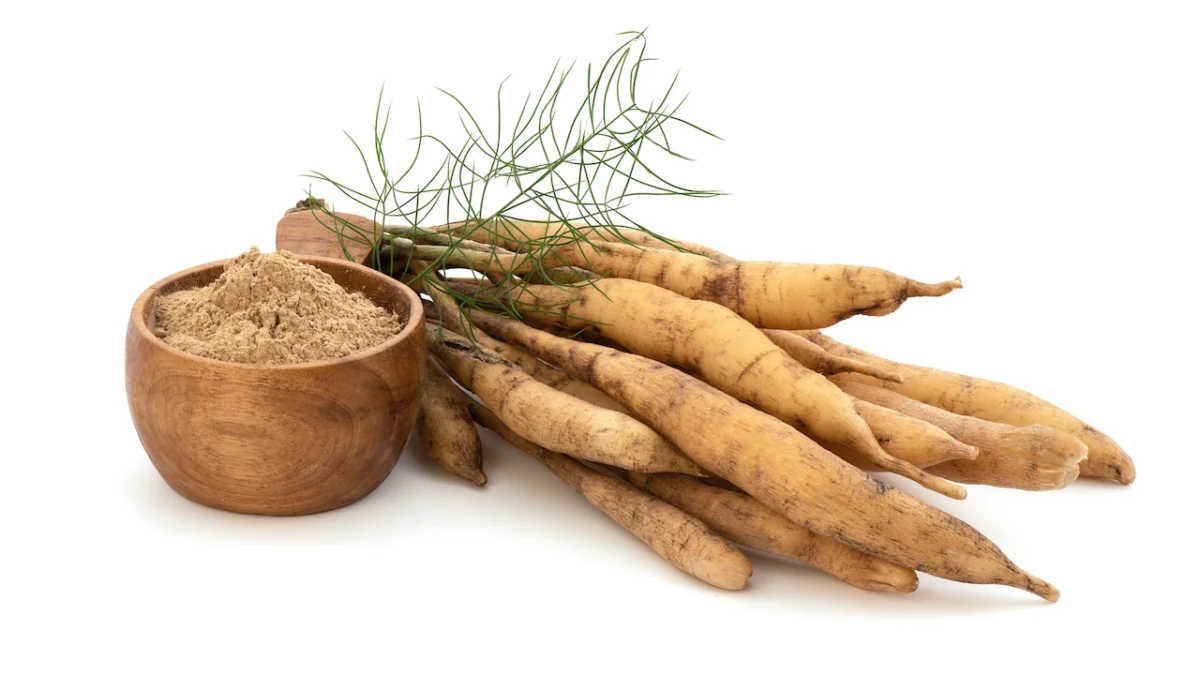
The women’s health sector within the dietary supplement industry is experiencing a significant surge, with traditional botanicals like shatavari (Asparagus racemosus) emerging as frontrunners. This ancient Ayurvedic herb, long revered for its therapeutic properties, is now a common ingredient in numerous women’s hormonal health supplements. Unlike fleeting trends, shatavari’s prominence is underpinned by a growing body of scientific research, with a recent study on Aspurá™s, a standardized shatavari extract by Waleria Healthtech, further bolstering its clinical validation for managing perimenopausal symptoms. Published in the Journal of Dietary Supplements, this research highlights the multifaceted benefits of shatavari, reinforcing its position as a key player in addressing the evolving needs of women across different life stages.
The increasing focus on women’s health by supplement brands signifies a strategic shift towards addressing specific life stages, particularly perimenopause. This developmental phase, often characterized by fluctuating hormones and a wide array of physical and emotional symptoms, presents a critical unmet need for many women. By offering targeted solutions for perimenopause, brands aim to not only provide relief but also to establish long-term relationships with consumers, potentially leading to continued supplement use in later life stages, such as menopause.
Komal Baldwa, CEO and founder of Waleria Healthtech, emphasizes this consumer-driven demand. "Consumers are looking for solutions that are relevant to the life stage they are in and the needs they are experiencing," Baldwa stated. She further elaborated on the historical context of shatavari, noting, "In Ayurvedic heritage, shatavari is positioned as a Rasayana traditionally associated with women’s reproductive health, vitality, and nourishment. It has a much broader history in women’s health than its current association with perimenopause and menopause." This historical perspective underscores the deep-rooted understanding of shatavari’s benefits for women, which is now being validated by modern scientific inquiry.
The Science Behind Shatavari’s Multifaceted Benefits
The latest clinical trial on Aspurá™s has illuminated shatavari’s capacity to support perimenopausal women across a spectrum of symptoms. Researchers found that the standardized shatavari extract demonstrated efficacy in alleviating common issues such as hot flashes, irritability, sleep disturbances, and fatigue. This broad-spectrum impact is particularly noteworthy, as perimenopause is often marked by a complex interplay of symptoms that can vary significantly from one woman to another.
"These findings strengthen the clinical evidence for Aspurá™s in perimenopause, where symptoms can be broader and more variable, supporting a broader, more targeted approach to women’s health," Baldwa remarked. The implications for product development are significant; a single botanical ingredient, backed by robust clinical data, can address multiple consumer needs. This efficiency not only simplifies formulation but also enhances the credibility and marketability of finished products.
Unpacking the Clinical Trial: Methodology and Key Findings
The clinical trial focused on Aspurá™s, a full-spectrum, root-derived shatavari extract standardized to 5% shatavarins. The study involved perimenopausal women experiencing a range of symptoms. Participants were divided into two groups: one receiving the shatavari extract and a control group receiving a placebo. The trial was designed to assess the impact of the supplement on symptom frequency, intensity, and overall quality of life.
Timeline of Symptom Alleviation:
- Two Weeks: Statistically significant reductions in the frequency of perimenopausal symptoms were observed in the shatavari group compared to the placebo group.
- Four Weeks: Symptom intensity scores also showed statistically significant differences, with women in the shatavari group reporting lower intensity levels.
- Beyond Four Weeks: While both groups experienced a reduction in hot flashes, the percentage decrease was notably greater in the shatavari supplementation group at each measured time point.
Comprehensive Symptom Relief and Hormonal Modulation
Beyond hot flashes, the study revealed significant improvements in several other key areas for women taking the shatavari extract:
- Menopause-Specific Quality of Life: Participants reported enhanced well-being and a better ability to manage daily life with fewer disruptive symptoms.
- Irritability: The shatavari extract demonstrated a calming effect, reducing feelings of irritability often associated with hormonal fluctuations.
- Insomnia: Sleep quality improved, with participants experiencing less difficulty falling asleep and staying asleep.
- Fatigue: Energy levels increased, and feelings of persistent tiredness were alleviated.
- Sexual Function: The supplement positively impacted scores related to sexual health and satisfaction.
Crucially, the study also provided insights into shatavari’s hormonal impact. Supplementation with the shatavari extract led to increased levels of estradiol and progesterone, key hormones involved in the female reproductive cycle. Concurrently, it resulted in decreased levels of follicle-stimulating hormone (FSH) and luteinizing hormone (LH), suggesting a regulatory effect on the hormonal cascade. Notably, testosterone levels remained largely unaffected, indicating a targeted action on the hormonal balance relevant to perimenopausal symptoms.
Safety Profile and Absence of Adverse Effects
A critical aspect of any new supplement research is its safety profile. The clinical trial reported no adverse events among participants taking the shatavari extract. Furthermore, comprehensive blood tests showed no significant changes in metabolic biomarkers, liver function, or kidney function, underscoring shatavari’s safety for the studied population. This reassuring safety data is vital for building consumer confidence and encouraging widespread adoption of shatavari-based supplements.
Shatavari’s Expanding Research Landscape
This latest study on Aspurá™s builds upon a growing foundation of scientific evidence supporting shatavari’s efficacy for women’s health. In recent months, multiple clinical trials investigating various branded shatavari extracts have been published, further solidifying its therapeutic potential.
Previous research has demonstrated shatavari’s ability to:
- Balance hormones in menopausal women: Studies have shown its role in moderating hormonal shifts during menopause.
- Reduce symptoms in menopausal and perimenopausal women: A range of studies have documented its effectiveness in alleviating common symptoms experienced during these transitional phases.
- Work synergistically with fenugreek: Research indicates that shatavari can complement fenugreek in addressing menopausal discomforts.
- Support women with Polycystic Ovary Syndrome (PCOS): Emerging science suggests shatavari may help manage certain parameters associated with PCOS.
- Improve post-partum lactation: Traditional use and some scientific findings point to its benefits in supporting milk production for breastfeeding mothers.
The ongoing research extends beyond perimenopause. Baldwa revealed that studies are currently underway to explore shatavari’s benefits for postmenopausal women and those experiencing premenstrual syndrome (PMS). New endpoints being investigated include fatigue and libido, indicating a broader ambition to position shatavari as a comprehensive solution for women’s health across their entire reproductive lifespan.
"Rather than asking, ‘Where can shatavari fit beyond menopause?’ we see a bigger opportunity," Baldwa stated, articulating a vision for the future. "How can we build clinically relevant shatavari solutions for every stage of women’s health?" This forward-looking perspective highlights the potential for shatavari to become a cornerstone ingredient in a holistic approach to women’s well-being, addressing needs from adolescence through post-menopause.
Broader Implications for the Supplement Industry and Women’s Health
The sustained scientific validation of shatavari’s benefits has significant implications for the dietary supplement industry and the broader landscape of women’s health.
For the Supplement Industry:
- Product Innovation: The robust clinical data empowers formulators to develop more targeted and effective products for women’s health. This reduces the reliance on vague claims and allows for evidence-based marketing.
- Market Growth: As consumer awareness of shatavari’s benefits grows, fueled by scientific publications and media coverage, demand for shatavari-containing supplements is likely to increase, driving market expansion.
- Ingredient Standardization: The focus on standardized extracts like Aspurá™s promotes quality control and ensures consumers receive consistent therapeutic benefits. This also encourages investment in high-quality raw material sourcing and processing.
- Strategic Differentiation: Brands that incorporate clinically supported botanicals like shatavari can differentiate themselves in a crowded market, appealing to health-conscious consumers seeking reliable solutions.
For Women’s Health:
- Empowerment and Agency: By providing scientifically validated natural options, shatavari empowers women to take a more proactive role in managing their health and well-being during significant life transitions.
- Accessibility of Care: Supplements offer a more accessible and often more affordable alternative or complement to conventional medical interventions for managing menopausal and hormonal health issues.
- Holistic Approach: The growing recognition of shatavari’s benefits encourages a more holistic understanding of women’s health, acknowledging the interplay of physical, emotional, and hormonal factors.
- Addressing Unmet Needs: Shatavari’s ability to address a wide array of symptoms, from physiological changes to emotional well-being, helps fill critical gaps in current healthcare offerings for women.
The journey of shatavari from an ancient Ayurvedic remedy to a scientifically validated ingredient in modern supplements is a testament to the enduring power of traditional wisdom when paired with rigorous scientific investigation. As research continues to unfold, shatavari is poised to remain a pivotal player in the evolving narrative of women’s health, offering a natural, effective, and safe approach to well-being across the lifespan. The strategic integration of such botanicals, backed by robust clinical trials, signals a promising future for personalized and evidence-based women’s health solutions in the supplement market.
